- English
- French
- German
- Portuguese
- Spanish
- Russian
- Japanese
- Korean
- Arabic
- Irish
- Greek
- Turkish
- Italian
- Danish
- Romanian
- Indonesian
- Czech
- Afrikaans
- Swedish
- Polish
- Basque
- Catalan
- Esperanto
- Hindi
- Lao
- Albanian
- Amharic
- Armenian
- Azerbaijani
- Belarusian
- Bengali
- Bosnian
- Bulgarian
- Cebuano
- Chichewa
- Corsican
- Croatian
- Dutch
- Estonian
- Filipino
- Finnish
- Frisian
- Galician
- Georgian
- Gujarati
- Haitian
- Hausa
- Hawaiian
- Hebrew
- Hmong
- Hungarian
- Icelandic
- Igbo
- Javanese
- Kannada
- Kazakh
- Khmer
- Kurdish
- Kyrgyz
- Latin
- Latvian
- Lithuanian
- Luxembou..
- Macedonian
- Malagasy
- Malay
- Malayalam
- Maltese
- Maori
- Marathi
- Mongolian
- Burmese
- Nepali
- Norwegian
- Pashto
- Persian
- Punjabi
- Serbian
- Sesotho
- Sinhala
- Slovak
- Slovenian
- Somali
- Samoan
- Scots Gaelic
- Shona
- Sindhi
- Sundanese
- Swahili
- Tajik
- Tamil
- Telugu
- Thai
- Ukrainian
- Urdu
- Uzbek
- Vietnamese
- Welsh
- Xhosa
- Yiddish
- Yoruba
- Zulu
Certain types of cat litter are indeed compostable, but the answer depends entirely on the material composition. Plant-based litters made from materials like tofu, cassava, wood pellets, corn, and wheat can break down naturally in composting systems. Traditional clay-based litters, however, are not compostable and pose significant environmental challenges. Understanding which products qualify as compostable is essential for businesses seeking sustainable pet care solutions that align with modern environmental standards and corporate responsibility goals.
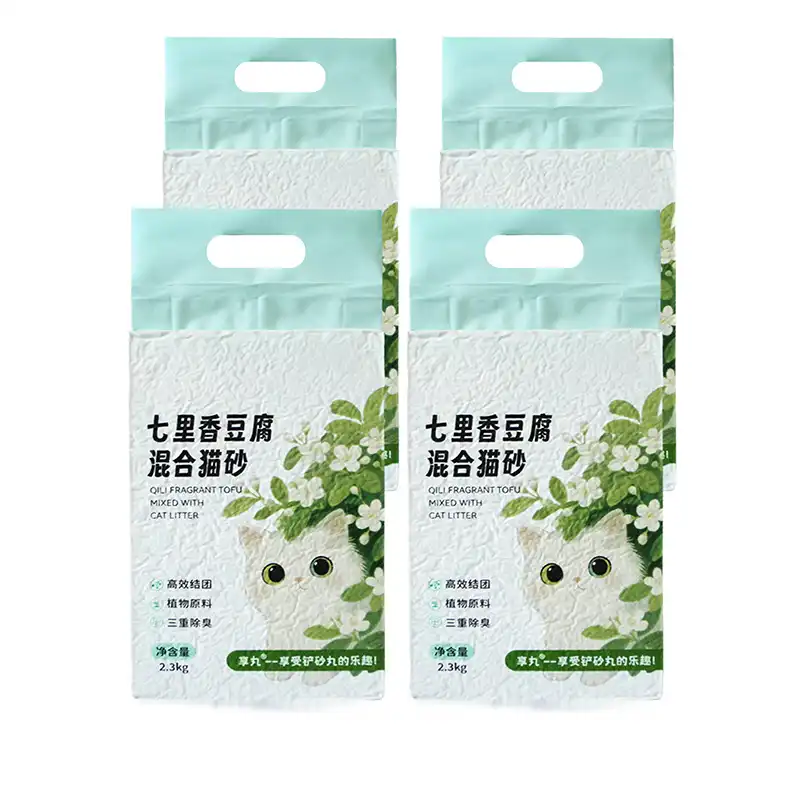
Understanding Cat Litter and Its Compostability
Material Composition and Biodegradability
The makeup of different types of cat litter is very different, which is a big part of what determines how compostable it is. Sodium bentonite clay, silica gel crystals, and other artificial materials that don't change much in nature for decades are used a lot in traditional methods. These substances that don't break down create garbage streams that last a long time and make it hard to handle trash in a way that is sustainable.
On the other hand, biodegradable options use natural materials that break down with the help of microbes. Products made from wood use fibers from pine, cedar, or recovered paper that break down fully in the right composting conditions. Agricultural wastes like corn kernels, wheat grass, walnut shells, and leftovers from processing soy beans are used in plant-based formulations to make useful litter that returns nutrients to the earth when it is handled properly.
Absorption and Odor Control Mechanisms
Understanding useful performance helps people who buy things decide if compostable options meet practical needs. In biodegradable litters, natural starches and plant proteins are often used to hold the particles together instead of chemical glues. These organic compounds make clumps that stick together while still being compostable, but their performance may be different from that of regular clay goods.
Instead of manufactured scents or chemical masking agents, compostable products often use natural absorption and elimination to control smells. Activated charcoal made from coconut shells, baking soda, and important plant oils are all good at getting rid of smells without harming the environment. This method works well for buildings that want to improve both air quality and the environment.
Safety and Environmental Impact Considerations
When looking at organic options, pet safety is still the most important thing, especially for places that take care of animals that are sensitive or have breathing problems. Low-dust formulas cut down on airborne particles that can bother pets and staff, and natural ingredients keep pets and staff from being exposed to chemicals or manmade additives that could be harmful.
The environmental effect goes beyond just being compostable and includes things like how the materials are sourced, how much energy they use in production, and their shipping footprints. Professionals in charge of buying things should judge sellers on a wide range of environmental factors, such as how much green energy they use, how they support local businesses, and how they use packaging materials that are in line with the principles of the circular economy.
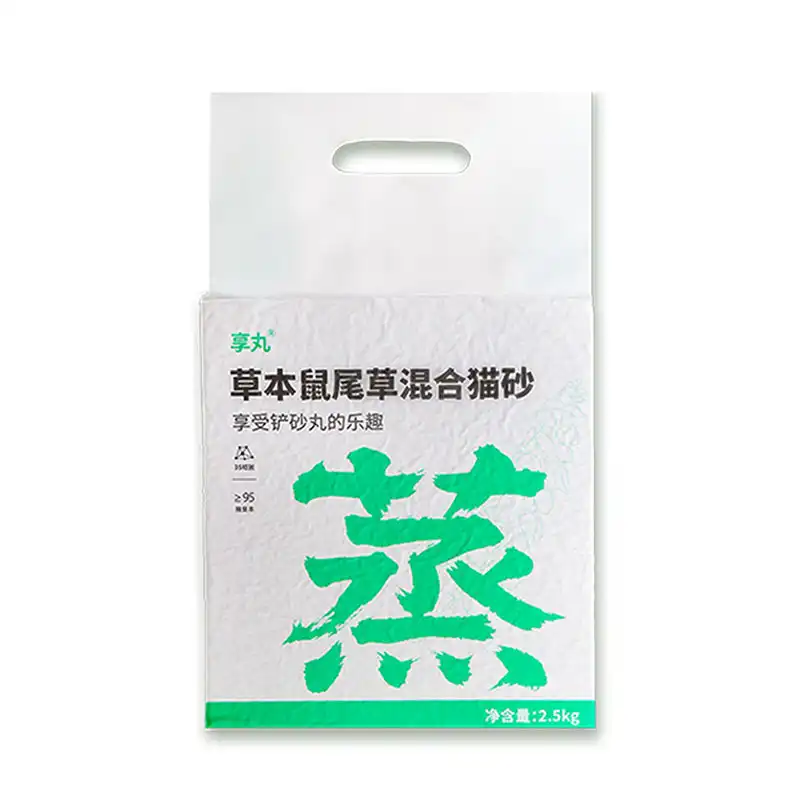
Types of Compostable Cat Litter and Their Benefits
Wood-Based Solutions
Wood-based reusable litters are an old technology that has been used successfully in business settings. Pine pellets are very good at absorbing moisture and naturally getting rid of smells thanks to scent chemicals. Cedar products offer similar benefits, but they have stronger antimicrobial qualities that stop germs from growing and causing smell problems.
These goods usually come in the form of compressed pellets that expand when they get wet, making a lot of space for trash to be absorbed. The natural lignin in wood fibers keeps the structure strong while still breaking down completely in normal composting settings.
Plant-Based Innovations
Plant-based options are a great example of how far sustainable cat litter technology has come. Corn-based goods use whole kernel corn or processing waste from corn cobs to make formulas that are naturally clumpy and absorbing. Wheat-based choices use wheat grass and waste products from preparing grains, giving similar results with different texture traits.
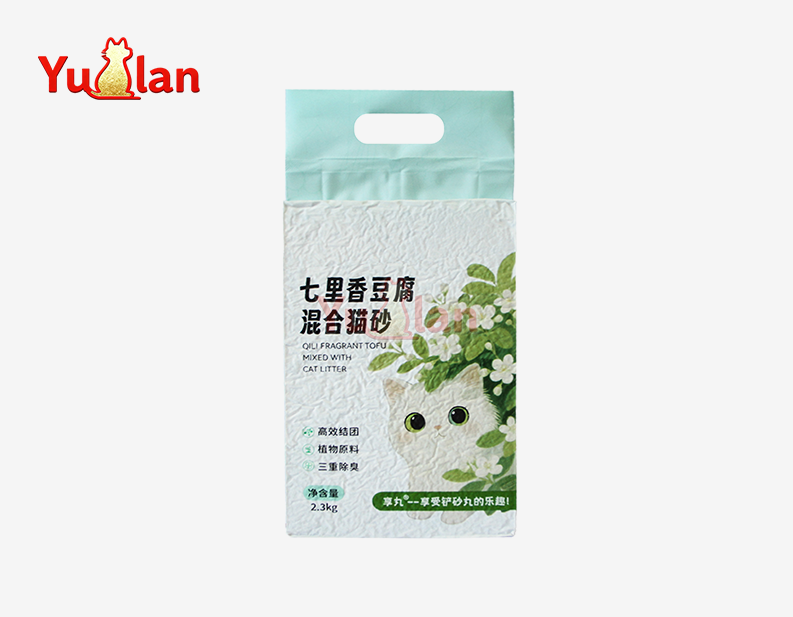
Tofu litter is the latest innovation in plant-based technology. It is made from leftovers from cooking soybeans to make light, dust-free pieces that are very good at absorbing water. This creative method turns waste from the food industry into useful pet care items, showing how the circle economy works in a way that fits with buying habits that care about the environment.
Paper-Based Options
Recycled paper litters have special benefits for some uses, like in veterinarian settings where people are very worried about being exposed to dust or chemicals. These items use recycled paper to make soft, absorbing materials that are good for pets that are sensitive or people who are recovering from surgery.
To make useful litter goods, the process usually includes shredding paper, getting rid of dust, and pelletizing the paper. While clay-based options may have a higher absorption capacity, paper-based options work better in some situations where kindness and compatibility with the surroundings are more important than maximum absorption performance.
Business Benefits and ROI Analysis
Using compostable litter has real benefits that go beyond protecting the earth. When recyclable materials are used instead of clay goods that end up in landfills, the cost of getting rid of trash often drops by a lot. Biodegradable materials can get lower garbage management fees in many places. This saves money directly and makes buying more profitable.
Adopting environmentally friendly pet care products helps businesses meet their social responsibility goals in a big way. Companies can measure how much their environmental effect has decreased, which helps with sustainability reporting standards and marketing campaigns that promote environmental responsibility. In markets where caring about the environment affects buying choices, these benefits often lead to better brand image and a way to stand out from competitors.
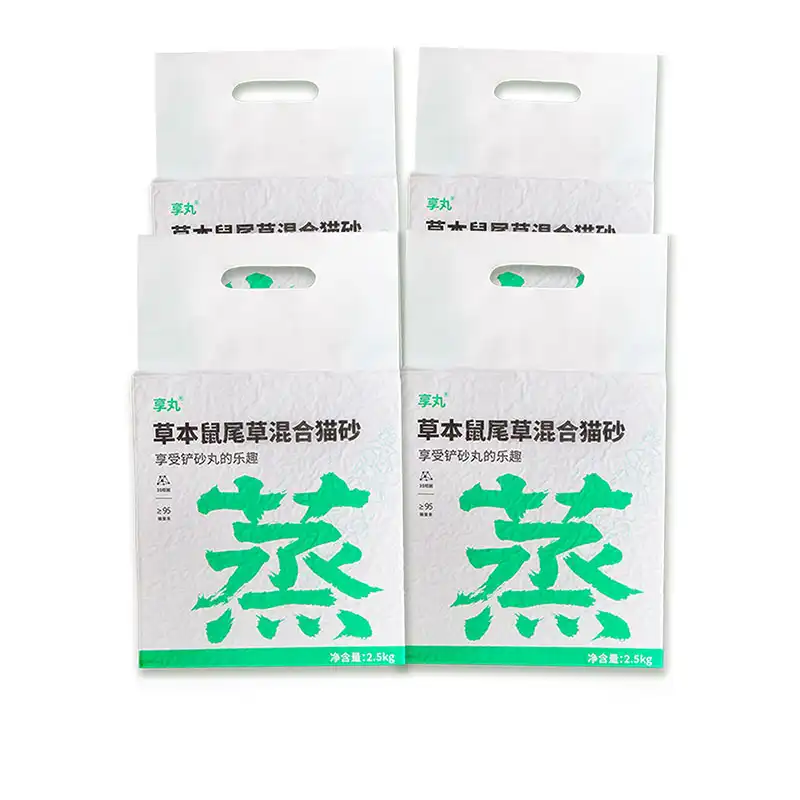
How to Evaluate and Choose Compostable Cat Litter for Business Use?
Performance Assessment Criteria
To properly evaluate recyclable cat litter, it needs to be looked at from a wide range of performance angles. How well a product handles liquid trash is determined by its absorption efficiency, which has a direct effect on how often it is used and how much it costs. Both the beginning absorption speed and the total liquid holding capacity should be tested in real-life situations.
Performance that builds up over time affects how easy it is to maintain and how well waste is removed. Strong, coherent clumps reduce waste during cleaning while minimizing product loss. The ability to control smells should be tested over long periods of time, since natural ways of doing this may not work the same way as chemical ones in different environments.
Procurement Checklist Development
Structured evaluation methods that look at both functional success and business needs are needed for procurement to go well. Important things to think about are seller certifications, proof that the product has been tested, and third-party confirmation of statements that the product can be composted. Suppliers you can trust give you detailed technical specs, safety data sheets, and test results for performance that help you make smart decisions.
Businesses that need to make sure their products are always available need to make sure their supply chains are reliable. To make sure that products always get to the right places, procurement teams should look at how much a seller can do, where they can deliver them, and how well their inventory control systems work. Back-up seller ties give businesses more security in situations where product interruptions could have a big effect on operations.
Cost-Benefit Analysis Framework
A full cost study must include all of the costs of owning something, not just the initial purchase price. Even though compostable goods may cost more per unit, they save money in the long run because they cost less to dispose of and make customers happier. To get a good idea of the financial effect, procurement pros should model these factors over long periods of time.
Lower usage rates are often enough to make up for higher unit costs when performance economy is good. Better absorption means less product is needed for each application, and good mixing cuts down on waste during upkeep. These operational savings can more than make up for the higher starting costs, and they also help the environment, which is good for business in general.
Best Practices for Disposal and Maintenance of Compostable Cat Litter
Optimal Replacement Protocols
To keep organic litters working at their best, they need specific care plans that take into account how they are used and how the materials are made. Biodegradable materials can start to break down in damp conditions, so they need to be replaced and inspected more often than clay goods, which may keep their shape forever.
Finding the best repair frequency varies on a number of things, such as the size of the facility, the number of animals that live there, the ventilation systems, and the weather in the area. Regular tracking helps find the best plans that balance saving money with keeping things working well, which makes sure that hygiene and odor control standards are always met.
Safe Composting Practices
To compost correctly, you need to know the rules in your area and what the site can do with animal waste. Many business composting sites will take pet trash as long as it is handled properly, but rules vary a lot from place to place. Before using compostable goods, procurement teams should check local rules and find allowed ways to get rid of them.
When composting at home, safety rules need to be carefully thought through, especially when it comes to managing pathogens and limiting how much waste can be used. Animal waste is usually composted separately in professional facilities to make sure the right temperature is maintained, pathogens are killed, and the most resources are recovered.
Integration with Existing Systems
For execution to go smoothly, it needs to fit in with how waste is handled and how buildings are maintained now. Staff training makes sure that the right way to handle products is done, which improves their work and saves money. Clear directions help keep things the same in many places, even if the services and rules vary from place to place.
Performance measures like usage rates, disposal costs, and customer happiness signs should be tracked by monitoring systems. This information helps with efforts to keep getting better and gives proof for efforts to report on sustainability and make purchases more efficiently.
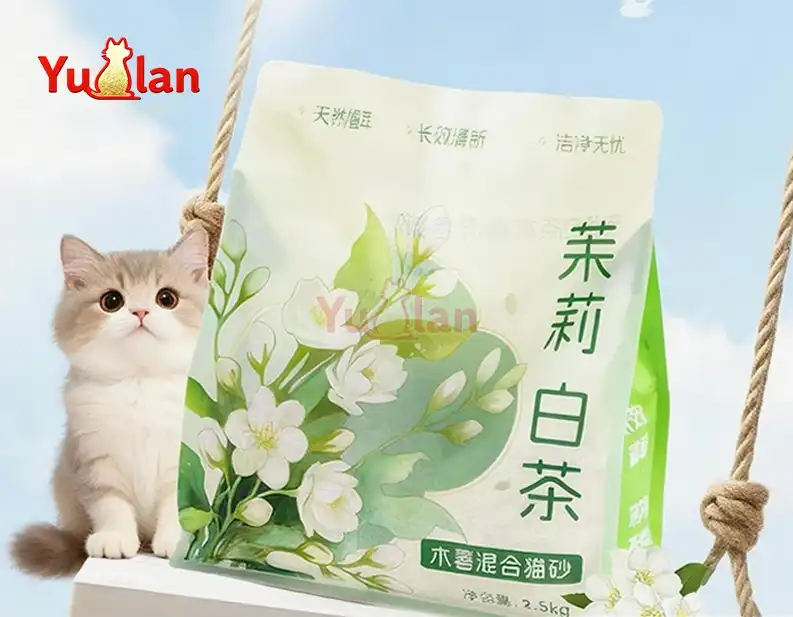
Procurement Insights: Buying Compostable Cat Litter in Bulk
Strategic Sourcing Approaches
To buy a lot of recyclable cat litter, you need to build relationships with suppliers that strike a mix between low prices, dependability, and consistent quality. When you deal directly with the maker, you can usually get the best prices and be sure that the product is real and meets quality standards. These agreements also make it possible to customize goods so that they meet the needs of specific operations.
B2B trade platforms give buyers access to a wide range of seller networks and offer comparison tools and verification services that lower the risk of buying things. But careful screening of suppliers is still needed to make sure that product quality and legal compliance are maintained across all lines of sourcing.
Volume Discount Strategies
When you buy a lot of something, you can usually save a lot of money because of bulk prices and lower handling costs. To get the best buy amounts and frequency, procurement teams should look at how much is needed each year and how much space is available. When facilities work together to buy things, they can reach number levels that individual buyers might not be able to reach on their own.
Long-term contracts and subscription plans keep prices stable and make sure that products are always available. These deals usually come with extra benefits like flexible shipping times, help with managing goods, and giving priority when supplies are low.
Logistics and Distribution Considerations
When buying heavy items like cat litter, where transportation costs make up a big part of the total cost, it's important to have good operations management. Regional distribution networks cut down on shipping costs, improve service efficiency, and lessen the damage that transportation does to the environment.
Compostable goods may have different storage needs than standard ones, especially when it comes to keeping moisture levels low and managing shelf life. The procurement team should look at what the warehouse can do and come up with ways to rotate goods that keep product quality high while keeping storage costs low.
Conclusion
Businesses that want to be both efficient and good to the environment can use compostable cat litter as a strategic chance. Plant-based options, such as tofu, cassava, and wood-based goods, can be used instead of clay litter and help companies meet their sustainability goals. To make sure that the implementation goes well and stays within budget, it's important to carefully look at things like performance traits, provider dependability, and total cost of ownership. As government pressure and customer demand for eco-friendly goods continue to rise, businesses that adopt compostable solutions early on will be better positioned to benefit from changing markets and make a real difference in protecting the environment.
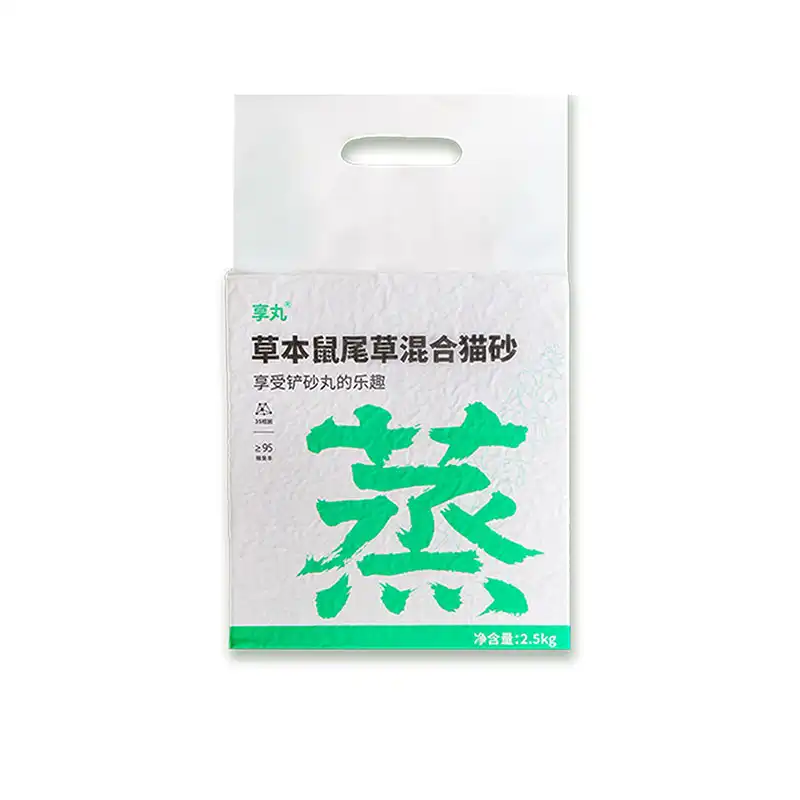
Partner with Yunlan for Premium Compostable Cat Litter Solutions
Yunlan stands as your trusted cat litter manufacturer specializing in sustainable, high-performance compostable solutions designed for global B2B procurement needs. Our comprehensive product portfolio includes innovative tofu cat litter, cassava-based formulations, and premium mixed varieties that deliver exceptional performance while supporting your environmental objectives. With over 20 years of supply chain expertise and 97 authorized patents driving continuous innovation, we provide customized solutions that meet the stringent requirements of pet retailers, veterinary facilities, and wholesale distributors worldwide. Our advanced production capabilities ensure consistent quality and reliable supply chains across more than 60 countries, backed by comprehensive technical support and competitive bulk pricing structures. Contact minghuixu6717@gmail.com today to explore our certified compostable cat litter options and discover how our proven expertise can enhance your sustainable procurement strategy while delivering measurable cost benefits and environmental impact improvements.
FAQ
Can all biodegradable cat litters be composted at home?
Some recyclable litters can't be used in home composting systems. Things like wood chips and corn-based goods can break down in home compost bins, but the temperature and processing time need to be carefully managed to keep pathogens at bay. Animal waste can be processed in a better way at commercial composting sites with temperature control and professional supervision.
How do compostable litters compare in terms of pest control?
When kept up properly, compostable litters are usually less likely to draw pests than traditional clay goods. Certain insects don't like certain chemicals that are found in natural materials like cedar. Proper composting gets rid of organic materials that might bring bugs. Pest problems are less likely to happen when things are replaced on a regular basis and stored in the right way.
Are compostable options safe for cats with respiratory sensitivities?
Many types of biodegradable litter are better for cats that are sensitive because they contain less dust and don't have any artificial scents or chemicals added to them. Products like paper and tofu-based litters usually don't release many particles into the air and keep smells under control naturally, instead of using chemicals to cover them up.
References
- Journal of Environmental Management: "Biodegradable Pet Waste Management Systems in Commercial Applications"
- International Association of Pet Product Manufacturers: "Sustainability Standards for Cat Litter Products"
- Waste Management Research Institute: "Compostability Assessment of Plant-Based Pet Care Products"
- Veterinary Environmental Health Quarterly: "Indoor Air Quality Impact of Natural vs. Synthetic Cat Litters"
- Sustainable Packaging Coalition: "Life Cycle Analysis of Eco-Friendly Pet Waste Management Solutions"
- Commercial Pet Care Facilities Management Guide: "Best Practices for Sustainable Litter Implementation"