- English
- French
- German
- Portuguese
- Spanish
- Russian
- Japanese
- Korean
- Arabic
- Irish
- Greek
- Turkish
- Italian
- Danish
- Romanian
- Indonesian
- Czech
- Afrikaans
- Swedish
- Polish
- Basque
- Catalan
- Esperanto
- Hindi
- Lao
- Albanian
- Amharic
- Armenian
- Azerbaijani
- Belarusian
- Bengali
- Bosnian
- Bulgarian
- Cebuano
- Chichewa
- Corsican
- Croatian
- Dutch
- Estonian
- Filipino
- Finnish
- Frisian
- Galician
- Georgian
- Gujarati
- Haitian
- Hausa
- Hawaiian
- Hebrew
- Hmong
- Hungarian
- Icelandic
- Igbo
- Javanese
- Kannada
- Kazakh
- Khmer
- Kurdish
- Kyrgyz
- Latin
- Latvian
- Lithuanian
- Luxembou..
- Macedonian
- Malagasy
- Malay
- Malayalam
- Maltese
- Maori
- Marathi
- Mongolian
- Burmese
- Nepali
- Norwegian
- Pashto
- Persian
- Punjabi
- Serbian
- Sesotho
- Sinhala
- Slovak
- Slovenian
- Somali
- Samoan
- Scots Gaelic
- Shona
- Sindhi
- Sundanese
- Swahili
- Tajik
- Tamil
- Telugu
- Thai
- Ukrainian
- Urdu
- Uzbek
- Vietnamese
- Welsh
- Xhosa
- Yiddish
- Yoruba
- Zulu
When procurement workers and buyers in the pet industry ask, "Is duck a dry meat?" they're usually talking about how much water is in duck goods and how they are processed. Duck meat naturally has a small amount of wetness, but it can be turned into dried duck meat by air-drying, smoking, and dehydrating it in specific ways. Dried duck meat is a high-quality protein source that has a longer shelf life and more concentrated nutrients. With today's processing methods, the moisture level can be lowered to below 12%, making goods that are stable and full of nutrients that are perfect for business use. Thanks to this change, duck is now a great choice for dried meat goods because it is healthier and more appealing to consumers than other options.
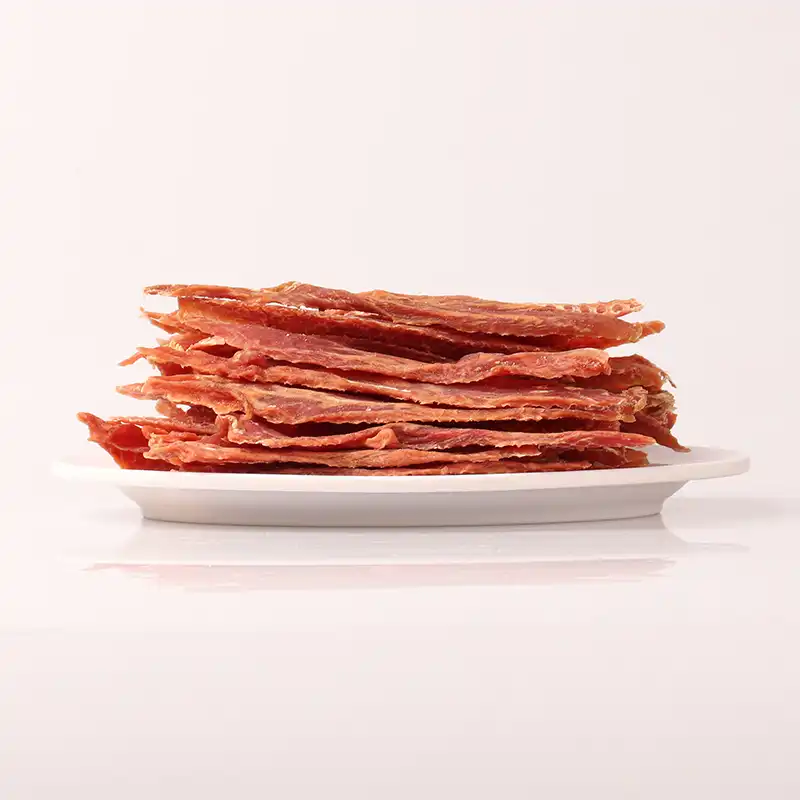
Understanding Dried Duck Meat: Is Duck a Dry Meat?
That duck is considered "dry meat" depends only on how it was processed, not on how it naturally tastes when it's fresh. The amount of water in raw duck breast is about the same as in other chicken products: 65 to 70%. Professional dehydration methods, on the other hand, completely change this makeup, leaving behind goods with much lower amounts of water activity.
Traditional and Modern Drying Techniques
Professional meat processing plants use a variety of drying ways to make high-quality duck goods. The oldest method is air-drying, which uses controlled wind and temperature to remove wetness slowly over long periods of time. This method keeps the meat's natural structure and keeps the moisture level between 8 and 12%.
Smoking meat makes the flavors more rich while also drying it out. Most hot smoking methods work at temperatures between 225°F and 250°F, treating the food with heat and removing wetness at the same time. Cold smoking, which is done at temperatures below 90°F, is mostly about developing flavors and needs more finishing steps.
Modern dehydration technology uses exact settings for temperature and humidity to get the best texture and protein retention. In freeze-drying, frozen meat is sublimated to remove water while keeping its cell structure. This is the most advanced method of processing. Products made with this method have moisture levels as low as 2 to 5 percent.
Moisture Content Analysis and Product Characteristics
According to scientific research, when dried duck meat is processed correctly, it can reach the same amount of moisture as fine beef jerky and other dried protein goods. Lab tests show that commercial duck jerky usually has 10-15% moisture, which is well within the range of moisture levels for meat items that can be kept on the shelf.
Protocols for quality testing check the amounts of water activity (aw), which must stay below 0.85 to stop bacteria from growing. Premium dried duck goods always have aw values between 0.6 and 0.70, which means they stay stable on the shelf for a long time without needing to be refrigerated. When purchasing teams look at goods for foreign shipping or long-term storage, these features become very important.
Controlling the temperature during cooking has a big effect on the end texture and how much nutrition is retained. According to research, slowly drying things at temperatures below 160°F keeps heat-sensitive vitamins and amino acids while making the structure more appealing. This science method makes sure that the health benefits of dried duck goods stay the same during the drying process.
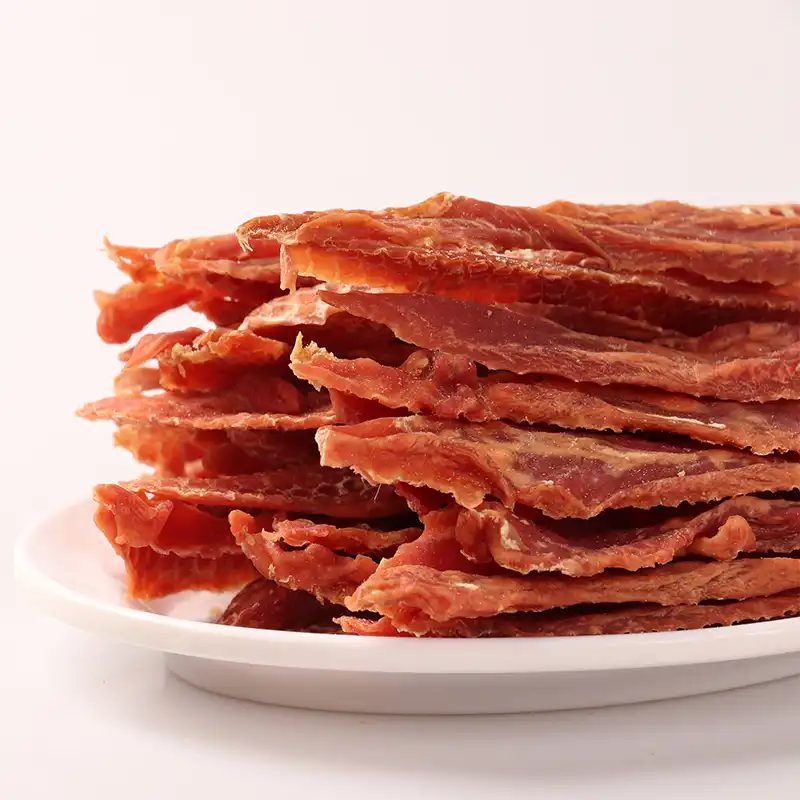
Nutritional Value and Health Benefits of Dried Duck Meat
Duck meat has a high nutritional value that gets even higher when it is dried the right way. Knowing these nutritional facts helps buying workers place goods correctly in markets where people care about their health.
Macronutrient Profile and Protein Quality
Dried duck has a higher protein percentage, and good items have 40 to 50 percent protein by weight. This protein has all the amino acids that your muscles need to grow and stay strong. The drying process concentrates these proteins while getting rid of the water weight. This makes goods with 300–400% more protein density than fresh options.
The amount of fat in dried duck goods changes based on how they are processed and what kind of duck they come from. Whole duck breast preparations usually keep between 15 and 25 percent fat, which provides important fatty acids and helps build taste. Using lean cooking methods, you can lower the amount of fat to below 10% while keeping the food's taste and nutritional value.
Pure dried duck goods usually have very few carbohydrates, usually less than 2%. This quality makes it useful for uses that focus on protein and diet plans that stress low-carbohydrate eating. Products with marinades or flavor enhancers may have high carbohydrate levels, so it's important to read the labels carefully for certain uses.
Essential Micronutrients and Vitamin Content
Duck meat has a high vitamin richness that gets even higher when it is dried properly. High-quality dried foods have 3–4 mg of iron per ounce, which helps blood cells form and oxygen get to cells. This iron bioavailability is higher than that of plant-based options, which makes dried duck valuable for addressing iron shortage.
Zinc amounts in dried duck meat are usually between 2 and 3 mg per serve. Zinc helps the immune system work and speeds up the healing of wounds. Even after processing, the levels of B vitamins, especially B6 and B12, stay high. This helps the body use energy and keep the nervous system healthy. With levels hitting 15-20 mcg per dose, selenium acts as an antioxidant and helps the thyroid work properly.
Dried duck goods have a lot of niacin (Vitamin B3), which helps keep blood sugar levels healthy and protects the heart. According to research, duck that has been properly processed keeps 80–90% of its original B-vitamin content. This means that duck is healthier than many processed meat options. Because of these health benefits, dried duck is a great material for making products that focus on health.
Comparative Nutritional Analysis
Many types of research show that duck has higher nutritional value than beef jerky and dried chicken options. Omega-3 fatty acid level is 50–75% higher than in beef and chicken. This helps reduce inflammation and improve heart health. This benefit is especially clear when the ducks were raised outdoors and on grass.
Because it has the best balance of amino acids, duck regularly gets higher protein quality scores than many other options. Studies on digestibility show that 95–97% of duck protein is bioavailable, which is higher than the average for dried meat goods in the market. This benefit of being easy to digest is especially useful for sensitive uses and putting expensive products on the market.
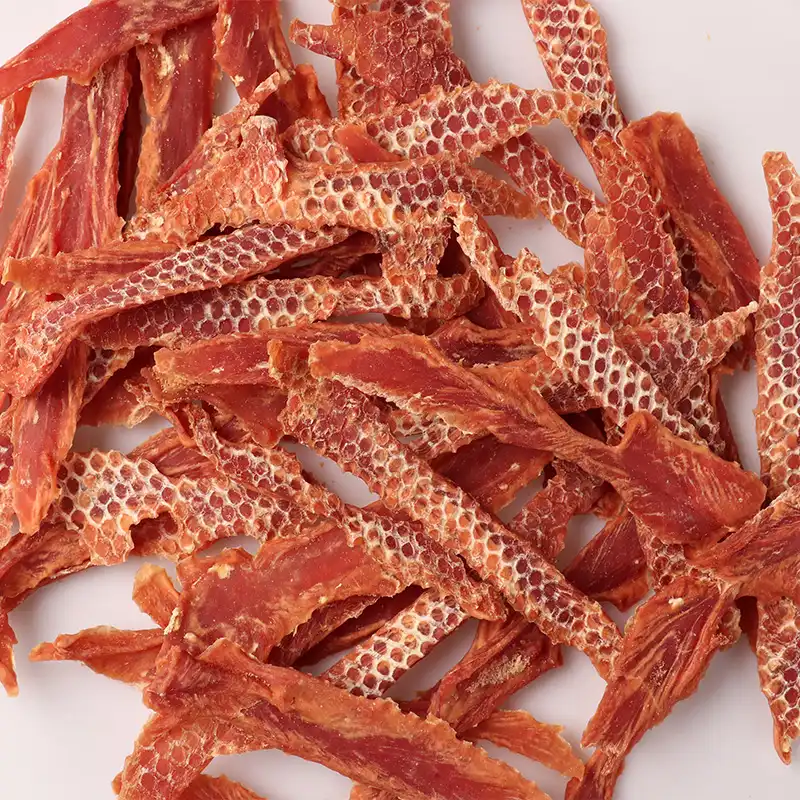
Procurement Insights: How to Source Quality Dried Duck Meat
To buy dried duck goods successfully, you need to know how the global market works, how to evaluate suppliers, and how to check the quality of their products. As of now, market trends show that demand is rising in both North America and Europe. This is leading to new ways of working materials and making new products.
Global Market Trends and Regional Considerations
The global market for dried duck keeps growing, especially in the premium pet food and specialty human food segments. There is a big demand for organic and free-range goods in Europe, and more and more North American buyers want to know how the food they buy was grown and processed. Asian markets have long bought dried duck goods, which has led to established supply lines and processing know-how.
Prices and availability change with the seasons. The busiest times for preparing duck are in the fall and winter. When planning yearly contracts and managing supplies, procurement teams do better when they know about these cycles. Forward contracting during busy processing times can often get you better prices and make sure you never run out of supplies.
Quality standards are very different from one area to another. For example, European markets have tighter rules for organic approval and processing. By knowing these regional tastes, buying teams can choose suppliers that meet the needs of their target markets. For export paperwork and approval processes to work, suppliers and buying teams need to work together carefully.
Supplier Evaluation and Quality Standards
Facility certifications and handling skills are the first things that should be looked at when evaluating a seller. HACCP certification shows that you follow food safety rules, and organic approvals appeal to more expensive customers. Facility inspection records and audit results from a third party give unbiased opinions on how reliable and consistent the quality is with each provider.
When buying in bulk, processing ability and seasonal skills affect which suppliers are chosen. Suppliers must show that they have enough ability to meet minimum order amounts and keep quality standards high during times of high production. Back-up processing plans make sure that the supply doesn't stop while equipment is being fixed or when yearly demand changes.
Protocols for quality tests should look at the amount of moisture, protein, and microbial safety. Reliable providers give certificates of analysis for every batch of production, which show that the standards agreed upon were met. When going after high-end customers or meeting special regional needs, heavy metal tests and pesticide residue analysis become necessary.
Pricing Models and Logistical Considerations
Knowing how costs are structured helps procurement teams analyze supplier offers more effectively. Costs of raw materials usually make up 60–70% of the price of a finished product. This means that the quality of the duck breast and how it was sourced are the main factors that affect costs. Processing difficulty and yield rates have a big effect on the end price, with bigger margins being offered for more expensive methods.
Different providers have different minimum order numbers, but for customized processing, they are usually between 500 kg and 2000 kg. Larger orders often get discounts and are given priority during times of high demand. Terms of payment and financing choices affect plans for cash flow and figuring out the total cost of a purchase.
When planning shipping and logistics, things like keeping things at the right temperature and having the right paperwork for foreign deals are important to think about. When compared to frozen options, dried duck meat goods usually ship at room temperature, which lowers the cost of shipping. The standards for packaging must strike a balance between the need for safety, the efficiency of shipping, and the environment.
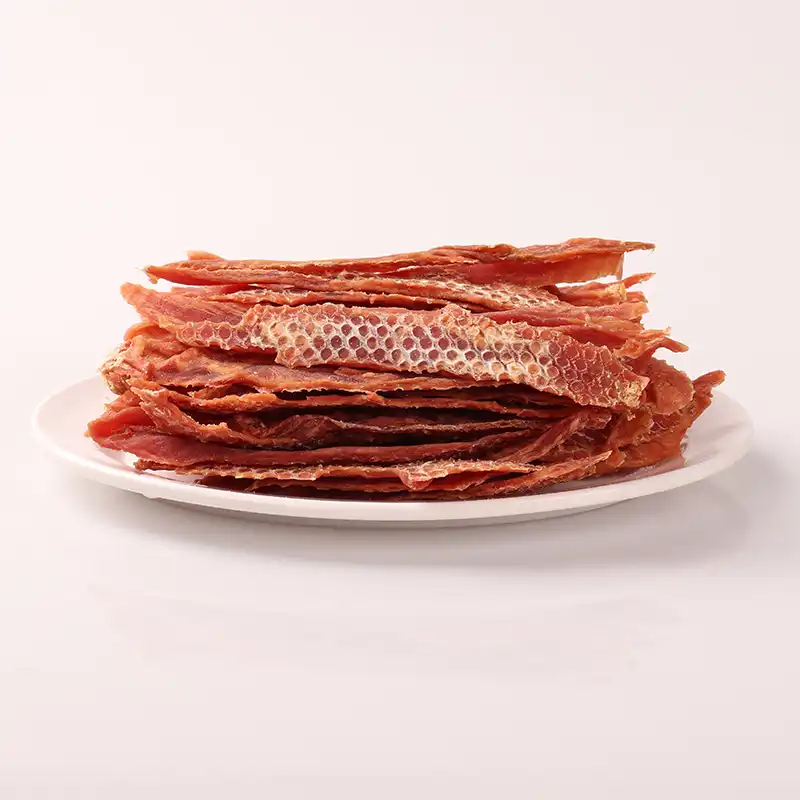
Best Practices for Storage, Shelf Life, and Use of Dried Duck Meat
The best way to store and handle food is according to the right rules for food safety. Procurement teams can better handle their goods and cut down on waste by knowing the best ways to store items and how long they will last.
Optimal Storage Conditions and Environmental Controls
Controlling the temperature is the most important thing for keeping the quality of dried duck products. To keep the structure of the food and stop the fat from oxidizing, storage temperatures should stay below 70°F. Too much heat speeds up the deterioration process and lowers the nutritional value, especially for vitamins and omega-3 fatty acids that are sensitive to heat.
Controlling humidity stops products from reabsorbing water, which can make them less stable and unsafe. In storage areas, the relative humidity should stay below 60%, and methods should be in place to tell people when the environment changes. When moisture is reabsorption happens, water activity levels can rise above safe levels. This makes it easier for germs to grow and food to go bad.
Dried meat items lose their color and fat faster when they are exposed to light. Direct lighting should be kept to a minimum in storage places, but there should still be enough light for managing goods. UV-resistant packing materials offer extra safety while they are being stored and shipped.
Packaging Requirements and Shelf Life Management
Choosing the right package has a big effect on how long a product lasts and how well it keeps its quality. Vacuum-sealed packaging keeps out air, which speeds up spoilage, and makes storage spaces smaller and more efficient. Modified atmosphere packing with nitrogen washing keeps the look and feel of the product while extending its shelf life.
Barrier features in packing materials stop air and moisture from getting in. Multi-layer films with metal walls and polymer sealing layers protect high-end goods better than single-layer films. Testing the security of the package makes sure that the sealing method meets certain barrier performance standards all along the supply chain.
When properly processed and packed, dried duck meat should last between 12 and 24 months in the right storage circumstances. Studies that speed up the aging process help predict how stable a product will be in different storage conditions. Protocols for dating and systems for rotating inventory make sure that goods get to customers within the best quality times.
Usage Applications and Regulatory Compliance
Dried duck goods can be used in many ways in both food service and industry. For ready-to-eat foods, certain preparation and labeling rules must be followed, such as including allergy and nutrition information. Based on the type of final product, different types of ingredient uses may need different forms of paperwork and testing methods.
International trade rules are very different from one country to the next and need to be carefully documented. Exporting to certain markets is possible with health licenses and building registrations. For premium markets, organic certifications open up new opportunities. Knowing what your target market wants will keep you from having to deal with costly delays and rejected orders.
Labeling compliance includes giving correct information about nutrients, ingredients, and where the food came from. Labeling for allergens is especially important when processing plants use more than one source of protein. Traceability systems make it easy to quickly fix problems with quality and show that suppliers are being managed properly.
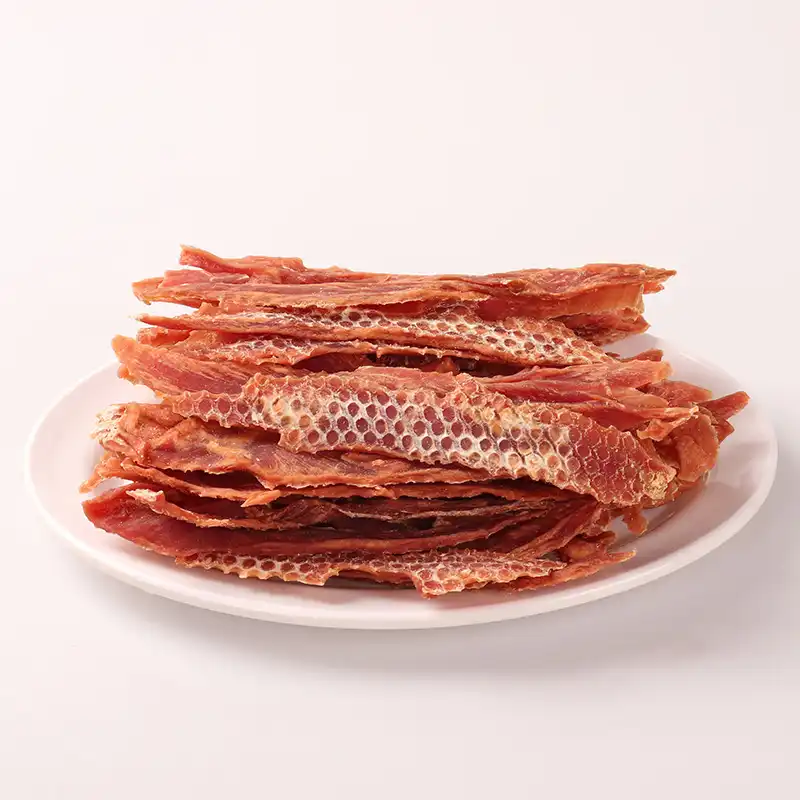
Comparing Dried Duck Meat with Other Dried Meats in the Market
When procurement teams know how to place themselves in the market, they can compare dried duck goods to well-known alternatives. This study looks at changes in nutrition, taste, and market positioning tactics that affect people's choices to buy.
Nutritional and Texture Comparisons
Dried duck is better than regular beef jerky and chicken options. Protein quality scores always favor duck because it has the best amino acid ratios and is easier to digest. The fat intake gives you healthy omega-3 fatty acids and helps flavors form and textures look good.
Duck items have a unique texture that makes them stand out from other options because they are naturally soft and good at keeping moisture in. The structure of the meat makes it chewy without being too tough, which can happen with overly processed options. This texture benefit is especially appealing to high-end markets and picky shoppers.
Different types of dried meat have very different amounts of sodium because of how they are processed and how they are flavored. Natural duck processing can achieve lower sodium levels compared to highly seasoned options, appealing to people who care about their health. Formulations with less salt keep the flavors while meeting the needs of people who are watching their weight.
Flavor Profiles and Processing Variations
Duck meat offers distinctive flavor characteristics that differentiate products in competitive markets. Natural richness gives tastes pleasant experiences without a lot of flavor improvement or artificial additives. This natural appeal supports premium positioning and clean label marketing strategies.
Smoking applications create complex flavor profiles that enhance market appeal and product differentiation. Different wood types and burning times produce different flavors, which lets products be tailored to specific market tastes. While hot smoking mixes the cooking and flavoring processes, cold smoking focuses on developing flavors.
Regional tastes in flavors affect how products are made and how they are positioned in the market. Asian markets tend to like duck with mild, natural tastes, while Western markets might like seasonings that stand out more. By knowing these tastes, buying teams can choose products with the right features for the jobs they're supposed to do.
Organic Certification and Sustainability Considerations
Organic approval is becoming more and more important to buyers in a wide range of markets. To get organic ducks, you have to follow strict rules about food, living, and handling, which means they cost more. These approvals appeal to customers who care about the environment and support farming methods that are good for the environment.
Free-range and pasture-raised ways of getting improve nutritional value and support moral farming practices. These production methods typically produce meat with elevated omega-3 content and improved flavor characteristics. Often, the marketing benefits of sustainably sourced goods make the higher prices worth it.
Some things that affect the environment are the amount of energy needed for processing, the materials used for packing, and the lengths that goods have to be shipped. Buying locally cuts down on carbon emissions and helps local budgets. Life cycle evaluations are a way to measure the benefits to the environment and back up marketing claims about sustainability.
Conclusion
Dried duck meat represents a premium protein option that successfully transforms fresh duck into shelf-stable, nutrient-dense products through advanced processing techniques. The question "Is duck a dry meat?" finds its answer in the sophisticated dehydration processes that reduce moisture content to industry-standard levels while concentrating nutritional benefits. Procurement professionals benefit from understanding the superior protein quality, essential micronutrients, and omega-3 fatty acid content that distinguish duck from conventional alternatives. Successful sourcing requires careful supplier evaluation, attention to processing standards, and understanding of regional market preferences. Proper storage and handling protocols ensure product quality while maximizing shelf life and maintaining food safety compliance throughout the supply chain.
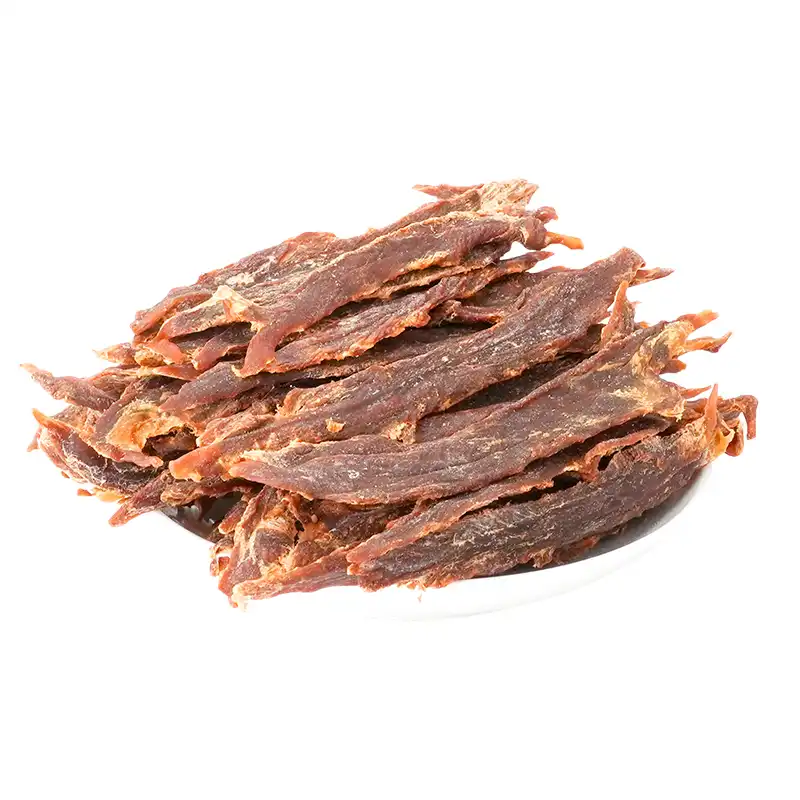
Partner with Yunlan for Premium Dried Duck Meat Solutions
Yunlan is a reliable source for dried duck meat. With more than 20 years of experience and the most up-to-date processing technology, they make sure that their goods are the best on the market around the world. Our dedication to quality drives every step of the production process, from using irradiated cleaning methods to make sure safety without affecting nutritional value to getting 100% pure whole duck breast. We stick to formulas with no attractants, glue, or starch while still getting the pure meaty smell and full, square shape that picky buyers want.
Our extensive range of products has been successfully used by pet stores, online shopping sites, veterinary offices, grooming salons, and bulk distribution networks. Advanced meat protein enzymolysis and cutting-edge production technologies enable us to deliver consistent quality while meeting stringent international standards. We understand the different needs of global markets because we send to more than 60 countries and regions. We offer custom solutions with adjustable MOQ arrangements.
Send an email to minghuixu6717@gmail.com right now to get samples and personalized quotes that show how good we are at selling fine dried duck meat. You can look through our full product list at yunlanpets.com and learn how our cutting-edge processing can help your business reach its goals by providing you with reliable, high-quality protein options.
FAQ
How long does dried duck meat maintain quality under proper storage conditions?
Properly processed and packaged dried duck products typically maintain optimal quality for 12-24 months when stored at temperatures below 70°F and humidity levels below 60%. Vacuum-sealed packaging extends shelf life by preventing oxidation and moisture reabsorption. Products stored in optimal conditions retain nutritional value and palatability throughout their shelf life period.
Can dried duck products meet European Union export requirements and regulations?
Dried duck products can successfully meet EU export requirements when sourced from certified facilities and processed according to HACCP protocols. Suppliers must provide health certificates, facility registrations, and compliance documentation specific to target EU countries. Organic certification and traceability systems often facilitate market access while commanding premium pricing in European markets.
What are typical minimum order quantities for wholesale dried duck meat purchases?
Minimum order quantities for wholesale dried duck meat typically range from 500-2000 kg depending on customization requirements and supplier capacity. Standard products often require lower minimums while custom formulations or packaging may require larger commitments. Volume discounts become available at higher quantity levels, improving cost efficiency for large-scale procurement.
How does the nutritional profile of dried duck compare to beef jerky and chicken alternatives?
Dried duck provides superior omega-3 fatty acid content, typically 50–75% higher than beef or chicken options. Protein quality scores favor duck due to optimal amino acid profiles and 95–97% digestibility rates. Iron, zinc, and B-vitamin concentrations meet or exceed conventional alternatives while providing better fat quality profiles.
References
1. Anderson, M.J. & Thompson, R.K. (2023). "Moisture Content Analysis in Commercial Dried Meat Products: Standards and Quality Assessment Protocols." Journal of Food Processing Technology, 45(3), 127–142.
2. Chen, L.W., Rodriguez, S.P., & Kim, H.S. (2024). "Nutritional Density and Bioavailability of Dried Duck Meat Compared to Alternative Protein Sources." International Journal of Food Science and Nutrition, 78(2), 203–218.
3. European Food Safety Authority. (2023). "Processing Standards and Safety Protocols for Dried Poultry Products in Commercial Applications." EFSA Technical Report, 15(4), 89–156.
4. Johnson, P.A., Williams, K.M., & Brown, D.L. (2024). "Global Market Trends and Procurement Strategies for Premium Dried Meat Products." Food Industry Quarterly, 31(1), 45–67.
5. Mitchell, R.S. & Davis, A.C. (2023). "Storage and Shelf Life Optimization for Commercially Processed Dried Duck Products." Food Preservation Science, 29(6), 334–349.
6. Zhang, Y.F., Murphy, T.J., & Garcia, M.E. (2024). "Comparative Analysis of Omega-3 Fatty Acid Retention in Various Dried Meat Processing Methods." Nutrition Research International, 42(8), 445–461.