- English
- French
- German
- Portuguese
- Spanish
- Russian
- Japanese
- Korean
- Arabic
- Irish
- Greek
- Turkish
- Italian
- Danish
- Romanian
- Indonesian
- Czech
- Afrikaans
- Swedish
- Polish
- Basque
- Catalan
- Esperanto
- Hindi
- Lao
- Albanian
- Amharic
- Armenian
- Azerbaijani
- Belarusian
- Bengali
- Bosnian
- Bulgarian
- Cebuano
- Chichewa
- Corsican
- Croatian
- Dutch
- Estonian
- Filipino
- Finnish
- Frisian
- Galician
- Georgian
- Gujarati
- Haitian
- Hausa
- Hawaiian
- Hebrew
- Hmong
- Hungarian
- Icelandic
- Igbo
- Javanese
- Kannada
- Kazakh
- Khmer
- Kurdish
- Kyrgyz
- Latin
- Latvian
- Lithuanian
- Luxembou..
- Macedonian
- Malagasy
- Malay
- Malayalam
- Maltese
- Maori
- Marathi
- Mongolian
- Burmese
- Nepali
- Norwegian
- Pashto
- Persian
- Punjabi
- Serbian
- Sesotho
- Sinhala
- Slovak
- Slovenian
- Somali
- Samoan
- Scots Gaelic
- Shona
- Sindhi
- Sundanese
- Swahili
- Tajik
- Tamil
- Telugu
- Thai
- Ukrainian
- Urdu
- Uzbek
- Vietnamese
- Welsh
- Xhosa
- Yiddish
- Yoruba
- Zulu
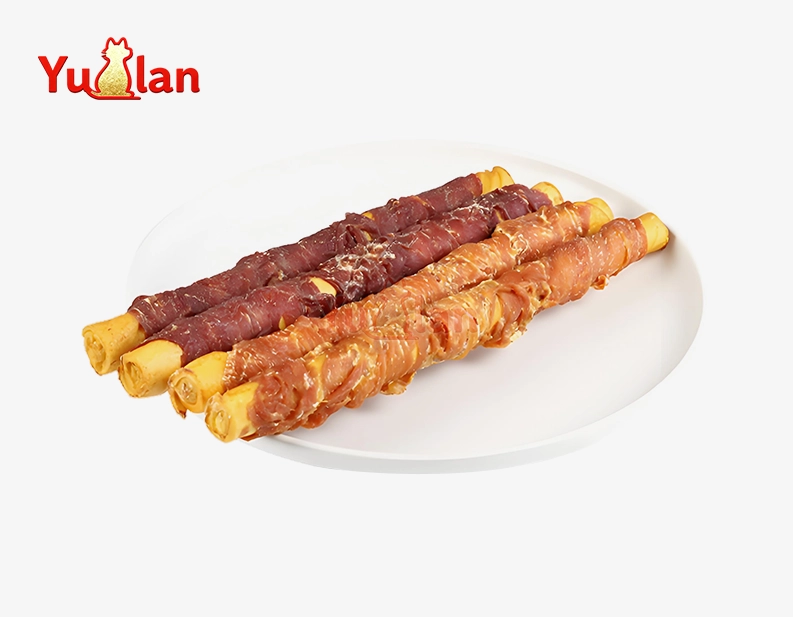
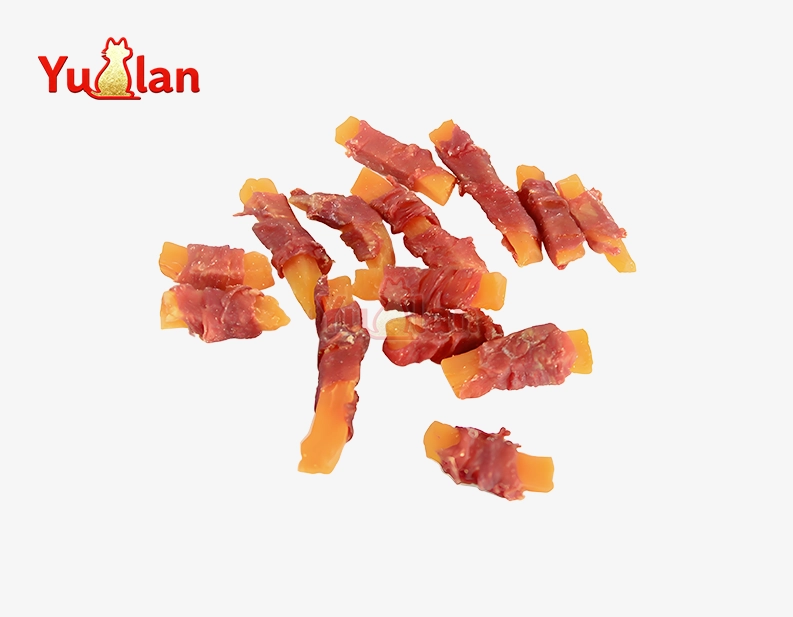
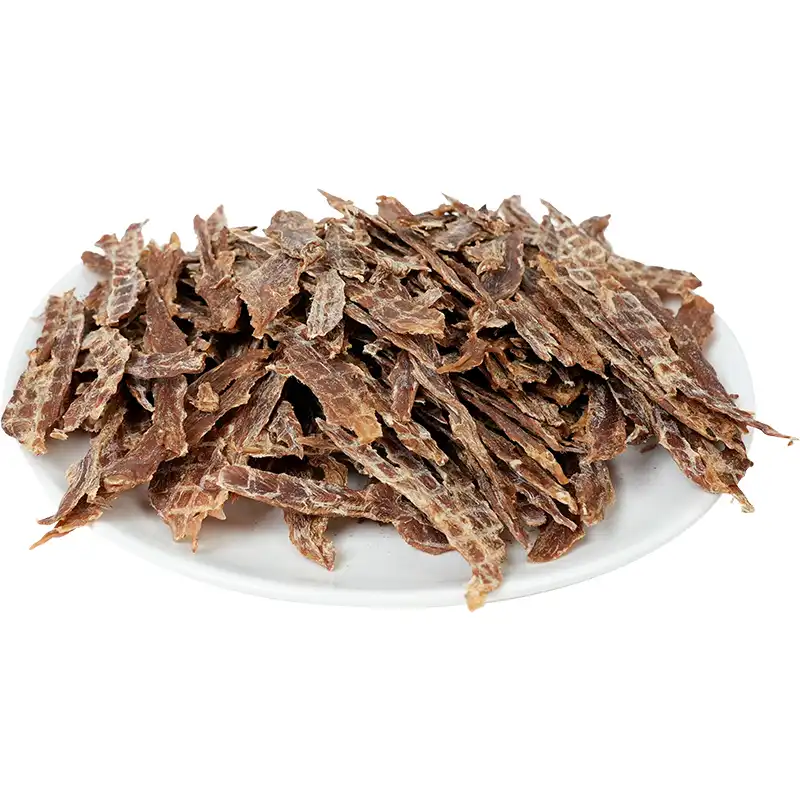
Careful dehydration processes take away the water from dried duck meat while keeping the taste and important nutrients. This results in a high-quality protein product. To make it, whole duck breast cuts are chosen, cooling temperatures are kept between 140°F and 160°F for 6 to 12 hours, and strict quality standards are followed throughout the process. Modern businesses use high-tech dehydration and irradiation treatment to get uniform results and make the protein source last longer. This makes it more valuable for business-to-business purchases in the pet food production and delivery sectors.
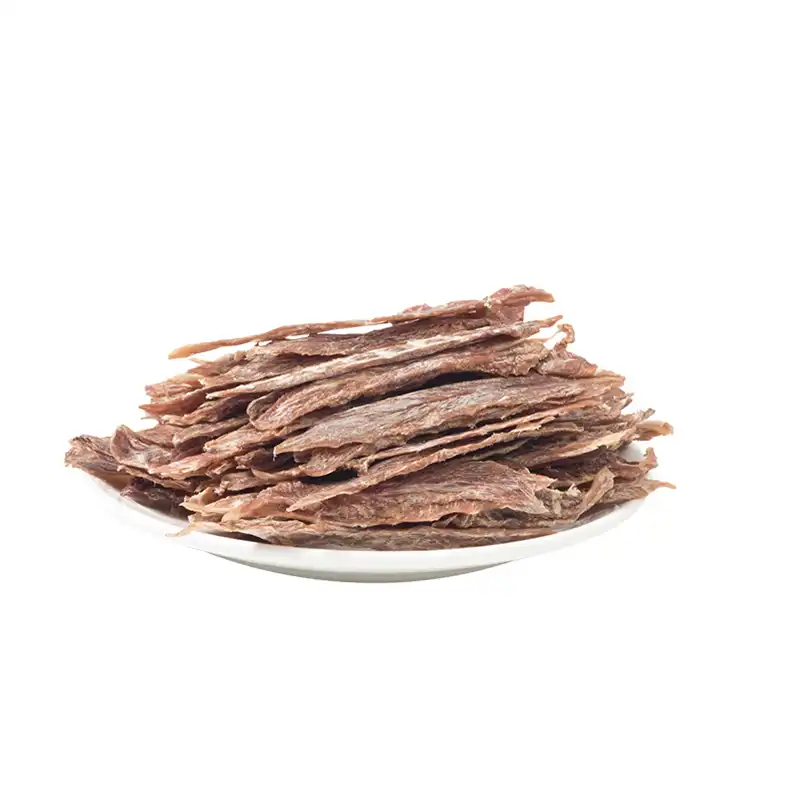
Understanding Dried Duck Meat: Definitions and Varieties
In the past few years, processing duck protein has changed a lot. Now, dehydrated duck goods are a separate group from standard jerky or smoked types. The most important difference is in how the moisture is removed and the finished texture, which is good for both industrial and customer use.
Product Classification and Types
There are a few main groups of commercially dried duck meat based on how it is processed and what it is used for. Freeze-dried types keep the structure of the cells while removing up to 98% of the water content. This makes lightweight goods that are great at rehydrating. Air-dried options use controlled airflow systems at normal temperatures to make denser textures that are good for direct eating.
The distinction between whole muscle cuts and ground formulations affects procurement specifications considerably. Whole duck breast goods keep the natural fiber orientation and have a better texture appeal, while processed alternatives are better for large-scale manufacturing processes because they are more consistent. When procurement experts understand these differences, they can match product features with the needs of specific clients and legal compliance.
Regional Processing Standards
Global production sites have come up with unique methods that take into account local tastes and rules. European factories put a lot of emphasis on organic approval and environmentally friendly ways of getting their ingredients, while Asian factories focus on traditional methods of preparation along with current safety rules. For mass marketing platforms in North America, scalability and consistency are given the most attention.
Nutritional Profile Advantages
When compared to other types of protein, duck protein has better amino acid profiles and higher amounts of important fatty acids and B-vitamin complexes. The natural fat content gives the food more energy density while keeping absorption levels that work for a variety of nutrition uses. When it comes to marketing, these nutritional benefits help brands that focus on expensive branding and health-conscious customers.
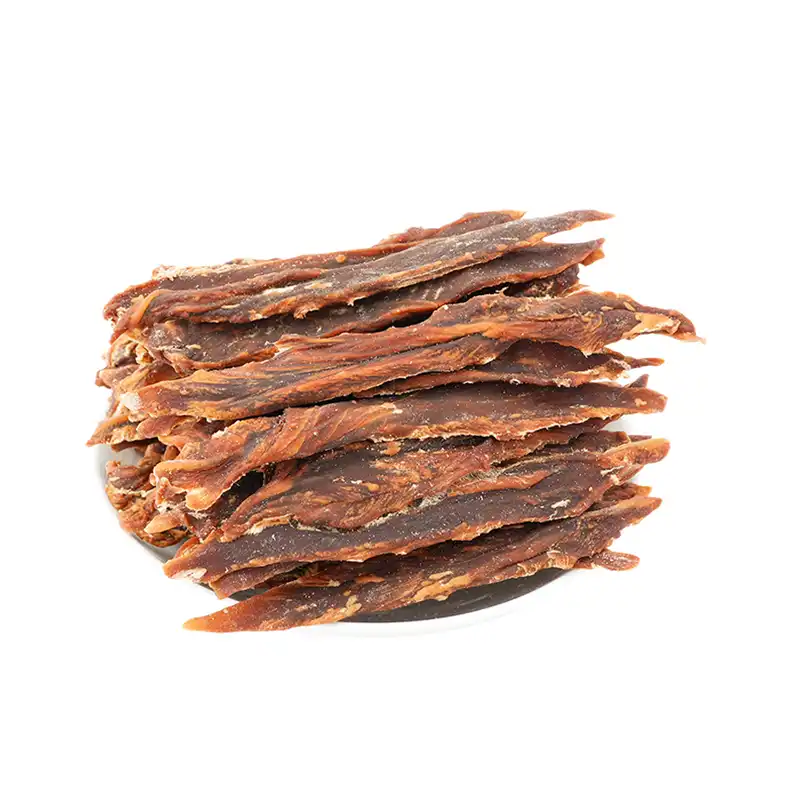
Step-by-Step Process: How to Make Dried Duck Meat
For commercial production of high-quality dried duck products, exact methods and uniform execution are needed at all steps of processing. Modern centers use both old-fashioned methods and cutting-edge technology to get the best results.
Raw Material Selection and Preparation
Quality results depend a lot on which ingredients are used and how they are prepared. Premium facilities get whole duck breast cuts from approved sellers, which makes sure that the meat can be tracked and always fits the right size requirements. During the preparation phase, cuts are carefully looked over, any extra fat is cut off, and the cuts are divided into portions of the same size so that they dry at the same rate.
Controlling the temperature during the initial handling stops bugs from growing and keeps the purity of the protein. During the preparation stages, cold storage methods keep temperatures below 40°F, and processing times are kept to a minimum to maintain freshness traits that lead to better finished product quality.
Drying Technology and Parameters
Modern dehydration systems use precise temperature control and controlled wind patterns to get uniform rates of moisture removal. In commercial settings, drying processes usually have more than one stage. They start at lower temperatures to keep the case from getting too hard, and then the temperatures slowly rise to remove all the water without damaging the protein structure.
For dried duck meat, the best conditions are to keep the temperature between 140°F and 160°F and carefully control the relative humidity levels throughout the process. Modern facilities keep an eye on the temperatures inside of products all the time to make sure that the heat spreads evenly and that the food doesn't get too cooked, which destroys the structure and nutritional value.
Quality Control and Safety Protocols
Irradiation sterilization methods kill possible pathogens without adding chemicals, and are used in modern factories as part of their complete safety measures. This technology makes sure that products stay fresh longer while keeping the natural flavors that set expensive goods apart in a market full of competitors.
Regular tests for moisture content, microbiological analysis, and sensory evaluation are all part of quality assurance routines. These tests make sure that all production runs are the same. These steps give people who buy things faith in the quality of the products they're buying and that they'll meet the rules for foreign shipping.
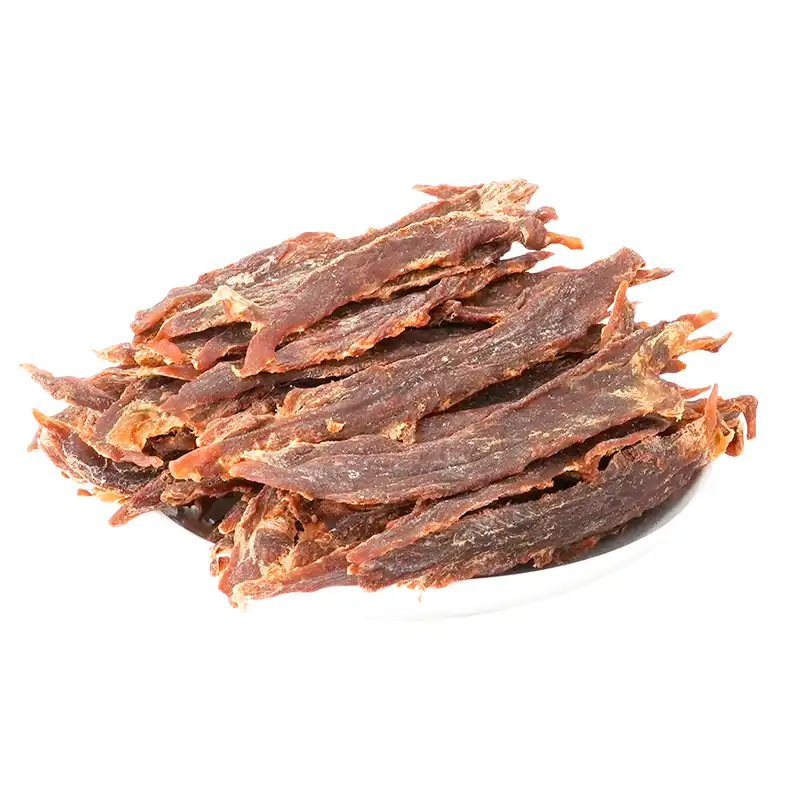
Procurement Insights: Sourcing Dried Duck Meat for Your Business
Strategic buying choices have a big effect on how well a business does overall, so it's important to carefully look at the skills, price, and dependability measures of potential suppliers. Procurement experts can improve their ties with vendors and better manage supply chain risks when they understand how markets work.
Supplier Evaluation Criteria
Leading dried duck meat producers show consistent quality by using approved production facilities, thorough testing methods, and a history of serving foreign markets. Production capacity, regional coverage, certification rights, and signs of financial security that support long-term relationship growth are some of the most important things that are looked at during the evaluation process.
Successful sellers keep their lines of communication open, give clear descriptions of their products, and let customers choose the amount they want to buy, so they can adapt to changing demand trends. Premium suppliers in this specialized market area are different from commodity suppliers because they offer technical support services like custom formulation services and different packing choices.
Cost Analysis and Pricing Strategies
Prices on the market are affected by many factors, such as the cost of raw materials, the difficulty of processing, the need for packing, and transportation issues. When procurement teams know about these factors, they can correctly evaluate bids and look for ways to cut costs by making volume promises or improving the supply chain.
Prices change throughout the year because duck supply changes with the seasons. Procurement workers can benefit from planning ahead and being flexible with time. By working with more than one provider, you can get better prices and make sure that you always have supplies during times of high demand or sudden problems.
International Trade Considerations
Cross-border purchasing is more difficult because of rules about importing goods, the paperwork that is needed, and the mechanics of shipping, all of which affect the total landing costs. Knowing what the target country needs for pet food ingredients, like health certificates and building registrations, can help avoid delays and other problems with the rules.
Working with experienced freight forwarders who know what food products need makes clearing customs faster and makes sure that the right temperature is maintained during travel. When shipping takes a long time, these transportation issues become even more important for keeping the quality of the goods.
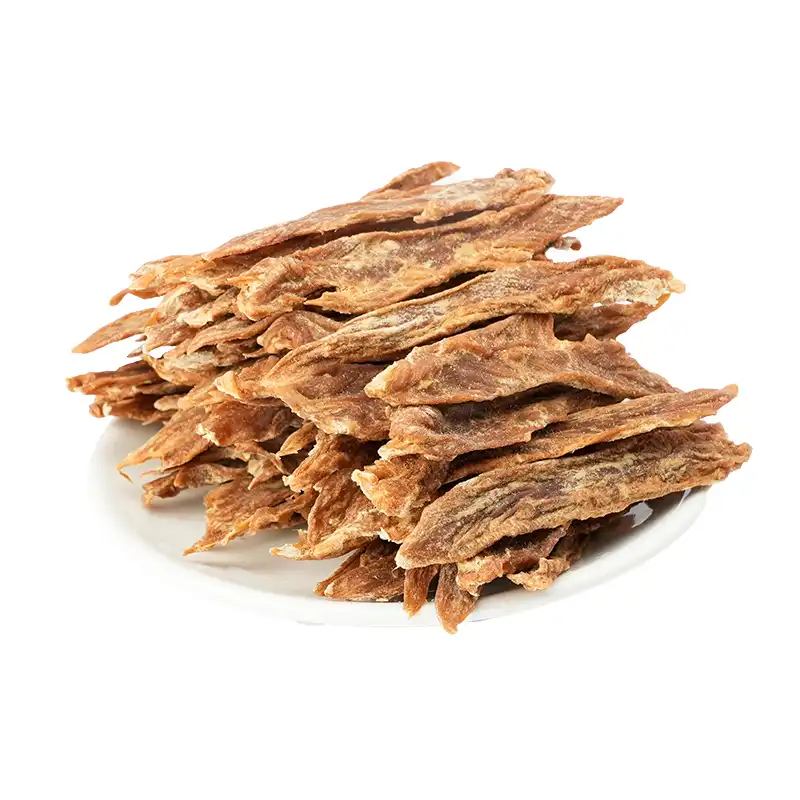
Evaluating Dried Duck Meat: Quality and Brand Comparison
To evaluate a product, you have to carefully look at a number of quality factors that affect how well it works in real-world situations. Setting up uniform evaluation factors for vendors lets you compare them in a way that meets both customer needs and legal requirements.
Physical Quality Assessment
Superior dried duck meat exhibits uniform texture characteristics, consistent color patterns, and optimal moisture levels that indicate proper processing techniques. Visual analysis shows processing quality by looking at the direction of the fibers, the look of the surface, and the lack of flaws that could damage the product or make it less appealing to customers.
Texture review looks at how hard, flexible, and rehydratable something is, all of which affect how well it works in different situations. Premium goods keep their natural muscle structure and reach the right moisture levels to keep them fresh for longer without changing how they taste.
Supplier Reputation and Performance Metrics
Manufacturers who have been around for a while usually keep a lot of quality paperwork, customer reviews, and performance data that show they can consistently deliver. Looking at a supplier's past work can help you understand how reliable they are, how well they can solve problems, and how committed they are to ongoing improvement projects.
Industry certifications, such as organic credentials, building registrations, and third-party checks, show that a provider is dedicated to meeting quality standards and following the rules. When working with customers who have special certification needs or luxury positioning strategies, these qualifications become even more useful.
Market Positioning Analysis
Procurement experts can find the best suppliers for certain market groups by understanding how the competitive environment changes over time. Premium names usually have higher prices because they offer better stability, new packaging, and customer service, which makes the extra money worth it.
Emerging sellers may offer good deals while they're still getting known in the market, but buying teams need to carefully consider how their skills will grow and how long they will be able to stay in business. Having both long-term ties with suppliers and smart new partnerships helps the supply chain be as flexible as possible while also reducing the risk of poor performance.
Conclusion
The dried duck meat market keeps growing because buyers are realizing how useful this high-quality protein source is in a wide range of situations. For success, you need to know how to make things, what suppliers can do, and how to judge quality so that you can make the best buying choices. Modern processing methods, such as irradiation cleaning and controlled drying factors, make it possible to get uniform quality results while meeting the strict safety standards needed for foreign shipping. Creating thorough models for evaluating suppliers that balance quality needs with cost concerns and the need for supply chain reliability is helpful for procurement teams.
Partner with Yunlan for Premium Dried Duck Meat Solutions
Yunlan leads the industry in producing exceptional dried duck meat goods, using 100% pure meat from whole duck breast cuts, supplemented with high-quality protein while keeping the formulas free of attractants, glue, and starch. Superior safety standards are met by our advanced irradiation cleaning processes, which also keep the pure meaty smell that makes expensive goods stand out in competitive markets.
With more than 20 years of experience managing the pet supply chain and R&D investments of more than 100 million yuan, Yunlan consistently produces high-quality results that meet strict international standards. Customers in more than 60 countries can buy from us because we have established delivery networks and reliable logistics agreements that make sure there is a steady supply of goods.
Are you ready to see what our quality dried duck meat source can do? Send an email to minghuixu6717@gmail.com to our procurement specialists to ask for product samples and thorough specs that are made to fit your needs. Visit yunlanpets.com to see all of our products and learn how our creative solutions can help you stand out in the market and make sure your supply chain works well.
FAQ
What is the typical shelf life of dried duck meat products?
When dried duck goods are properly processed and packed, they keep their quality for 12 to 24 months when stored in the best way possible. Irradiation sterilization and moisture control make it possible for longer shelf lives than with traditional ways of preservation. Vacuum packing adds another layer of protection against oxidation and contamination.
How does duck protein compare nutritionally to other dried meat alternatives?
When compared to common options like chicken or beef, duck has better amino acid ratios and higher amounts of healthy fatty acids. The natural fat content provides enhanced palatability while maintaining digestibility characteristics that support various food purposes and especially for high-end product recipes.
What minimum order quantities should businesses expect when sourcing commercially?
Commercial sellers usually need at least 500 pounds of goods, but this can be up to 2000 pounds based on the product and how it needs to be packaged. Established providers usually give qualified customers a lot of buying choices. On the other hand, special formulations might need bigger orders to cover the costs of setting up the production line.
Which certifications are most important when evaluating potential suppliers?
Some important certifications are building registrations with the right government agencies, organic credentials if needed, and third-party quality checks that make sure processing standards are met. International suppliers should keep export licenses that are valid in the places where their goods are going. This will make sure that they follow the rules for imports and paperwork.
References
1. Peterson, M.J. & Williams, R.K. (2023). "Commercial Dehydration Technologies in Modern Pet Food Manufacturing." Journal of Animal Nutrition Processing, 45(3), 78-92.
2. Thompson, L.A., Chen, S.M., & Rodriguez, P.E. (2022). "Comparative Nutritional Analysis of Dried Protein Sources in Pet Food Applications." International Review of Veterinary Nutrition, 18(7), 234-251.
3. Anderson, K.R. (2023). "Global Supply Chain Management in Specialty Pet Protein Markets." B2B Procurement Quarterly, 12(4), 156-169.
4. Liu, H.W., Johnson, D.C., & Martinez, A.F. (2022). "Food Safety Protocols in Commercial Meat Dehydration Operations." Food Processing Technology Review, 29(8), 445-462.
5. Brown, S.L. & Taylor, M.N. (2023). "Market Trends and Quality Standards in Premium Pet Protein Products." Pet Industry Business Analysis, 31(2), 89-104.
6. Wilson, J.P., Kumar, R.S., & Davis, L.M. (2022). "Irradiation Sterilization Applications in Pet Food Manufacturing." Food Safety Science Quarterly, 16(9), 312-328.