- English
- French
- German
- Portuguese
- Spanish
- Russian
- Japanese
- Korean
- Arabic
- Irish
- Greek
- Turkish
- Italian
- Danish
- Romanian
- Indonesian
- Czech
- Afrikaans
- Swedish
- Polish
- Basque
- Catalan
- Esperanto
- Hindi
- Lao
- Albanian
- Amharic
- Armenian
- Azerbaijani
- Belarusian
- Bengali
- Bosnian
- Bulgarian
- Cebuano
- Chichewa
- Corsican
- Croatian
- Dutch
- Estonian
- Filipino
- Finnish
- Frisian
- Galician
- Georgian
- Gujarati
- Haitian
- Hausa
- Hawaiian
- Hebrew
- Hmong
- Hungarian
- Icelandic
- Igbo
- Javanese
- Kannada
- Kazakh
- Khmer
- Kurdish
- Kyrgyz
- Latin
- Latvian
- Lithuanian
- Luxembou..
- Macedonian
- Malagasy
- Malay
- Malayalam
- Maltese
- Maori
- Marathi
- Mongolian
- Burmese
- Nepali
- Norwegian
- Pashto
- Persian
- Punjabi
- Serbian
- Sesotho
- Sinhala
- Slovak
- Slovenian
- Somali
- Samoan
- Scots Gaelic
- Shona
- Sindhi
- Sundanese
- Swahili
- Tajik
- Tamil
- Telugu
- Thai
- Ukrainian
- Urdu
- Uzbek
- Vietnamese
- Welsh
- Xhosa
- Yiddish
- Yoruba
- Zulu
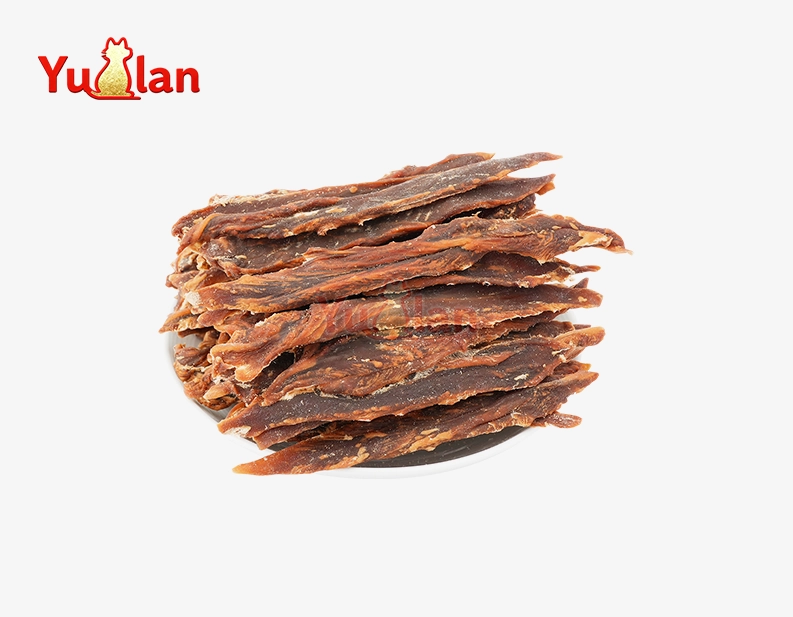
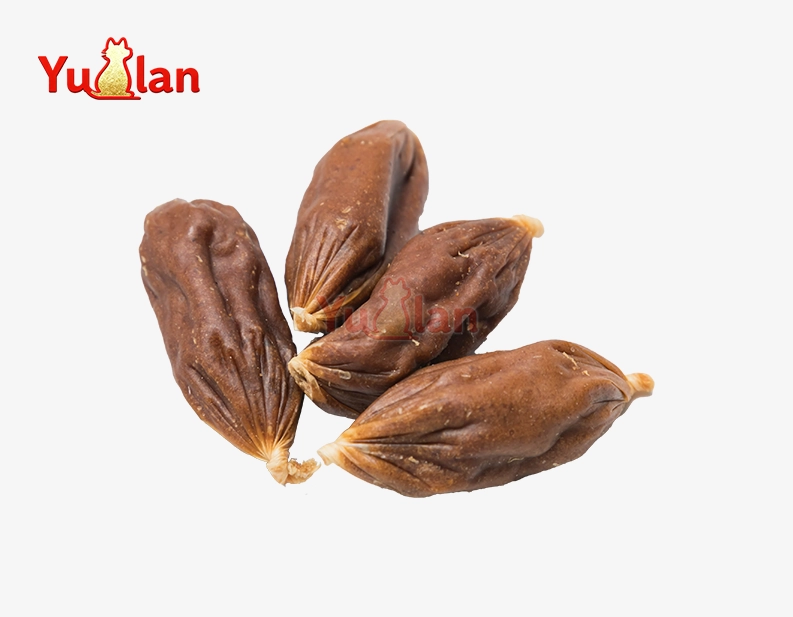
When made and structured correctly for dogs, duck sausage for dogs can be a great source of protein for them. Duck meat has special health benefits, such as being hypoallergenic, which makes it a good choice for dogs with food allergies. Duck is easier to digest than chicken or beef and has ingredients that can help get rid of red tear marks while also encouraging healthy digestion. The meat's mild texture and natural cooling characteristics make it a great choice for dogs with sensitive stomachs or those who need special diets.

Understanding Duck Sausage for Dogs: Nutritional and Safety Insights
Duck sausage created particularly for dogs is a high-quality protein source that is substantially different from sausage made for people. The process of manufacturing the food involves carefully choosing the ingredients and making sure that the duck meat's natural nutritional value is kept and that the food is safe for dogs to eat.
Nutritional Profile and Health Benefits
Duck flesh is a great source of protein. For instance, good sausages usually include 18–20% protein. This protein source offers all the amino acids that dogs need to grow and keep their muscles healthy. The meat also provides a lot of iron, which is good for making healthy blood cells, and zinc, which is good for the immune system.
Duck meat offers a unique mix of natural anti-inflammatory chemicals that can help dogs with a variety of health issues. Duck sausage is great for dogs with red tear marks because the meat cools down the dog's body, which helps get rid of the heat that generates these stains. The soft texture makes it easier to digest and is strong enough to be excellent for your teeth.
Safety Considerations and Feeding Guidelines
You need to know the difference between duck sausage designed for dogs and food made for people to eat in order to execute a proper safety check. Dog-formulated versions remove rid of tastes, too much sodium, and preservatives that could upset your stomach or cause other health concerns.
People who work in procurement should tell their clients to carefully introduce duck sausage to their diets, starting with little portions and keeping an eye out for any adverse reactions. The recommended serving size for treats is normally 10% of the dog's daily calorie intake, however this might alter based on the dog's age, size, and health. Compared to more common proteins like chicken or beef, duck is thought to be a low-allergen protein source. However, keeping an eye out for any signs of an allergic reaction can assist.
Ingredient Transparency and Quality Markers
When made and structured correctly for dogs, duck sausage for dogs can be a great source of protein for them. Duck meat has special health benefits, such as being hypoallergenic, which makes it a good choice for dogs with food allergies. Duck is easier to digest than chicken or beef and has ingredients that can help get rid of red tear marks while also encouraging healthy digestion. The meat's mild texture and natural cooling characteristics make it a great choice for dogs with sensitive stomachs or those who need special diets.
Controlling the temperature during processing keeps the food safe and keeps its nutritious value. Cold-pressed or minimally heated processing processes keep the natural enzymes that are good for digestion. These things help the product work as a medicine, such as reducing tear stains and making the stomach feel better.

Comparing Duck Sausage with Other Sausage Types for Dogs
There are several types of protein-based sausage on the pet food market, but duck stands out since it is good for both health-conscious pet owners and pets with special dietary needs. Knowing these differences helps you make smart buying decisions that meet market needs and customer expectations.
Nutritional Advantages Over Traditional Proteins
Duck meat is simpler to digest than many chicken sausages and has less fat than beef sausages. Duck fat is largely unsaturated, which is healthy for the skin and coat. This protein source is high in omega-3 fatty acids, which help the brain perform better and lower inflammation in the body.
Research shows that duck protein is more useful to the body than many other proteins included in pet food. This means that dogs can use more of the protein they eat to stay healthy instead of merely getting rid of it. The amino acids in the food assist senior dogs keep their muscles strong and help younger animals grow in a healthy way.
Market Positioning and Consumer Preferences
Duck sausage for dogs has become a high-end choice in the specialty pet food market since more and more people seek pet diets that don't cause allergies. Duck is a new protein for many pets, so they are less likely to be allergic to it than chicken or beef, which are two of the most common allergens for dogs.
Surveys of consumers show that more and more individuals want products with few or no grains. This is fantastic news for things made with duck. People who own pets and want to avoid regular proteins usually do so for health reasons. Duck sausage is a fantastic alternative for dogs that have skin problems or stomach difficulties.
Quality Assessment and Brand Selection
To buy things effectively, you need to look at how manufacturers get their ingredients, how they certify their production, and how they make sure the quality of their products. Most of the time, high-end duck sausage makers deal with reputable poultry farms and test the meat at every stage of manufacturing.
The best producers give you a detailed nutritional breakdown, confirmation of where the ingredients came from, and safety certifications from a third party. These quality signals help you tell the difference between products that really promote health and those that just follow marketing trends without adding any true nutritional benefit.

How to Integrate Duck Sausage into Your Dog Food Product Line or Treat Offerings?
You need to plan ahead and think about things like who your customers are, how much things cost, and where your products fit in the market if you want to add duck sausage to your present product lines. Duck meat has unique properties that let you manufacture diverse products that nevertheless fit the needs of some customers.
Product Development and Customization Opportunities
Duck sausage is quite easy to work with when it comes to making unique labels and recipes. To match different market niches, manufacturers might vary the size, texture, and other parts of their products. Some popular choices are soft training treats for puppies, dental chews for dogs' teeth, and therapeutic foods for dogs with sensitive stomachs.
Duck meat has natural qualities that make it easy to prepare meals that those who desire clean-label foods would enjoy. Adding duck to some fruits, vegetables, or health supplements makes them more valuable and helps with some health problems.
Market Positioning and Customer Education
To sell duck sausage for dogs goods well, you need to teach them about the particular health benefits this protein offers. Duck is not as prevalent as other protein sources, therefore it needs to be explained how it is hypoallergenic and good for your health, especially how it can help with tear stains and digestive health.
By marketing duck sausage as a unique solution instead of a generic snack, you can charge more and keep customers coming back. Educational materials should stress that the protein is good for dogs with food allergies and that it can help with health problems that regular proteins can't.
Pricing Strategies and Volume Considerations
Duck sausage is frequently more expensive than chicken or beef sausage because the materials cost more and it's harder to make. But if you sell it well, the premium positioning can lead to big profits. You can save money while still getting high-quality goods by buying in bulk from reliable sellers.
Some retailers that do well allow clients try duck things without spending a lot of money by using sample programs or lower package sizes. This strategy helps consumers learn about the product's benefits, and customers usually start buying it regularly when they observe good results in their pets.

Procuring Duck Sausage for Dogs: What Buyers Need to Know?
You need to know about the strange supply chain problems, quality requirements, and logistical issues that come with specialty pet food products in order to buy duck sausage successfully. Successful buyers make connections with producers who are honest about how they do business, always deliver on time, and make high-quality goods.
Supplier Evaluation and Quality Assurance
The greatest duck sausage makers have strict quality control systems that check everything from getting the appropriate ingredients to producing the sausage to testing the finished product. These systems should include regular microbiological testing, reviewing nutritional analysis, and standards for keeping things clean.
Preferred suppliers give a lot of information about their quality management systems, like certifications from well-known industry bodies. Traceability systems may follow products from the time they are created until they are packaged, so buyers who are anxious about recalls or quality issues should feel safer.
Pricing Models and Volume Purchasing Benefits
The price of duck sausage usually tells you how good the protein source is and how it needs to be prepared. Buying in bulk can save a lot of money, especially for retailers or distributors that serve more than one consumer or location.
A lot of manufacturers have tiered pricing schemes that give you a discount if you buy a lot of something or if you buy it over a lengthy period of time. If buyers understand these pricing models, they can make the best choices about what to buy and keep adequate stock on hand to meet demand.
Logistics and Storage Requirements
To keep duck sausage products safe and of good quality, they normally need to be stored and shipped in the fridge. Buyers should consider about how well the cold chain works when they choose suppliers and plan how to handle their inventory. Some options that are freeze-dried or shelf-stable may be easier to move around while still being good for you.
When you package something, you have to think about how to keep it safe from moisture, temperature changes, and germs while it's being stored and sent. Suppliers who offer durable packaging solutions help preserve the quality of the goods high during transportation, which decreases the possibility of customers complaining or returning them.

Conclusion
Duck sausage is a great addition to any complete range of pet food because it has unique health advantages and therapeutic capabilities that help with certain dog health problems. The protein is great for dogs with food allergies or digestive problems because it doesn't cause allergies, is easy to digest, and has anti-inflammatory properties. Duck sausage gives procurement experts a chance to set their products apart while addressing the growing demand from consumers for high-quality, specialized pet feeding solutions. To be successful, you need to work with suppliers you can trust who follow strict quality standards and are open about how they make things. When duck sausage is obtained and positioned correctly, it may attract high prices and generate customer loyalty through proven health advantages and better taste.
Partner with Yunlan for Premium Duck Sausage Solutions
Yunlan delivers exceptional duck sausage for dogs through our comprehensive manufacturing expertise and commitment to quality excellence. As a trusted duck sausage for dogs supplier, we leverage advanced protein processing technologies and rigorous quality controls to create products that meet the highest industry standards. Our dedicated R&D team has developed specialized formulations that maximize the therapeutic benefits of duck meat, including its ability to reduce tear staining and support digestive health. With over 20 years of supply chain experience and distribution networks spanning 60+ countries, Yunlan provides reliable procurement solutions that drive business growth. Contact our expert team at minghuixu6717@gmail.com or visit yunlanpets.com to explore our comprehensive duck sausage product portfolio and discover how our proven manufacturing capabilities can enhance your product offerings while meeting evolving market demands.
FAQ
How often can dogs safely consume duck sausage treats?
Duck sausage treats should comprise no more than 10% of a dog's daily caloric intake when used as supplemental treats. For most dogs, this translates to 2-3 small pieces daily, depending on the dog's size and the specific product's caloric density. Dogs with sensitive stomachs may benefit from starting with smaller portions and gradually increasing as tolerance is established.
What ingredients should buyers avoid in duck sausage products?
Buyers should avoid duck sausage products containing artificial preservatives, excessive sodium, garlic, onion, or chemical flavor enhancers. High-quality formulations feature duck as the primary ingredient with minimal, recognizable secondary ingredients. Products with lengthy ingredient lists or multiple chemical additives typically indicate lower quality manufacturing standards.
Are there specific regulatory standards for duck sausage dog treats?
Duck sausage for dogs must comply with FDA regulations for pet food manufacturing, including facility registration and proper labeling requirements. AAFCO guidelines provide nutritional standards, while many premium manufacturers voluntarily obtain additional certifications such as USDA organic or non-GMO verification to demonstrate quality commitment.
Can duck sausage help dogs with specific health conditions?
Duck sausage may benefit dogs with food allergies, digestive sensitivities, or inflammatory conditions due to its hypoallergenic properties and natural anti-inflammatory compounds. The protein's cooling characteristics can help reduce tear staining, while its digestibility supports dogs with sensitive stomachs. However, specific health claims require veterinary consultation.
What storage requirements should retailers communicate to customers?
Retailers should advise customers to refrigerate opened duck sausage products and consume within manufacturer-specified timeframes, typically 7-14 days. Unopened shelf-stable products should be stored in cool, dry locations away from direct sunlight. Proper storage maintains nutritional value and prevents spoilage that could cause digestive upset.
How can buyers verify supplier quality and reliability?
Buyers should request supplier documentation including facility certifications, quality control procedures, and product testing results. Reliable suppliers provide ingredient sourcing information, manufacturing process details, and third-party audit results. Customer references and industry reputation research help verify supplier credibility and long-term reliability.
References
1. Journal of Animal Science and Veterinary Medicine: "Nutritional Analysis of Novel Protein Sources in Canine Nutrition: A Comprehensive Study of Duck Meat Benefits"
2. Pet Food Industry Research Institute: "Hypoallergenic Proteins in Commercial Pet Foods: Market Trends and Nutritional Implications"
3. American Veterinary Medical Association: "Dietary Management of Food Allergies and Sensitivities in Companion Animals"
4. International Journal of Pet Nutrition: "Digestibility and Bioavailability of Alternative Protein Sources for Dogs with Gastrointestinal Sensitivities"
5. Pet Food Manufacturing Standards and Practices: "Quality Control Protocols for Specialty Protein Processing in Pet Food Production"
6. Canine Health and Nutrition Research Quarterly: "Anti-inflammatory Properties of Duck Protein in Managing Canine Health Conditions"