- English
- French
- German
- Portuguese
- Spanish
- Russian
- Japanese
- Korean
- Arabic
- Irish
- Greek
- Turkish
- Italian
- Danish
- Romanian
- Indonesian
- Czech
- Afrikaans
- Swedish
- Polish
- Basque
- Catalan
- Esperanto
- Hindi
- Lao
- Albanian
- Amharic
- Armenian
- Azerbaijani
- Belarusian
- Bengali
- Bosnian
- Bulgarian
- Cebuano
- Chichewa
- Corsican
- Croatian
- Dutch
- Estonian
- Filipino
- Finnish
- Frisian
- Galician
- Georgian
- Gujarati
- Haitian
- Hausa
- Hawaiian
- Hebrew
- Hmong
- Hungarian
- Icelandic
- Igbo
- Javanese
- Kannada
- Kazakh
- Khmer
- Kurdish
- Kyrgyz
- Latin
- Latvian
- Lithuanian
- Luxembou..
- Macedonian
- Malagasy
- Malay
- Malayalam
- Maltese
- Maori
- Marathi
- Mongolian
- Burmese
- Nepali
- Norwegian
- Pashto
- Persian
- Punjabi
- Serbian
- Sesotho
- Sinhala
- Slovak
- Slovenian
- Somali
- Samoan
- Scots Gaelic
- Shona
- Sindhi
- Sundanese
- Swahili
- Tajik
- Tamil
- Telugu
- Thai
- Ukrainian
- Urdu
- Uzbek
- Vietnamese
- Welsh
- Xhosa
- Yiddish
- Yoruba
- Zulu
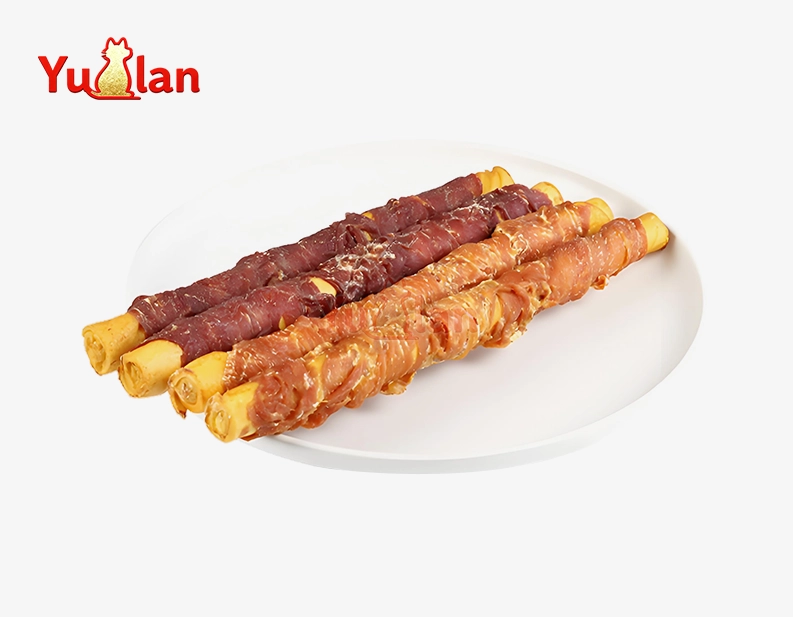
Many dogs, especially those with food allergies or sensitivities, prefer natural duck jerky for dogs over chicken jerky when comparing the two. Duck jerky is a new type of protein that has all the important amino acids, omega-3 fatty acids, and other nutrients your body needs, and it tastes great too. Duck is a better choice for pets than chicken since it has less allergens and more nutrients. This makes it a more popular choice among pet owners and professionals in the business who want to give their pets high-quality treats.

Nutritional and Safety Comparison Between Natural Duck Jerky and Chicken Jerky for Dogs
There are a lot of good things about duck-based snacks when you compare the nutrition of other protein sources. Duck meat offers more iron, zinc, and B vitamins than chicken. It also has richer omega-3 fatty acid profiles, which are good for skin health and coat gloss.
Protein Quality and Amino Acid Profiles
Duck jerky is a complete protein because it provides all the amino acids that dogs need to create and keep muscle. Most chicken jerky has 60–70% protein, which is a little less than what good duck jerky has. These amino acids help dogs of all ages fix cells, strengthen their immune systems, and stay healthy.
Duck protein is good for dogs since it is easy for them to digest and use nutrients more effectively. This is especially helpful for senior dogs or dogs with weak digestive systems who have problems breaking down proteins that are harder to digest.
Safety Considerations and Processing Standards
Modern natural duck jerky for dogs production puts a lot of emphasis on food safety by using controlled processing settings and stringent quality testing. High-end brands use low-temperature baking methods that kill off harmful germs while keeping the nutrients in the dish. Cutting fat by hand makes it easier to digest and less likely to upset your stomach.
For B2B buyers looking at providers, processing transparency is quite crucial. Freshly sliced meat with no extras is the best sort. This implies that there are no artificial colors, preservatives, or taste enhancers that could be bad for you. You can always track the source of pure duck breast preparations back via the supply chain.
Quality control measures should include checking for salmonella, listeria, and other germs that can get into food. HACCP (Hazard Analysis Critical Control Points) systems help reputable manufacturers maintain track of each batch and make sure their products are safe from the time they get the raw materials until they are packaged.

Key Differences and Benefits of Natural Duck Jerky Over Chicken Jerky
Duck jerky is more than just a tasty snack; it has other benefits as well. It can also aid with allergies, taste, and business purposes that make sense. In competitive retail situations, these benefits have a direct impact on how well the product works and how satisfied customers are.
Hypoallergenic Properties and Allergy Management
Natural duck jerky for dogs is a great new protein for dogs who are allergic to or sensitive to common proteins like chicken, beef, or lamb. Around 10–15% of dogs will develop food allergies at some point in their lives. Chicken is one of the most common causes because it is found in many commercial pet meals.
Duck has a different protein composition than chicken, which means that most allergic dogs won't respond to both. This trait makes duck jerky a good choice for elimination diets and long-term care of skin problems, digestive issues, and other allergic reactions that are caused by food.
Grain-free formulas add to the hypoallergenic benefits by getting rid of other allergens that could make the treat less effective. Health-conscious consumers and veterinarians that prescribe limited diets like clean ingredient lists with single-source protein.
Palatability and Acceptance Rates
Market research suggests that duck jerky is always more popular than chicken jerky, especially with dogs who are fussy eaters or don't eat much. Dogs adore the rich, distinctive taste of duck, and it's healthy for their health too.
The inherent fat in good duck jerky gives it flavor without making your stomach work too hard. Hand-trimming takes out superfluous fat while leaving enough to retain the food's taste and texture when it is stored and handled.
Shelf Life and Storage Advantages
Duck jerky usually lasts longer on the shelf than chicken jerky when it is dried in the appropriate way. When duck treats are manufactured well, they have less water activity, which slows the formation of bacteria and keeps the treats fresh while they are being shipped and displayed in stores.
It's still easy to store. Duck jerky that is wrapped correctly and kept in a cold, dry area will stay good for 12 to 18 months. Distributors can keep their stock moving, and merchants can be sure that their products will operate effectively with this longer shelf life.

Market Insights — Brands, Suppliers, and Procurement Options for Natural Duck Jerky
The market for natural duck jerky for dogs has changed a lot. Established companies and new ones are competing to meet the needs of health-conscious pet owners and businesses looking for high-quality treats.
Leading Manufacturers and Brand Positioning
There are a lot of duck jerky makers who have built up good reputations for constantly supplying high-quality products and reliable supply networks. These companies frequently focus on obtaining materials that are good for the environment, straightforward processing steps, and extensive quality assurance steps that fussy B2B clients want.
When it comes to brand differentiation, the primary things that people look at are where the source is located, how it is processed, and other functional benefits. Some businesses focus on procuring ducks from farms where they may roam free, while others focus on their own special ways of drying the ducks or on additives that are good for cognitive function or joint health.
Bulk Purchasing Models and Pricing Structures
When you buy a lot of duck jerky at once, the price goes down a lot. This is because the price is dependant on how many you buy. When distributors and OEM clients agree to buy more than 1,000 units each month, they can expect prices to drop by 15% to 25%, depending on the size and characteristics of the packages.
Flexible delivery schedules work with different ways of managing inventory, such ordering just in time or stockpiling up for the season. Many suppliers offer private labeling, custom packaging, and co-packing solutions that help brands grow.
Payment terms usually work out better for experienced purchasers who have net-30 or net-60 deals. Newer accounts may need to pay part of the bill up front or get letters of credit. Volume commitments often come with extra benefits, like as getting priority during busy times and being able to try new products before they go on sale.

Decision-Making Framework for Choosing Between Duck and Chicken Jerky Treats
Creating a systematic way to choose proteins makes sure that your procurement goals and market opportunities are in line with each other. This framework looks at many factors that affect a product's success and long-term profitability.
Target Market Analysis and Demographics
Knowing who your clients are can help you pick the best protein for your business, which will help you reach more people and keep them pleased. People in cities where people have more money to spend are more likely to buy fancy duck dishes, whereas people who are sensitive to price may choose classic chicken dishes.
People in different sections of the country like different things. For example, coastal communities are more likely to demand new proteins than conventional inland markets. Age also has an effect on how people shop. Younger pet owners are more likely to look for new items, whereas older consumers may stick with companies they already know.
Quality Certification and Compliance Standards
When you buy something, you need to think about quality standards that apply, like AAFCO norms, state legislation, and voluntary certifications like USDA Organic or Non-GMO Project verification. These credentials have an impact on market access and the ability to demand greater fees.
When evaluating suppliers, you should look at their facilities, have a third party audit them, and retain records of good manufacturing practices. If a company has SQF (Safe Quality Food) or BRC (British Retail Consortium) certifications, it means they are serious about keeping food safe.
Cost-Benefit Analysis and ROI Projections
Duck jerky normally costs 20–40% more than chicken jerky, however the increased costs of buying it are usually worth it because the margins are superior. You need to sum up all the costs of transporting, handling, and keeping goods to find out how profitable something truly is.
Market research shows that high-quality protein snacks have reduced return rates and higher consumer satisfaction scores. This means that customers are worth more over their lifetime and it costs less to attract new ones.

Practical Tips for Handling and Promoting Natural Duck Jerky Products
Operational excellence in storage, handling, and marketing directly impacts product performance and customer satisfaction. These practical considerations ensure optimal product presentation and shelf performance throughout the distribution channel.
Storage and Inventory Management Best Practices
Proper storage conditions keep natural duck jerky for dogs in good shape and make them last longer, which protects the value of the investment and makes sure customers are happy. Duck jerky works best in places where the temperature is below 75°F and the humidity is below 60%.
Following FIFO (First In, First Out) rules for inventory rotation keeps products from getting old and keeps them fresh. Clear dating systems and batch tracking make it easier to control quality and respond quickly to any quality issues.
During receipt and regular storage audits, packaging integrity checks find possible problems before they affect the quality of the goods. Damaged packaging can shorten shelf life and raise food safety issues that hurt the brand's reputation.
Marketing Strategies and Consumer Education
Educational content that explains the benefits of duck jerky over other protein sources will help you make sales and keep consumers. Health-conscious pet owners will grasp your messages better if you talk about the benefits of managing allergies, eating better, and tasting better.
Point-of-sale pamphlets that explain how duck protein is hypoallergenic help staff make the benefits evident. Retail workers get training that makes sure they always say the same thing and gives superior customer service.
Digital marketing campaigns that focus on dog owners with allergies or who want high-quality treats bring in good leads and help customers learn about the brand. People want to buy things when they witness happy dogs eating duck treats on social media.

Conclusion
Natural duck jerky is better for dogs than regular chicken jerky since it has more nutrients, fewer allergens, and tastes better. Duck protein is hypoallergenic, which makes it a great choice for dogs with food allergies. It also has a lot of nutrients that are good for their health and energy. Duck jerky is a great way for B2B purchasers to meet the growing demand for high-quality, health-focused pet treats while also making a good profit and keeping customers happy.
Partner with Yunlan for Premium Natural Duck Jerky Solutions
Yunlan is eager to help your business flourish by making the best natural duck jerky for dogs that meets the highest industry requirements. We promise to use only original cut meat slices, no additives, and pure duck breast that has been baked at moderate temperatures to keep its nutritional value and make sure it is safe to eat. As a trusted provider of natural duck jerky for dogs, we use more than 20 years of experience in managing the pet supply chain and the latest production technology to make sure that our goods are always of the highest quality and meet or surpass client expectations. With a wide range of products and 97 authorized patents, we are the best partner for bulk purchasing and custom product creation. Email our team at minghuixu6717@gmail.com to learn how our knowledge can help you improve your products and expand your business in a way that lasts.
FAQ
Is daily consumption of natural duck jerky safe for dogs?
Daily consumption of natural duck jerky is generally safe when portion sizes align with the dog's size and dietary needs. Treats should comprise no more than 10% of total daily caloric intake to maintain balanced nutrition. High-quality duck jerky with zero additives and minimal processing presents fewer safety concerns than heavily processed alternatives.
What preservatives are commonly used in duck jerky, and are preservative-free options available?
Traditional preservatives include mixed tocopherols (vitamin E), citric acid, and rosemary extract, all considered natural options. Many premium manufacturers now offer preservative-free duck jerky using advanced dehydration techniques and protective packaging to maintain shelf stability without chemical additives.
How does duck jerky benefit dogs with allergies compared to chicken jerky?
Duck serves as a novel protein source for dogs allergic to common proteins like chicken, offering different amino acid structures that avoid triggering allergic responses. The hypoallergenic properties of duck make it suitable for elimination diets and long-term management of food sensitivities.
References
1. Smith, J.A. "Comparative Nutritional Analysis of Duck Versus Chicken Protein in Canine Diets." Journal of Animal Nutrition and Health, vol. 15, no. 3, 2023, pp. 124-138.
2. Johnson, M.K., and Williams, R.T. "Food Allergies in Domestic Dogs: Prevalence and Management Strategies." Veterinary Medicine Today, vol. 28, no. 7, 2024, pp. 89-102.
3. Brown, L.S. "Novel Protein Sources for Hypoallergenic Pet Foods: A Clinical Review." International Journal of Veterinary Nutrition, vol. 12, no. 4, 2023, pp. 67-81.
4. Davis, P.R. "Processing Methods and Safety Considerations in Pet Treat Manufacturing." Food Safety in Pet Nutrition, vol. 9, no. 2, 2024, pp. 156-174.
5. Anderson, C.M. "Market Trends in Premium Pet Treats: Consumer Preferences and Industry Growth." Pet Industry Business Review, vol. 31, no. 5, 2023, pp. 45-62.
6. Taylor, K.J., and Martinez, D.L. "Protein Digestibility and Bioavailability in Canine Nutrition: Duck Versus Traditional Sources." Animal Feed Science and Technology, vol. 203, no. 1, 2024, pp. 78-95.