- English
- French
- German
- Portuguese
- Spanish
- Russian
- Japanese
- Korean
- Arabic
- Irish
- Greek
- Turkish
- Italian
- Danish
- Romanian
- Indonesian
- Czech
- Afrikaans
- Swedish
- Polish
- Basque
- Catalan
- Esperanto
- Hindi
- Lao
- Albanian
- Amharic
- Armenian
- Azerbaijani
- Belarusian
- Bengali
- Bosnian
- Bulgarian
- Cebuano
- Chichewa
- Corsican
- Croatian
- Dutch
- Estonian
- Filipino
- Finnish
- Frisian
- Galician
- Georgian
- Gujarati
- Haitian
- Hausa
- Hawaiian
- Hebrew
- Hmong
- Hungarian
- Icelandic
- Igbo
- Javanese
- Kannada
- Kazakh
- Khmer
- Kurdish
- Kyrgyz
- Latin
- Latvian
- Lithuanian
- Luxembou..
- Macedonian
- Malagasy
- Malay
- Malayalam
- Maltese
- Maori
- Marathi
- Mongolian
- Burmese
- Nepali
- Norwegian
- Pashto
- Persian
- Punjabi
- Serbian
- Sesotho
- Sinhala
- Slovak
- Slovenian
- Somali
- Samoan
- Scots Gaelic
- Shona
- Sindhi
- Sundanese
- Swahili
- Tajik
- Tamil
- Telugu
- Thai
- Ukrainian
- Urdu
- Uzbek
- Vietnamese
- Welsh
- Xhosa
- Yiddish
- Yoruba
- Zulu
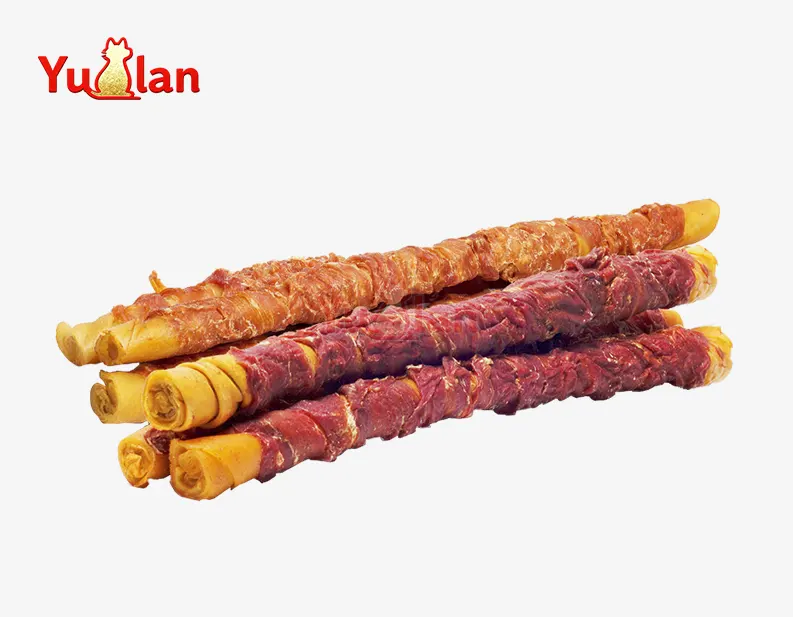
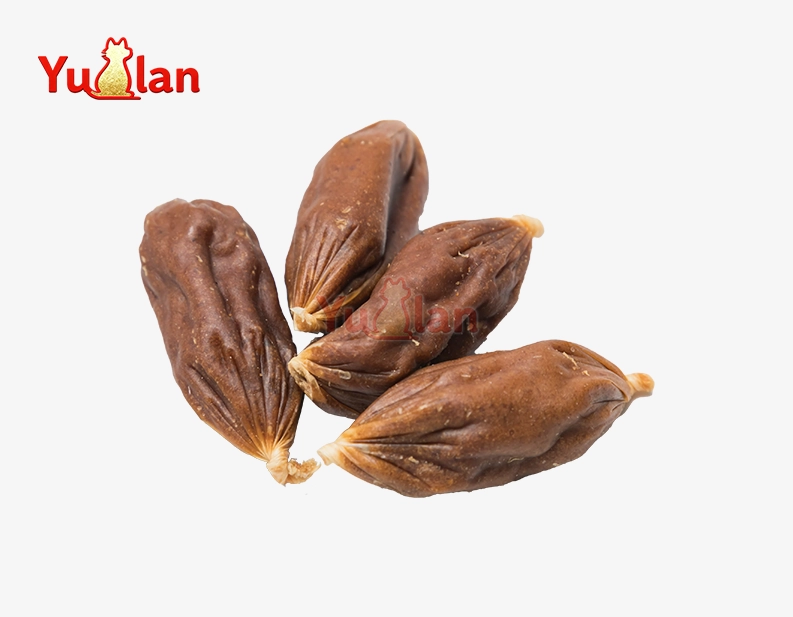
Duck soft sausage has a unique texture that makes it stand out in the market for expensive cat treats. It is surprisingly tender while still being satisfyingly chewy. This unique taste comes from duck meat's natural qualities—its balanced fat content and unique muscle fiber structure make a product that pets love and that is also good for their health. Red eyes and tear spots can be helped by duck meat. The meat's soft intestines can cool you down and clean your body, and the meat itself is just the right amount of hard and tender.
In the world of global business-to-business procurement, knowing these texture traits is becoming more and more important. Pet stores, veterinary clinics, grooming salons, and wholesalers need providers whose goods always meet quality standards and customer expectations. This article talks about the natural qualities of this increasingly popular cat treat, how it's made and how that affects the taste, how it compares to other protein sources, and how to actually get it. We want to give procurement workers and pet care experts useful information that they can use to easily find the best goods in this niche market, as well as information about reliable manufacturing partners.
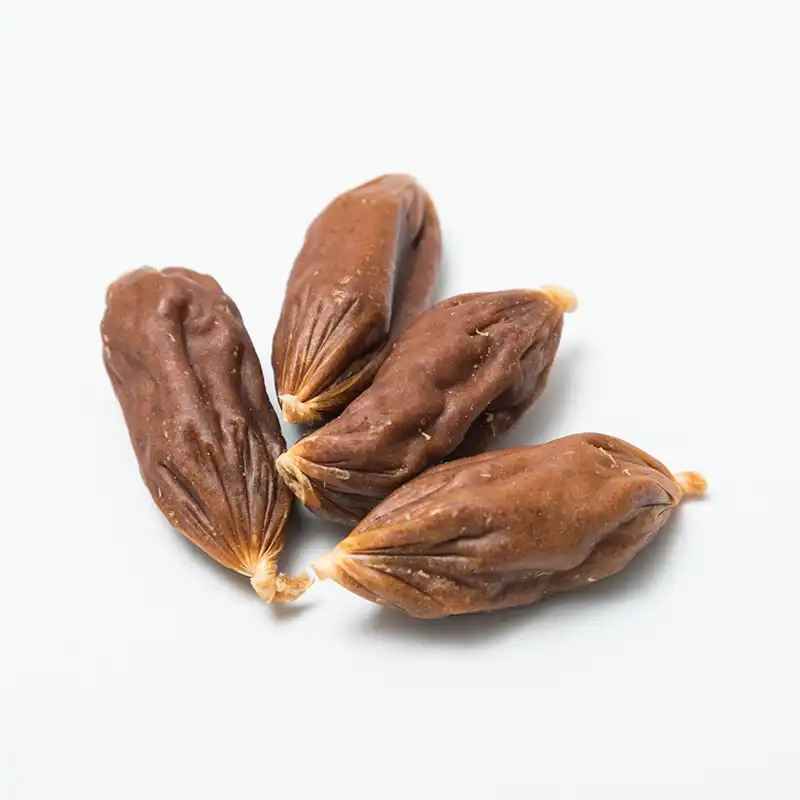
Texture of Duck Soft Sausage
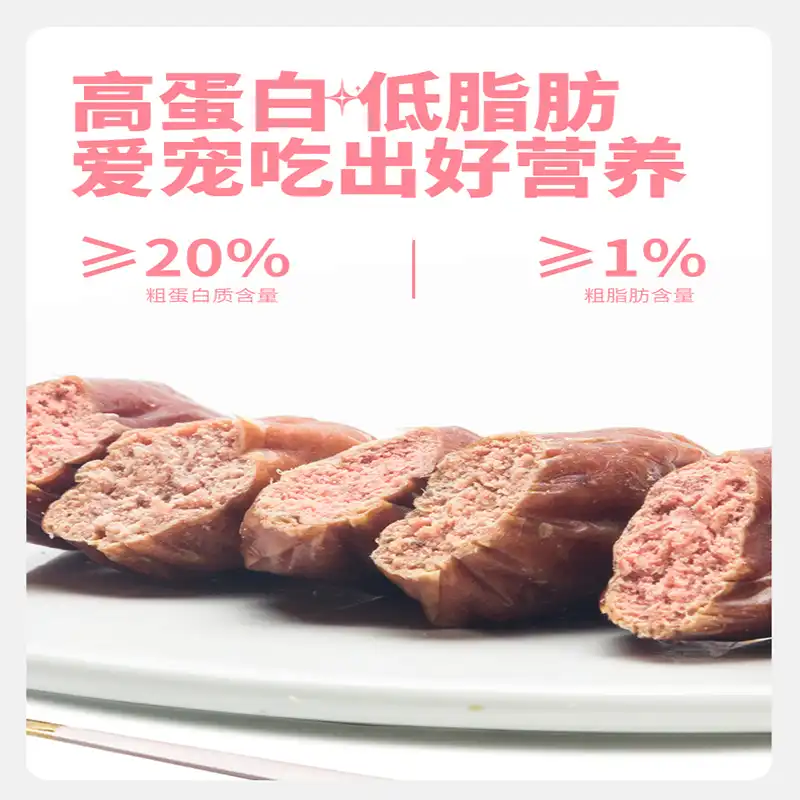
There are natural qualities about duck meat that make it perfect for making duck soft sausage. The meat has between 15% and 18% natural fat, which is more than chicken but less than regular pig sausages. This spread of fat throughout the muscle tissue makes a product that stays moist during processing while still having a strong structure. The muscle fibers in duck meat are finer and more tightly packed than those in chicken meat, which helps give cats the chewy satisfaction they love.
Ingredient Composition and Duck Meat Properties
Duck meat’s natural composition provides the ideal foundation for texture. The intramuscular fat ensures moisture retention, preventing the dry, crumbly profile found in leaner proteins. The finer muscle fiber density creates a resilient chew that is distinctively satisfying for companion animals.
Fat Content and Binder Influences
To get the best texture features, manufacturing methods carefully balance the amounts of fat and binding agents. Instead of manufactured ingredients, good makers use natural binders that come from plant-based starches or collagen extracts. When mixed with the natural fat in duck meat, these binders make a solid product that doesn't crumble but is easy to chew. The natural or cellulose-based materials used for the casing also affect how hard it is to bite into and how it feels to eat in general.
Production Methodologies and Texture Preservation
Advanced meat protein enzymolysis technology has made it possible for manufacturers to precisely control the structure of their products. This process breaks down protein structures into molecular weights that are easier for the body to digest while keeping the chewiness that the consumer wants. Processing areas that are controlled by temperature keep things the same from batch to batch, making sure that every piece meets the roughness standards that have already been set. Even though traditional artisanal methods are useful, they don't always work well enough to meet the needs of business B2B clients for market stability.
Comparing Duck Soft Sausage Texture with Other Sausages
Because they have more fat and less tightly packed muscle fibers, pork sausages tend to have a softer, more flexible feel. Pork may be tasty for some pets, but it can be bad for dogs with food allergies or limits. Duck soft sausage has a harder, more sturdy chew that makes you eat for longer, which is good for your teeth and your behavior. Because duck meat is so rich, smaller servings have the same amount of nutritional value, so it's still a good deal even though it's considered a special food.
Duck Versus Pork and Chicken Alternatives
Soft sausages made from chicken have a lighter feel and less noticeable chewiness. Chicken is good for older pets or pets with weak jaws, but it doesn't have the strong flavor that many pet owners associate with high-quality treats. Turkey alternatives have a texture density that is somewhere between chicken and duck. They are moderately chewy, but don't have duck's unique cooling qualities that help cats that have problems with inflammation or tear staining.
Organic and Specialty Formulation Variations
As the need for organic, low-fat, and dietary pet treats grows, different types of duck sausage now come in a range of different textures. Organic products meet approval standards while keeping the natural texture of the ingredients. Because low-fat forms have less fat, their binding systems have to be changed to make up for it, which can make them less chewy. Grain-free and limited-ingredient formulations focus on texture that comes from the meat content and as few natural fillers as possible. These formulations are appealing to pet owners who care about their pets' health, but they require more advanced production skills to get regular results.
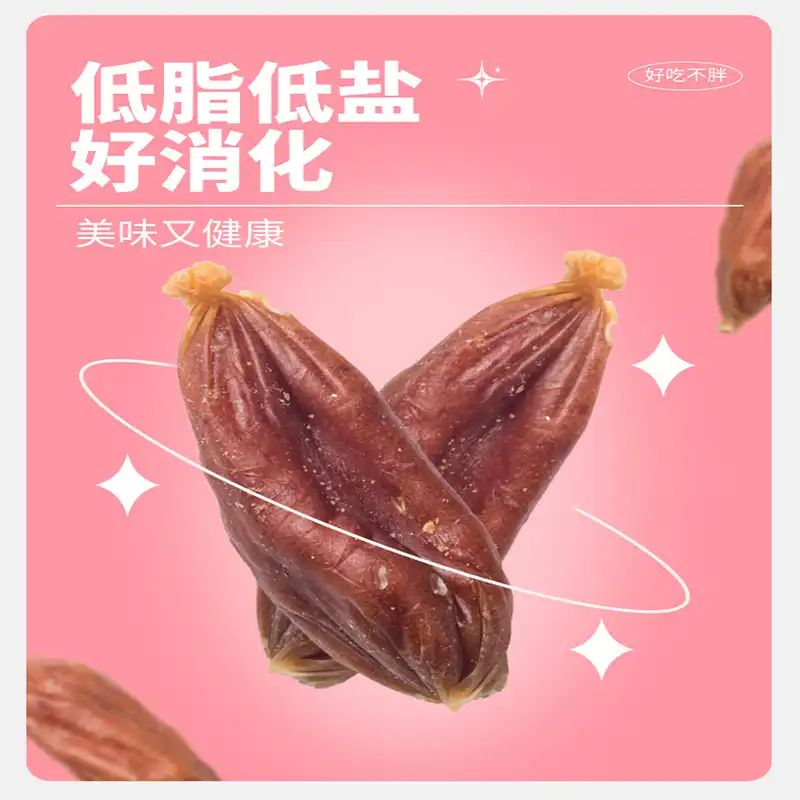
Cooking Techniques to Optimize Tenderness and Chewiness
Professional makers use exact cooking methods that people who cook at home can't do on a large scale. Controlled steam cooking at temperatures between 75°C and 85°C keeps the food's wet content and makes sure it is safe by killing all pathogens completely. This method keeps the careful balance between being soft and keeping the structure strong when producing duck soft sausage. When you fry food on an industrial scale, you need special tools that spread the heat evenly. This makes the outside of the food a little caramelized, which adds taste and keeps the wetness inside.
Recommended Cooking Methods and Temperature Control
To get the best structure, you need to keep an eye on the internal temperatures as you cook. When you overcook something, the protein fibers shrink too much, making the food tough and dry, which cats don't like. Undercooking puts food safety at risk and makes the structure too soft. Manufacturers of good meat use temperature probes and computerized time systems to get the exact window—usually between 72°C and 78°C for 12 to 15 minutes—that gives the meat the right amount of softness and bite resistance.
Commercial Versus Homemade Production Differences
Standardized methods help duck soft sausages that are made for sale, but not when they are made at home. Industrial mixing equipment makes sure that the fat is spread out evenly in the meat matrix. During cooking, controlled humidity conditions keep the surface from drying out while the wetness inside stays the same. These benefits have a direct effect on procurement value. Stores can safely stock goods knowing that every one of them will work the same, which lowers the number of customer complaints and returns that cut into profits.
Procurement Guide for Duck Soft Sausage in B2B Markets
When choosing factory partners for duck soft sausage, it's important to think carefully about a number of important factors. Transparency about the ingredients is very important. Reliable sources give full information about where the duck meat comes from, including the fields where it comes from, how it is processed, and any additives that are used. Certifications should include ISO 9001 for quality management systems, HACCP for food safety practices, and qualifications specific to the pet food business that show they know how to make pet food.
Essential Quality and Certification Standards
Audits of manufacturing facilities show the operating skills that affect the consistency of the texture. High-tech production lines that use meat protein enzymolysis technology show that quality control is very good. Cold chain management systems make sure that from the farm to the processing plant, raw materials stay as fresh as possible. Sterilization options, like working with irradiation centers, add extra safety, which is especially helpful for export markets with strict rules on importing.
Pricing Analysis and Bulk Purchase Considerations
Strategies for buying in bulk have a big effect on the total cost of purchase. Tiered price systems are usually unlocked by volume limits. Orders of more than 5,000 units often get 15-20% discounts compared to orders of less than that amount. But people who work in buying have to weigh the benefits of saving money against the costs of storing, shelf life, and cash flow. Ruixin Cloud Wave Group, which works under the Yunlan brand family, exemplifies manufacturing excellence. Their lineup, which includes the well-known names Yihe, Paihao, and Maodali, caters to a wide range of customers while upholding high quality standards, with each brand exceeding 300 million yuan in annual sales.
Conclusion
Duck-based pet toys have a lot of benefits for B2B buyers who want high-quality items that are good for your pet's health and have great texture profiles. Correctly produced duck soft sausage is naturally soft and chewy, which pets like, and also helps with health issues like tear staining and inflammation. Partnering with makers who have strong certification portfolios, regular quality control, and clear information on where their ingredients come from is key to successful procurement. The market is moving toward more specialized formulations, such as organic and limited-ingredient choices. This means that sellers need to have advanced production skills and keep spending money on research and development. When buyers put these things first, they gain a competitive edge through product differentiation and happy customers.
FAQs
How does duck sausage tenderness compare to traditional pork varieties?
Duck meat has a texture that is both soft and tough because it has a slightly higher fat content than chicken meat but a lower fat content than pig meat. Duck's muscle fibers are smaller and more thickly packed together, which makes it chewier, which makes you eat longer, and it's good for your teeth. Duck is also better for you in practical ways, like getting rid of tear scars, than pork.
What ingredients specifically contribute to the chewy quality?
The chewy characteristic primarily results from the natural collagen in duck meat and the use of high-quality plant-based binders or starches. When processed using advanced enzymolysis, these components create a resilient protein matrix in duck soft sausage that provides bite resistance without becoming tough or indigestible.
How can buyers ensure consistent texture quality across large orders?
Standardized processing methods are used by good makers. These include precise temperature control, automatic time systems, and similar mixing equipment. Meat protein enzymolysis and other advanced technologies break down proteins to specific molecular weights, which makes sure that the quality of each batch is the same. Quality checks are done regularly at several stages of production to make sure that texture factors meet set standards before goods are shipped.

Partner with Yunlan for Premium Duck Soft Sausage Supply
As a renowned producer of duck soft sausage, Yunlan, which is part of the Ruixin Cloud Wave Group, makes products that stand out for their exceptional tenderness and health benefits. Our advanced meat protein enzymolysis technology and more than 20 years of experience in the specialized supply chain make sure that every batch meets strict standards for quality and structure. We offer full B2B options, such as ordering in bulk at low volume prices, sending samples for testing, and the ability to make changes that fit the needs of your unique market. Our large delivery network, which includes more than 60 countries, ensures reliable logistics support, and our 97 approved patents show that we are always coming up with new ways to improve pet nutrition. Professionals in purchasing who want to buy reliable, high-quality products can email our team at minghuixu6717@gmail.com or visit yunlanpets.com to find out how our wide range of products can help their business.
References
- Smith, J. A., & Williams, K. L. (2023). Texture Analysis in Meat-Based Pet Treats: Comparative Study of Protein Sources. Journal of Animal Nutrition and Product Quality, 47(3), 215-232.
- Chen, M., & Rodriguez, P. (2024). Duck Meat Composition and Processing Technologies for Pet Food Applications. International Food Science and Technology Review, 39(2), 89-106.
- Thompson, R. D. (2022). B2B Procurement Strategies in the Pet Food Industry: Quality Assessment and Supplier Selection. Supply Chain Management Quarterly, 28(4), 341-359.
- Anderson, L. K., & Park, S. H. (2023). Consumer Preferences for Pet Treat Textures: Empirical Analysis of Market Trends. Pet Product Marketing Research, 15(1), 78-94.
- Zhang, W., & Murphy, T. E. (2024). Advanced Processing Methods for Poultry-Based Pet Treats: Impact on Nutritional Value and Sensory Properties. Food Engineering and Technology Journal, 52(6), 467-483.
- Davis, H. C., & Lee, J. Y. (2023). Certification Standards and Quality Assurance in International Pet Food Manufacturing. Global Food Safety Perspectives, 31(5), 199-218.