- English
- French
- German
- Portuguese
- Spanish
- Russian
- Japanese
- Korean
- Arabic
- Irish
- Greek
- Turkish
- Italian
- Danish
- Romanian
- Indonesian
- Czech
- Afrikaans
- Swedish
- Polish
- Basque
- Catalan
- Esperanto
- Hindi
- Lao
- Albanian
- Amharic
- Armenian
- Azerbaijani
- Belarusian
- Bengali
- Bosnian
- Bulgarian
- Cebuano
- Chichewa
- Corsican
- Croatian
- Dutch
- Estonian
- Filipino
- Finnish
- Frisian
- Galician
- Georgian
- Gujarati
- Haitian
- Hausa
- Hawaiian
- Hebrew
- Hmong
- Hungarian
- Icelandic
- Igbo
- Javanese
- Kannada
- Kazakh
- Khmer
- Kurdish
- Kyrgyz
- Latin
- Latvian
- Lithuanian
- Luxembou..
- Macedonian
- Malagasy
- Malay
- Malayalam
- Maltese
- Maori
- Marathi
- Mongolian
- Burmese
- Nepali
- Norwegian
- Pashto
- Persian
- Punjabi
- Serbian
- Sesotho
- Sinhala
- Slovak
- Slovenian
- Somali
- Samoan
- Scots Gaelic
- Shona
- Sindhi
- Sundanese
- Swahili
- Tajik
- Tamil
- Telugu
- Thai
- Ukrainian
- Urdu
- Uzbek
- Vietnamese
- Welsh
- Xhosa
- Yiddish
- Yoruba
- Zulu
To find a trustworthy tofu cat litter suppelir, you need to look at their product quality, manufacturing skills, certifications, and how well their business plan fits with yours. A reliable partner should offer a steady supply, clear pricing, chances to test samples, and quick responses throughout the whole buying process. In addition to reasonable prices, you should look for providers who are committed to sustainability standards, keep quality control strict, and offer flexible order volumes that can adapt to your business's growth. With the right supplier relationship, you can be sure that your inventory meets customer needs and protects your brand's image in a market that is becoming more environmentally aware.
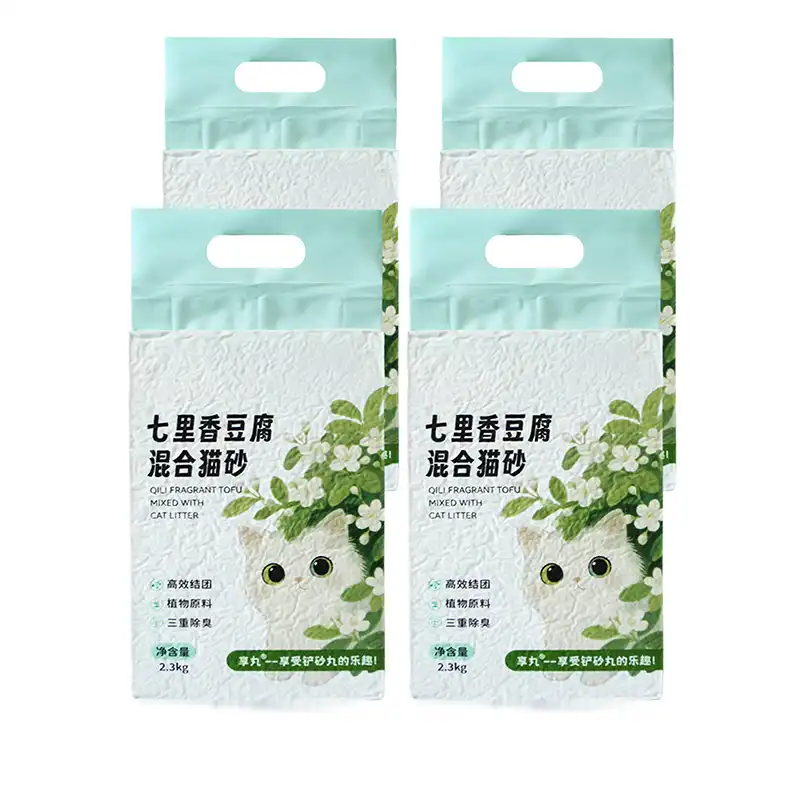
Core Criteria for Evaluating Tofu Cat Litter Suppliers
Assessing Manufacturing Capabilities
By looking at a possible partner's production infrastructure, you can tell if they can successfully meet your volume needs. Check to see if the facilities use modern meat protein enzymolysis or other processing methods that make the products better. Suppliers who have specific production lines for plant-based litter are more likely to be consistent than those who treat it as a third product category. Being close to sources of raw materials can mean getting better inputs and saving money on shipping, which can affect both the quality of the product and how much it costs.
Certification and Compliance Verification
Documentation is direct proof of a supplier's reliability. A tofu cat litter supplier with ISO 9001 certification has well-established quality management systems. On the other hand, a company with ISO 14001 certification is committed to using environmentally friendly methods. Ask SGS to send you tests results that prove the claims about biodegradability, heavy metal content, and dust emission levels. Suppliers that do business with foreign markets should show proof that they follow the rules for importing goods into the areas you want to reach. These approvals lower the risk of buying things by making sure that they meet safety and environmental standards before a large amount of money is spent.
Pricing Models and Order Flexibility
Clear price helps figure out the total cost of ownership, which goes beyond the rate per unit. Ask for specific breakdowns that show base product prices, minimum order quantities, shipping choices, and freight estimates. Suppliers with flexible MOQ terms can work with businesses at different stages of growth. This is especially helpful for new brands that are trying how the market reacts to them. Payment terms have a big effect on managing cash flow. Check with providers to see if they offer net-30 or net-60 terms for established accounts instead of asking for full payment up front. Sample policies are very important. Reliable partners will usually give you product samples for free, which shows that they believe in their products and lets you test them yourself before placing large orders.
Before a partnership is finalized, working standards are checked by auditing the workplace, either in person or through a third-party inspection service. These tests show how clean the production area is, how the raw materials are stored, how quality control is done, and how workers are kept safe. The new information helps tell the difference between operations that are properly run and those that make quality claims that aren't backed up.
Technical Support and Relationship Management
The quality of a relationship after the first few transactions depends on how responsive the provider is over time. Check out the ways of communicating, the promised response times, and the availability of technical help staff who know what the program is supposed to do. When it comes to making changes to an order, fixing problems with shipping, or talking about special formulation needs, suppliers with specific account managers usually make the process go more smoothly. When problems appear after the sale, after-sales support systems that include clear return policies and conflict settlement processes look out for your best interests. As your business grows and orders get more complicated, being good at managing relationships becomes even more important.
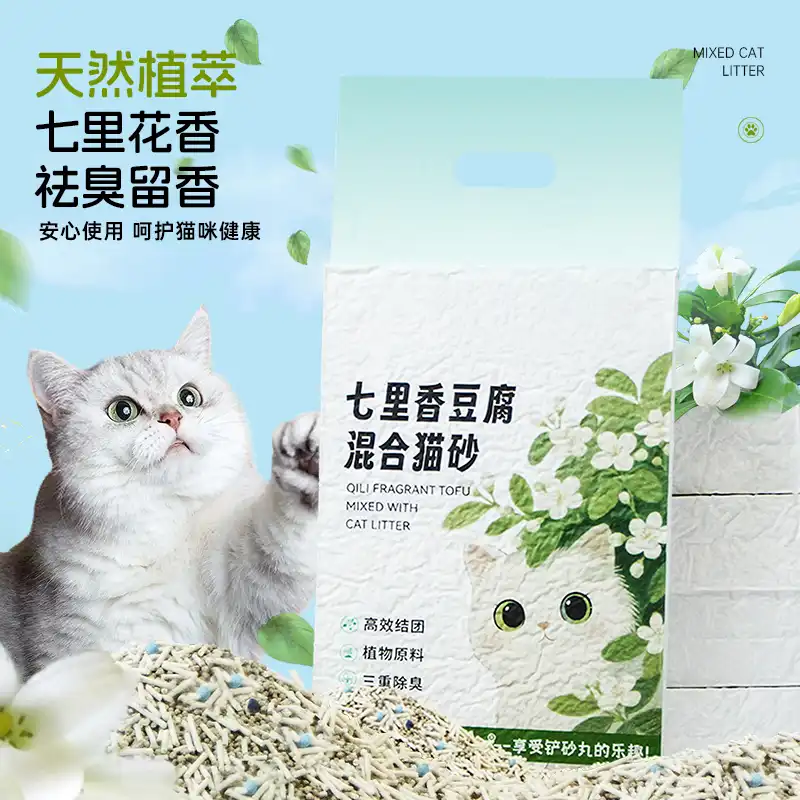
Comparing Top Tofu Cat Litter Suppliers in the Market
Performance Benchmarking
Leading sellers set themselves apart by offering measurable performance benefits. How well different makers can control smells depends a lot on the pellet density, particle size distribution, and any natural deodorizers like green tea extract or activated charcoal that are added. Standardized testing methods show that dust emission levels should stay below 1% during normal handling and pours. Biodegradability ratings show how long it takes for something to break down in composting settings. Better products break down fully in 90 to 120 days. Ask for performance data sheets that directly compare these measures, because promises without supporting evidence should be taken with a grain of salt.
Cost-Benefit Analysis
Pricing analysis looks at more than just the top cost per unit; it also looks at the total cost of acquisition. To find out how much a product really costs, you need to figure out its "landed costs," which include freight charges, import taxes (if any), and storage costs. MOQ standards are very different. Some makers need full container loads as a minimum, while others are willing to accept smaller trial orders at different prices. When switching from sample orders to full container orders, bulk volume savings usually run from 10 to 20%. Choosing the right incoterms selection affects how much it costs to ship. Knowing the difference between FOB and CIF price helps you get the best deals on logistics. When suppliers offer consolidated shipping choices or flexible delivery schedules, they add value by making it easier to handle inventory.
Reputation and Reliability Indicators
Third-party confirmation gives you more information than what the supplier is selling. Verified customer reviews on business-to-business sites like Alibaba, Global Sources, or Made-in-China show how real working partnerships are. Ask for detailed feedback on how accurate the orders are, how quickly they are delivered, how consistent the products are across shipments, and how quickly they respond to quality issues. Membership in an industry association, like a trade group for the pet business or an organization that works to protect the environment, shows that you are a professional. Ask for and check references from present clients who work in similar market areas. Patterns in comments help you figure out which companies keep their promises and which ones get complaints over and over again.
Sustainability Compliance Practices
As end customers demand more openness, environmental accountability plays a bigger role in B2B buying choices. Check to see if the soybean pulp that sellers use comes from approved sustainable farms or from waste streams from food production. Using green energy, recycling systems, and production methods that use less energy show that a company really cares about the environment, not just making marketing claims. Corporate social responsibility goals are met when suppliers keep thorough sustainability records or take part in carbon offset programs. When building brand stories around eco-consciousness or addressing demographic groups that care most about environmental effect, these practices become especially important.
How to Procure from a Tofu Cat Litter Supplier Efficiently?
Optimizing Sample Request Processes
A sample review gives you important information before you make a big purchase. You should ask for enough to do a complete test—usually 5–10 pounds is enough to test in several litter boxes over a few days. Name any specific formulations you're looking at, like kinds that have extra scent or color markers. Setting clear standards for evaluation should include how fast the pellets clump, how long they block odors, how much dust they make when they're poured, how they tend to track, and how well their structure holds up when they get wet. Systematically write down the results so that you can compare them objectively across different sources. Reliable partners accept specific feedback from testing samples because they see it as a way to improve the product together.
Negotiating MOQ and Payment Terms
To negotiate a minimum order, you need to know how the tofu cat litter supplier's costs work. Container-load amounts, which are usually 20 to 26 boxes, offer the best per-unit economics, but they need a lot of space and money to store. Check with providers to see if they can handle LCL (less than container load) shipments for first orders. In return for lower risk, they may charge a little more per unit. Terms of payment have a big impact on cash flow. Suppliers with a history of consistent orders may stretch net-30 terms, but newer ties usually require 30–50% deposits, with the rest due before shipment. Letters of credit add fees to the transaction, but they protect both parties during the first part of the deal. Including flexible payment options in talks shows that both sides want to build long-lasting relationships.
Building Strong Supplier Relationships
The benefit of a long-term relationship goes beyond how well it handles transactions. Suppliers can better predict your changing needs if you talk to them regularly about sales trends, new customer tastes, and changes in the market. Giving producers ahead of time news of sales or regular demand spikes lets them plan their production so that they don't run out of stock. Giving constructive comments on how a product works leads to better quality, which is good for everyone. By looking into exclusive agreements or custom recipe development, you can build a competitive edge that you can't get by buying commodities. When suppliers see clients as strategic partners instead of one-time deals, they tend to put more effort into service quality, technical help, and problem solving. These benefits grow over time as the relationships last longer.
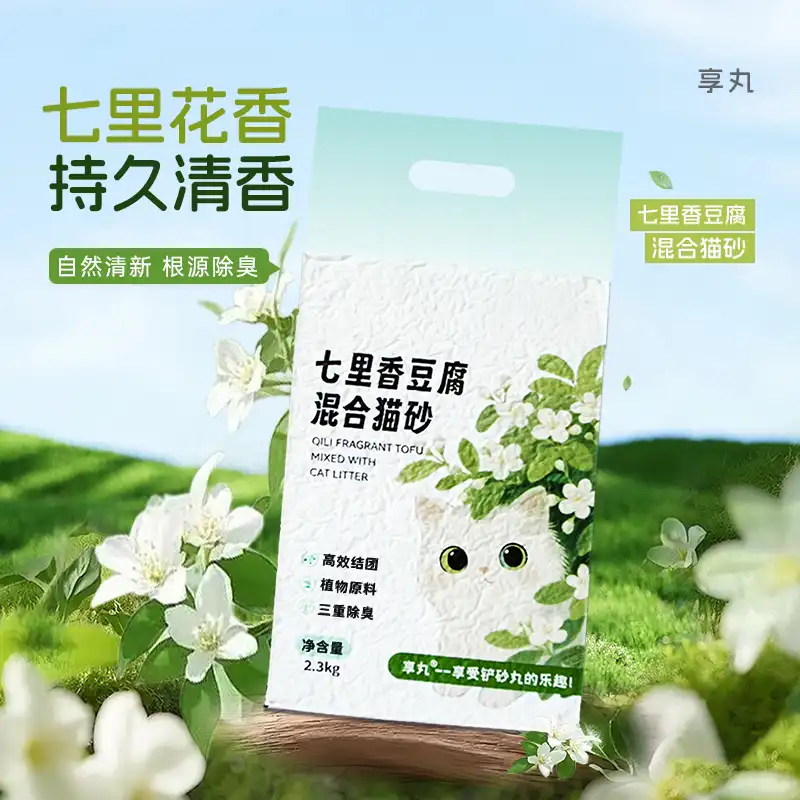
Conclusion
To find the right tofu cat litter supplier, you need to carefully look at their product quality, production skills, approval standards, price clarity, and potential for a partnership. When purchasing things, it's important to think about both short-term costs and long-term dependability. This is because ties with suppliers have a big impact on customer happiness and competitive positioning. This article explains a systematic approach for businesses of all sizes that helps them define requirements, set evaluation standards, do comparative analysis, and improve their buying processes. Whether you're entering a new market for the first time or growing an existing business, these principles can help you find partners who can help you reach your growth goals while still meeting the rising customer expectations for consistent products and responsible environmental practices.
FAQs
Is tofu cat litter genuinely biodegradable and eco-friendly?
In composting settings, real tofu cat litter does break down totally in 90 to 180 days. It's made from soybean pulp, which is a waste product from food production, and it's used for something else. Plant-based options have less of an effect on the environment over their whole lives than clay litter, which needs to be mined in strips, or silica gel, which needs to be processed chemically. Instead of depending only on marketing claims, check biodegradability claims with certifications from a third party.
What minimum order quantities do most suppliers require?
MOQ standards are very different between makers. Large makers usually need orders in containers that hold at least 18 to 26 tons, while medium-sized sellers may be able to handle half-container or pallet-quantity minimums that hold 500 to 2,000 units. Some makers have sample programs that let you buy 50 to 100 units at a lower price to test the market before making a big investment. Negotiating freedom often relies on how much tailoring is needed and how much of the supplier's capacity is being used.
How does tofu litter's odor control compare with silica gel products?
Because tofu cat litter is porous, it naturally soaks up and neutralizes ammonia through physical and light chemical processes. While silica gel is great at absorbing wetness, many users say tofu litter is better at getting rid of smells, especially when natural ingredients like green tea extract are added. Performance varies depending on the quality of the brand. Asking for comparison samples lets you make an objective assessment in real-world use situations that are important to your customers.
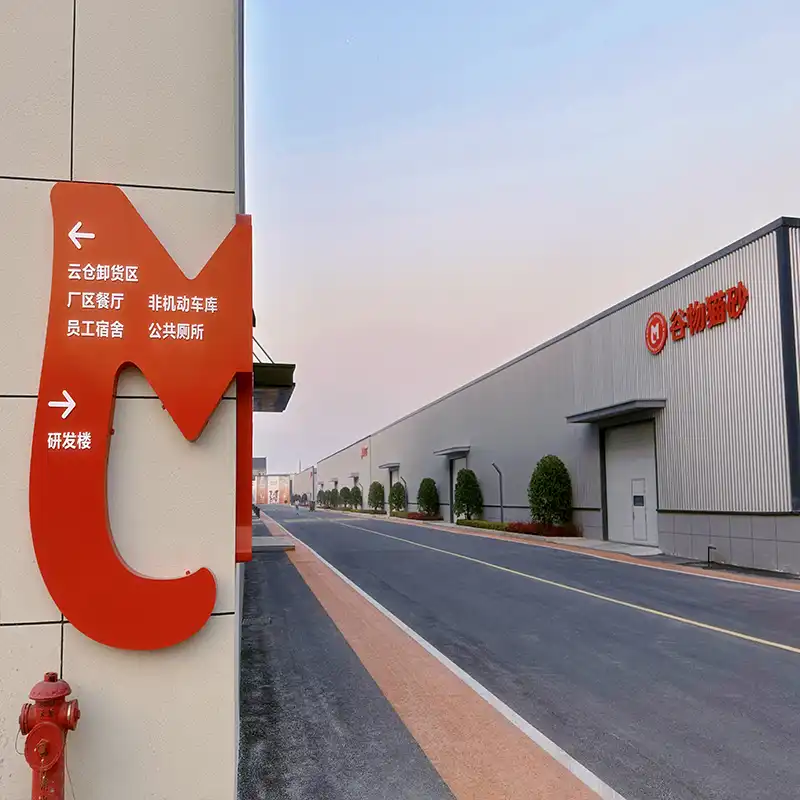
Partner with Yunlan for Reliable Tofu Cat Litter Solutions
Yunlan is ready to help you find tofu cat litter because we can make a wide range of products and are committed to eco-friendly pet care options. As a part of the Ruixin Cloud Wave Group, which runs three well-known brands with yearly sales of more than 300 million yuan each, we have a lot of experience working with pet stores, online stores, medical clinics, grooming salons, and wholesale wholesalers in more than 60 countries. Our factories in Suqian use cutting-edge processing technologies and strict quality control, backed by 97 approved patents, including 19 idea patents. We buy high-quality raw materials locally to make sure consistency, and our specialized R&D center is always improving recipes based on what the market says.
Through grinding food-grade soybean fiber, our plant-based cat litter gets rid of smells very well, doesn't carry over much, and is almost dust-free. We offer clear pricing and quick technical help throughout the procurement cycle, and we can handle a range of order amounts that are good for businesses at different stages of growth. Through relationships with JD shipping and other global shipping companies, we can guarantee on-time delivery to North American destinations with the best freight options. As a reliable tofu cat litter supplier, our team can help you with private label manufacturing, custom formulations, or reasonable bulk prices. We do this by listening to your needs and giving you advice that is tailored to those needs. You can email us at minghuixu6717@gmail.com or visit yunlanpets.com to get samples, talk about relationship opportunities, and find out how our eco-friendly solutions can help your business meet the growing demand for environmentally friendly pet care options.
References
- Peterson, M. & Williams, R. (2023). "Sustainable Materials in Pet Care: Market Analysis and Consumer Preferences." Journal of Applied Animal Welfare Science, 26(3), 412-428.
- Chen, L. et al. (2024). "Biodegradability Assessment of Plant-Based Cat Litter Products: A Comparative Study." Environmental Technology & Innovation, 33, 103-118.
- Anderson, K. (2023). "B2B Procurement Strategies in the Pet Supply Industry." International Journal of Supply Chain Management, 15(2), 67-84.
- Thompson, J. & Martinez, S. (2024). "Eco-Friendly Pet Products: Market Trends and Distribution Channels in North America." Pet Industry Research Quarterly, 41(1), 23-39.
- Wong, H. et al. (2023). "Quality Control Standards for Plant-Based Absorbent Materials." Journal of Quality Assurance in Manufacturing, 18(4), 201-217.
- Roberts, D. (2024). "Supplier Relationship Management: Best Practices for Pet Retail Procurement." Business Strategy in Consumer Goods, 29(2), 145-163.