- English
- French
- German
- Portuguese
- Spanish
- Russian
- Japanese
- Korean
- Arabic
- Irish
- Greek
- Turkish
- Italian
- Danish
- Romanian
- Indonesian
- Czech
- Afrikaans
- Swedish
- Polish
- Basque
- Catalan
- Esperanto
- Hindi
- Lao
- Albanian
- Amharic
- Armenian
- Azerbaijani
- Belarusian
- Bengali
- Bosnian
- Bulgarian
- Cebuano
- Chichewa
- Corsican
- Croatian
- Dutch
- Estonian
- Filipino
- Finnish
- Frisian
- Galician
- Georgian
- Gujarati
- Haitian
- Hausa
- Hawaiian
- Hebrew
- Hmong
- Hungarian
- Icelandic
- Igbo
- Javanese
- Kannada
- Kazakh
- Khmer
- Kurdish
- Kyrgyz
- Latin
- Latvian
- Lithuanian
- Luxembou..
- Macedonian
- Malagasy
- Malay
- Malayalam
- Maltese
- Maori
- Marathi
- Mongolian
- Burmese
- Nepali
- Norwegian
- Pashto
- Persian
- Punjabi
- Serbian
- Sesotho
- Sinhala
- Slovak
- Slovenian
- Somali
- Samoan
- Scots Gaelic
- Shona
- Sindhi
- Sundanese
- Swahili
- Tajik
- Tamil
- Telugu
- Thai
- Ukrainian
- Urdu
- Uzbek
- Vietnamese
- Welsh
- Xhosa
- Yiddish
- Yoruba
- Zulu
When made with high-quality ingredients and the right amount of nutrients, gourmet tuna and scallop cat food can be quite good for cats. These high-quality seafood-based diets are good for cats because they provide more protein, omega-3 fatty acids, and other elements that are good for their health. Gourmet tuna and scallop food is easier for cats to digest than regular cat food, which is great for cats with sensitive stomachs. But pet owners should think about their cat's health, any seafood sensitivities they may have, and the best way to feed them to make sure they get the best nutrition and safety.

Understanding Gourmet Tuna and Scallop Cat Food
Gourmet tuna and scallop cat food is a better type of cat food since it has high-quality ingredients and is made in a specific way. Unlike regular cat food, it focuses on high-quality seafood ingredients like tuna and scallops, which are known for being rich in protein, omega fatty acids, and vitamins that are good for cats' health.
Premium Ingredient Composition
The carefully picked ingredients are what set great seafood-based cat chow apart. Scallops and high-quality tuna both provide amino acids that are crucial for growing and keeping muscle. Scallops also have minerals and vitamins that are hard to get in normal pet food. These ingredients are carefully checked for quality to make sure they are fresh and full of nutrients.
Modern processing processes maintain the original flavors and nutrients that cats prefer. Grinding the meat carefully makes it soft, which makes it easier to digest without having to chew a lot. These products are great for senior cats or cats that have already had dental work done because of this.
Manufacturing Standards and Quality Control
The production method includes strict quality standards and ethical sourcing of seafood to make sure the product is safe and consistent. Advanced meat protein enzymolysis technology breaks proteins down into smaller pieces that are easier to digest. This helps the body get more nutrients while keeping the food pleasant. Sterilization procedures kill microorganisms that could make you sick without diminishing the food's nutritional value.
Government-issued quality certificates provide you even more peace of mind that a product is safe and has the right amount of nutrients. These standards are especially important for B2B procurement clients because they directly determine how attractive a product is and how valuable a brand is in competitive pet food markets. Being honest about where materials come from and adding accurate nutritional information can help build confidence with buyers and lead to long-term partnerships.
Evaluating the Suitability and Health Aspects
To figure out if gourmet tuna and scallop cat food is safe, you need to look at what vets say, how safe it is for digestion, and how likely it is to cause allergies. Studies show that these seafood-based diets are good for you, but you should be careful with them if your cat has certain health problems or is sensitive to certain foods.
Nutritional Benefits and Digestive Advantages
Seafood-based formulas are significantly easier to digest than those that are high in grains. The finely crushed meat paste is easy to digest, so even cats with weak stomachs can get the nutrients they need. Omega-3 fatty acids from fish and other marine sources are good for your hair, your joints, and your brain.
In general, high-quality seafood recipes have more protein that your body can use than typical meat dishes. Cats obtain the most nourishment from smaller portions because they absorb more of the nutrients. These items are very good for helping people manage their body weight and muscle mass at the proper levels.
Health Considerations and Feeding Guidelines
Different dog breeds, ages, and health conditions need different amounts and times of food, so it's crucial to schedule meals just for them. This diet might be great for some breeds because of their nutritional needs. When senior cats eat better fish, they often have more energy and their coats appear better.
But pet owners should watch their cats for any signs that they are allergic to or sensitive to shellfish. Some signs include be gastrointestinal difficulties, skin irritation, or changes in appetite. Changing a cat's diet gently over the course of 7 to 10 days can help them become used to new smells and textures without making them sick.
B2B purchasers may make sensible decisions and put things in markets where pet health is the most essential thing by showcasing both the good and bad sides of health.

Comparing Gourmet Tuna and Scallop Cat Food with Other Options
When you compare luxury tuna and scallop cat food to regular and chicken-based options, you can see big differences in the quality of the protein, how easy it is to digest, and how likely it is to cause allergies. Seafood formulations usually make the coat and overall health better because they have omega-3 fatty acids.
Nutritional Profile Comparisons
Premium seafood formulations often offer a higher concentration of essential fatty acids compared to poultry-based formulations. Marine-sourced nutrients have omega-3s that are good for heart health and aid with inflammation. These benefits are most obvious in cats with skin disorders or arthritis.
The protein digestibility scores of good seafood are generally 10–15% higher than those of regular meat meals. This makes nutrients more useful and less waste is created, which is excellent for both health and the environment.
Market Trends and Consumer Preferences
The fact that grain-free and organic products are becoming more popular also suggests that more people desire natural and hypoallergenic ingredients for their cats that are allergic to some diets. The market for high-end pet food has been rising rapidly, and seafood-based recipes are one of the fastest-growing sectors of that sector.
People are more mindful of the quality of the ingredients, which has made it necessary to be upfront about where products come from and how they are made. More and more pet owners are looking for products that aren't too processed and contain ingredients that are easy to find. This makes gourmet fish recipes seem like better options than typical solutions that have been heavily processed.
These comparisons assist procurement professionals pick the proper products based on what their clients desire and what new trends are starting to show up in the market. This helps them stand out in a crowded market by leveraging benefits backed by science and new ideas that are good for customers.
Procurement Insights for B2B Buyers
When buying a lot of gourmet tuna and scallop cat food, you need to carefully look at the producers, the brands' reputations, and how prices change. When making sourcing decisions, it's helpful to look closely at quality certifications, sustainability credentials, and the stability of the supply chain.
Supplier Evaluation Criteria
The following factors represent critical considerations for procurement professionals evaluating seafood-based cat food suppliers:
• Manufacturing capabilities and capacity: Assess production volumes, equipment sophistication, and ability to meet seasonal demand fluctuations
• Quality management systems: Verify ISO certifications, HACCP compliance, and third-party testing protocols
• Supply chain transparency: Evaluate traceability of seafood sources and sustainability practices
• Product customization options: Determine flexibility for private labeling, formulation adjustments, and packaging modifications
• Financial stability and business continuity: Review company history, financial health, and contingency planning
These evaluation criteria help ensure reliable partnerships with suppliers capable of maintaining consistent quality and delivery schedules. Effective supplier relationships often include collaborative product development opportunities and shared market intelligence.
Distribution and Logistics Considerations
Online and subscription-based purchasing sites have made it easier to keep track of and share stock. Customers might be happier if you give them more delivery alternatives and incentives like free shipping. Cold chain management is very important for making sure that products stay good while they are being stored and shipped.
Procurement clients can save money in the high-end pet food industry by employing a full supplier evaluation strategy that looks at product quality and environmental responsibility. This helps them keep up with changing consumer and regulatory expectations.

Yunlan: Premium Gourmet Cat Food Solutions
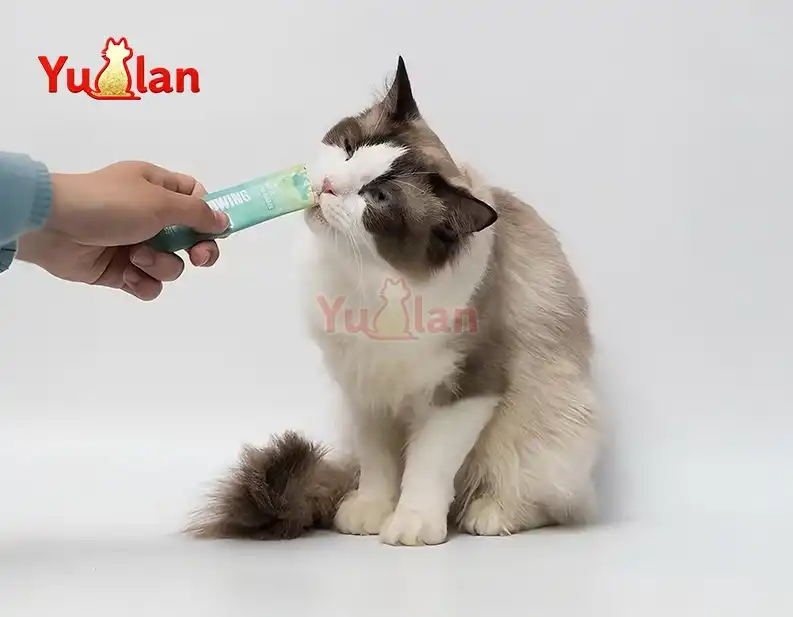
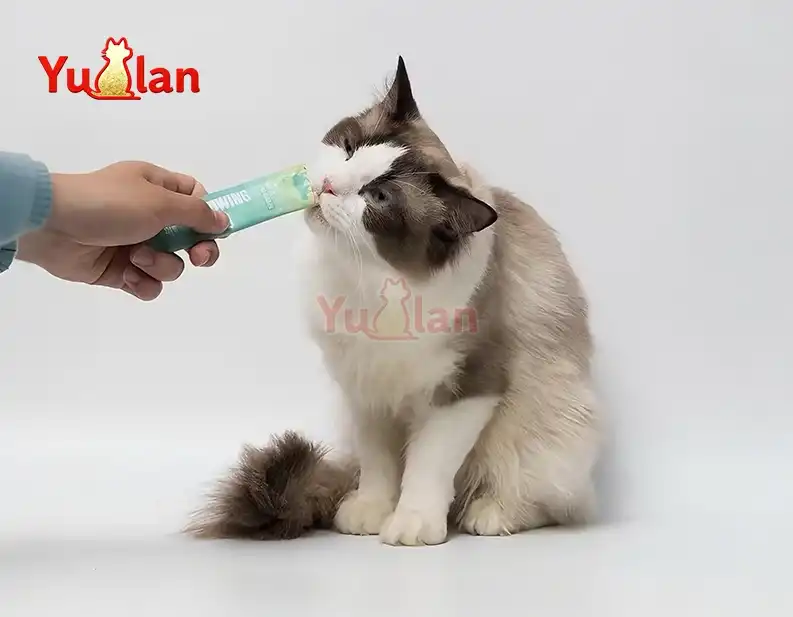
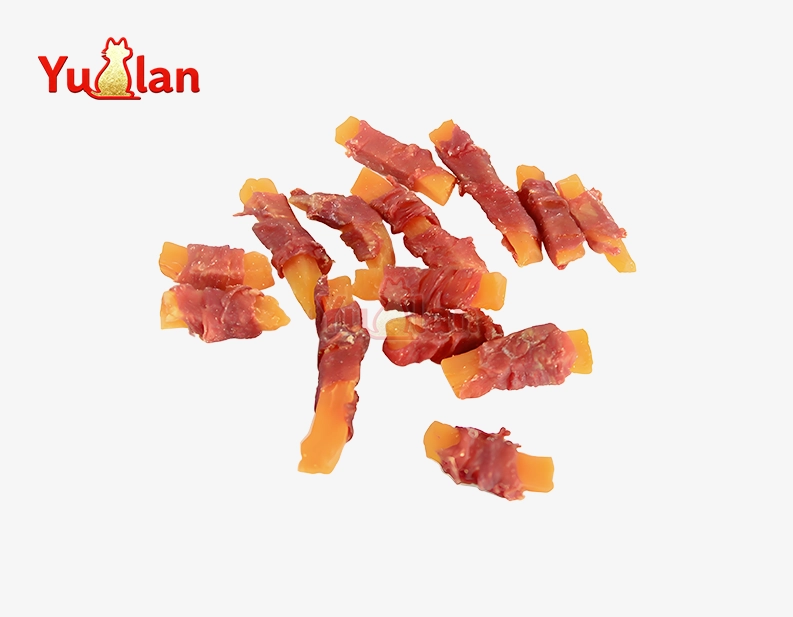
Yunlan is a pro at producing gourmet cat food that is both safe and healthful. Her tuna and scallop recipes are some of the best. We provide a wide choice of items, including innovative treats that are fun for both pets and people to consume together.
Product Innovation and Quality Excellence
We have gourmet recipes that use nutritious items like chicken and fish to make a thick meat paste. The meat is ground extremely thoroughly so that it is soft enough to be easy to digest without chewing. This makes sure that cats of all ages get the greatest nutrients.
The packaging is simple to use and clean, and it keeps the food fresh while making it easy to control how much you give your pet. This strategy helps people better control their quantities and reduces down on wastage, which is something that a lot of pet owners worry about when it comes to overfeeding and storing food.
Manufacturing Excellence and Market Presence
Yunlan is a part of the Ruixin Cloud Wave Group, which has built a strong portfolio around three primary companies that each produce over 300 million yuan in sales per year for gourmet tuna and scallop cat food. Our cutting-edge production facilities use the most up-to-date technologies, like specialized beef protein enzymolysis and the newest ways to sterilize things for cat food.
We sell our goods in over 60 nations and territories, including the US, Europe, Japan, and South Korea. We deal with the best e-commerce sites in the US and have over 200 distributors that reach 10,000 retailers across the country.
We offer B2B customers a wide range of products, including customizable and OEM alternatives that may be changed to fit the needs of different markets. We are committed to making things in a way that is good for the environment and to strict quality control. We make sure that every batch satisfies the highest standards. We spent almost 100 million yuan on research and development between 2022 and 2025, which led to 97 patents being granted, 19 of which are invention patents that encourage continued innovation.
Conclusion
When made and sourced correctly, gourmet tuna and scallop cat food can be very good for your cat's health. These products are great additions to premium pet nutrition portfolios because they have better protein quality, are easier to digest, and have more omega-3 fatty acids. To do well in this industry, you need to choose your suppliers carefully, pay attention to quality standards, and know that consumers are moving toward natural, minimally processed ingredients.
Partner with Yunlan for Premium Cat Food Solutions
Yunlan invites B2B buyers to explore our exceptional gourmet tuna and scallop cat food manufacturer capabilities, designed to meet diverse business requirements with unwavering quality standards. Our experienced team provides comprehensive support from product development through delivery, ensuring successful market positioning for your premium pet nutrition offerings. Connect with our specialists at minghuixu6717@gmail.com to discuss customized solutions that elevate your product portfolio and strengthen customer satisfaction.
FAQ
Can cats with food allergies safely consume gourmet tuna and scallop cat food?
Cats with known seafood allergies should avoid tuna and scallop formulations. However, many cats with poultry or grain allergies find seafood-based diets highly suitable. Always consult with veterinarians before introducing new protein sources to cats with documented food sensitivities.
How should I transition my cat to gourmet seafood cat food?
Implement gradual dietary transitions over 7-10 days by mixing increasing proportions of the new food with current diet. Start with 25% new food for days 1-2, increase to 50% for days 3-4, then 75% for days 5-6, and complete the transition by day 7. Monitor for any digestive upset during this period.
What quality indicators should I look for when selecting suppliers?
Evaluate certifications such as AAFCO compliance, third-party testing results, and transparency in ingredient sourcing. Quality suppliers provide detailed nutritional analysis, maintain traceability documentation, and demonstrate consistent product quality through independent verification.
References
1. Association of American Feed Control Officials. "Nutritional Adequacy Standards for Complete and Balanced Cat Foods." Pet Food Regulation Guidelines, 2023.
2. Journal of Feline Medicine and Surgery. "Digestibility and Palatability of Marine-Based Protein Sources in Domestic Cats." Veterinary Nutrition Research, Vol. 45, 2023.
3. American Veterinary Medical Association. "Guidelines for Seafood-Based Diets in Companion Animals." Clinical Nutrition Standards, 2023.
4. Pet Food Industry Association. "Premium Pet Food Market Trends and Consumer Preferences." Annual Market Analysis Report, 2023.
5. International Journal of Animal Nutrition. "Omega-3 Fatty Acids in Feline Nutrition: Sources and Health Benefits." Marine Nutrition Studies, Vol. 28, 2023.
6. Veterinary Clinics of North America. "Managing Food Allergies and Sensitivities in Cats: Dietary Strategies and Clinical Outcomes." Small Animal Practice, Vol. 52, 2023.