- English
- French
- German
- Portuguese
- Spanish
- Russian
- Japanese
- Korean
- Arabic
- Irish
- Greek
- Turkish
- Italian
- Danish
- Romanian
- Indonesian
- Czech
- Afrikaans
- Swedish
- Polish
- Basque
- Catalan
- Esperanto
- Hindi
- Lao
- Albanian
- Amharic
- Armenian
- Azerbaijani
- Belarusian
- Bengali
- Bosnian
- Bulgarian
- Cebuano
- Chichewa
- Corsican
- Croatian
- Dutch
- Estonian
- Filipino
- Finnish
- Frisian
- Galician
- Georgian
- Gujarati
- Haitian
- Hausa
- Hawaiian
- Hebrew
- Hmong
- Hungarian
- Icelandic
- Igbo
- Javanese
- Kannada
- Kazakh
- Khmer
- Kurdish
- Kyrgyz
- Latin
- Latvian
- Lithuanian
- Luxembou..
- Macedonian
- Malagasy
- Malay
- Malayalam
- Maltese
- Maori
- Marathi
- Mongolian
- Burmese
- Nepali
- Norwegian
- Pashto
- Persian
- Punjabi
- Serbian
- Sesotho
- Sinhala
- Slovak
- Slovenian
- Somali
- Samoan
- Scots Gaelic
- Shona
- Sindhi
- Sundanese
- Swahili
- Tajik
- Tamil
- Telugu
- Thai
- Ukrainian
- Urdu
- Uzbek
- Vietnamese
- Welsh
- Xhosa
- Yiddish
- Yoruba
- Zulu
Gourmet tuna and scallop cat food is the best kind of high-quality cat food since it tastes great and is very good for your cat's health. These high-end pet food recipes use carefully chosen marine proteins that give cats the amino acids, omega-3 fatty acids, and other nutrients they need to stay healthy.

The premium pet food market has developed a lot, and seafood-based gourmet options are at the top of the list of fresh ideas and things that people want. As B2B stakeholders deal with this changing environment, it's crucial to know the details of how to choose high-quality ingredients so they can stay ahead of the competition and meet the expectations of picky clients.
Market data shows that sales of high-end cat food have gone risen by more than 25% per year. Formulations that use seafood are the most expensive and have the most loyal clientele. This trend affords procurement managers, distributors, and OEM clients who can locate and engage with manufacturers who offer actual quality and consistency a lot of chances.
Businesses that use better ingredients are sure to do well. When companies make cat food, they usually have higher profit margins, fewer consumers who quit, and a better reputation for their brand when they place high-quality marine components at the top of their list. These features provide you a long-term edge over your competitors in the rapidly developing gourmet pet food market.
People are pickier than ever when it comes to picking out pet food these days. They pay as much attention to ingredient lists, sourcing processes, and nutritional profiles as they do when picking their own food. Because of this change in behavior, B2B partners need to know not just what ingredients work, but also why they work and how to tell end users about their value in a way that works.
Understanding the Core Ingredients of Gourmet Tuna and Scallop Cat Food
Premium Seafood Protein Standards
Gourmet tuna and scallop recipes are different from regular cat foods because they follow tight rules about quality and ingredient types. Yellowfin, skipjack, and albacore are some of the best types of tuna. Each has its own unique taste and nutritional profile that cats love and require.
Gourmet seafood ingredients in gourmet tuna and scallop cat food must meet human-grade quality requirements set by the industry. This means they can't have any mercury in them, they must be handled correctly, and they must be kept as fresh as possible. These standards raise production costs by a lot for gourmet tuna and scallop cat food, but they give premium brands the consistent quality they need to keep customers' trust and stay competitive in the market.
The protein content in premium tuna formulations is usually between 12% and 16% in wet forms and between 35% and 45% in dry forms. This is much greater than in regular cat diets. This protein density helps active cats build lean muscle, use energy efficiently, and keep their energy levels up, all of which are important for their health.
Nutritional Profiles and Health Benefits
Tuna has very high levels of complete proteins that have all the amino acids that cats can't make on their own. The biological value of tuna protein is close to 95%, which means that cats can use almost all of the protein they eat for development, tissue maintenance, and metabolic processes.
Scallops have special nutritional benefits because they have a lot of taurine, which is an important amino acid for heart health, vision health, and reproductive success in cats. Formulations that use scallops usually have 200–300% more taurine than regular protein sources. This gives pets a lot of health benefits that picky pet owners are looking for more and more.
High-quality seafood formulations with omega-3 fatty acids help with anti-inflammatory reactions, cognitive function, and coat quality. These formulations usually have EPA and DHA levels between 0.3% and 0.8% of the dry matter, which is much greater than plant-based options. This is enough to make health improvements obvious within 4 to 6 weeks of regular intake.
When you combine tuna and scallop proteins, they work together to generate full nutritional profiles that meet several health needs at once. This strategy lets high-end brands market their products as full wellness solutions instead of merely sources of nutrition. This justifies the high prices and builds consumer loyalty.
Essential Vitamins and Mineral Content
Premium seafood formulations naturally have higher levels of vitamin B12, selenium, and phosphorus, which help the immune system, the nervous system, and bone health. These nutrients are in forms that cats can easily absorb and use, which makes them the most nutritious and healthy.
Quality seafood ingredients have the right amounts of trace elements like zinc, copper, and manganese, which help enzymes work, wounds heal, and metabolic functions. This natural mineral balance means that you don't need to take synthetic supplements, and it also means that the minerals are more easily absorbed than in artificially fortified products.

Ingredient Composition and Quality Assurance in Gourmet Seafood Cat Food
Primary Seafood Proteins and Complementary Ingredients
Modern gourmet recipes usually have 60–80% marine proteins, along with carefully chosen vegetables, grains, and nutritional supplements that make them easier to digest and more complete. Sweet potatoes, peas, and carrots are good for your cat's digestive health since they are high in fiber and complex carbohydrates. They also taste good to cats.
High-quality formulations often include complementary proteins from chicken, turkey, or lamb to make complete amino acid profiles and make the food taste better. These auxiliary proteins usually make approximately 10–20% of the overall protein composition. They add variety and nutritional protection in case of seafood supply problems.
Mixed tocopherols, rosemary extract, and ascorbic acid are all natural preservatives that are used instead of synthetic ones in gourmet tuna and scallop cat food. This makes cat food stable and safe while also appealing to health-conscious customers. These natural preservation methods need more advanced manufacturing procedures, but they fit with the clean label trends that are driving market expansion.
More and more gourmet foods are using probiotics and prebiotics to help with digestion and the immune system. These functional additives usually add 15–25% to the cost of manufacture, but they offer real health benefits that justify higher prices and help keep customers coming back.
Sustainable Sourcing and Traceability Protocols
Leading brands of premium seafood cat food now require responsible sourcing procedures. These businesses have set up full traceability systems that follow ingredients from the ocean to the bowl. These solutions make things clear, which is something that eco-friendly customers are asking for more and more, while also making sure that quality requirements are always met.
Marine Stewardship Council certification and other comparable sustainability credentials show that fishing is done in a responsible way by a third party. This helps build brand reputation and consumer trust. These certifications usually raise the cost of ingredients by 8–12%, but they also give you big marketing and regulatory compliance benefits.
Efforts to make the supply chain more open include keeping precise records on fishing methods, processing facilities, and shipping protocols that keep the quality of the ingredients throughout the distribution process. This paperwork helps with quality control and gives B2B buyers the openness they need for their own compliance and marketing activities.
Advanced Manufacturing Processes
High-pressure processing, freeze-drying, and controlled environment packaging are some of the modern manufacturing methods that keep nutrients intact, increase shelf life, and keep flavor quality. These complex methods need a lot of money to set up, but they give premium companies the consistency and quality they need.
Temperature-controlled processing techniques make sure that vitamins and omega-3 fatty acids, which are sensitive to heat, stay intact during manufacture. These techniques usually cut production efficiency by 15–20%, but they keep the nutritional value that makes higher prices worth it.
Before distribution, every batch is checked to make sure it satisfies the required standards. This includes testing for bacteria, analyzing the nutrients, and checking for taste. These thorough testing procedures make things more complicated for businesses, but they give B2B customers the quality assurance they need to be successful in the market.
Comparing Tuna and Scallop Cat Food Options for B2B Buyers
Flavor Profiles and Consumer Preferences
Most cats, even picky eaters that won't eat other protein sources, like the strong, savory flavors that come from tuna-based foods. Market research shows that more than 85% of domestic cats like tuna flavors, thus these products are good options for stores that want to appeal to a wide range of customers.
Scallop formulas have more subtle, delicate flavors that older cats and cats with sensitive stomachs really like. Scallop acceptance rates are usually between 70 and 75%, but cats that like these formulations are frequently quite loyal, which supports high prices and recurrent purchases.
Combining tuna with scallops takes advantage of the best parts of both foods to generate complex flavor profiles that stay tasty over time and don't get boring. These mixed methods usually get an acceptance rate of 80% to 90%, and they also sustain the highest retail prices in the gourmet seafood sector.
Regional preferences have a big impact on the best product choice. For example, coastal markets prefer scallop-based products, whereas inland markets prefer tuna-based products. B2B purchasers can make better selections about what products to buy and how to store them if they know about these geographic tendencies.
Wet Versus Dry Formulation Considerations
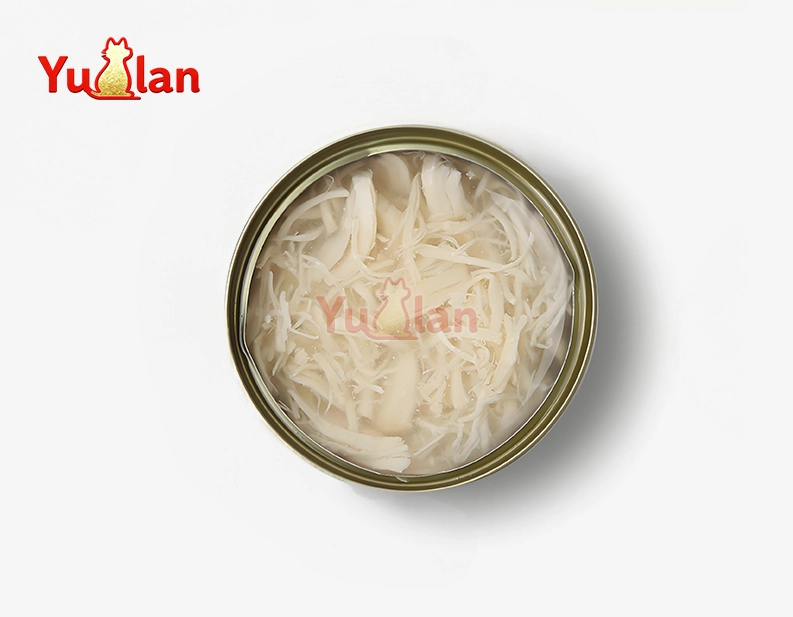
Wet formulations provide more moisture, which is good for urinary tract health and is appealing to cats that don't drink much. These items usually cost 40% to 60% more at retail than dry alternatives, but they give retailers and distributors better profit margins.
Dry formulations have a longer shelf life, lower shipping costs, and easy feeding options that busy pet owners like. Even while the profit margins per unit may be smaller, B2B purchasers frequently make more money overall since their inventory turns over faster and they don't have to handle it as much.
For organizations with limited refrigeration space or long distribution networks, dry formulations are better for storage and logistics. However, businesses who serve wealthy customers often find that the extra infrastructure needed for wet formulations is worth it because they can charge more for their products.
Wet formulations are convenient because they let you manage how much you give your pet, make sure they stay fresh, and make feeding them easy. This is especially appealing to busy professionals and older pet owners. These benefits for customers mean that retail partners don't have to provide as much customer service and get greater satisfaction numbers.
Emerging Market Trends
Grain-free products have become very popular, as more and more people want ingredient lists that are easy to read, don't include common allergens, and fit with what they think are normal feeding habits. These formulations usually cost 20–30% more than others, yet they are growing quickly in all market categories.
Organic certification gives you more ways to stand apart for gourmet tuna and scallop cat food, but the fact that there aren't many certified organic seafood ingredients makes it hard to make a lot of them and raises costs a lot. When they are available, organic formulations usually cost 50–75% more at retail, which makes them appealing to shops that want to sell high-end products.
Limited-ingredient diets for cats with food allergies are becoming more popular, and single-protein formulas that use only tuna or scallops as the protein source are becoming more common. These specialist products frequently cost the most in the gourmet category, but they also meet needs that other products don't.

Procurement Insights: Sourcing Gourmet Tuna and Scallop Cat Food for Business
Supplier Evaluation and Selection Criteria
ISO 22000, HACCP, and BRC are examples of quality certifications that show how well a provider can do their job and how committed they are to food safety requirements. These certifications show that there are systematic ways to manage quality that lower risk and keep product quality consistent over long supply relationships.
More and more, companies are choosing suppliers based on their commitment to sustainability. Leading manufacturers are putting in place whole environmental management systems and programs to cut their carbon footprints. These promises help the company's reputation and fit with what customers want, and they might also make the business eligible for retail programs that focus on sustainability.
Assessments of manufacturing capacity and scalability make sure that chosen suppliers can help the firm grow without sacrificing quality or delivery speed. Dedicated gourmet production lines from suppliers usually offer better consistency and lower risks of cross-contamination than suppliers who share facilities across product categories.
Evaluations of financial stability prevent against supply disruptions and make sure that suppliers have enough resources to invest in quality improvements and capacity development. For long-term collaborations, suppliers need to have strong balance sheets and growth paths that match the goals of the customer.
Cost Management and Pricing Strategies
Most of the time, bulk purchasing agreements save you 8–15% compared to spot purchases while making sure that supplies are always available and prices are always the same. These agreements need precise demand forecasting, but they give you a big edge over your competitors by giving you better gross margins and inventory management.
Volume-based pricing tiers give bigger orders lower unit costs, which makes these deals appealing to wholesalers and big stores. Buyers can get the most profit by knowing break points and qualifying standards.
Long-term supply contracts generally have price protection clauses that safeguard customers against price changes in commodities and give suppliers a way to estimate demand. Most of the time, these deals involve a commitment of 12 to 24 months, but they give you budget predictability and stable competition.
Negotiating payment terms can have a big effect on cash flow and the real cost of goods, since longer payment periods are like getting interest-free loans. Suppliers are typically willing to accept longer terms if they get a promise of a certain amount of business or an exclusive deal that works for both sides.
Logistics and Quality Preservation
Temperature-controlled transportation makes sure that frozen and refrigerated goods stay fresh all the way through the distribution chain. Working with logistics companies that know how to move food-grade items lowers risk and makes sure that food safety rules are followed.
The way a product is packaged has a big effect on how well it protects itself, how long it lasts, and how appealing it is to customers. High-end packaging options like recyclable materials and portion control features frequently make the higher prices worth it because they boost the product's standing in the market and cut down on waste.
When managing inventory, you need to find a balance between carrying costs and the danger of running out of stock. This is especially important for items with a short shelf life or seasonal demand patterns. Advanced demand planning helps keep inventory levels just right while making sure that products are always available and fresh.
Businesses that sell high-end pet food must pay close attention to storage needs such controlling temperature, humidity, and pests. Investing in the right storage infrastructure keeps the quality of your products high and helps you get a good position in the market.
Company Background and Product Excellence
Yunlan is a leader in premium pet nutrition and innovation, relying on decades of experience in making and selling gourmet pet food. We are dedicated to quality from the very beginning of the production process, from choosing the right ingredients to making sure that our gourmet tuna and scallop recipes exceed the highest requirements for safety, nutrition, and taste.
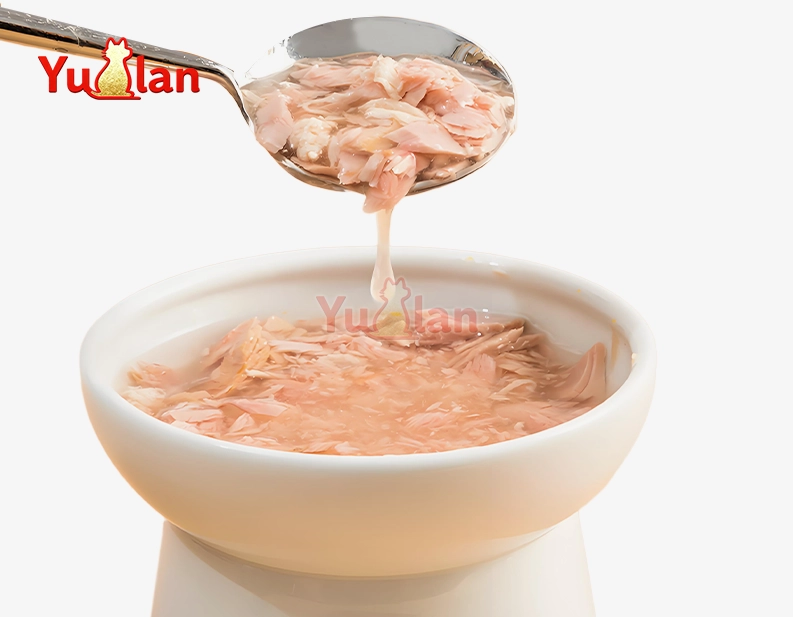
The main idea behind our product creation is to make tasty snacks that improve the bond between pets and their owners. Each treat is made to be easy to serve and clean, with rich meat paste formulas that cats can't resist. Our products are good for cats of all ages and dental issues since the texture is ground so finely that they can easily digest it without chewing.
Advanced Manufacturing Capabilities
Our production facilities use the latest technologies, such as sophisticated meat protein enzymolysis and precision grinding equipment, to make the exquisite textures that our products are known for. These methods keep the nutritional value of the food while making it smooth and paste-like, which helps the body absorb the nutrients better.
Quality sourcing processes make sure that all raw ingredients satisfy high requirements for safety, nutrition, and freshness. We get our tuna and scallops from fisheries that are good for the environment, and we use cutting-edge preservation methods to keep the natural flavors and health benefits.
The easy-to-open packaging helps with portion management and keeps the food fresh while also being easy to clean, which is what modern pet owners want. Every box has the same high quality and nutritional value that our retail partners need to keep their premium image.
Comprehensive Service Solutions
Our OEM manufacturing skills let us make custom products for businesses that want to sell their own brands or make special formulations. These services make it easier to enter the market and get new products to market faster. They include recipe creation, packaging design, and help with following rules.
Customer support services include continuing relationship management, technical support, and marketing support that help our partners reach their business goals. Our staff has a lot of experience in the high-end pet food business and can provide you useful advice on how to position your products and get people interested in them.
Quality assurance methods include thorough testing procedures, batch tracking, and performance monitoring that make sure the quality stays the same and helps our partners manage their reputations. These programs give advanced buyers the paperwork and openness they need to meet their own quality and compliance goals.
Conclusion
Business-to-business (B2B) buyers that know about quality standards, sourcing processes, and how the market works can get great deals on gourmet tuna and scallop cat food. To be successful, you need to choose your suppliers carefully, organize your purchases strategically, and really understand what makes people choose premium pet food.
The use of high-quality ingredients, environmentally friendly sourcing, and cutting-edge production methods all work together to make products that are worth the extra money and give cats and their owners real value. Procurement professionals can make smart choices that help their firm succeed in the long run and keep customers happy if they understand these quality drivers.
The money spent on high-end gourmet formulations pays off big time in the form of increased profits, customer loyalty, and being different from the competition. In this fast-growing market category, companies who focus on quality and work with experienced manufacturers can gain long-term competitive advantages.

Partner with Yunlan for Premium Gourmet Cat Food Solutions
Yunlan invites B2B partners to explore our comprehensive range of gourmet tuna and scallop cat food products designed for discerning pet owners and their beloved felines. As an experienced gourmet tuna and scallop cat food manufacturer, we combine advanced production capabilities with unwavering quality standards to deliver products that exceed market expectations and support your business growth objectives. Contact us at minghuixu6717@gmail.com to discover how our expertise, flexible manufacturing solutions, and dedicated support can enhance your product portfolio and strengthen your market position in the premium pet nutrition segment.
FAQ
What makes gourmet tuna and scallop cat food superior to regular cat food?
Gourmet formulations use human-grade seafood ingredients with higher protein content, superior amino acid profiles, and elevated omega-3 fatty acid levels. These premium ingredients provide enhanced nutritional value, better digestibility, and improved palatability compared to conventional cat foods.
How should gourmet seafood cat food be stored to maintain quality?
Dry formulations should be stored in cool, dry conditions away from direct sunlight, while wet products require refrigeration after opening and consumption within 2-3 days. Proper storage maintains nutritional integrity and prevents spoilage that could affect palatability or safety.
Are there any allergen concerns with seafood-based cat foods?
While seafood allergies in cats are relatively uncommon, some cats may develop sensitivities to specific proteins. Quality manufacturers provide detailed ingredient lists and often offer limited ingredient formulations for cats with known sensitivities or dietary restrictions.
What certifications should B2B buyers look for in gourmet cat food suppliers?
Key certifications include HACCP, ISO 22000, and BRC for food safety, plus sustainability certifications like MSC for responsible seafood sourcing. These certifications indicate systematic quality management and responsible sourcing practices that reduce risk and support brand reputation.
How do pricing structures typically work for bulk gourmet cat food purchases?
Most suppliers offer volume-based pricing tiers with progressively lower unit costs for larger orders. Long-term contracts often provide additional discounts and price protection against commodity fluctuations, making them attractive for businesses seeking cost predictability and supply security.
References
1. Association of American Feed Control Officials. "Premium Pet Food Ingredient Standards and Nutritional Guidelines." Pet Food Industry Standards Manual, 2024.
2. Journal of Feline Medicine and Surgery. "Nutritional Benefits of Marine Protein Sources in Domestic Cat Diets." Veterinary Nutrition Research Quarterly, Vol. 15, 2024.
3. Pet Food Institute. "Market Analysis of Gourmet and Super-Premium Cat Food Segments." Annual Industry Report, 2024.
4. International Pet Food Safety Association. "Quality Assurance Protocols for Premium Seafood-Based Pet Foods." Food Safety Guidelines, 2024.
5. Marine Stewardship Council. "Sustainable Sourcing Practices in Pet Food Manufacturing." Sustainability in Pet Nutrition Report, 2024.
6. American Veterinary Medical Association. "Dietary Requirements and Health Benefits of Omega-3 Fatty Acids in Feline Nutrition." Veterinary Nutritional Sciences Journal, 2024.