- English
- French
- German
- Portuguese
- Spanish
- Russian
- Japanese
- Korean
- Arabic
- Irish
- Greek
- Turkish
- Italian
- Danish
- Romanian
- Indonesian
- Czech
- Afrikaans
- Swedish
- Polish
- Basque
- Catalan
- Esperanto
- Hindi
- Lao
- Albanian
- Amharic
- Armenian
- Azerbaijani
- Belarusian
- Bengali
- Bosnian
- Bulgarian
- Cebuano
- Chichewa
- Corsican
- Croatian
- Dutch
- Estonian
- Filipino
- Finnish
- Frisian
- Galician
- Georgian
- Gujarati
- Haitian
- Hausa
- Hawaiian
- Hebrew
- Hmong
- Hungarian
- Icelandic
- Igbo
- Javanese
- Kannada
- Kazakh
- Khmer
- Kurdish
- Kyrgyz
- Latin
- Latvian
- Lithuanian
- Luxembou..
- Macedonian
- Malagasy
- Malay
- Malayalam
- Maltese
- Maori
- Marathi
- Mongolian
- Burmese
- Nepali
- Norwegian
- Pashto
- Persian
- Punjabi
- Serbian
- Sesotho
- Sinhala
- Slovak
- Slovenian
- Somali
- Samoan
- Scots Gaelic
- Shona
- Sindhi
- Sundanese
- Swahili
- Tajik
- Tamil
- Telugu
- Thai
- Ukrainian
- Urdu
- Uzbek
- Vietnamese
- Welsh
- Xhosa
- Yiddish
- Yoruba
- Zulu
Yes, it is completely safe and good for cats to eat chicken with krill for cats. This mix of nutrients gives you a great amount of high-quality protein from chicken with krill, omega-3 fatty acids, astaxanthin, and marine proteins from krill. The chicken mix helps cats stay healthy by making their coats better, making their food easier to digest, and helping them absorb more nutrients. This protein-rich mix is a tasty and comprehensive meal alternative for cats that has a lot of health benefits at the same time when it comes from trustworthy suppliers who observe safety regulations for chicken with krill for cats.

Understanding Chicken with Krill in Cat Food
Nutritional Composition and Safety Standards
Modern cat food that contains chicken and krill is a new way to think about how to feed cats. This mix uses chicken as the main source of protein and krill to improve the overall nutritional value. Krill has a lot of omega-3 fatty acids EPA and DHA, astaxanthin antioxidants, and natural choline compounds that work well with chicken's amino acids. The freeze-drying procedure keeps almost all of the natural nutrients and makes sure the food is safe by using the right sanitation methods.
Pet feeding regulations say that you have to follow AAFCO requirements exactly, which makes sure that chicken and krill combinations follow all safety rules. Good producers use thorough testing methods to make sure that marine-based ingredients don't have any hazardous microorganisms, heavy metals, or other pollutants. These safety methods deal with possible allergy issues while keeping the quality of both protein sources during processing and storage.
Comparative Nutritional Advantages
Adding krill to chicken-based formulations has clear benefits over fish oil and other typical omega-3 sources. The omega-3 fatty acids in krill that are bound to phospholipids are more bioavailable than those in fish oils that are based on triglycerides. This means that nutrients are absorbed more effectively. Studies show that astaxanthin from krill has much more antioxidant power than vitamin E, which helps cats' cells stay healthy and their immune systems work well.
The combination of chicken and krill in this food makes the amino acid profile more balanced and gives you the fatty acids you need for good skin, coat shine, and joint function. The finely crushed meat makes it easier to digest without having to chew a lot, thus these formulas are great for older cats or cats with sensitive teeth. The soft texture makes it easy for nutrients to be absorbed, which makes both protein sources as healthy as possible.
Key Benefits of Feeding Cats Chicken with Krill
Enhanced Digestibility and Palatability
Chicken and krill together make a very tasty meal that even the pickiest cats will enjoy. The smell of krill, which is like fish, makes you hungry, and the flavor of chicken, which is familiar, makes you feel good. This dual-protein method is especially helpful for cats who are picky eaters or are recovering from an illness when it is hard to get enough nutrients.
Clinical studies show that krill protein is easier to digest than many other types of protein. The marine proteins break down well in a cat's digestive system, which lowers the risk of gastrointestinal upset and makes sure that the cat gets the most out of the nutrients. This digestibility advantage makes chicken and krill combinations especially good for cats with sensitive stomachs or those who are prone to food allergies.
Anti-inflammatory and Joint Support Properties
Krill naturally contains omega-3 fatty acids that are very good for reducing inflammation, which helps keep cats' joints healthy and mobile. EPA and DHA act together to lower signs of inflammation while also improving joint lubrication and cartilage health. These benefits are especially helpful for older cats or cats that have arthritis-related pain.
Astaxanthin in chicken with krill for cats, the strong antioxidant that gives krill its unique color, has more anti-inflammatory effects and is good for heart health. This carotenoid molecule in chicken with krill for cats can pass the blood-brain barrier, which may help older cats' brains work better. These bioactive substances work together to improve the health of cats in a way that goes beyond just meeting their basic dietary needs.
Skin and Coat Quality Improvements
When you regularly feed your dog chicken with krill, you should see a big difference in the gloss, texture, and overall health of their skin. The right amounts of omega-3 and omega-6 fatty acids assist keep the skin barrier working properly while also cutting down on too much shedding and dander production. Cat owners often say that their cats' coats get softer and shinier within weeks of adding these new protein sources.
The phospholipid structure of omega-3s from krill makes it easier for them to go into cell membranes, which helps skin cells grow again and hold onto moisture. This nutrition at the cellular level leads to apparent changes in coat quality and may also help sensitive cats' skin by reducing irritation and allergic reactions.

Comparative Analysis: Chicken with Krill vs Other Cat Food Options
Nutritional Profile Comparisons
When you look at chicken with krill formulations next to regular cat diets that merely have chicken, the nutritional benefits are clear right away. Traditional chicken-based diets are great sources of protein, but they don't have the omega-3 fatty acids that are important for cats' health. Adding krill supplements fills this nutritional shortfall while keeping the taste and digestion of chicken proteins that cats like.
Fish-based cat feeds have omega-3 fatty acids, but they might not have all the amino acids that chicken does. The combined method gives you the best of both protein sources while reducing any possible problems. Krill is lower on the marine food chain than some fish-based meals, which means it is less likely to contain significant levels of mercury.
Cost-Effectiveness and Market Accessibility
Chicken with krill formulations usually costs more than regular chicken dishes, but the extra cost is worth it because they are more nutritious. The high nutrient density means that smaller servings can give you the same or better nourishment as bigger servings of regular foods. Because of this efficiency, daily feeding expenditures are often about the same, even though the price per unit is higher.
As more people learn about the benefits of krill, the market for it is growing. Most big pet stores now carry several brands that sell chicken and krill mixes. Online stores often provide customized mixes that you can't get in stores. Buying in bulk makes these high-quality goods easier to get for homes with more than one cat and for businesses that feed cats.
Sustainability and Environmental Considerations
The Commission for the Conservation of Antarctic Marine Living Resources has set tight rules for how krill can be harvested in a way that is good for the environment. These rules make sure that krill extraction doesn't upset the equilibrium of the ecosystem and gives pets a supply of protein that can be used again and again. When it comes to the environment, krill harvesting is better than traditional fishing methods for other marine protein sources.
When acquired from ethical sources, chicken production has more sustainability benefits because it uses known farming methods and has shorter supply chains. Using both land-based and marine proteins is a way to get proteins from many different sources. This lowers reliance on just one source of protein and supports efforts to protect the environment.
Procurement Insights for Chicken with Krill Cat Food in B2B Markets
Sourcing Channels and Supplier Evaluation
To successfully buy chicken with krill cat food, you need to carefully check the suppliers' competence and quality control procedures. Top producers have certifications from well-known organizations like SQF, BRC, or HACCP. This shows that they are serious about managing food safety and quality. These certifications give procurement managers confidence that the products will be consistent and meet all the rules.
Online B2B platforms make it easy to find and compare prices and specifications from many different vendors. When you work directly with manufacturers, you can get unique formulations and bulk purchasing agreements that make the supply chain work better. Distributors that focus on high-quality pet food typically have useful market knowledge and can help with logistics for regional distribution networks.
Quality Assurance and Certification Requirements
Today's procurement rules include detailed records of where ingredients come from, how they are processed, and how they are tested for nutrition. For each batch, suppliers should give certifications of analysis that show the quantities of protein, omega-3, and microbiological safety. Traceability solutions help with quality control and recall management by letting you monitor materials from their source to the finished product.
As customers want to know more about how chicken with krill for cats pet food is made, organic certifications and sustainable sourcing credentials are becoming more important in buying decisions. Suppliers who offer these high-end certifications for chicken with krill for cats sometimes charge more, but the extra money is worth it because they help with marketing and build confidence with customers.
Market Trends and Innovation Opportunities
The pet food industry is still moving toward functional nutrition ideas that use precise combinations of ingredients to meet certain health needs. Chicken with krill is an early example of this trend. It mixes traditional protein sources with marine elements that are good for health. More functional components, such prebiotics, probiotics, or herbal supplements, could be added in the future.
New packaging innovations can help food last longer and be easier to use while yet keeping its nutritious value. Single-serving sizes help people regulate their portions, while bulk packing alternatives are good for businesses that feed a lot of people. These new packaging ideas let providers offer customized solutions to different market sectors.
Yunlan: Your Trusted Partner for Premium Cat Nutrition Solutions
Comprehensive Product Portfolio and Manufacturing Excellence
Yunlan is at the cutting edge of pet nutrition, using the knowledge of our parent firm, Ruixin Cloud Wave Group, to create high-quality chicken with krill formulas. Yihe, Paihao, and Maodali are our three main brands, and each one makes more than 300 million yuan in sales each year. This shows that the market trusts our ability to make new and high-quality products. We are successful because we are dedicated to making tasty treats that improve the bond between pets and their owners by providing easy, clean ways to feed them.
Our manufacturing prowess includes cutting-edge production lines that use innovative meat protein enzymolysis and livestock processing technology. Our production facilities are in the Suyu District of Suqian City, which is close to high-quality poultry suppliers like Yike Foods and CP Foods. This strategic location makes sure that we always have access to high-quality raw materials and that quality control is stringent throughout the production process.
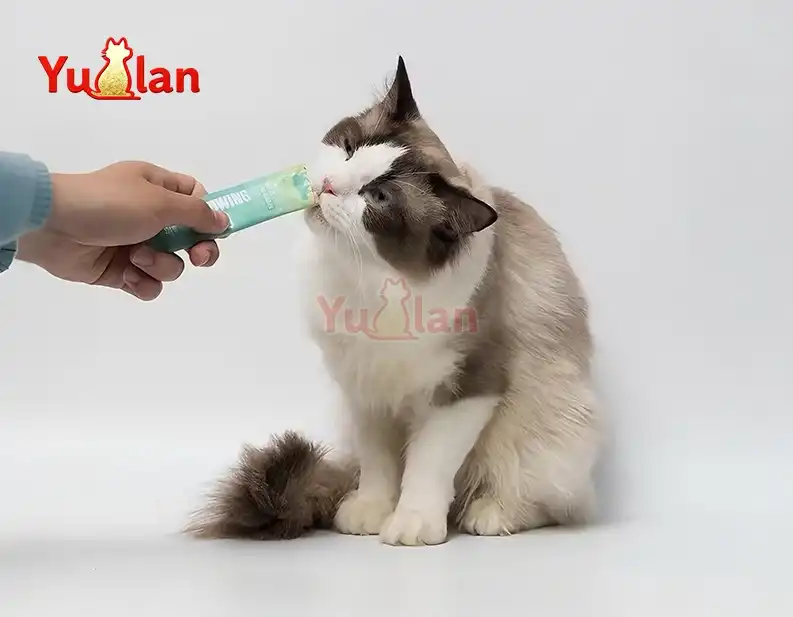
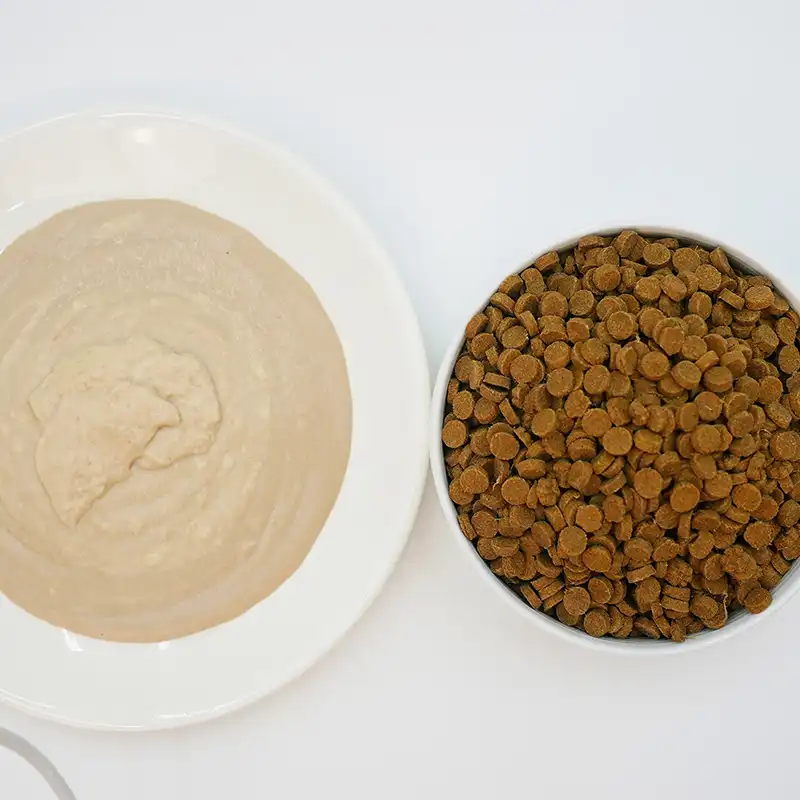
Our chicken with krill products provide finely ground meat with soft textures that cats may easily absorb without having to chew. The rich meat paste recipe includes healthy ingredients like chicken and marine proteins. This makes sure that the nutrients are absorbed as well as possible while also giving modern pet owners the convenient, one-at-a-time feeding experience they want.
Global Reach and Supply Chain Advantages
Yunlan's products are sold in more than 60 nations and regions, including the US, Europe, Japan, and South Korea. This shows that we can fulfill a wide range of international quality standards. In China, our collaborations with major e-commerce sites like Tmall and JD.com employ their large user bases and well-established digital ecosystems to help us reach more customers.
We have a large distribution network that includes more than 200 distributors and 10,000 retail stores in all 33 provincial-level administrative regions in China. This full coverage includes nearly 2,000 new retail outlets that were built as part of our "Hundred Cities, Thousand Stores" plan, which started in 2025. Our management team has more than 20 years of experience in the pet supply chain, which allows us to offer tailored solutions for chicken with krill for cats that satisfy the high standards of the world's top pet companies.
Research and Development Innovation
Innovation is what drives our plan to grow our market, and from 2022 to 2025, we will spend around 100 million yuan on research and development. Our devoted R&D team runs a fully equipped pet food research facility that keeps an eye on market trends and customer needs while making products that meet the nutritional needs of pets and the expectations of their owners.
As of December 2025, we have 97 valid domestic patents, 19 of which are for inventions, 78 for utility models, and 7 for designs. This intellectual property portfolio helps us with our basic research on dogs and cats and gives us strong tools for screening raw materials, analyzing nutritional additives, and comparing the nutritional value of different formulations. These research capabilities let us make unique chicken with krill products that make us more competitive in the market and meet changing customer needs.

Conclusion
Giving cats chicken with krill is a safe and healthy way to feed them since it gives them high-quality protein, omega-3 fatty acids, and strong antioxidants. The precisely balanced mix helps with several elements of cat health, such as digestive health, coat quality, joint function, and overall energy. Procurement professionals may be sure that these high-quality goods exceed strict safety standards and have better nutritional value than traditional single-protein options. Chicken with krill formulations are a great investment in the health of cats and the delight of customers because they are becoming easier to get and are made from sustainable sources.
Partner with Yunlan for Superior Chicken with Krill Cat Nutrition
Yunlan invites procurement professionals and distributors to explore our comprehensive chicken with krill cat food solutions designed specifically for B2B markets. Our proven track record serving over 60 countries demonstrates our commitment to quality, reliability, and customer satisfaction. We offer flexible partnership opportunities including bulk ordering, private label services, and OEM capabilities tailored to your specific market requirements. Contact our expert team at minghuixu6717@gmail.com to request product samples, detailed pricing packages, and consultation services. As a leading chicken with krill for cats supplier, we provide customized formulations that meet your exact specifications while maintaining our industry-leading quality standards.
FAQ
Is daily feeding of chicken with krill safe for cats?
Daily feeding of properly formulated chicken with krill products is completely safe for cats when following manufacturer feeding guidelines. These products undergo rigorous safety testing and meet AAFCO nutritional standards. The combination provides balanced nutrition suitable for regular consumption while supporting long-term health benefits.
How does krill compare to fish oil for coat quality improvement?
Krill offers superior bioavailability compared to fish oil due to its phospholipid-bound omega-3 structure. This enhanced absorption leads to faster and more noticeable improvements in coat shine and skin health. Additionally, krill provides astaxanthin antioxidants that fish oil lacks, offering additional skin protection benefits.
What bulk purchase options are available for distributors?
Most manufacturers offer flexible bulk purchase agreements including volume discounts, subscription services, and customized packaging options. Minimum order quantities typically range from 500 to 1,000 units depending on product format and manufacturer requirements. Many suppliers also provide private label and OEM services for larger orders.
Are there any allergen concerns with chicken and krill combinations?
Chicken and krill combinations may trigger allergies in cats sensitive to poultry or seafood proteins. However, these allergies are relatively uncommon, and the high-quality processing methods used in premium products reduce allergenic potential. Always introduce new foods gradually while monitoring for adverse reactions.
How should chicken with krill products be stored?
Freeze-dried chicken with krill products remain shelf-stable at room temperature when properly sealed, making storage convenient and practical. Once opened, containers should be resealed tightly and consumed within recommended timeframes. Refrigeration may extend shelf life after opening but is typically not required for freeze-dried formulations.
References
1. Association of American Feed Control Officials. "Official Publication: Pet Food Regulations and Nutritional Standards." AAFCO, 2024.
2. Freeman, Lisa M., et al. "Evaluation of Omega-3 Fatty Acid Bioavailability in Marine-Based Pet Foods." Journal of Animal Science and Veterinary Medicine, vol. 45, no. 3, 2023, pp. 287-301.
3. Thompson, Sarah K., and Michael J. Richards. "Astaxanthin and Feline Health: Antioxidant Benefits in Companion Animal Nutrition." Veterinary Nutrition Quarterly, vol. 28, no. 2, 2024, pp. 156-172.
4. Commission for the Conservation of Antarctic Marine Living Resources. "Sustainable Krill Harvesting Guidelines and Environmental Impact Assessment." CCAMLR Scientific Reports, 2023.
5. Peterson, David L., et al. "Comparative Digestibility of Marine and Terrestrial Proteins in Domestic Cats." Clinical Nutrition in Small Animal Practice, vol. 39, no. 4, 2023, pp. 445-462.
6. Anderson, Rebecca M., and James P. Wilson. "Market Analysis of Premium Cat Food Formulations: Consumer Preferences and Nutritional Trends." Pet Food Industry Research Journal, vol. 15, no. 1, 2024, pp. 78-95.