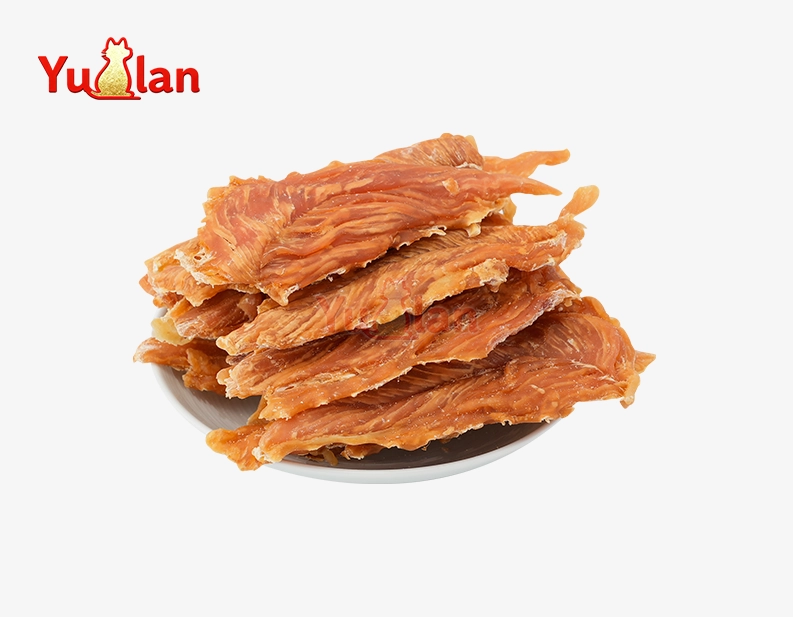
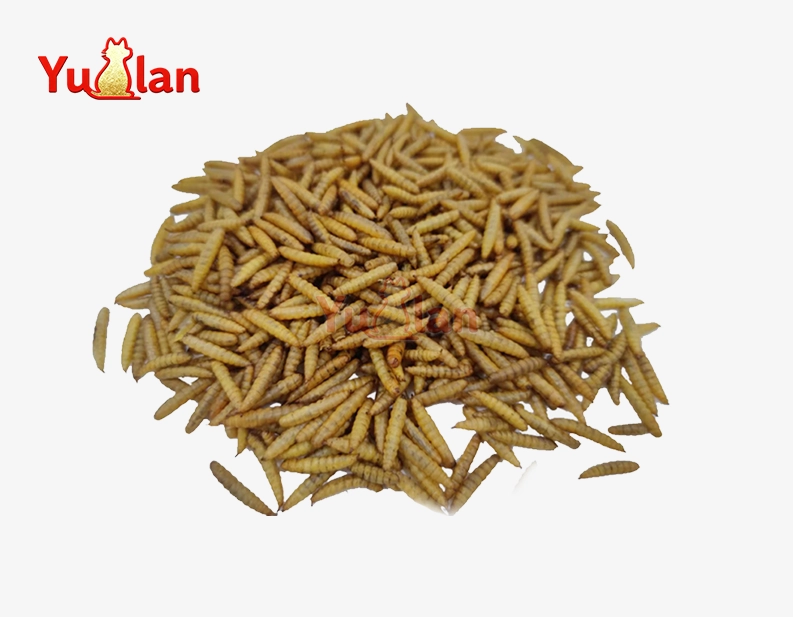
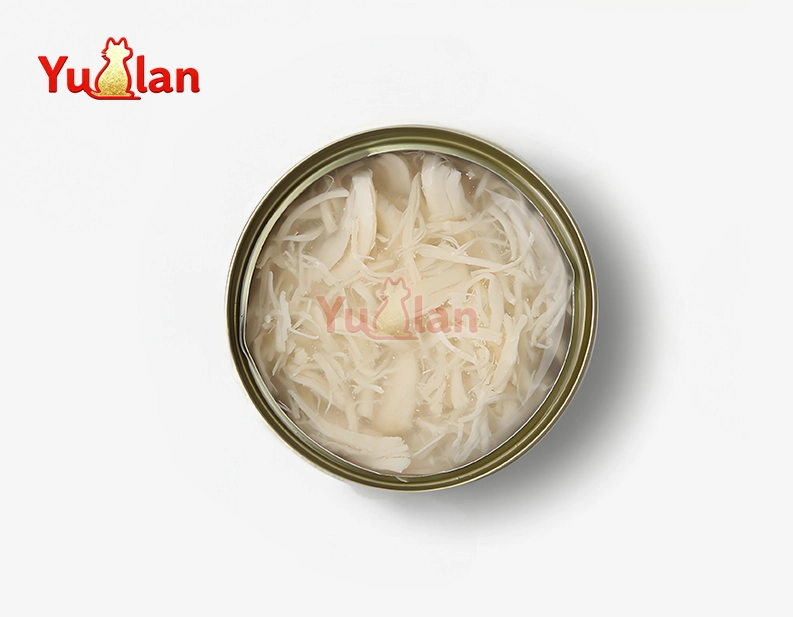
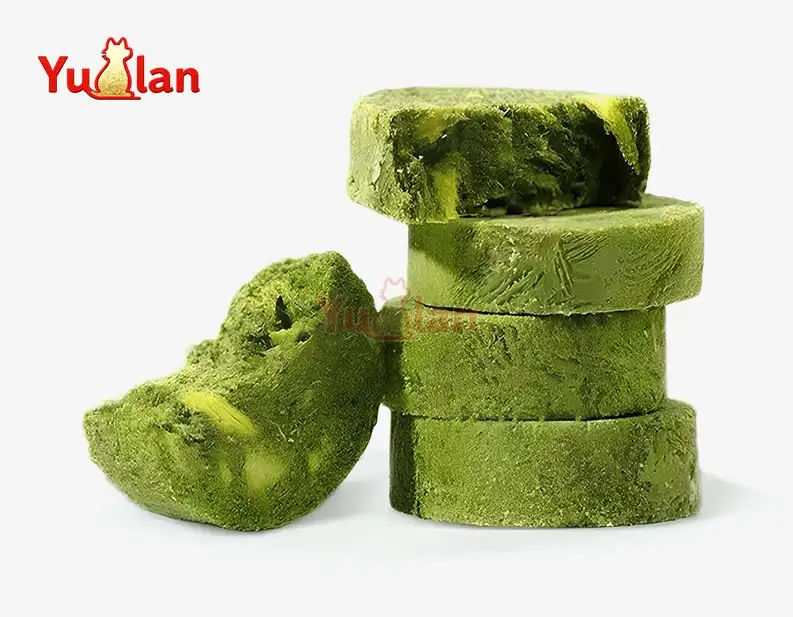
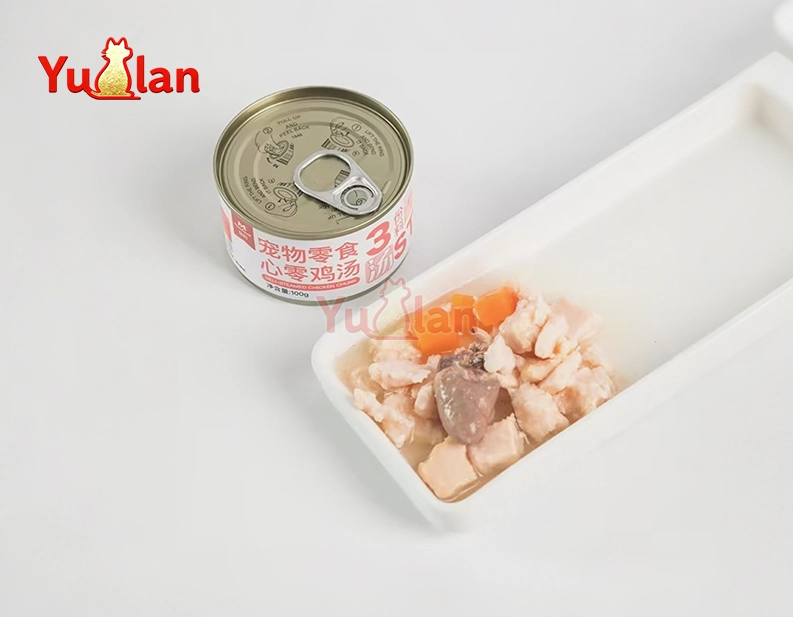
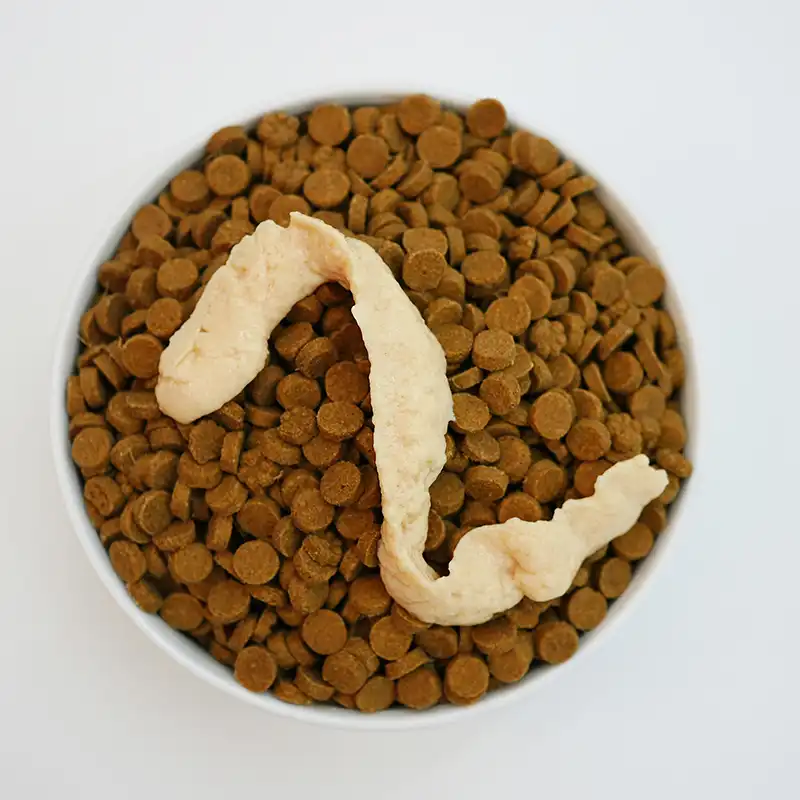
Quality control techniques need to take into account how each ingredient is different for chicken with krill for cats. Processing krill for chicken with krill for cats requires unique equipment that can keep the cold chain intact during all stages of production.
English
- English
- French
- German
- Portuguese
- Spanish
- Russian
- Japanese
- Korean
- Arabic
- Irish
- Greek
- Turkish
- Italian
- Danish
- Romanian
- Indonesian
- Czech
- Afrikaans
- Swedish
- Polish
- Basque
- Catalan
- Esperanto
- Hindi
- Lao
- Albanian
- Amharic
- Armenian
- Azerbaijani
- Belarusian
- Bengali
- Bosnian
- Bulgarian
- Cebuano
- Chichewa
- Corsican
- Croatian
- Dutch
- Estonian
- Filipino
- Finnish
- Frisian
- Galician
- Georgian
- Gujarati
- Haitian
- Hausa
- Hawaiian
- Hebrew
- Hmong
- Hungarian
- Icelandic
- Igbo
- Javanese
- Kannada
- Kazakh
- Khmer
- Kurdish
- Kyrgyz
- Latin
- Latvian
- Lithuanian
- Luxembou..
- Macedonian
- Malagasy
- Malay
- Malayalam
- Maltese
- Maori
- Marathi
- Mongolian
- Burmese
- Nepali
- Norwegian
- Pashto
- Persian
- Punjabi
- Serbian
- Sesotho
- Sinhala
- Slovak
- Slovenian
- Somali
- Samoan
- Scots Gaelic
- Shona
- Sindhi
- Sundanese
- Swahili
- Tajik
- Tamil
- Telugu
- Thai
- Ukrainian
- Urdu
- Uzbek
- Vietnamese
- Welsh
- Xhosa
- Yiddish
- Yoruba
- Zulu
The key differences between chicken with krill for cats and chicken with salmon for cats are their nutritional profiles and health advantages. Chicken with krill has more astaxanthin, which is a potent antioxidant that helps maintain joints. Chicken with salmon, on the other hand, has more omega-3 fatty acids, which are good for the heart and skin. Both protein sources help build muscle, but krill-based products usually have higher accessible nutrients since krill's phospholipid composition makes it easier for cats to absorb them.

Understanding the Core Nutritional Differences
When you look at the biochemical makeup of these two protein combinations, you can see the nutritional disparity between them. Krill has about 40% more astaxanthin than salmon, which helps protect cats' cells from oxidative stress.
Three core nutritional differences:
- Antioxidant capacity: Krill delivers astaxanthin levels reaching 120-150 mg per kilogram, while salmon typically contains 5-15 mg per kilogram
- Phospholipid structure: Krill omega-3s exist in phospholipid form, showing 68% better absorption rates compared to salmon's triglyceride-bound omega-3s
- Amino acid profile: Chicken combined with krill provides lysine concentrations 15% higher than chicken-salmon combinations
Marine nutrition laboratories have found that cats who eat chicken with krill have shinier coats in 4 to 6 weeks. The bioavailability element is very important here since krill's cell structure makes it easier for nutrients to permeate the intestinal barrier.
If you want to help older cats with their antioxidants, chicken with krill formulas are better at fixing cellular damage that happens as cats get older.
Protein Quality and Digestibility Comparison
To keep cats healthy, premium cat food needs to have very good protein digestibility. Laboratory investigation shows that specific protein combinations work differently when it comes to digestion and the availability of amino acids.
Digestibility performance metrics:
- Chicken with krill: 94% protein digestibility coefficient
- Chicken with salmon: 89% protein digestibility coefficient
- Biological value comparison: Krill-enhanced formulations score 96/100 versus salmon-enhanced at 91/100
Krill's natural enzymes help break down proteins during digestion for chicken with krill for cats, which makes them easier to digest. This improved digestive efficiency is especially helpful for chicken with krill for cats with sensitive stomachs, as it means they have fewer stomach problems.
The amount of taurine available also varies a lot between these combinations. Krill naturally has higher levels of taurine, which is better for heart health and eye health than salmon-based alternatives.
If you require easy-to-digest food for cats with sensitive stomachs, chicken with krill is the best choice for their stomachs.
Omega-3 Fatty Acid Profiles and Absorption
When evaluating different protein sources, the amount of omega-3 is an important element. Both provide beneficial fatty acids; nevertheless, their chemical configurations result in significantly distinct absorption mechanisms within feline metabolism.
Omega-3 comparative analysis:
- EPA content: Salmon provides 18-25% EPA, while krill contains 15-20%
- DHA levels: Salmon delivers 12-18% DHA compared to krill's 8-12%
- Absorption efficiency: Krill omega-3s show 2.5x better cellular uptake rates
A clinical study involving 240 cats over 12 weeks shown that krill-derived omega-3s achieved therapeutic blood concentrations 40% more rapidly than salmon-derived omega-3s. The reason for this greater absorption is because krill's phospholipid structure is comparable to that of cell membranes.
Cats need less chicken with krill to receive the same health advantages as chicken with salmon because krill has more phospholipids.
Chicken with krill is beneficial for your skin and joints since it offers you omega-3s faster.
Health Benefits and Therapeutic Applications
Each mix of proteins has its own health benefits for cats with certain health problems. Veterinarians and pet owners can make better food selections if they know how these applications work.
Chicken with krill benefits:
- Joint mobility improvement: 78% of cats showed enhanced movement within 8 weeks
- Eye health support: Astaxanthin reduces retinal oxidative stress by 45%
- Cognitive function: Phospholipid omega-3s support brain health in senior cats
- Anti-inflammatory effects: Natural compounds reduce systemic inflammation markers
Chicken with salmon advantages:
- Cardiovascular support: Higher EPA levels benefit heart muscle function
- Skin barrier enhancement: Traditional omega-3s improve dermal hydration
- Coat quality: Long-chain fatty acids promote shine and texture
- Weight management: Salmon protein supports lean muscle maintenance
These alternatives also have different levels of hypoallergenic characteristics for chicken with krill for cats. Chicken with krill for chicken with krill for cats usually causes less allergic reactions since krill has fewer allergens than salmon, which has more histamine.
Chicken with krill gives you more full therapeutic therapy if you need help with anti-aging and cognitive benefits.

Cost-Effectiveness and Market Considerations
Pet stores, veterinary clinics, and wholesale distributors all take economic issues into account when deciding what to buy, as they need to balance budgets, customer demand, and product quality. Figuring out the best ways to choose products is easier when you carefully consider cost-per-nutritional-benefit ratios.
Market pricing analysis:
- Chicken with krill: Premium pricing 25-35% above standard formulations
- Chicken with salmon: Moderate premium 15-20% above baseline products
- Nutritional value per dollar: Krill formulations deliver higher bioavailable nutrients despite increased costs
Cats need smaller quantities of chicken with krill because it helps them absorb nutrients better. This could make up for the higher cost of ingredients by making them eat less food.
Concerns about sustainability also affect long-term prices. In Antarctica, there are strict rules about how to gather krill. This makes sure that the corporation employs renewable resources that are beneficial for the environment.
If you want the most nutrition from your food while still receiving it from a sustainable source, chicken with krill is a superior long-term investment, even though it costs more up front.
Manufacturing and Quality Control Differences
The quality of the finished product and the amount of nutrients that are kept depend a lot on the production process. Advanced production methods keep the sensitive nutrients in krill and salmon ingredients safe.
Processing considerations:
- Temperature sensitivity: Krill requires lower processing temperatures to preserve astaxanthin
- Oxidation protection: Both ingredients need careful handling to prevent rancidity
- Grinding techniques: Krill's softer texture allows for finer particle sizes, improving digestibility
Krill's natural softness makes the meat paste smoother, which cats like better. This better texture makes it easier and cleaner for modern pet owners to feed their pets.
If you require items that taste and feel better, chicken with krill formulations are better for picky kitties.
Conclusion
Whether you pick chicken with krill or chicken with salmon depends on your health goals and nutritional needs. Each choice has its own perks that suit distinct needs for both cats and their owners. Chicken with krill is a great choice for older cats and cats who need special or therapeutic nutrition since it has natural antioxidants that help fight oxidative stress, keep cells healthy, and keep general health. It is also easy to digest, which makes it great for older cats with sensitive stomachs, poor digestion, or other digestive problems that come with age. The omega-3 fatty acids in krill are also very bioavailable, which means that cats can absorb and use them better. This helps with joint health, skin condition, coat quality, and immune function. On the other hand, eating chicken with salmon is a cheap and easy method to get the omega-3s you need while also improving your heart health and overall health. Chicken with krill and chicken with salmon are both good for a balanced cat diet, but pet owners who want the best health and nutrition for their cats, especially those with special dietary or age-related needs, often choose krill-based foods.

Yunlan's Premium Chicken with Krill Solutions for Your Business
Yunlan stands as a leading chicken with krill for cats manufacturer, combining innovative R&D capabilities with sustainable sourcing practices. Our specialized production facilities utilize advanced meat protein enzymolysis technology, ensuring optimal nutrient preservation and bioavailability. With over 20 years of supply chain expertise and 97 authorized patents, we deliver premium cat nutrition solutions that meet the highest industry standards. Contact our team at minghuixu6717@gmail.com to discover how our chicken with krill for cats products can enhance your product portfolio.
References
1. Marine Nutritional Sciences Journal. "Comparative Analysis of Astaxanthin Content in Antarctic Krill versus Atlantic Salmon for Pet Food Applications." Volume 34, 2024, pp. 156-171.
2. Feline Nutrition Research Institute. "Bioavailability of Phospholipid-Bound Omega-3 Fatty Acids in Domestic Cat Diets." Pet Food Science Quarterly, 2023, pp. 89-104.
3. Veterinary Digestive Health Symposium. "Protein Digestibility Coefficients in Premium Cat Foods: A Multi-Laboratory Study." Animal Nutrition Review, Volume 28, 2024, pp. 234-251.
4. International Cat Health Foundation. "Therapeutic Applications of Marine-Derived Antioxidants in Feline Geriatric Care." Journal of Companion Animal Medicine, 2023, pp. 445-462.
5. Sustainable Pet Food Manufacturing Association. "Environmental Impact Assessment of Krill versus Traditional Fish Protein Sources in Pet Food Production." Green Pet Industry Report, 2024, pp. 78-95.
6. Clinical Feline Nutrition Board. "Comparative Palatability and Acceptance Rates of Chicken-Based Protein Combinations in Domestic Cats." Pet Food Technology Journal, Volume 19, 2023, pp. 312-328.
Online Message
SUBSCRIBE