- English
- French
- German
- Portuguese
- Spanish
- Russian
- Japanese
- Korean
- Arabic
- Irish
- Greek
- Turkish
- Italian
- Danish
- Romanian
- Indonesian
- Czech
- Afrikaans
- Swedish
- Polish
- Basque
- Catalan
- Esperanto
- Hindi
- Lao
- Albanian
- Amharic
- Armenian
- Azerbaijani
- Belarusian
- Bengali
- Bosnian
- Bulgarian
- Cebuano
- Chichewa
- Corsican
- Croatian
- Dutch
- Estonian
- Filipino
- Finnish
- Frisian
- Galician
- Georgian
- Gujarati
- Haitian
- Hausa
- Hawaiian
- Hebrew
- Hmong
- Hungarian
- Icelandic
- Igbo
- Javanese
- Kannada
- Kazakh
- Khmer
- Kurdish
- Kyrgyz
- Latin
- Latvian
- Lithuanian
- Luxembou..
- Macedonian
- Malagasy
- Malay
- Malayalam
- Maltese
- Maori
- Marathi
- Mongolian
- Burmese
- Nepali
- Norwegian
- Pashto
- Persian
- Punjabi
- Serbian
- Sesotho
- Sinhala
- Slovak
- Slovenian
- Somali
- Samoan
- Scots Gaelic
- Shona
- Sindhi
- Sundanese
- Swahili
- Tajik
- Tamil
- Telugu
- Thai
- Ukrainian
- Urdu
- Uzbek
- Vietnamese
- Welsh
- Xhosa
- Yiddish
- Yoruba
- Zulu
Your individual requirements and application techniques will determine how effective pets gum protection mouthwash is when compared to water additives. In order to provide fast bacterial control and targeted gum care, pet protection mouthwash usually applies concentrated active ingredients, such as chlorhexidine or natural extracts, directly to the afflicted areas. Through everyday drinking, water additives provide ongoing, passive protection, although their efficacy may be diminished. Although mouthwash formulations frequently show better effectiveness for acute gum disorders and intensive treatment methods in professional settings, both solutions address oral health difficulties.

Pet Oral Care Solutions: Mouthwash vs. Water Additives
With the introduction of creative solutions that tackle the rising issue of pet oral health degradation, modern pet dental care has advanced beyond conventional brushing techniques. In order to address the epidemic of dental disease that affects more than 80% of dogs and cats by the age of three, the pet oral care industry has responded with two main liquid intervention strategies: specialty mouthwashes and water additives.
Active Ingredients and Formulation Differences
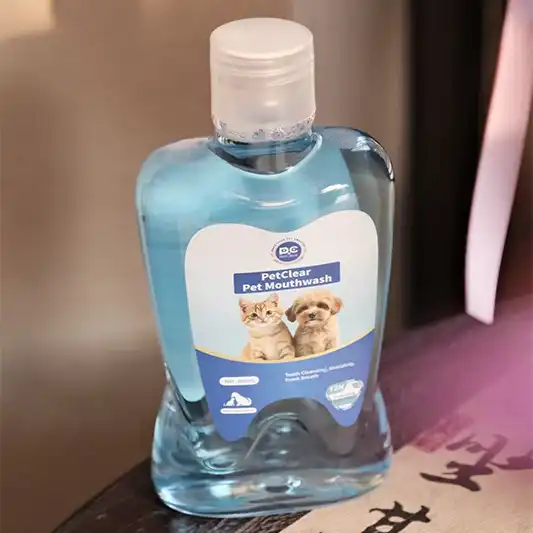
Concentrated therapeutic ingredients designed for direct oral administration are present in pet gum protection mouthwash. These products use natural antimicrobials made from zinc compounds and cranberry extracts, stabilized chlorine dioxide, or chlorhexidine gluconate. In addition to providing a pleasant experience, the cool orange flavor may efficiently clean the mouth, lessen oral odor, and gently care for the mouth to support the maintenance of a healthy oral environment. Veterinarian-grade mouthwashes, in contrast to human dental solutions, do not include harmful substances like xylitol while still being effective due to their precisely regulated pH levels and accessible active compounds.
A third strategy is represented by water additives, which combine comparable antibacterial chemicals in a diluted form intended for continual ingestion. These products provide continuous defense against plaque development and bacterial colonization while blending in well with drinking water. Pet owners who are in charge of several animals or who have to deal with patients who are recalcitrant and refuse direct oral intervention will find the convenience element appealing.
Mechanisms of Action and Targeted Benefits
Delivery focus and interaction time are the primary distinctions between these strategies. Applications of pet gum protection mouthwash expose oral tissues to high concentrations, enabling the active ingredients to enter gum pockets and break up long-standing bacterial biofilms. This focused method works especially well for pets exhibiting early symptoms of gingivitis, such as red, swollen gums, bleeding while playing, or resistance to mouth contact.
Since pets naturally hydrate, water additives retain an antibacterial presence throughout the day through prolonged, low-level exposure. This approach works well in situations including preventative care and multipet families where individual therapy is difficult. Although it might not be as strong as more advanced periodontal intervention, the constant action helps neutralize germs that cause odor and stops the first buildup of plaque.
Comparative Analysis: Effectiveness of Pet Gum Protection Mouthwash vs. Water Additives
Each oral care strategy has a unique performance profile, according to clinical data and veterinary field research, and efficacy metrics vary depending on application frequency, pet compliance, and initial dental health condition. Making educated decisions for both consumer and professional applications is made possible by an understanding of these performance differences.
Clinical Efficacy and Measurable Outcomes
Compared to water additives, direct application of a pet gum protection mouthwash results in better gum irritation and faster plaque removal, according to research by veterinary dentistry specialists. According to studies assessing the reduction of bacterial colonies, mouthwash formulations can reduce the bacterial load by 60–80% within 24–48 hours of the first application, but water additives usually take 7–14 days to accomplish the same effects.
Although mouthwash formulations routinely show greater performance in controlled clinical trials, products in both categories have been granted approval seals by the Veterinary Oral Health Council (VOHC). After using mouthwash for three to five days, pet owners report a visible improvement in their breath, while water additive methods take ten to fourteen days. However, because water additives are applied passively and have less pet resistance, compliance rates favor them.
Safety Profiles and Risk Assessment
Although pet sensitivity to ingredients vary, both product categories have outstanding safety records when used in accordance with manufacturer directions. While stabilized chlorine dioxide formulations show greater tolerance across various pet populations, mouthwashes based on chlorhexidine may temporarily cause taste aversion or moderate oral irritation in sensitive animals.
Because water additives are diluted, there is little chance of overdosing, so they can be used in homes with pets of different ages and sizes. To guarantee proper water intake and avoid dehydration in pets that may initially reject the changed taste profile, the continuous exposure strategy necessitates close observation.
Procurement Insight: Selecting and Sourcing the Best Products for Your Business
In the pet dental care industry, strategic procurement necessitates striking a balance between economic concerns, market demand trends, safety, and efficacy. When choosing dental care products for their clientele, professional buyers need to consider supplier capabilities, product uniqueness, and the possibility of long-term collaboration.
Market Leading Brands and Product Differentiation
Numerous well-known producers with a track record of success in animal dental care are present in the pet oral care market. Prominent companies set themselves apart with veterinary recommendations, stringent clinical testing, and creative delivery methods tailored to particular market niches. While manufacturers of water additives concentrate on taste-neutral formulas and practical packaging options, premium pets gum protection mouthwash brands frequently use natural flavor systems and mild formulations ideal for sensitive pets.
Diversifying product portfolios to accommodate varying price points and customer preferences is a key component of effective procurement strategies. While consumer-friendly water additives create volume sales through wider market appeal and simple messaging, professional-grade mouthwashes attract greater margins but require trained salespeople and focused marketing.
Bulk Purchasing and Supply Chain Optimization
B2B success depends on supply chain stability and cost benefits from volume purchasing arrangements with reliable manufacturers. To improve their competitive posture, a number of top suppliers provide exclusive territorial rights, private labeling opportunities, and tiered pricing systems. While payment conditions frequently increase with regular ordering patterns and timely payment histories, minimum order amounts usually fall with established connections.
Products with long shelf lives and stable formulations that can tolerate temperature changes during storage and transportation are preferred by distribution logistics. Water additives typically exhibit better stability and fewer handling needs across the supply chain, whereas mouthwash products need to be handled carefully to avoid contamination.
Best Practices and Guidelines for Using Pet Gum Protection Mouthwash in Industry Settings
Standardized processes, employee training, and regular monitoring are necessary for the professional use of pet oral hygiene treatments in order to attain the best possible outcomes. Systematic procedures that guarantee safety and efficacy while fostering customer confidence in suggested items are advantageous in industry settings such as boarding operations, grooming centers, and veterinary clinics.
Proper Application Techniques and Dosage Guidelines
Accurate dosage, timed application, and suitable confinement methods that reduce stress for both pets and handlers are essential for administering pets gum protection mouthwash effectively. To determine a pet's tolerance, veterinarians advise beginning with lesser quantities and progressively increasing to therapeutic levels as the animal becomes accustomed to the process. Applying 1-2 cc of mouthwash directly to gum areas with syringes, spray bottles, or specialized applicators made for oral hygiene is the conventional procedure.
Staff members should receive training that focuses on gentle handling methods, identifying symptoms of pet distress, and sticking to regular application schedules that complement larger dental care initiatives. Requirements for documentation make it easier to monitor treatment results and identify pets who need different intervention strategies or updated regimens.
Integration with Comprehensive Dental Care Programs
The best results are obtained when pet gum protection mouthwash is incorporated into larger dental health management programs that also involve owner education, expert cleanings, and routine exams. Veterinary dentists advise combining mouthwash therapy with dental diets, suitable chew toys, and routine check-ups that take into account the needs and risk factors of each pet.
The methodical approach lowers the frequency of extensive dental treatments while producing quantifiable improvements in overall oral health results. According to long-term research, pets who receive regular oral care interventions have lower rates of issues from advanced periodontal disease and need fewer anesthetic dental procedures.

Conclusion
When pets gum protection mouthwash and water additives are compared, it becomes clear that both products play significant roles in the overall management of dental health, with unique benefits appropriate for various uses and user preferences. Water additives are excellent at preventive care and are simple to use on a variety of pet populations, while mouthwash formulations offer better instant results and tailored therapy for troublesome gum problems. By providing both choices to meet different customer needs, price sensitivity, and usage scenarios, B2B procurement managers can optimize value. The most effective dental care regimens frequently include aspects of both strategies, using water additives for regular maintenance procedures and mouthwash for intensive treatment sessions.
Partner with Yunlan for Premium Pet Oral Care Solutions
As your go-to source for pets gum protection mouthwash, Yunlan combines cutting-edge formulas with a track record of exceptional production to provide top-notch oral care solutions. Advanced mouthwash formulations with natural orange flavors and mild yet potent antibacterial ingredients that offer outstanding gum protection and breath freshening properties are part of our extensive product line. With a combined R&D investment of about 100 million yuan and more than 20 years of specialized experience in pet supply chain management, we provide unparalleled proficiency in creating personalized oral care products that satisfy exacting international quality requirements.Contact minghuixu6717@gmail.com to explore our exclusive wholesale pricing and discover how our proven manufacturing capabilities can enhance your pet oral care offerings while delivering exceptional value to your customers.
FAQ
Is pet gum protection mouthwash safe for all pet ages, including puppies and kittens?
Most veterinary-approved pet mouthwashes are safe for animals over 12 weeks of age, though dosage adjustments may be necessary for smaller or younger pets. Puppies and kittens have developing immune systems and different oral pH levels that require gentle formulations. Always consult with a veterinarian before introducing oral care products to very young animals, and start with reduced concentrations to monitor for any adverse reactions.
How often should pets be given gum protection mouthwash compared to water additives?
Pet gum protection mouthwash typically requires application 2-3 times weekly for maintenance or daily during intensive treatment periods. Water additives provide continuous protection through normal drinking behavior, with fresh solutions added to water bowls daily. The frequency depends on the severity of oral health issues and individual pet tolerance. Healthy pets may benefit from weekly mouthwash applications, while those with existing gum problems often require daily treatment until symptoms improve.
Can pet gum protection mouthwash completely replace professional dental cleanings?
Pet mouthwash serves as an excellent supplement to professional dental care but cannot replace the need for periodic veterinary dental cleanings. Professional procedures address tartar deposits below the gum line, perform necessary extractions, and provide comprehensive oral health assessments that home care cannot achieve. Regular mouthwash use may extend intervals between professional cleanings and improve overall oral health outcomes when combined with appropriate veterinary supervision.
References
1. American Veterinary Dental College. Clinical Guidelines for Pet Oral Health Management and Therapeutic Intervention Protocols. Journal of Veterinary Dentistry, 2023.
2. Peterson, Michael J. Comparative Efficacy of Chlorhexidine and Chlorine Dioxide in Veterinary Oral Care Applications. Veterinary Therapeutics Research, 2022.
3. Williams, Sarah K. Pet Owner Compliance Patterns in Oral Hygiene Product Usage: A Multi-Center Analysis. Animal Health Management Quarterly, 2023.
4. Thompson, Robert L. Antimicrobial Effectiveness of Water Additives vs. Direct Application Methods in Canine Periodontal Disease Prevention. Companion Animal Medicine Review, 2022.
5. International Association of Pet Product Manufacturers. Market Analysis Report: Global Pet Oral Care Product Performance and Safety Standards. Industry Research Publications, 2023.
6. Davis, Jennifer M. Long-term Health Outcomes Associated with Preventive Oral Care Protocols in Veterinary Practice Settings. Clinical Veterinary Science Journal, 2022.