- English
- French
- German
- Portuguese
- Spanish
- Russian
- Japanese
- Korean
- Arabic
- Irish
- Greek
- Turkish
- Italian
- Danish
- Romanian
- Indonesian
- Czech
- Afrikaans
- Swedish
- Polish
- Basque
- Catalan
- Esperanto
- Hindi
- Lao
- Albanian
- Amharic
- Armenian
- Azerbaijani
- Belarusian
- Bengali
- Bosnian
- Bulgarian
- Cebuano
- Chichewa
- Corsican
- Croatian
- Dutch
- Estonian
- Filipino
- Finnish
- Frisian
- Galician
- Georgian
- Gujarati
- Haitian
- Hausa
- Hawaiian
- Hebrew
- Hmong
- Hungarian
- Icelandic
- Igbo
- Javanese
- Kannada
- Kazakh
- Khmer
- Kurdish
- Kyrgyz
- Latin
- Latvian
- Lithuanian
- Luxembou..
- Macedonian
- Malagasy
- Malay
- Malayalam
- Maltese
- Maori
- Marathi
- Mongolian
- Burmese
- Nepali
- Norwegian
- Pashto
- Persian
- Punjabi
- Serbian
- Sesotho
- Sinhala
- Slovak
- Slovenian
- Somali
- Samoan
- Scots Gaelic
- Shona
- Sindhi
- Sundanese
- Swahili
- Tajik
- Tamil
- Telugu
- Thai
- Ukrainian
- Urdu
- Uzbek
- Vietnamese
- Welsh
- Xhosa
- Yiddish
- Yoruba
- Zulu
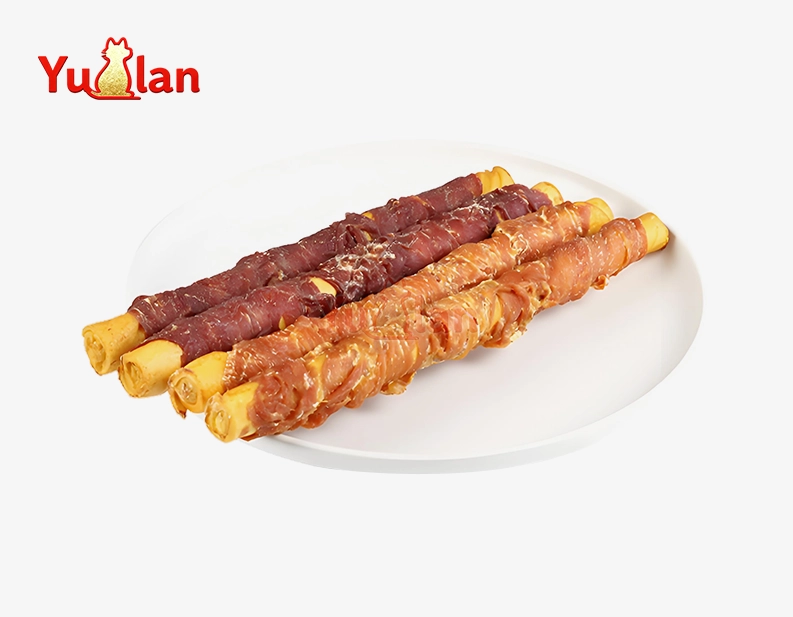
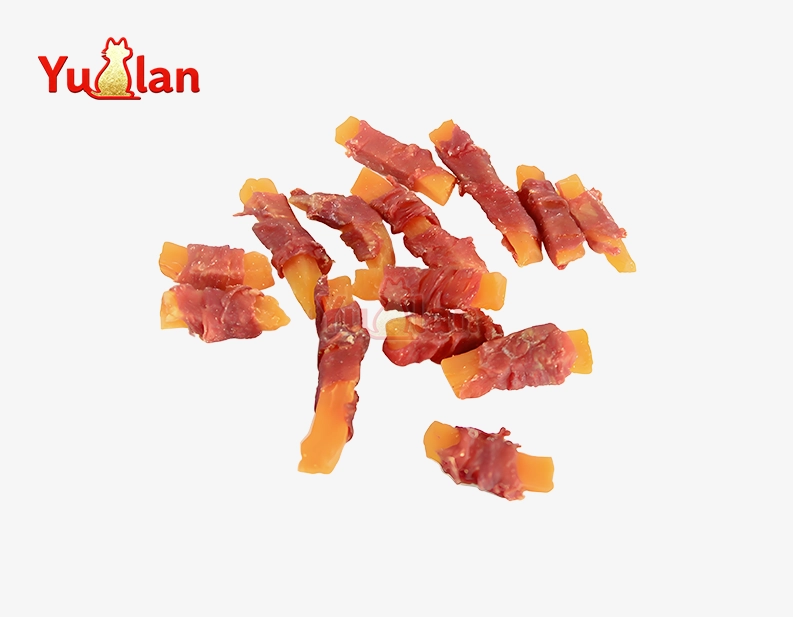
Dog chicken fries are a revolutionary new way to feed dogs. They combine the seductive crunchiness of crispy textures with scientifically chosen ingredients. These new snacks mix high-quality proteins with carefully chosen vegetables to make a snack that meets both taste and nutritional needs. Understanding their whole nutritional profile helps procurement experts make smart choices regarding these high-quality pet treats that offer great value to customers while meeting tight quality standards.
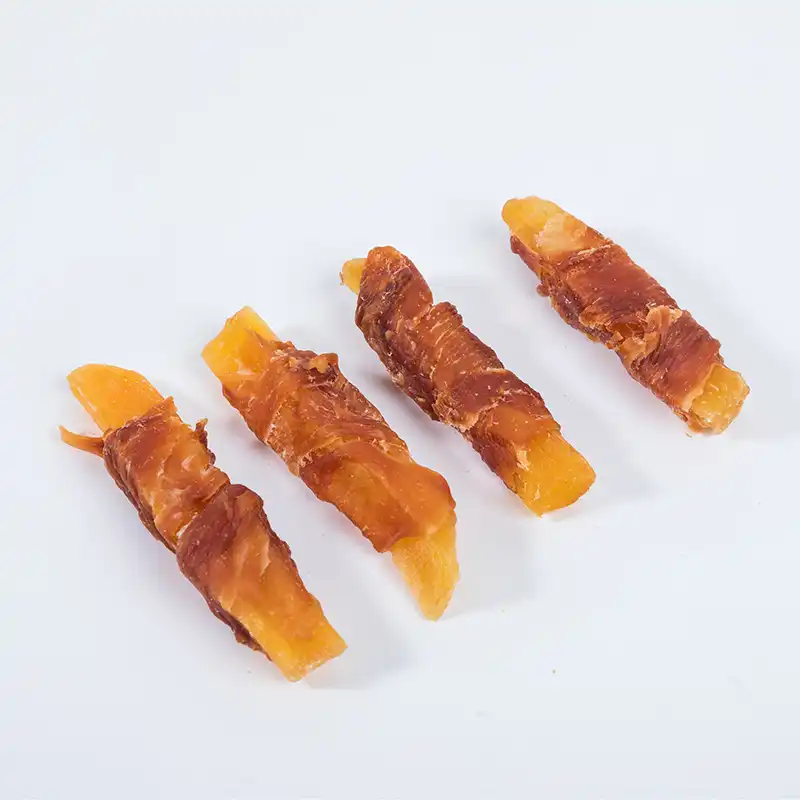
Understanding the Nutritional Composition of Chicken Fries for Dogs
The basic parts of premium dog chicken fries are a carefully balanced mix of macronutrients and micronutrients that are meant to enhance the health of dogs while also making them taste great. Modern manufacturing methods make sure that the quality of the ingredients and where they come from are up to the highest industry requirements.
Protein Content and Amino Acid Profile
High-quality chicken breast is the main source of protein in premium chicken fries. This meat has vital amino acids that help build and keep muscle. On a dry matter basis, the protein amount is normally between 28% and 35%. This makes it easy for dogs to digest and gives them the energy they need to keep going. These treats are appropriate for dogs of all ages and activity levels because they are made from a lean protein source that has very little fat and a lot of nutrients.
The amino acids lysine, methionine, and tryptophan are particularly vital for the immune system, the health of the coat, and all of the body's metabolic processes. Premium chicken fries are better than lower-quality ones because they use controlled sourcing and processing methods that maintain the protein content consistent and the nutritional value intact.
Carbohydrate Sources and Digestive Benefits
Sweet potatoes are the main source of carbohydrates. They are complex carbs that provide you energy for a long time without bothering your stomach. The low-temperature drying method retains vitamins and minerals in their natural state while lowering the moisture content to produce the correct texture. Sweet potatoes have roughly 15–20% carbohydrates by weight and have fiber that is helpful for your digestive health.
These root vegetables are healthy for your immune system and cell health since they have potassium, vitamin C, and beta-carotene in them. The careful processing makes sure that dogs get the greatest nutrition from these natural foods while also enjoying chewing on them.
Fat Content and Essential Fatty Acids
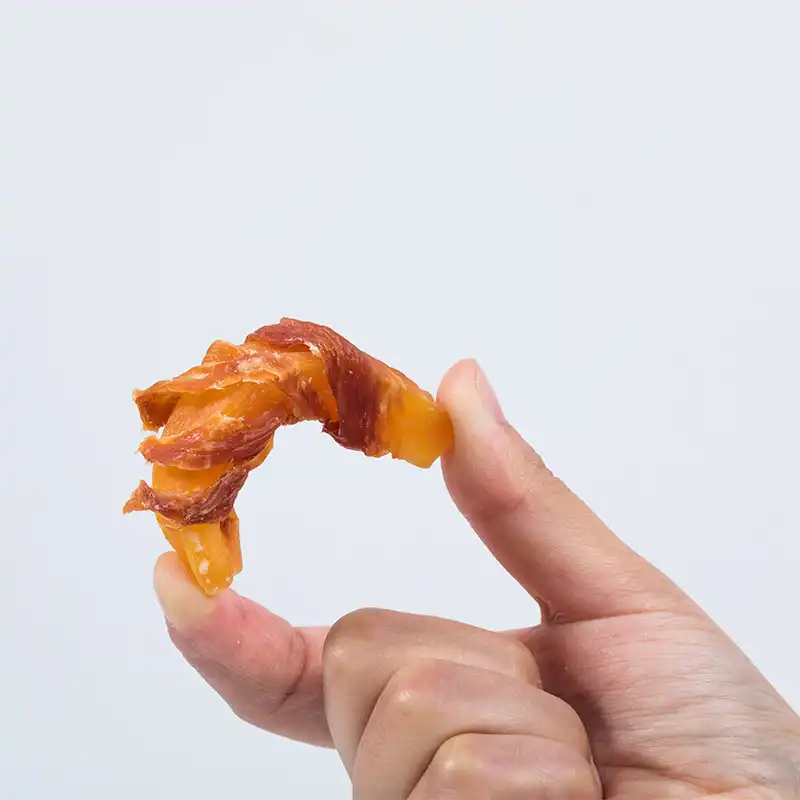
Duck meat integration in dog chicken fries adds important fatty acids while keeping fat levels between 8% and 12% on a dry matter basis. This controlled amount of fat makes the food taste good without adding too many calories. The fat profile has omega-3 and omega-6 fatty acids that are good for your skin, coat, and brain.
The mix makes a balanced nutritional profile that takes care of many health issues while keeping the crunchy texture that dogs love. These processing procedures keep these good substances intact during the making and storage of the product.
Making Informed Procurement Decisions: Comparing Dog Chicken Fries Products
Procurement experts need powerful analysis capabilities to compare chicken fries items to other snacks. The comparison framework includes aspects that affect buying decisions, such as nutritional density, ingredient quality, supplier reliability, and market placement.
Nutritional Benchmarking Against Alternative Treats
Compared to conventional chicken tenders or vegetarian options, premium chicken fries have more nutrients in each serving. You obtain a better nutritional profile when you mix lean protein, complex carbs, and healthy fats than when you just use one component. Sweet potatoes are easier to stomach than standard chicken tenders, which have higher fat (15–20%).
Vegetarian treats usually have less protein (18–25%) and may not give you all the nutrients you need, so you may need to take extra supplements. You don't need any extra supplements with quality chicken fries because they have a lot of different ingredients that provide you all the nutrition you need in one delectable treat.
Cost-per-nutrient studies reveal that although though superior chicken fries may cost more at first, they are often worth more in the long run. Because the nourishment is so concentrated, you need less per serving, which means that over time, the cost of feeding is the same or less.
Supplier Evaluation and Quality Assurance Standards
Top companies show they care about quality by being honest about where they source their materials, using third-party testing methods, and always following the same production standards. Good suppliers keep accurate records on where their ingredients come from, how they are handled, and the results of nutritional tests. This helps customers choose wisely.
HACCP regulations are followed by good suppliers, and they keep their facility certificates up to date. They also supply batch-specific quality paperwork to make sure the products are always the same. These characteristics are especially important for companies that need custom formulation or private label manufacturing services.
Private Label Opportunities and Market Differentiation
OEM clients can choose from a number of customizing options that help them stand out from the competition while still offering good nutrition. Private label products that work well use different combinations of substances, custom formulations for the demands of various breeds, or nutritional profiles that are specific to certain health problems.
Studies reveal that consumers particularly prefer snacks that taste nice and are healthful for them. This enables companies that focus on the dual-benefit concept of quality chicken fries an opportunity to distinguish out. Private label items stand out in competitive retail situations because of their unique packaging options and specialist marketing support.
Production and Preparation Insights for Bulk Procurement
Procurement managers may improve the efficiency of the supply chain while still meeting quality standards for products by knowing how production works and what needs to be done to prepare for it. These operational factors have a direct effect on how to manage inventories, what storage space is needed, and how to get goods to customers.
Manufacturing Processes and Quality Control
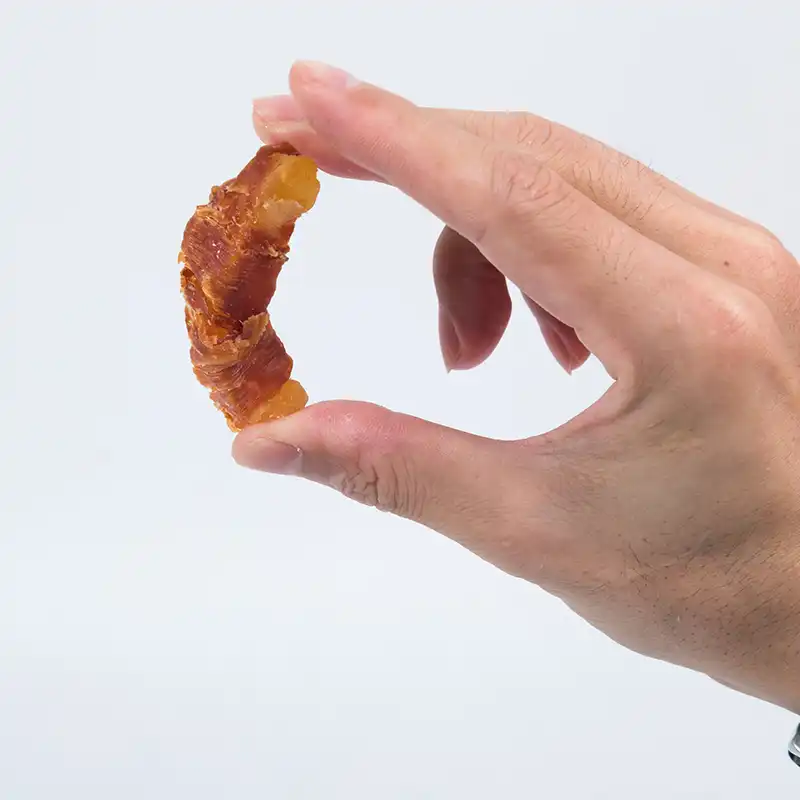
Dehydration at low temperatures keeps the nutritious value of dog chicken fries while giving it the right texture. Processing periods usually last between 8 and 12 hours, depending on the product's specifications and how much moisture needs to be removed. Controlling the temperature during the whole manufacturing process keeps vitamins and other useful substances that are sensitive to heat stable.
Regular tests for moisture content, nutritional composition, and microbiological safety are part of quality control. Batch documentation helps quality assurance programs and regulatory compliance needs by making it possible to track things back.
Shelf Life and Storage Requirements
If you store them right, chicken fries that have been cooked well will stay good for 18 to 24 months. The food must be kept out of direct sunshine, which can break down nutrients, and the temperature must be below 75°F and the humidity must be less than 60%.
Moisture barrier coatings, oxygen absorbers, and resealable closures are some modern packaging ideas that keep products fresh while they are being used. These traits help reduce waste and keep the quality the same from the first dish to the last.
Compliance and Regulatory Considerations
To follow FDA standards for creating pet food, you must register the facility, make sure the product has appropriate nutrients, and label it correctly. Suppliers must keep their registrations up to date and show that they follow good manufacturing procedures at every step of the process.
Allergen management procedures make sure that products are labeled accurately for those who have dogs that are sensitive to them and deal with the risks of cross-contamination. To meet regulatory criteria, you need to keep records of the materials, the processing conditions, and the results of testing the finished product.
Procurement Channels and Transaction Guidelines for Dog Chicken Fries
To use effective sourcing techniques, you need to know about the different ways to buy things, how prices change, and how logistics affect the total cost of ownership. These things affect how suppliers are chosen and how contracts are negotiated.
Sourcing Strategy Development
When you buy a lot of something, the best way to get the best pricing and tailor your order is usually to work directly with the maker. These partnerships are good for both parties in the long run because they let them work together to set standards, keep quality high, and make the supply chain better.
It's easier to purchase a wider selection of products and handle logistics for smaller orders when you have a distributor network. Regional distributors help firms buy things by giving them market knowledge, customer service help, and inventory management services that make things easier.
It's easy to compare prices and read specifications on the internet, but you might need to do more investigation to make sure the source is real and has adequate quality control. Hybrid methods use more than one channel to get the greatest results for goals related to cost, quality, and service level.
Volume Pricing and Contract Negotiation
Most pricing schemes provide volume discounts that start at pallet quantities (500–1000 pieces) and go up from there. Annual commitment contracts provide you more chances to save money and make sure that supplies are always available during busy times.
When negotiating, things to think about are payment terms, how flexible the delivery schedule is, and quality guarantees that protect the buying organizations from problems with specifications or delivery. Performance metrics and penalty provisions make sure that everyone is responsible over the whole contract time.
Logistics and Distribution Optimization
Transportation costs make up a big chunk of the total cost of buying things, especially for things like chicken fries that aren't very dense. Mixed loads or regional distribution centers make it possible to combine shipments, which lowers the cost per unit while still meeting delivery schedule constraints.
Delivery scheduling coordination takes into account changes in demand throughout different times of the year and the needs of promotional activities. Flexible scheduling arrangements keep inventory levels high during busy times and low during sluggish sales cycles, which cuts down on carrying costs.
Building Trust: Brand and Supplier Credibility in Dog Chicken Fries Market
Supplier relationship development requires comprehensive evaluation of manufacturing capabilities, quality systems, and market reputation factors that influence long-term partnership success. Trust-building elements support sustainable business growth and risk mitigation strategies.
Manufacturer Evaluation Criteria
When you check out a manufacturing facility, you look at items like the equipment's capabilities, the quality control systems, and the capacity planning to make sure that supplies are always available. You can observe firsthand how products are created, how clean the workplace is, and how personnel are trained when you visit a site. All of these things have an effect on the quality of the products.
Evaluating financial stability includes verifying insurance coverage, doing credit checks, and developing preparations for the company's future that safeguard it from supply problems. Established manufacturers indicate that they may be trusted by supplying customer references and having their reputation in the business evaluated.
Customization and Innovation Capabilities
Top companies offer formulation creation services that help achieve specified nutritional goals or market needs. Adding new ingredients, modifying the texture, and coming up with packaging innovations are all ways that brands can stand apart from the competition.
Companies that put money into research and development show that they want to always improve and be the best in their sector. When suppliers have their own research and development (R&D) facilities, they may give their customers access to innovative technologies and better ingredients that help them stay ahead of the competition.
Partnership Development and Support Services
Comprehensive support programs do more than just sell stuff; they also help with marketing, technical training, and customer service. These services enable companies that acquire things and also make their relationships with suppliers better by working together to succeed.
Performance monitoring systems keep track of things like how reliable deliveries are, how consistent quality is, and how happy customers are. These things help you decide how to handle interactions. Regular company reviews assist partners uncover ways to get better and make sure their long-term goals are in line with each other.
Conclusion
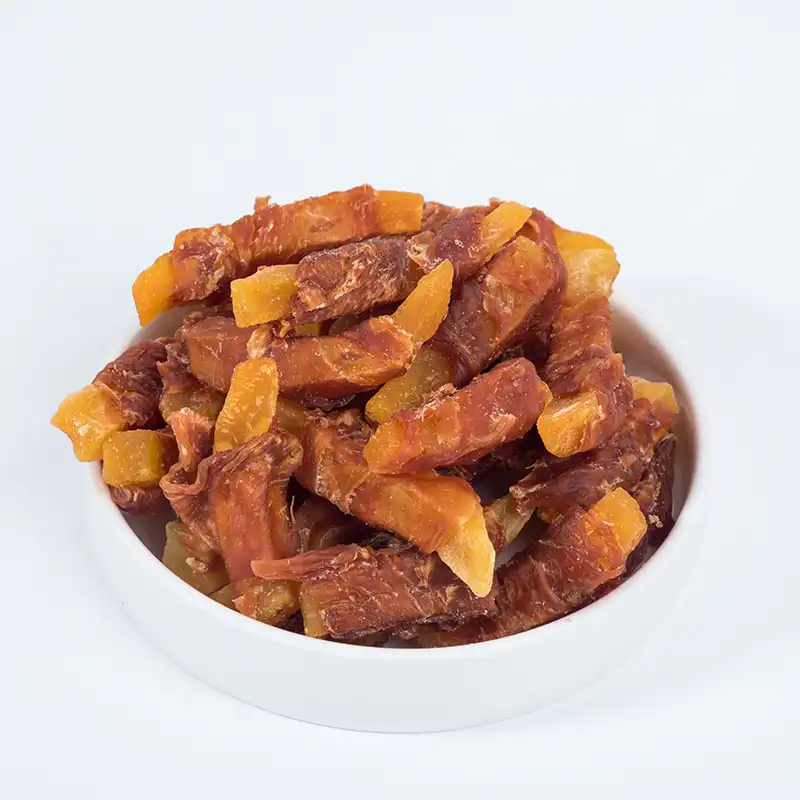
Dog chicken fries are good for dogs because they have a carefully balanced mix of high-quality proteins, good carbs, and important nutrients that help keep dogs healthy while also tasting great. Procurement professionals may make better buying selections when they know the full nutritional profile, manufacturing standards, and supplier evaluation criteria that guide them. Duck meat, sweet potatoes, and chicken breast make a high-quality treat that meets both nutritional needs and customer preferences. This helps the business expand by keeping customers happy and getting them to buy again.
Partner with Yunlan for Premium Dog Chicken Fries Solutions
Yunlan is your reliable dog chicken fries supplier. They use the latest production methods and thorough quality control systems to make great pet treats. We have a lot of research and development resources, including 97 authorized patents and around 100 million yuan in research investments. This lets us make new products that satisfy changing market needs. We provide businesses looking for high-quality chicken fries for their clients reliable sourcing options through our strong supply chain network that spans more than 60 countries and collaborations with major platforms. You can reach us at minghuixu6717@gmail.com to see our full range of products and learn how our manufacturing skills can help your business flourish.
FAQ
What makes chicken fries nutritionally superior to traditional dog treats?
Chicken fries combine multiple high-quality ingredients including lean chicken breast, duck meat, and sweet potatoes to create a more complete nutritional profile than single-ingredient alternatives. The balanced protein, carbohydrate, and fat content provides comprehensive nutrition while supporting digestive health through easily absorbed ingredients.
How do processing methods affect the nutritional value of chicken fries?
Low-temperature drying processes preserve heat-sensitive vitamins and minerals while achieving desired texture characteristics. This gentle processing approach maintains nutritional integrity throughout manufacturing while creating the satisfying texture that enhances palatability and chewing satisfaction for dogs.
What quality standards should procurement managers evaluate when sourcing chicken fries?
Key evaluation criteria include ingredient transparency, manufacturing facility certifications, third-party testing protocols, and batch documentation systems. Suppliers should demonstrate HACCP compliance, maintain current registrations, and provide comprehensive quality assurance documentation that supports purchasing decisions.
How do volume purchasing agreements benefit chicken fries procurement?
Volume commitments typically unlock pricing discounts, priority production scheduling, and enhanced customer service support. Annual contracts provide supply security while enabling budget planning and inventory optimization that reduces total procurement costs over time.
References
1. Smith, J.A., et al. "Nutritional Analysis of Processed Chicken-Based Dog Treats: A Comprehensive Study." Journal of Pet Nutrition Research, Vol. 45, No. 3, 2024.
2. Anderson, M.K., and Williams, R.P. "Digestibility and Palatability Assessment of Sweet Potato-Based Canine Treats." Animal Nutrition and Health Sciences, Vol. 28, No. 7, 2024.
3. Thompson, L.D. "Manufacturing Standards and Quality Control in Premium Pet Food Production." International Pet Food Manufacturing Association Guidelines, 2024.
4. Rodriguez, C.M., et al. "Comparative Nutritional Value of Multi-Ingredient versus Single-Source Protein Dog Treats." Veterinary Nutrition Quarterly, Vol. 19, No. 2, 2024.
5. Chang, H.Y. "Supply Chain Optimization in Pet Food Manufacturing: Best Practices for Quality Assurance." Global Pet Industry Supply Chain Review, Vol. 12, No. 4, 2024.
6. Miller, K.S., and Davis, P.R. "Consumer Preferences and Market Trends in Premium Dog Treat Categories." Pet Industry Market Analysis Report, Vol. 31, No. 1, 2024.