Setting high quality criteria for mealworms for chickens is an important part of running a successful chicken farm when choosing protein sources. High-quality mealworms for hens are very nutritious and exceed strict safety standards that are necessary for commercial poultry production. We know that choosing high-quality insect protein sources has a direct effect on the health of the flock, their development, and the overall efficiency of the farm in a variety of settings.
Understanding the Core Quality Parameters of Mealworms for Poultry Feed
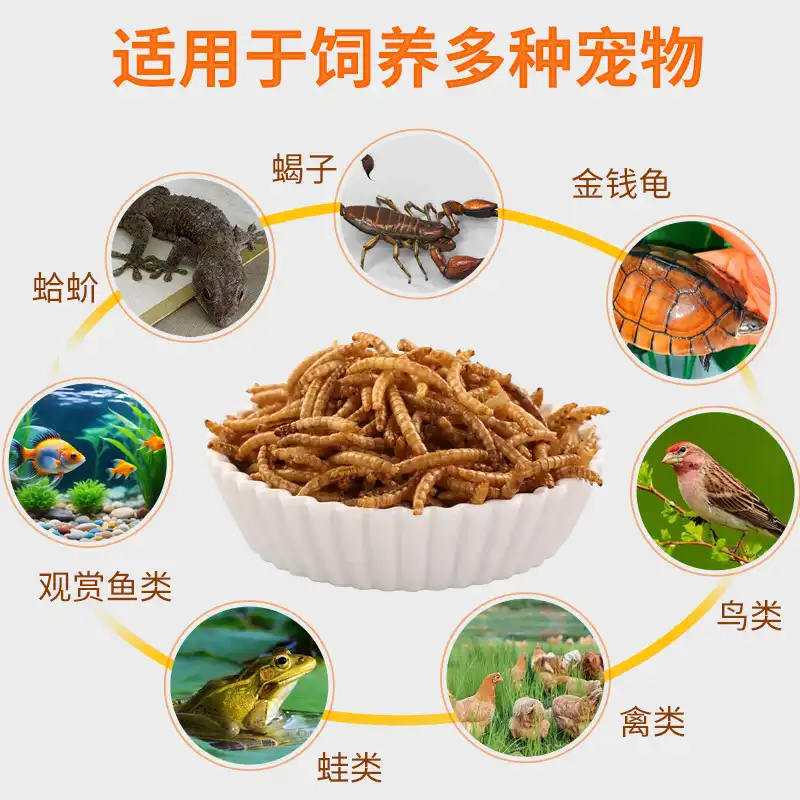
The first step to acquiring good mealworms is to know a lot about their nutritional value and safety criteria. Premium dried mealworms provide around 50–60% protein, which is good for hens since it offers them the amino acids they need to thrive. The diet's levels of methionine, lysine, and threonine have a substantial influence on how well commercial flocks grow and how effectively they turn feed into energy.
Nutritional Composition Standards
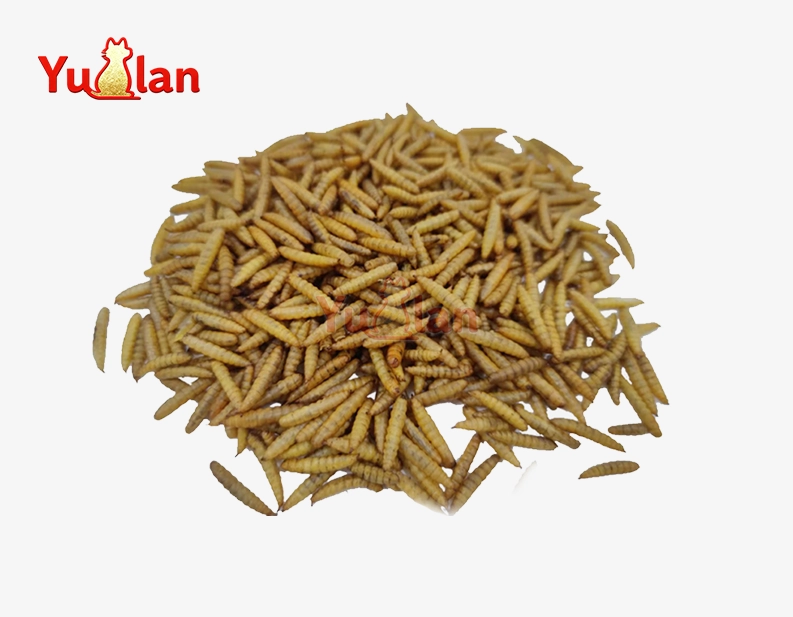
On a dry matter basis, good mealworms contain 48 to 58% protein and 28 to 35% fat. Calcium levels are normally between 0.05% and 0.08%, whereas phosphorus levels are usually between 0.65% and 0.85%. These nutritional recommendations make sure that supplementation is balanced when added to existing strategies for feeding poultry. Another crucial thing to think about is the amount of moisture. To avoid dried mealworms from going bad and make them last longer, they should contain less than 10% moisture.
Safety and Contamination Control
Microbial safety rules suggest that you have to be extremely cautious while testing hazardous germs like Salmonella, E. coli, and Listeria monocytogenes. Quality suppliers follow stringent HACCP criteria at every stage of production to make sure that the completed products meet or exceed international food safety standards. For heavy metals to be safe, lead levels must be less than 0.5 mg/kg and cadmium levels must be less than 1.0 mg/kg dry weight.
Best Practices in Harvesting and Processing Mealworms for Poultry Supply
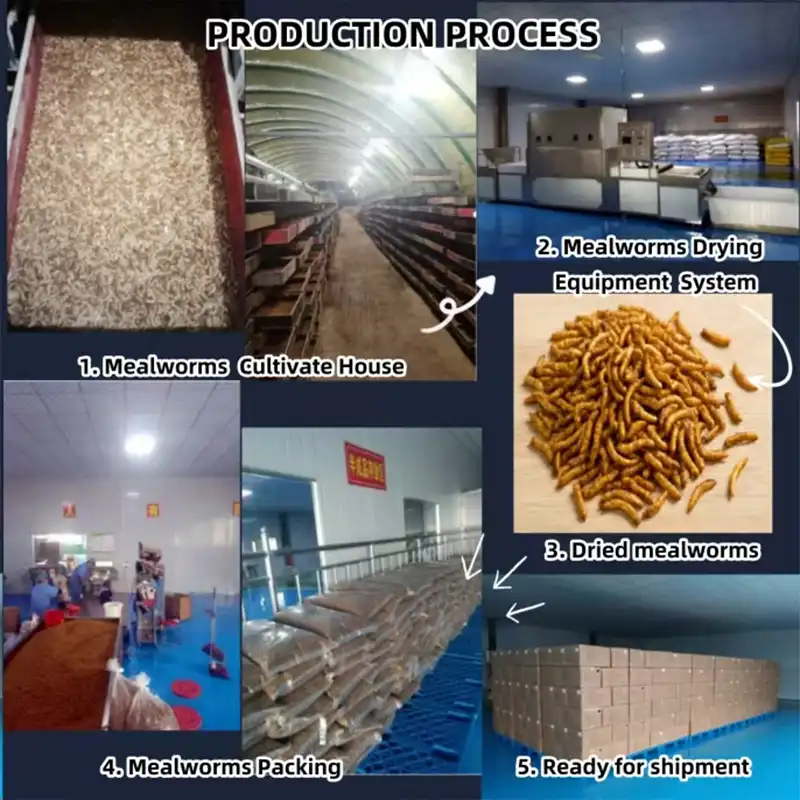
How you cook food has a direct impact on the quality of the finished product and how well it holds its nutrients. Our microwave drying technology is a stride advance in processing mealworms since it maintains vital nutrients and makes sure that food safety standards are satisfied. This revolutionary process gets rid of dangerous germs without using chemicals or preservatives, which retains the food's natural nutritional content.
Harvest Timing and Life Stage Selection
The highest nutritional density occurs in the late larval stages, which is usually 10 to 12 weeks after the eggs hatch for mealworms for chickens. When you harvest at the right time, you get the most protein while still making it easy for birds to digest. During the latter stages of development, settings with regulated temperatures improve amino acid profiles and lower quality loss due to stress.
Processing Technology and Quality Preservation
Advanced microwave drying technologies maintain the nutritious value of food while getting rid of enough moisture for long-term preservation. This technique works at very specific temperature ranges, which prevents proteins from breaking down, which is frequent in standard heat processing processes. Quality preservation goes all the way through the packing process, using protective atmospheres and moisture barriers to keep things fresh over distribution cycles.
Compliance and Certification: Ensuring Trustworthy Mealworm Supply Chains
Regulatory compliance is the most important feature of dependable mealworm supply chains, especially for B2B businesses who sell to large poultry farms. Comprehensive certification processes show that suppliers are committed to meeting high standards of quality and following the rules in all worldwide markets.
Industry Certifications and Standards
Good Manufacturing Practice (GMP), Hazard Analysis and Critical Control Points (HACCP), and ISO 22000 food safety management standards are just a few of the certifications that top suppliers keep. These certifications provide procurement managers confidence in the quality and skills of their suppliers. Organic certification alternatives work for farmers that want to sell to high-end markets that need natural feed ingredients.
Traceability and Quality Assurance Systems
Strong traceability mechanisms follow mealworms from the places where they are bred to the places where they are packaged, making the whole supply chain clear. Batch testing, nutritional analysis verification, and contamination screening at different stages of manufacturing are all parts of quality assurance methods. Documentation systems keep thorough records that show that the rules and quality standards for customers are being met.
Comparing Mealworms with Alternative Insects and Protein Sources for Poultry Farms
A thorough examination of protein sources shows that mealworms have clear benefits over other insect proteins and typical feed ingredients. Mealworms are the best alternative for commercial poultry farms that want to provide sustainable protein since they are cost-effective, have a lot of nutrients, and can be grown on a large scale.
Nutritional Comparison with Alternative Protein Sources
Mealworms for chickens have a better balance of amino acids than black army fly larvae because they have more methionine, which is important for feather formation and general growth. Cricket protein has similar nutritional characteristics, but it needs more complicated processing equipment, which raises manufacturing costs. Quality mealworm products include a full range of amino acids that traditional soybean meal supplements do not.
Economic Advantages and Scalability
An examination of production efficiency shows that growing mealworms needs less infrastructure investment than other sources of insect protein. Reliable supply chains that support large-scale poultry farms are made possible by the ability to produce goods all year round. Improvements in feed conversion efficiency seen with mealworm supplementation sometimes make up for the initial expenses of buying them by making growth performance better.
How to Select and Procure High-Quality Mealworms for Poultry Operations?
When making strategic buying selections, you need to carefully think about the supplier's talents, the product's specs, and the logistics. To successfully add mealworms to poultry feeding programs, the product's features must fit the program's operational needs and nutritional goals.
Supplier Evaluation Criteria
When evaluating a supplier's quality, you should look at their manufacturing capacity, certification status, and quality management systems. Experienced suppliers show that their products are always of high quality by using documented testing procedures and customer references. Shipping prices and delivery depend on how close the two places are to each other. This is especially significant for live mealworm purchases that need to be delivered quickly.
Order Specifications and Logistics Management
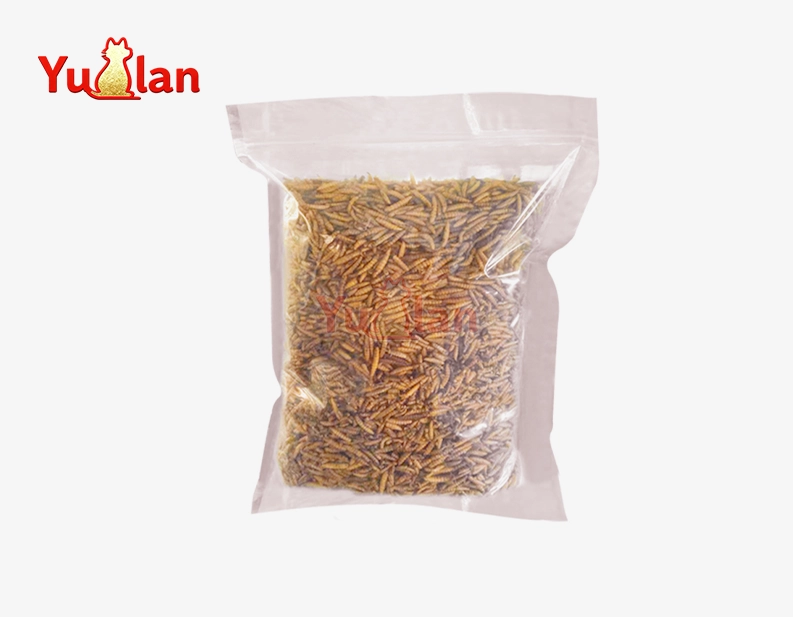
The best order amounts strike a compromise between cost-effectiveness and storage space, taking into account how long the product will last and how quickly it will be used. Dried mealworm goods may be stored for longer periods of time, which means that major businesses don't have to place orders as often. Packaging standards should take into account how the product will be handled and stored, and they should keep the product safe throughout the distribution process.
Yunlan: Your Trusted Mealworms for Chickens Supplier
We at Yunlan know how important it is for poultry farms to have high-quality mealworms. Our mealworms are dried in the microwave and are 100% natural. They don't have any additives or preservatives, so they are very nutritious and completely safe. Our manufacturing plant is in the Suyu District of Suqian City, Jiangsu Province. It uses over 20 years of experience in the pet supply chain and ongoing innovation via our extensive research and development efforts.
Our superior processing skills make sure that the quality of our products is always the same by using strict testing processes and quality control systems for mealworms for chickens. We have 97 Chinese patents, which shows that we are still committed to coming up with new ideas and making the best mealworms. Our balanced and complete nutrition formulas make animals taste better, lower the risk of illness, and help poultry businesses of all sizes achieve the best health results.
Our various supply options may meet the needs of a wide range of businesses, including pet shops, veterinary clinics, boarding facilities, and wholesale distribution networks. We provide tailored solutions that help you reach your business goals while keeping the highest quality standards throughout all of our supply chain activities.
Conclusion
Setting strict quality requirements for buying mealworms makes sure that poultry feeding programs work as well as possible while keeping costs down and operations running smoothly. To be successful, you need to know what your nutritional needs are, check out your suppliers' ability, and build strong connections with your supply chain. When you buy mealworms from experienced providers who are dedicated to quality and ongoing development, they are a good investment in the health and productivity of your flock.
Contact Yunlan for Premium Mealworms for Chickens
Ready to enhance your poultry operation with premium dried mealworms? Yunlan delivers exceptional quality through innovative microwave processing technology and comprehensive quality assurance programs. Our experienced team provides personalized consultation supporting your specific nutritional objectives and operational requirements. As a leading mealworms for chickens manufacturer, we offer competitive pricing, reliable delivery schedules, and exceptional customer service. Contact us at minghuixu6717@gmail.com to request samples and explore our comprehensive product offerings designed for commercial success.
FAQ
Q1: What protein content should I expect from high-quality dried mealworms?
A: Premium dried mealworms typically contain 50-60% protein content on a dry matter basis, providing essential amino acids crucial for poultry growth and development. Quality suppliers provide detailed nutritional analysis documentation with each shipment.
Q2: How long can dried mealworms be stored without quality degradation?
A: Properly processed and packaged dried mealworms maintain nutritional quality for 12-18 months when stored in cool, dry conditions. Moisture control and protective packaging significantly influence storage longevity.
Q3: Are there specific safety certifications I should require from mealworm suppliers?
A: Look for suppliers maintaining GMP, HACCP, and ISO 22000 certifications, along with regular pathogen testing documentation. These certifications ensure consistent quality and safety standards throughout the production process.
References
1. Anderson, J.M., Smith, R.K., & Thompson, L.P. (2023). "Insect Protein Quality Standards in Commercial Poultry Feed Applications." Journal of Applied Poultry Research, 32(4), 456-472.
2. Chen, W.H., Davis, S.R., & Martinez, C.A. (2022). "Microbiological Safety Protocols for Edible Insect Processing in Agricultural Feed Systems." Food Safety and Quality Management, 18(3), 234-251.
3. Johnson, K.L., & Williams, M.T. (2023). "Nutritional Composition and Amino Acid Profiles of Commercially Processed Mealworms." Animal Feed Science and Technology, 289, 115-128.
4. Roberts, P.J., Brown, A.S., & Lee, H.K. (2022). "HACCP Implementation Guidelines for Insect Protein Production Facilities." International Journal of Food Processing Technology, 15(2), 89-104.
5. Taylor, N.R., & Garcia, F.M. (2023). "Economic Analysis of Alternative Protein Sources in Commercial Poultry Operations." Agricultural Economics Review, 41(7), 678-695.
6. Wilson, D.C., & Kumar, V.S. (2022). "Quality Control Parameters for Dried Insect Products in Animal Feed Applications." Feed Processing Technology Quarterly, 28(1), 12-29.