- English
- French
- German
- Portuguese
- Spanish
- Russian
- Japanese
- Korean
- Arabic
- Irish
- Greek
- Turkish
- Italian
- Danish
- Romanian
- Indonesian
- Czech
- Afrikaans
- Swedish
- Polish
- Basque
- Catalan
- Esperanto
- Hindi
- Lao
- Albanian
- Amharic
- Armenian
- Azerbaijani
- Belarusian
- Bengali
- Bosnian
- Bulgarian
- Cebuano
- Chichewa
- Corsican
- Croatian
- Dutch
- Estonian
- Filipino
- Finnish
- Frisian
- Galician
- Georgian
- Gujarati
- Haitian
- Hausa
- Hawaiian
- Hebrew
- Hmong
- Hungarian
- Icelandic
- Igbo
- Javanese
- Kannada
- Kazakh
- Khmer
- Kurdish
- Kyrgyz
- Latin
- Latvian
- Lithuanian
- Luxembou..
- Macedonian
- Malagasy
- Malay
- Malayalam
- Maltese
- Maori
- Marathi
- Mongolian
- Burmese
- Nepali
- Norwegian
- Pashto
- Persian
- Punjabi
- Serbian
- Sesotho
- Sinhala
- Slovak
- Slovenian
- Somali
- Samoan
- Scots Gaelic
- Shona
- Sindhi
- Sundanese
- Swahili
- Tajik
- Tamil
- Telugu
- Thai
- Ukrainian
- Urdu
- Uzbek
- Vietnamese
- Welsh
- Xhosa
- Yiddish
- Yoruba
- Zulu
Pet owners around the world are rethinking their choices. Traditional clay-based litters create environmental concerns that many find troubling. Strip mining damages landscapes. Non-biodegradable waste fills landfills for decades. What alternative exists for conscientious cat parents? Cassava cat litter has emerged as a compelling answer to these challenges.
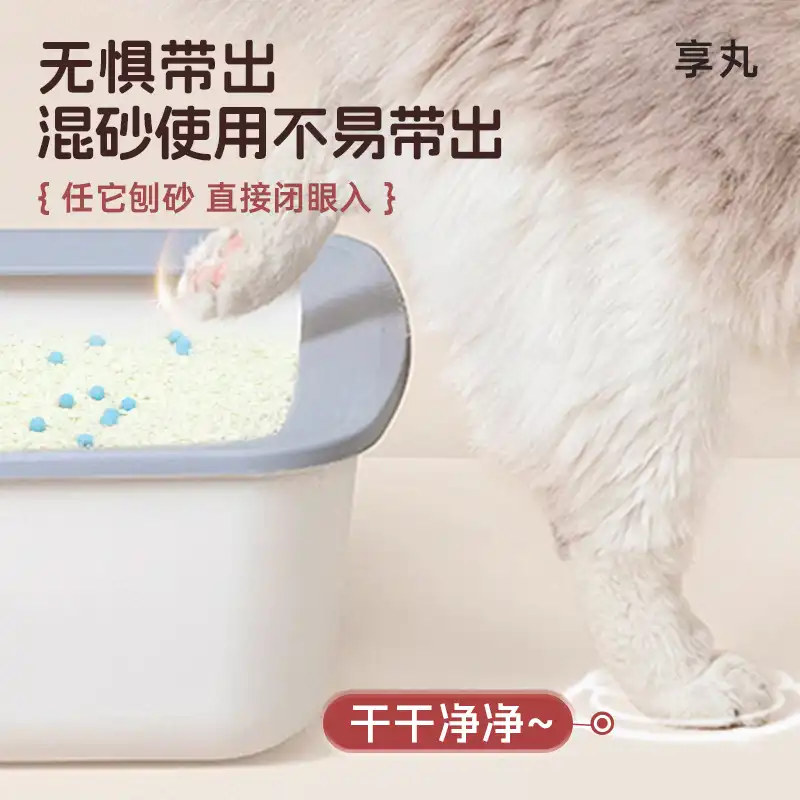
This plant-based innovation transforms how we approach feline waste management. Made from the starchy root of the cassava plant, this litter type offers remarkable sustainability credentials. It breaks down naturally, reduces carbon footprints, and provides excellent performance. But does it truly deliver on its eco-friendly promises? Let's examine the evidence.
Understanding Cassava Cat Litter: A Natural Alternative
What Makes Cassava Different from Traditional Litters
The Manihot esculenta plant's roots are the source of cassava. This tropical crop is widely grown in South America, Africa, and Southeast Asia. The main reason farmers harvest the starchy tubers is to produce food. Nevertheless, creative producers have realized its amazing potential for pet supplies.
Cassava starch extraction is the first step in the transformation process. This starch is further processed by manufacturers to create litter box-appropriate granules. Cassava is derived from renewable agricultural sources, in contrast to bentonite clay, which necessitates large mining operations. A sustained supply chain can be created by fields producing new crops every year.
Conventional clay litters pose serious environmental problems. Ecosystems are destroyed and wildlife habitats are displaced during the mining process. Significant carbon emissions are produced during the transportation of heavy clay materials. After being utilized, clay litter never really decomposes and remains in landfills for a very long time. This concerning trend is sharply contrasted with cassava.
The Science Behind Biodegradability
The ability of a material to break down naturally through biological processes is known as biodegradability. Organic matter is broken down into smaller chemicals by microorganisms. These substances eventually find their way back to the soil as fertilizers. Because of its plant-based makeup, cassava cat litter performs exceptionally well in this area.
According to research, under the right composting conditions, plant-based litters break down in a matter of weeks to months. In contrast, clay litter can linger in the ecosystem for centuries. Every year, a single cat can produce about 250 pounds of litter waste. The impact on the environment would be enormous if waste continued to build up without being broken down.
The structure of cassava starch reacts easily to microbiological activity. Fungi and bacteria identify it as organic material and initiate organic degradation processes. Although pet waste should be treated separately owing to possible infections, some cassava litter products can even be successfully composted in household gardens.
Carbon Footprint Considerations
From production to disposal, every product has an environmental cost. Over the course of its life, cassava cat litter usually has a smaller carbon footprint. In fact, growing cassava absorbs carbon dioxide from the atmosphere. During photosynthesis, the plants take in CO2 and store it in their tissues.
In general, manufacturing techniques for plant-based litters use less energy than those for clay. Fossil fuel use is high during the mining, crushing, and transportation of heavy clay minerals. Facilities that prepare cassava frequently use more environmentally friendly techniques. Some manufacturers even use renewable energy to run their businesses.
The effects on transportation are also worth considering. Compared to clay substitutes, cassava litter is substantially lighter. Lighter goods use less fuel and put fewer trucks on the road. Significant emissions savings are achieved as a result of this weight advantage compounding over international distribution networks.
Is Cassava Cat Litter Safe for Cats?
Examining Ingestion Risks
For any conscientious pet owner, cat safety is the top priority. Cats may swallow tiny fragments of litter because they groom themselves all the time. There are valid concerns regarding material safety raised by this activity. Fortunately, cassava has a very good safety record for cats.
Millions of people worldwide use cassava starch as a food-grade substance. Accidental consumption of the litter form presents little risk, however it should not be purposefully provided to pets. Without creating any blockages, the substance moves through the digestive system. This feature sets cassava apart from clumping clay litters, which have the potential to grow dangerously inside a cat's stomach.
Plant-based litters are often viewed favorably by veterinary professionals. Natural litters limit exposure to crystalline silica dust, a recognized respiratory irritant included in many clay products, according to veterinary expert Dr. Jennifer Coates. Plant-based substitutes are frequently beneficial for cats with delicate respiratory systems.
Dust and Respiratory Health
Cats and their human relatives are equally impacted by dust creation. Cats disrupt litter particles when they dig and hide their excrement. These particles can irritate respiratory passages once they are in the air. Everyone in the home is at risk for health problems due to prolonged exposure to some forms of dust.
Compared to conventional clay choices, high-quality cassava cat litter generates far less dust. Dust-reduction solutions can be integrated into the production process. At Suqian Ruixin Yunlan Technology, our research and development team is especially focused on reducing particulate matter. We use cutting-edge processing methods to guarantee that our plant-based goods fulfill the strictest requirements.
Low-dust litters are especially beneficial for cats with allergies or asthma. For cats with long-term respiratory issues, veterinarians occasionally suggest plant-based foods. Because cassava particles are softer, they cause less discomfort to delicate airways. After switching goods, many owners claim observable benefits.
Chemical-Free Composition
Synthetic additives appear in many commercial litters. Manufacturers add fragrances, antimicrobial agents, and clumping enhancers. While these additives serve functional purposes, they introduce potential concerns. Some cats react negatively to artificial fragrances or chemical treatments.
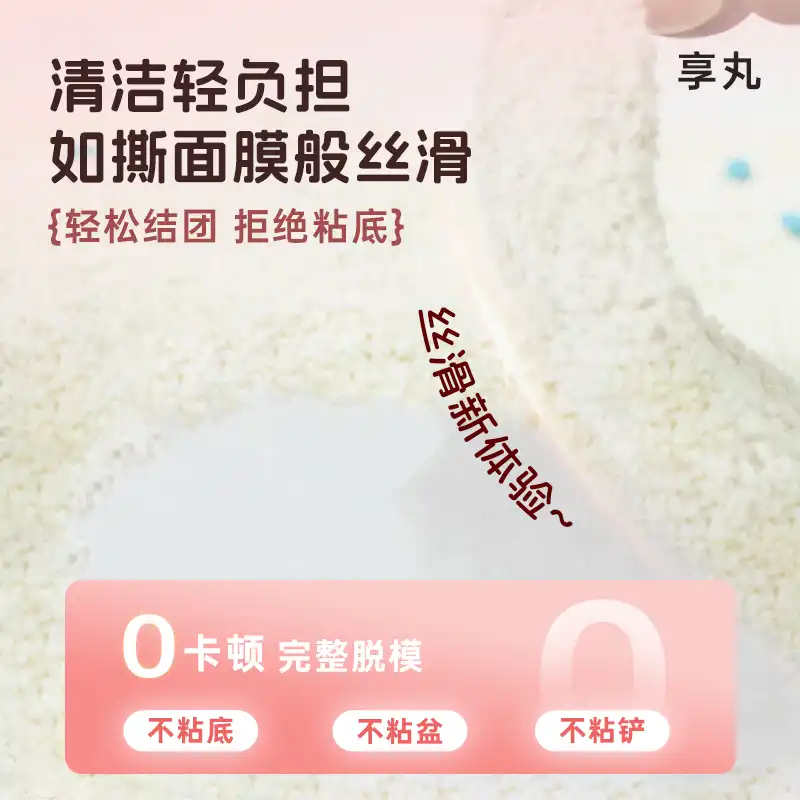
The effectiveness of pure cassava cat litter depends on its inherent qualities. Chemical additives are not necessary because starch is naturally absorbent. Without the use of artificial agents, natural antibacterial qualities aid in limiting bacterial development. Owners looking for lightly processed goods will find its clean composition appealing.
Litters with strong scents are frequently avoided by sensitive cats. They might completely ignore the litter box, which could result in behavioral issues. Sophisticated cats are more receptive to the natural, neutral aroma of cassava litter. A cat who regularly uses its litter box stays a happier, healthier friend.
Environmental Benefits of Choosing Plant-Based Litter
Protecting Natural Ecosystems
Bentonite clay mining leaves scars on the landscape that persist for generations. Open-pit mines displace wildlife and destroy vegetation. Waterways become polluted with sediment runoff. These environmental costs rarely appear on product labels, yet they represent real damage to our planet.
Cassava cultivation, when practiced responsibly, integrates with existing agricultural systems. Farmers can rotate cassava with other crops, maintaining soil health. The plants themselves prevent erosion with their extensive root systems. Wildlife can coexist with cassava fields far more easily than with mining operations.
Choosing plant-based litter sends a market signal to manufacturers. Consumer demand drives production decisions. As more pet owners select sustainable options, companies invest further in eco-friendly alternatives. Your purchasing power influences the broader industry trajectory.
Reducing Landfill Burden
Municipal waste management systems struggle with ever-increasing volumes. Cat litter contributes significantly to household waste streams. The Environmental Protection Agency estimates that Americans dispose of approximately 2 million tons of cat litter annually. Most of this material enters landfills, where it occupies space indefinitely.
Biodegradable cassava cat litters offer a pathway to reduced landfill dependence. Cassava-based products break down under appropriate conditions. Some municipalities accept biodegradable litter in green waste programs. Others permit home composting of the litter material itself, though pet waste requires careful handling.
Even when disposed of in regular trash, biodegradable litters decompose faster than clay. The environmental burden diminishes more quickly. Future generations inherit fewer mountains of accumulated waste. This consideration motivates many environmentally conscious consumers.
Making the Switch to Eco-Friendly Litter
Transitioning Your Cat Successfully
Cats notoriously resist change. Their preferences for specific litter textures and scents develop through experience. Abrupt switches sometimes result in litter box rejection. A gradual transition approach prevents behavioral problems while introducing new products.
Begin by mixing small amounts of cassava litter with your current product. Perhaps a 75/25 ratio of old to new works initially. Over two to three weeks, gradually increase the proportion of cassava litter. Most cats adapt without issue when changes occur incrementally.
Monitor your cat's behavior during the transition period. Watch for signs of avoidance or hesitation around the litter box. If problems arise, slow the transition pace. Some cats require a month or longer to accept new litter fully. Patience prevents stress for both pet and owner.
Proper Disposal Methods
Your location and the product's specs will determine your disposal alternatives. Small amounts of cassava litter can be flushed, though local laws should be checked. Potential disease hazards for marine environments are introduced by flushing cat excrement; sea otters and other species are especially vulnerable to the parasite Toxoplasma gondii.
For gardeners, composting is a desirable alternative. The actual trash material decomposes easily. However, compost used for edible gardening shouldn't contain cat excrement. For safety concerns, it is nevertheless advised to dispose of pet waste in regular trash or in a separate composting system.
Biodegradable pet items are becoming more and more accepted by municipal green waste programs. For particular guidelines, consult your local waste management authority. When materials biodegrade, even routine landfill discharge is more environmentally beneficial. Each sustainable decision adds to the overall beneficial effect.
Why Partner with Suqian Ruixin Yunlan Technology?
Comprehensive Expertise and Innovation
Our company stands at the forefront of sustainable pet product development. As a full-industry chain enterprise, we integrate R&D, production, sales, and OEM services under one roof. This vertical integration ensures quality control at every stage. B2B partners benefit from our streamlined operations and consistent output.
Innovation drives our approach. We took the lead in developing plant-based cat litter using agricultural materials like straw as raw materials. Our Yihui Company division practices the new green development concept actively. We promote ESG management systems throughout our operations. These commitments translate into superior products for our partners and their customers.
Technical expertise underpins our manufacturing capabilities. We apply core advanced technologies including specialized processing methods refined over years of experience. Our pet food R&D center provides research support for material screening and product development. This scientific foundation enables differentiated products that stand out in competitive markets.
Global Reach and Market Understanding
Our products reach more than 60 countries and regions worldwide. Markets including the United States, Europe, Japan, and South Korea trust our quality. This international presence reflects our understanding of diverse consumer preferences and regulatory requirements. We adapt to local market needs while maintaining consistent quality standards.
Domestically, our three core brands—Yihe, Paihao, and Maodali—each achieve annual sales revenue exceeding 300 million yuan. This market success demonstrates consumer confidence in our products. Our extensive distribution network includes over 200 distributors and more than 10,000 offline stores. B2B partners gain access to proven market strategies and established distribution channels.
The pet industry continues its rapid growth trajectory globally. Pet ownership rates increase annually across developed and emerging markets. Demand for sustainable pet products grows faster than the overall market. Positioning your business with eco-friendly offerings captures this expanding customer segment.
The evidence clearly supports cassava cat litter as an eco-friendly choice. It biodegrades naturally, reducing landfill burden. It comes from renewable agricultural sources rather than destructive mining operations. It offers a safety profile superior to many conventional alternatives. Performance characteristics meet the demands of both cats and their owners.
Environmental responsibility and business success align perfectly in today's market. Consumers increasingly seek sustainable products. Retailers want to stock items that match their customers' values. Manufacturers must adapt to shifting preferences or risk obsolescence. Plant-based cat litter represents the future of this product category.
Suqian Ruixin Yunlan Technology invites B2B partners to explore opportunities together. Our expertise spans research, manufacturing, and global distribution. We understand market dynamics across diverse regions. Our commitment to quality and sustainability guides every decision we make.
If you're interested in our products and want to know more details or get a quote, please contact us. Simply send an enquiry to minghuixu6717@gmail.com.
FAQs
Q1: Is cassava cat litter safe if my cat accidentally eats it?
A: Cassava starch is a food-grade material that passes through the digestive system safely in small amounts. Unlike clumping clay litters that can expand dangerously in the stomach, cassava poses minimal ingestion risk. However, intentional consumption should be discouraged, and you should consult your veterinarian if your cat regularly eats significant quantities of any litter product.
Q2: How long does cassava cat litter take to biodegrade?
A: Under proper composting conditions, cassava litter typically breaks down within weeks to months. The exact timeframe depends on environmental factors like temperature, moisture, and microbial activity. Compared to clay litters that persist for centuries in landfills, cassava offers dramatically faster decomposition.
Q3: Does cassava cat litter clump as well as clay litter?
A: Quality cassava litters form solid, scoopable clumps comparable to premium clay products. The starch structure binds moisture effectively, creating cohesive clumps that maintain integrity during removal. Performance varies by brand and formulation, so selecting reputable manufacturers ensures optimal results.
Q4: Can I flush cassava cat litter down the toilet?
A: Some cassava litters are marketed as flushable, but local regulations and plumbing systems vary. Additionally, cat feces may contain Toxoplasma gondii parasites that wastewater treatment doesn't fully eliminate, posing risks to marine wildlife. Composting the litter material separately or disposing in regular trash is often recommended.
Q5: Why should B2B partners choose Suqian Ruixin Yunlan Technology for plant-based cat litter?
A: Our company offers full-industry chain capabilities combining R&D expertise, manufacturing excellence, and global distribution experience. With 97 patents, presence in 60+ countries, and over 20 years of supply chain management experience, we provide reliable partnerships for quality eco-friendly pet products. We offer OEM services and customization to meet specific market requirements.
References
- U.S. Environmental Protection Agency. (2023). Facts and Figures about Materials, Waste and Recycling. EPA.gov.
- Food and Agriculture Organization of the United Nations. (2022). Cassava Production and Sustainable Agriculture. FAO Corporate Document Repository.
- American Veterinary Medical Association. (2024). Pet Ownership Statistics and Trends. AVMA.org.
- International Agency for Research on Cancer. (2012). Crystalline Silica, Quartz. IARC Monographs on the Evaluation of Carcinogenic Risks to Humans, Volume 100C.
- Conrad, P.A., et al. (2005). Transmission of Toxoplasma: Clues from the study of sea otters as sentinels of Toxoplasma gondii flow into the marine environment. International Journal for Parasitology, 35(11-12), 1155-1168.