- English
- French
- German
- Portuguese
- Spanish
- Russian
- Japanese
- Korean
- Arabic
- Irish
- Greek
- Turkish
- Italian
- Danish
- Romanian
- Indonesian
- Czech
- Afrikaans
- Swedish
- Polish
- Basque
- Catalan
- Esperanto
- Hindi
- Lao
- Albanian
- Amharic
- Armenian
- Azerbaijani
- Belarusian
- Bengali
- Bosnian
- Bulgarian
- Cebuano
- Chichewa
- Corsican
- Croatian
- Dutch
- Estonian
- Filipino
- Finnish
- Frisian
- Galician
- Georgian
- Gujarati
- Haitian
- Hausa
- Hawaiian
- Hebrew
- Hmong
- Hungarian
- Icelandic
- Igbo
- Javanese
- Kannada
- Kazakh
- Khmer
- Kurdish
- Kyrgyz
- Latin
- Latvian
- Lithuanian
- Luxembou..
- Macedonian
- Malagasy
- Malay
- Malayalam
- Maltese
- Maori
- Marathi
- Mongolian
- Burmese
- Nepali
- Norwegian
- Pashto
- Persian
- Punjabi
- Serbian
- Sesotho
- Sinhala
- Slovak
- Slovenian
- Somali
- Samoan
- Scots Gaelic
- Shona
- Sindhi
- Sundanese
- Swahili
- Tajik
- Tamil
- Telugu
- Thai
- Ukrainian
- Urdu
- Uzbek
- Vietnamese
- Welsh
- Xhosa
- Yiddish
- Yoruba
- Zulu
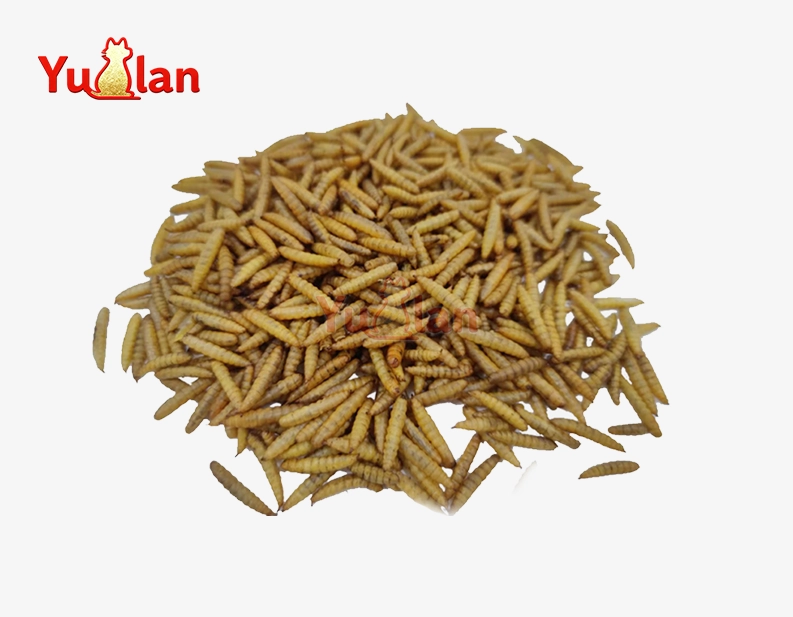
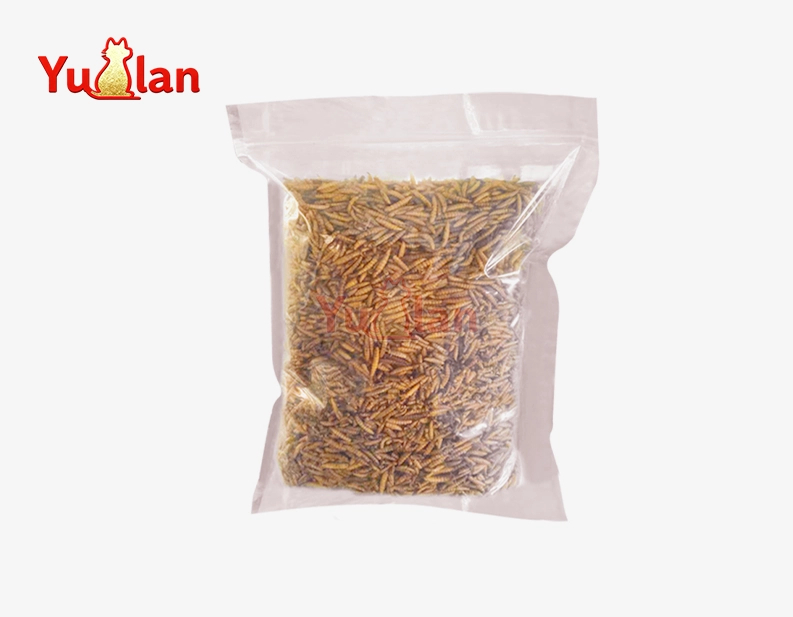
Freshwater fishing relies heavily on high quality natural bait to improve catch rates and fishing efficiency. Both recreational anglers and commercial fishing operators constantly seek bait options that are durable, fish friendly and cost effective. Among all natural bait choices, mealworms stand out for their unique biological characteristics and universal fish attraction effect. Mealworms for fishing bait have become a mainstream choice for modern fishing scenarios, replacing many unstable artificial baits and short lived natural baits. This article comprehensively introduces the advantages, usage skills, product comparison and commercial procurement knowledge of mealworm fishing bait. It provides practical and professional guidance for individual anglers and bulk fishing bait buyers.
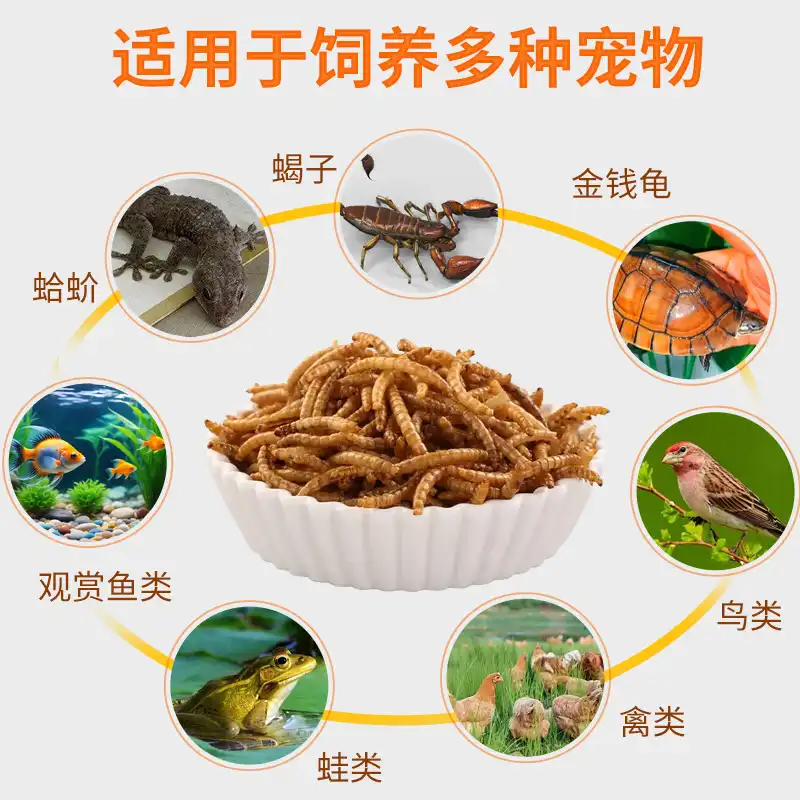
Advantages and Fishing Principles of Mealworms for Fishing Bait
To fully utilize the value of natural bait, it is necessary to understand the internal fishing logic and core advantages of mealworms. Different from ordinary baits, mealworms have unique nutritional and biological traits that perfectly fit the feeding habits of freshwater fish. These inherent features make mealworms more competitive in various fishing environments.
Unique Biological Traits and Fish Attraction Mechanism
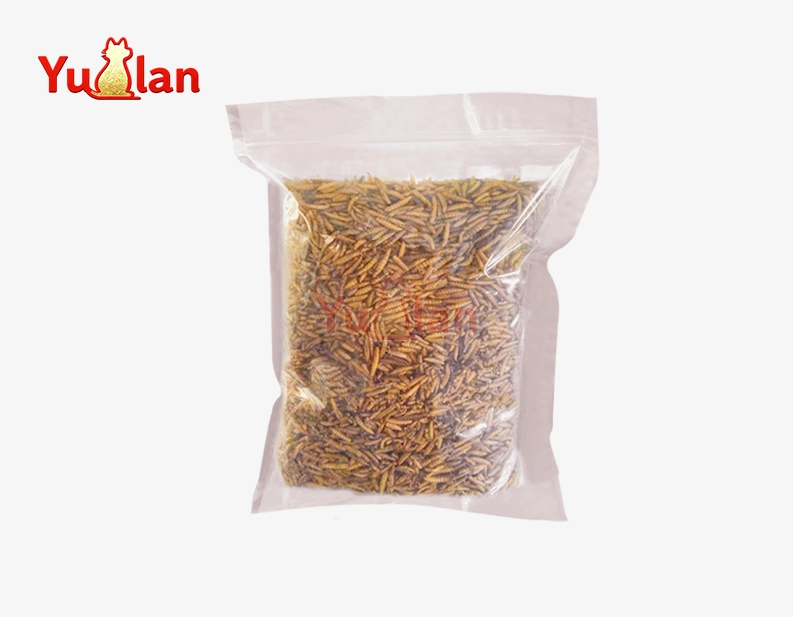
Mealworms are the larvae of darkling beetles, with soft segmented bodies and natural biological activity that highly simulate the natural prey of freshwater fish. Mealworms for fishing bait can continuously release natural biological odor and trace bioactive substances in water. These substances can spread rapidly in static and flowing water, effectively attracting target fish from a long distance.
Compared with rigid artificial baits, live and processed mealworms can produce subtle body swings in water. The natural swimming posture perfectly restores the movement state of aquatic insects. This vivid simulation effect cannot be copied by most synthetic baits, greatly stimulating the predation instinct of wild fish.
In terms of nutritional attributes, mealworms are rich in high quality protein, natural amino acids and trace minerals. These nutrients are consistent with the daily diet needs of freshwater fish. Fish are more willing to bite because the bait conforms to their natural feeding preferences, instead of relying on artificial flavor additives to induce bites.
Strong Adaptability and Long Lasting Bait Performance
One of the biggest advantages of mealworms for fishing bait is their excellent environmental adaptability and durability. Most soft baits such as maggots and earthworms are easy to rot, fall off or lose activity after being hooked. Mealworms have tough body tissues that can maintain complete shape and activity for a long time after piercing.
Whether in clear shallow water, turbid deep water, slow flowing rivers or static pond water, mealworms can maintain stable bait performance. They do not dissolve or deform easily with water flow impact. This long lasting performance effectively reduces the frequency of bait replacement and improves continuous fishing efficiency.
The stable physical properties also make mealworms suitable for long distance throwing and deep water fishing. They can withstand the tension of fishing lines and water pressure changes. For commercial fishing and long term wild fishing, this durable feature greatly reduces bait consumption and overall cost.
Applicable Fish Species and Seasonal Application Rules
Mealworms for fishing bait are suitable for most common freshwater fish species, with extremely high targeting performance. Panfish including bluegill and crappie show obvious preference for mealworms, as these small fish naturally feed on aquatic insect larvae in the wild.
For bass, large sized mealworms are the best choice. Both largemouth and smallmouth bass actively prey on mealworms, especially in spring when fish recover appetite after low temperature. Trout in mountain streams and reservoir waters also respond positively to mealworm bait in all seasons.
Catfish that rely heavily on olfactory predation are highly sensitive to the unique biological smell of mealworms. This makes mealworms an efficient universal bait for mixed freshwater fish waters. In terms of seasons, mealworms perform best in spring and autumn. The moderate water temperature makes fish active in foraging, and the nutritional advantages of mealworms can fully stimulate fish predation desire.
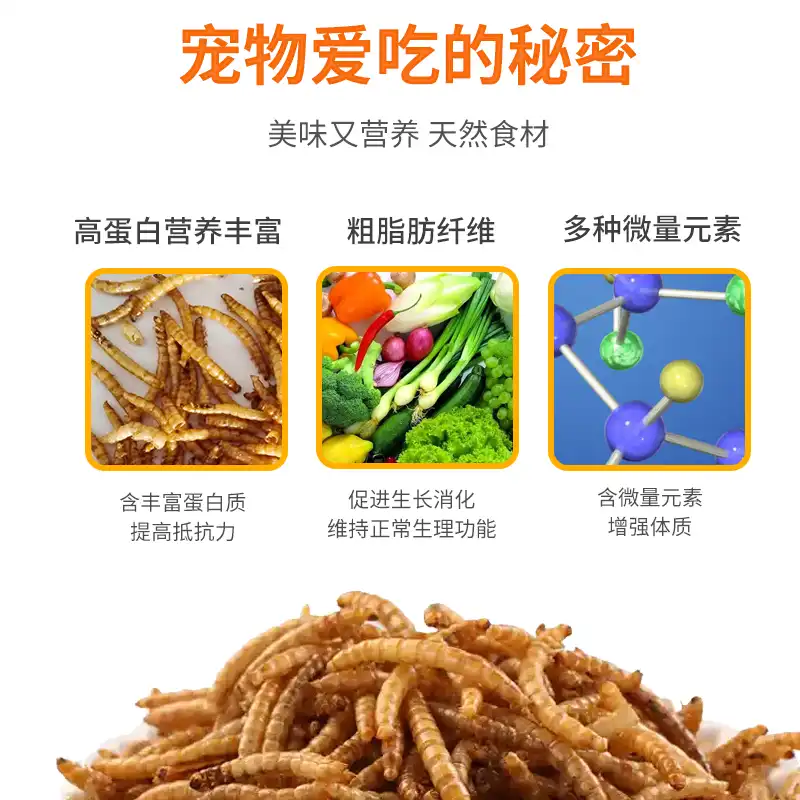
Standard Usage, Processing and Storage Methods of Mealworm Bait
Excellent bait effect depends on standardized use and maintenance methods. Improper hooking, processing or storage will directly reduce the fishing performance of mealworms. Mastering professional operation skills can maximize the utilization rate and fishing effect of mealworms for fishing bait.
Scientific Hooking Skills and Bait Presentation Methods
The standard hooking method directly determines the activity and service life of mealworms for fishing bait. The most practical operation is to pierce the head of the mealworm with a fishing hook. This fixing method can keep the whole body of the mealworm soft and flexible without hindering its natural swing in water.
After correct hooking, the mealworm can still release odor substances and simulate natural swimming actions. It maintains a strong fish attracting effect during the whole fishing process. It is necessary to avoid piercing the middle or tail of the mealworm at will, which will easily cause body rupture, rapid death and accelerated deterioration.
For different fishing scenarios, anglers can adjust the hooking quantity appropriately. Single mealworm hooking is suitable for small and medium sized fish, while multiple overlapping hooking is applicable to large bass and trout. Flexible matching can significantly improve the hit rate of target fish.
Commercial Processing Technology and Safety Advantages
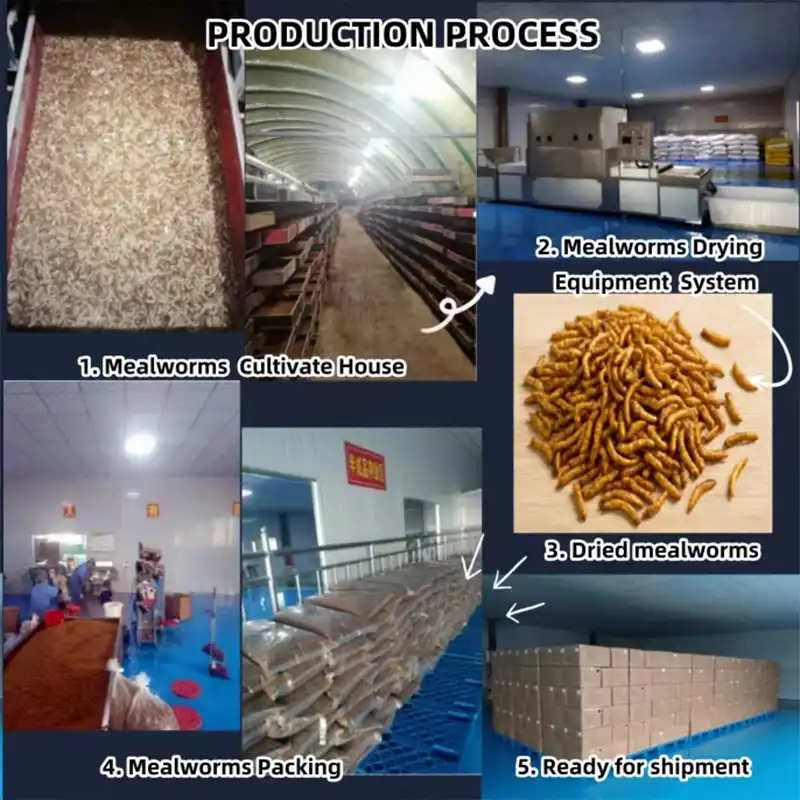
Regular suppliers adopt professional microwave drying and physical sterilization technology to process mealworms for fishing bait. This processing mode efficiently kills harmful bacteria and microorganisms on the surface of mealworms. It ensures the safety and hygiene of bait without adding any chemical preservatives and flavor enhancers.
The physical processing technology locks the natural protein and odor substances of mealworms to the greatest extent. Processed dried mealworms retain more than 95 percent of the fish attracting activity of live mealworms. They avoid the defects of short storage cycle and easy death of live baits.
Standardized processed mealworms have stable quality and uniform specifications. They are not affected by seasonal changes and environmental differences. This feature is very suitable for mass supply in commercial fishing industries and fishing bait retail markets.
Professional Storage and Bulk Preservation Guidelines
Reasonable storage is the key to maintain the activity and fishing effect of mealworms for fishing bait. For live mealworm bait, the optimal storage temperature is controlled between 45 and 55 degrees Fahrenheit. This temperature range can maintain the vitality of larvae and inhibit bacterial reproduction.
While controlling temperature, it is necessary to keep the storage environment ventilated and dry. Excessive humidity will cause mealworms to mold and rot, and too dry environment will lead to dehydration and inactivity. Ventilated containers are the best choice for daily storage.
For bulk commercial inventory, classified storage is required according to product types. Dried mealworms can be stored at room temperature for a long time, while live mealworms need regular inspection and stock rotation. Standardized storage management effectively reduces product loss and ensures stable bait quality for end users.
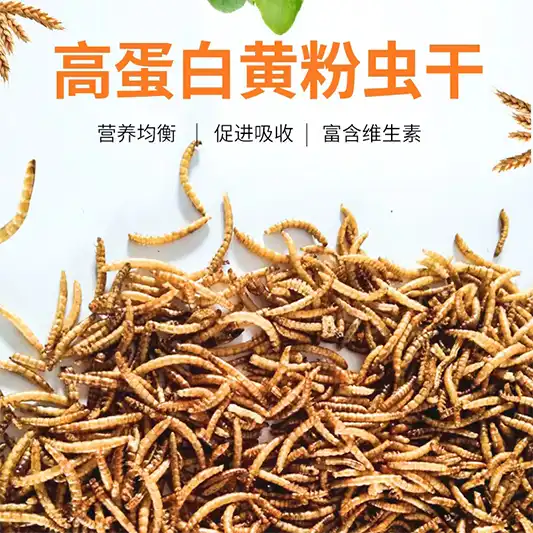
Competitive Advantages and Market Value of Mealworm Fishing Bait
In the diversified fishing bait market, mealworms have obvious comprehensive advantages in performance, cost, supply and environmental protection compared with traditional baits. These advantages make mealworms for fishing bait have higher market competitiveness and long term commercial value.
Performance and Service Life Comparison With Traditional Baits
Mealworms for fishing bait have far better durability than crickets, maggots and earthworms. Traditional live baits are prone to necrosis, odor and deterioration after leaving the growth environment. Their effective use time is short, and the bait replacement frequency is high in fishing process.
Mealworms maintain stable biological activity and fish attracting effect for a longer time after being hooked. They are not easy to fall off or rot in water. This advantage greatly improves fishing continuity and reduces bait waste for individual anglers and commercial fishing teams.
Compared with artificial synthetic baits, mealworms have natural odor and vivid bionic effects. They do not rely on chemical flavoring agents to attract fish. The natural predation induction effect is more in line with the feeding habits of wild fish, and the bite rate is significantly higher.
Cost Performance and Supply Chain Stability
In terms of comprehensive cost performance, mealworms for fishing bait have outstanding advantages. Bulk procurement of mealworms can obtain stable wholesale prices, and the unit use cost is lower than most high end artificial baits and rare natural baits.
Different from seasonal limited baits, the industrial breeding of mealworms is not affected by climate and season. Suppliers can achieve stable mass production and continuous supply throughout the year. This completely solves the problem of seasonal shortage of traditional live baits.
The standardized production of mealworms realizes unified product specifications and stable quality. The quality control cost of downstream merchants is reduced, and the product return rate is low. Stable supply chain and controllable quality bring stable profit space for fishing bait retailers and bulk purchasers.
Environmental Protection Attributes and Sustainable Development Value
Mealworms for fishing bait are eco friendly natural bait resources. The industrial breeding process of mealworms consumes less resources and produces no environmental pollution. The carbon footprint is far lower than artificial bait chemical production and wild bait fishing and collection.
Discarded mealworm baits can be naturally degraded in water and soil without polluting water quality and destroying ecological balance. This green attribute conforms to the current global environmental protection fishing concept and sustainable aquaculture development trend.
With the increasing awareness of environmental protection in the fishing industry, green and pollution free natural baits have become the mainstream market trend. The environmental protection advantage of mealworms makes it more popular in European and American markets with strict environmental access standards.
Procurement Strategy and Industry Application Value
For commercial fishing enterprises, fishing bait distributors and wholesale merchants, scientific procurement and resource allocation are crucial to business profitability. Professional procurement standards can help buyers obtain high quality mealworms for fishing bait and optimize overall operational benefits.
Supplier Selection and Quality Evaluation Standards
When purchasing mealworms for fishing bait in bulk, buyers should prioritize formal manufacturers with complete production qualifications and safety certification. Reliable suppliers have perfect quality control systems and professional testing mechanisms to detect protein content, microbial indicators and product freshness in batches.
Production capacity and delivery stability are core evaluation indicators. Excellent manufacturers have complete industrial production lines and sufficient inventory reserves. They can support long term fixed batch orders and customized processing services to meet the differentiated needs of different markets.
It is necessary to focus on the supplier's logistics capacity and after sales service system. Mature global logistics distribution can ensure fast delivery and product freshness. Perfect after sales guarantee can effectively solve quality problems in the sales cycle and reduce operational risks for buyers.
Bulk Purchasing Skills and Risk Control
Long term cooperative bulk procurement can effectively lock in preferential prices and avoid cost fluctuations caused by market changes. Signing annual supply contracts can ensure stable supply of mealworms for fishing bait in peak fishing seasons and avoid supply shortages.
Buyers can adopt hierarchical procurement according to market demand. Conventional dried mealworms are purchased in large quantities for daily retail, and high activity live mealworms are reserved for high end customer groups. Reasonable product matching improves overall market competitiveness.
Establishing supplier reserve mechanism is an effective risk control method. Diversified procurement channels can avoid supply interruption caused by single supplier's production and logistics problems, ensuring the stable operation of downstream sales business.
Conclusion
Mealworms for fishing bait are efficient, durable and eco friendly natural fishing bait resources, suitable for recreational fishing and commercial fishing scenarios. Relying on unique biological fish attracting advantages, stable product performance and excellent environmental protection attributes, mealworms surpass most traditional natural baits and artificial synthetic baits in comprehensive use effect. Standardized hooking, processing and storage methods can maximize the fishing effect of mealworm bait. At the same time, stable industrial supply chain and high cost performance make mealworms have broad market prospects in the fishing bait industry. For individual anglers, it is a universal and efficient fishing helper. For bulk procurement merchants and fishing industry operators, it is a high profit and sustainable business product. Selecting high quality mealworm products and scientific procurement and use strategies can create greater value for fishing activities and commercial operations.
FAQs
What makes mealworms effective for commercial fishing operations?
Mealworms for fishing bait have stable activity and strong fish attraction, which is the core advantage for commercial fishing applications. The natural biological odor and bionic swimming posture can continuously induce fish to bite. The tough body structure is not easy to damage in water, reducing frequent bait replacement. Standardized industrial products have stable quality and long storage cycle, which can adapt to large scale and long term commercial fishing work and effectively improve overall catch efficiency.
How to store bulk mealworms to keep them fresh?
Bulk mealworms for fishing bait need classified storage according to product types. Live mealworms should be stored in a ventilated and dry environment with temperature controlled at 45 to 55 degrees Fahrenheit to maintain vitality. Dried mealworms can be stored at room temperature with sealed and moisture proof measures. Regular stock inspection and rotation can avoid mold and deterioration, ensuring long term fresh state of the products.
What kinds of fish can mealworm bait catch?
Mealworms for fishing bait are universal freshwater fish bait. It is most effective for panfish such as bluegill and crappie. It also has excellent fishing effect on largemouth bass, smallmouth bass, trout and catfish. It can adapt to ponds, rivers, reservoirs and other different freshwater environments, with wide species adaptability and scene applicability.
Are dried mealworms as good as live mealworms for fishing?
High quality dried mealworms for fishing bait retain more than 95 percent of live bait fish attracting performance after professional physical processing. Live mealworms have stronger activity and are suitable for high difficulty wild fishing scenarios. Dried mealworms have longer shelf life and more convenient storage, which is more suitable for bulk sales and daily conventional fishing. Both products can meet the mainstream fishing needs of the market.
Why are mealworms more competitive than other baits?
Mealworms for fishing bait integrate the advantages of natural baits and artificial baits. It has natural fish attracting effect without chemical additives, and has durable performance that short lived natural baits do not have. Meanwhile, it has stable supply, low comprehensive cost and green environmental protection attributes. The comprehensive performance, cost and environmental protection advantages make it far more competitive than crickets, maggots and artificial baits.
Partner with Yunlan for Premium Mealworms for Fishing Bait Solutions
Yunlan is a professional global supplier focused on insect protein ecological feed and fishing bait products, with mature industrial production and supply chain operation experience. We specialize in the research, development, production and wholesale of high quality mealworms for fishing bait, serving fishing bait distributors, commercial fishing teams and outdoor fishing product retailers worldwide. All our mealworm products adopt advanced microwave physical sterilization technology, with zero chemical additives and zero preservatives. The products retain natural fish attracting activity, with stable quality and complete specifications. The company has complete production qualifications, professional quality testing laboratories and perfect after sales service system. We support bulk wholesale, customized processing and private label services to meet differentiated market demand. Our global logistics system realizes fast delivery and stable supply for customers in multiple regions. Whether you need product sample testing, bulk preferential quotations or customized product solutions, our professional team can provide one stop full cycle service. Contact our business team via minghuixu6717@gmail.com to obtain exclusive cooperation policies and professional industry solutions, and seize the green and high profit development opportunity of the fishing bait market together.
References
-
Johnson, M. & Peterson, R. (2023). Nutritional Analysis of Mealworm Larvae in Freshwater Fish Diets. Journal of Aquatic Nutrition Research, 18(3), 234-251.
-
Williams, K., Henderson, T. & Lee, S. (2022). Comparative Effectiveness of Natural vs Artificial Fishing Baits: A Multi Season Field Study. North American Fishing Industry Review, 45(7), 112-128.
-
Thompson, A. & Davis, L. (2023). Supply Chain Optimization in the Live Bait Industry: Sustainability and Efficiency Metrics. Commercial Fishing Quarterly, 39(2), 89-104.
-
Rodriguez, C. (2022). Environmental Impact Assessment of Mealworm Production Systems. Sustainable Aquaculture Practices, 14(4), 267-283.
-
Chen, H. & Miller, B. (2023). Market Analysis: Growth Trends in Alternative Protein Fishing Baits. Fishing Industry Economics, 31(1), 45-62.
-
Anderson, S., Wright, D. & Clark, E. (2022). Freshwater Fish Feeding Behavior and Bait Selection Preferences: A Comprehensive Study. Applied Ichthyology Research, 28(6), 178-195.