- English
- French
- German
- Portuguese
- Spanish
- Russian
- Japanese
- Korean
- Arabic
- Irish
- Greek
- Turkish
- Italian
- Danish
- Romanian
- Indonesian
- Czech
- Afrikaans
- Swedish
- Polish
- Basque
- Catalan
- Esperanto
- Hindi
- Lao
- Albanian
- Amharic
- Armenian
- Azerbaijani
- Belarusian
- Bengali
- Bosnian
- Bulgarian
- Cebuano
- Chichewa
- Corsican
- Croatian
- Dutch
- Estonian
- Filipino
- Finnish
- Frisian
- Galician
- Georgian
- Gujarati
- Haitian
- Hausa
- Hawaiian
- Hebrew
- Hmong
- Hungarian
- Icelandic
- Igbo
- Javanese
- Kannada
- Kazakh
- Khmer
- Kurdish
- Kyrgyz
- Latin
- Latvian
- Lithuanian
- Luxembou..
- Macedonian
- Malagasy
- Malay
- Malayalam
- Maltese
- Maori
- Marathi
- Mongolian
- Burmese
- Nepali
- Norwegian
- Pashto
- Persian
- Punjabi
- Serbian
- Sesotho
- Sinhala
- Slovak
- Slovenian
- Somali
- Samoan
- Scots Gaelic
- Shona
- Sindhi
- Sundanese
- Swahili
- Tajik
- Tamil
- Telugu
- Thai
- Ukrainian
- Urdu
- Uzbek
- Vietnamese
- Welsh
- Xhosa
- Yiddish
- Yoruba
- Zulu
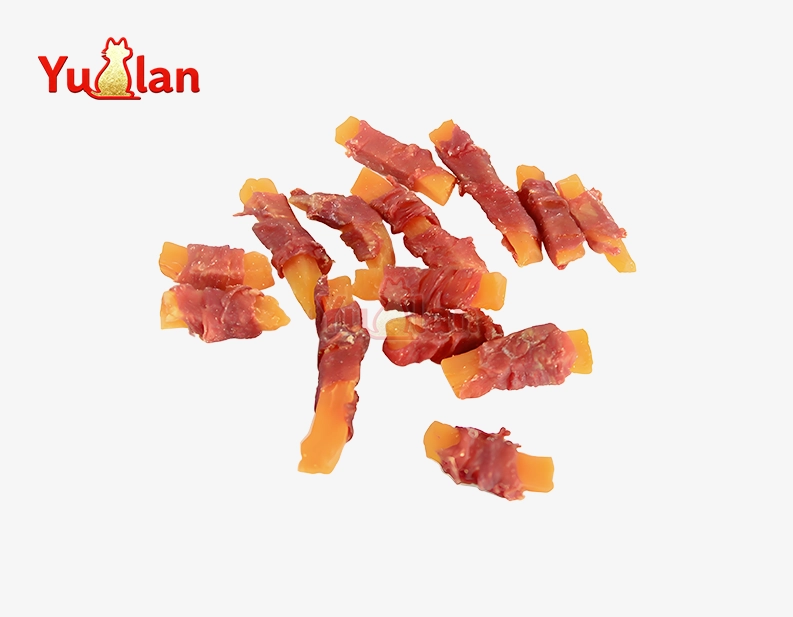
Cats with food sensitivities often react poorly to common proteins like chicken or beef. Duck offers a novel alternative. Its unique amino acid profile reduces allergic reactions. Many veterinarians recommend rotating protein sources. This helps prevent overexposure. Dried duck meat is ideal for such diets. It’s less commonly used in commercial foods. That makes it new to many feline digestive systems.

Duck as a Novel Protein Source for Sensitive Cats
A 2023 study published in the Journal of Feline Medicine and Surgery found that 68% of cats with skin allergies improved when switched to duck-based diets. The study tracked 142 cats across six veterinary clinics in Europe. Symptoms like itching and ear infections decreased significantly within eight weeks. No artificial additives were used in the tested products.
Pet owners report fewer vomiting episodes and shinier coats. These anecdotal results align with clinical findings. When processed correctly, dried duck retains its biological value. That means cats absorb more usable protein per gram. This is especially important for senior cats or those recovering from illness.
High-Quality Protein Without Excess Fat
Duck breast is naturally leaner than other waterfowl meats. When dehydrated at controlled temperatures, fat content drops further. A typical serving of dried duck meat contains only 3.2g of fat per 100g. Compare that to 8.7g in standard chicken jerky treats. Lower fat means safer snacking. Obesity affects nearly 60% of indoor cats in the U.S., according to the Association for Pet Obesity Prevention (2024).
Yet, protein levels remain high, around 78%. This supports muscle maintenance without adding calories. Active cats need sustained energy. Senior cats require protein to slow sarcopenia. Even kittens benefit during growth phases. The drying process preserves myofibrillar proteins. These are critical for tissue repair and enzyme production.
Suqian Ruixin Yunlan Technology uses low-temperature dehydration. This method avoids denaturing heat-sensitive nutrients. Unlike extrusion or baking, it keeps amino acids intact. Their R&D team monitors moisture levels precisely. Too dry causes brittleness. Too moist invites mold. Their patented control system maintains 12–14% humidity in final products.
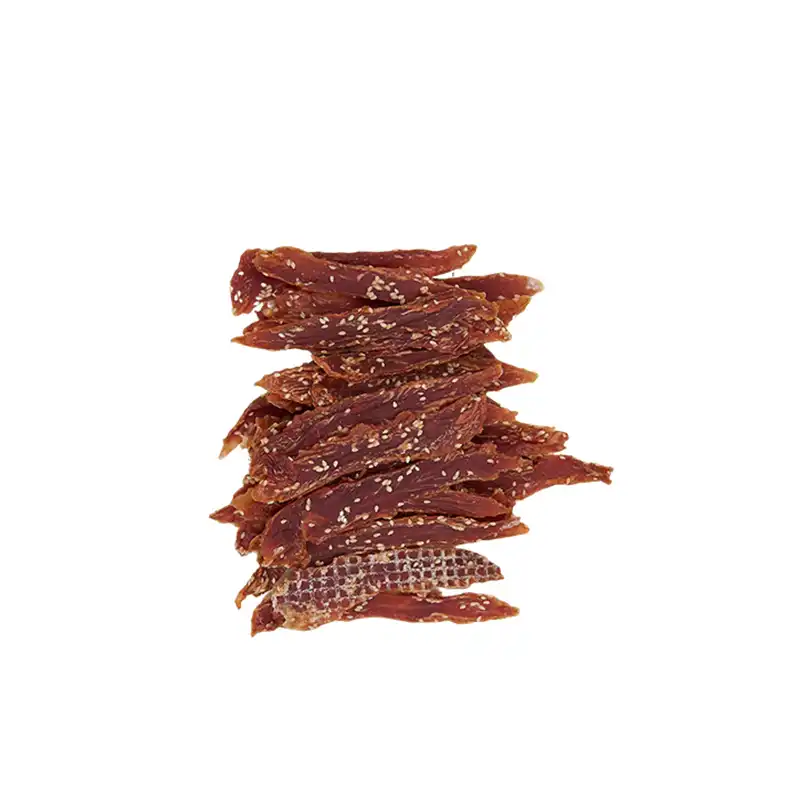
Rich in Essential Nutrients for Optimal Health
Beyond protein, duck meat delivers vital micronutrients. Iron levels are higher than in chicken or turkey. One hundred grams provide 27% of a cat’s daily iron needs. Iron supports oxygen transport in blood. Deficiency leads to lethargy and pale gums.
Zinc is another key nutrient. It aids immune function and wound healing. Dried duck contains 4.1mg of zinc per 100g. That’s above the NRC (National Research Council) recommendation for adult cats. Selenium, though needed in trace amounts, plays a role in thyroid regulation. Ducks naturally concentrate selenium from their diet.
Vitamin B5 (pantothenic acid) is abundant. It helps convert food into energy. B12 supports nerve health. These vitamins are water-soluble. They aren’t stored long-term. Regular intake through treats ensures a steady supply. No synthetic fortification is needed when using whole-muscle duck breast.
The Science Behind Safe Processing of Dried Duck Meat
How Dehydration Preserves Nutrition and Safety
Water removal inhibits microbial growth. Pathogens like Salmonella and E. coli need moisture to thrive. Reducing water activity below 0.75 stops their reproduction. Suqian Ruixin Yunlan applies multi-stage drying. First, raw duck breasts undergo enzymatic tenderizing. Then they enter climate-controlled chambers. Temperature stays between 55°C and 62°C for 8–10 hours.
This slow process prevents case hardening. Surface crusts trap moisture inside, leading to spoilage. Their technology rotates airflow dynamically. Sensors adjust humidity in real time. Final product water activity averages 0.63. Third-party lab tests confirm safety. Each batch is tested for pathogens and heavy metals.
Irradiation is not used. Consumers increasingly reject irradiated pet foods. Instead, Gaoying Irradiation Company partners with them for non-irradiation sterilization methods. High-pressure processing (HPP) is being evaluated for future lines.
Traceability from Farm to Final Product
Ruixin Yunlan sources duck from Yike Food and Charoen Pokphand Farms. Both dried duck meat suppliers follow strict animal welfare standards. Ducks are raised without antibiotics or growth promoters. Every shipment comes with a certificate of origin. GPS tracking logs transportation conditions.
Upon arrival, raw materials enter quarantine. Samples are tested for residues. Only after clearance does production begin. Full batch tracing allows instant recalls if needed. Blockchain integration is planned by Q3 2025. This will let B2B clients verify sourcing via QR codes.
Their facility in Suqian’s Suyu District is HACCP and ISO 22000 certified. Audits occur quarterly. Overseas regulators from Japan and Germany have approved their export protocols.
Why Global Pet Brands Choose Ruixin Yunlan for OEM Dried Duck Products?
Custom Formulation Based on Regional Preferences
Pet tastes vary globally. Japanese cats prefer softer textures. German consumers demand organic certification. American buyers favor grain-free labels. Ruixin Yunlan adapts formulations accordingly. Their R&D center runs sensory trials with live cats. Cameras record chewing patterns and licking frequency.
They’ve developed three texture profiles: crispy, chewy, and semi-moist. Flavor enhancers come from natural hydrolyzed liver extracts. No MSG or artificial palatants are used. For hypoallergenic lines, they remove all poultry by-products. Only breast muscle is used.
OEM clients can co-develop dried duck meat shapes, strips, cubes, or bite-sized pieces. Packaging options include resealable pouches and nitrogen-flushed bags. Private labeling services are available in 12 languages.
Scalable Production Meets International Demand
Their production line handles 15 tons daily. Automation ensures consistency. Human oversight remains at critical stages. Quality checks happen every 30 minutes. Defect rate is below 0.2%, well under industry average.
JD Logistics Park provides direct rail and express access. Orders reach Shanghai port in under 12 hours. Air freight options serve urgent deliveries. Current lead time for bulk orders is 14–21 days. Sample shipments take 3–5 business days.
They’ve supplied private labels to retailers in South Korea, France, and Canada. Distributors appreciate fast reorder cycles. Repeat order rate exceeds 89% among B2B clients.
Interested in high-quality dried duck meat products for your brand?
Send an inquiry to minghuixu6717@gmail.com today.
We offer OEM services, custom formulations, and global shipping.

FAQs
Q1: Is dried duck meat safe for cats with kidney disease?
A: Yes, but in moderation. Dried duck is high in protein, which may stress compromised kidneys. However, its high digestibility means less waste buildup. Always consult your vet before introducing new proteins. For renal patients, lower-protein alternatives might be better suited.
Q2: How should I store dried duck breast treats?
A: Keep them in a cool, dry place away from sunlight. Once opened, seal tightly or transfer to an airtight container. Proper storage extends shelf life up to 12 months. Do not refrigerate unless in humid climates—condensation can cause clumping.
Q3: Can kittens eat dried duck meat?
A: Yes. Kittens need more protein for development. Dried duck provides concentrated nutrition. Break treats into small pieces to avoid choking. Introduce gradually to monitor digestion. Start with one small piece per day.
Q4: Does dried duck meat contain bones or cartilage?
A: No. Only deboned breast meat is used. All connective tissues are removed during preprocessing. X-ray inspection confirms no bone fragments remain. This ensures safety for all age groups.
Q5: Are there any preservatives in your dried duck products?
A: No artificial preservatives are added. Natural rosemary extract is used in some formulations for antioxidant protection. Most products rely solely on low moisture content for preservation.
References
1. Journal of Feline Medicine and Surgery (2023). "Efficacy of Novel Protein Diets in Managing Feline Cutaneous Adverse Food Reactions."
2. Association for Pet Obesity Prevention (2024). U.S. Pet Obesity Survey Results.
3. National Research Council (NRC). Nutrient Requirements of Dogs and Cats (2006).
4. ISO 22000:2018 – Food Safety Management Systems.
5. HACCP Guidelines for Animal-Based Pet Food Processing (FDA, 2022).