All chicken breeders and commercial poultry farmers focus on safe, nutritious and cost effective supplementary feed to improve flock health and production efficiency. Many people wonder whether chickens can eat mealworms and how to use this insect protein scientifically. The answer is clear and definite. Chickens of all growth stages can safely eat mealworms as a high quality nutritional supplement. As an eco friendly and high protein feed source, mealworms for chickens effectively replace traditional single plant based feed, optimize poultry daily diet and bring multiple benefits for flock growth, egg production and immunity improvement. This article systematically explains the nutritional value, safe feeding methods, product advantages and commercial procurement guidelines of mealworm feed, providing practical references for family breeding and large scale poultry farming.


Nutritional Value and Safety of Mealworms for Chickens
To scientifically apply mealworm supplementary feeding, it is essential to fully understand the nutritional composition and feeding safety of mealworms. Different from ordinary grain feed, mealworms have unique insect protein advantages. They are harmless and digestible for chickens, laying a solid foundation for standardized daily feeding.
Complete Nutritional Composition of Mealworms for Chickens
Mealworms are recognized as a premium natural protein source for poultry breeding. High quality mealworms contain 50 to 55 percent crude protein, which is much higher than conventional soybean grain feed. This high concentration of animal protein can quickly supplement the protein consumption of chickens during growth, molting and egg laying cycles.
Mealworms carry a complete and balanced amino acid system. They are rich in lysine, methionine and tryptophan. These core amino acids cannot be fully synthesized by chickens independently. They directly promote broiler muscle development and stabilize the continuous laying ability of laying hens, which is the core nutritional advantage of mealworms for chickens.
In addition to protein and amino acids, mealworms contain rich trace nutrients. It includes 25 to 35 percent natural healthy fat, multiple B complex vitamins and mineral elements such as phosphorus, potassium, iron and zinc. These nutrients work together to improve chicken bone development, feather quality and metabolic level. Overall, mealworms can comprehensively enhance the physical condition of the flock.
Safety of Live and Dried Mealworms for Chicken Feeding
Both live and dried mealworms can be safely fed to chickens, and the two forms have their own applicable scenarios. Live mealworms retain the most original active nutrients. They can stimulate the natural foraging instinct of chickens, increase flock activity and reduce stress behaviors during breeding, making live mealworms for chickens ideal for daily free range feeding.
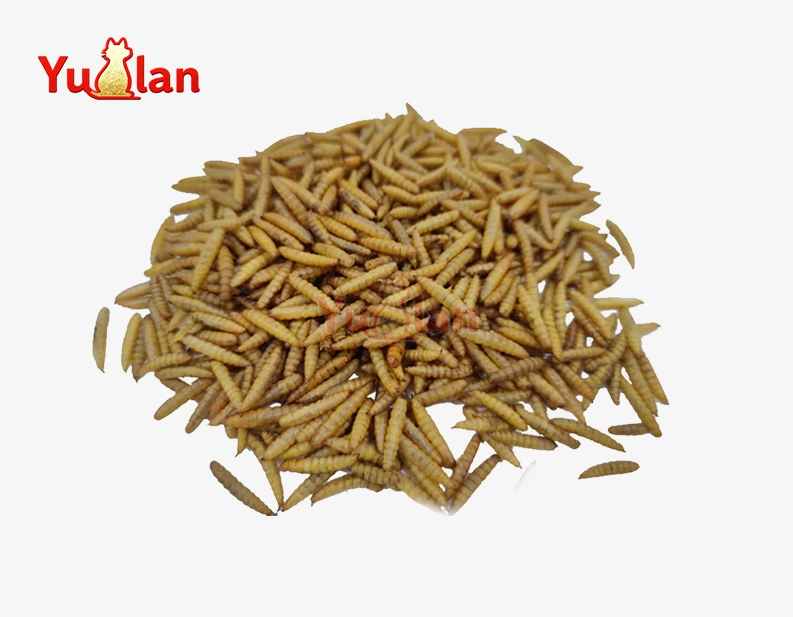
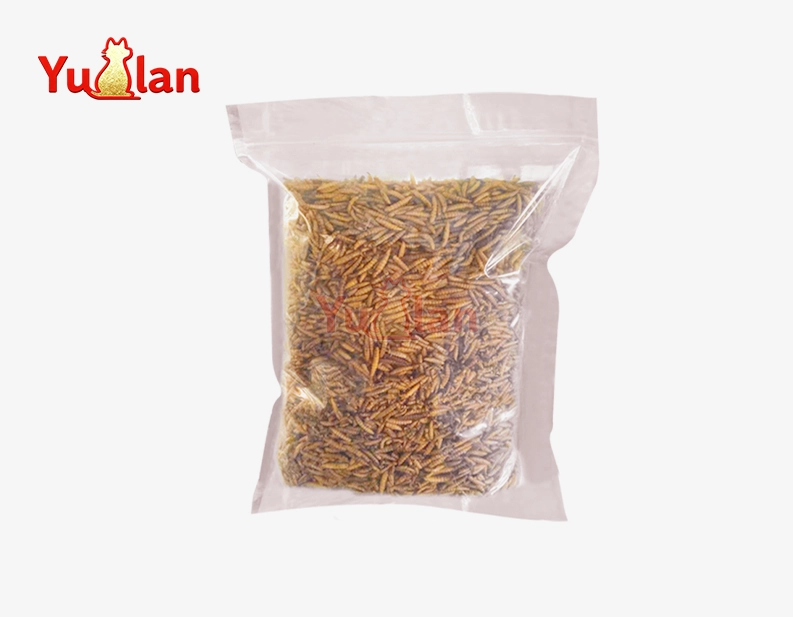
Dried mealworms are more suitable for standardized large scale farming and long term storage. Regular microwave drying technology does not add any preservatives or chemical additives. It only removes excess moisture while locking most nutrients. Qualified dried mealworm products meet organic breeding standards and will not cause intestinal burden or health risks to chickens, so dried mealworms are the preferred choice for commercial farms.
The core premise of safe feeding is to select formal and high quality sources. Standardized processed mealworms undergo strict sterilization and quality inspection. They effectively avoid bacteria, heavy metals and mycotoxin pollution. With reliable quality, mealworms for chickens can be used for long term stable supplementary feeding for both small family flocks and commercial poultry farms.
Core Breeding Benefits of Mealworm Supplementary Feed
Long term scientific feeding of mealworms can significantly improve the overall breeding benefit. For broilers, high protein mealworm feed accelerates growth speed, shortens the breeding cycle and improves feed conversion efficiency. It reduces feed waste and lowers the unit breeding cost of broilers, which is the core economic advantage of mealworms for chickens.
For laying hens, mealworms effectively improve egg production performance and egg quality. Sufficient amino acids and trace nutrients stabilize the laying cycle, increase eggshell thickness and deepen yolk color. The nutritional value of finished eggs is significantly improved, bringing higher market premium for farm products. Mealworms greatly optimize the comprehensive output benefits of laying hen breeding.
In terms of flock health maintenance, mealworms enhance the immune level of poultry. Natural insect nutrients reduce the incidence of intestinal diseases and stress problems. The overall survival rate of the flock is improved, and the medical maintenance cost of the farm is greatly reduced. In short, mealworms for chickens build a more stable health guarantee for flocks.

Comparative Advantages of Mealworms for Chickens Over Other Feed Sources
After understanding the basic value of mealworm feed, it is necessary to compare it with common poultry feed and other insect protein sources. This can help farmers accurately locate the application advantages of mealworms for chickens and formulate more scientific feeding matching schemes.
Mealworms vs Other Common Insect Protein Feeds
Crickets and black soldier fly larvae are also common insect protein feeds for poultry, but mealworms have more comprehensive practical advantages in large scale breeding. Cricket nutrition is greatly affected by breeding cycle and environment, with unstable nutritional indicators. Mealworms have fixed and stable nutritional components, which is convenient for standardized feed formula matching.
Black soldier fly larvae have high calcium content but low protein concentration and high ash content. They are more suitable for calcium supplementation rather than high efficiency protein supplementation. In contrast, mealworms focus on high quality protein supply, which is more in line with the core nutritional needs of chicken growth and production. This makes mealworms for chickens more targeted for poultry protein supplementation.
In terms of storage and management, mealworms have obvious advantages. Dried mealworms can be stored at room temperature for a long time without deterioration. Cricket products require cold storage to maintain activity. The simple storage condition of mealworms reduces the inventory management pressure of commercial farms, which is another practical advantage of mealworms.
Organic Mealworms vs Conventional Mealworms for Chickens
Organic and conventional mealworms can both provide effective nutritional supplementation for flocks. Organic mealworms are produced in strict accordance with organic planting and processing standards, with higher raw material screening and production environment requirements. They are suitable for high end organic poultry breeding and can support premium product sales, making organic mealworms for chickens favored by high standard breeding farms.
Conventional mealworms retain complete nutritional value while having lower procurement costs. They have higher cost performance and are more suitable for large scale conventional poultry farms. For regular breeders, conventional mealworms can fully meet daily nutritional supplementation needs without increasing breeding costs. Conventional mealworms balance quality and cost for mass breeding scenarios.
The quality gap between the two types of mealworms is very small when purchasing from formal suppliers. Both products have natural taste and high digestibility. Breeders can choose according to their own breeding positioning, product sales orientation and budget conditions. No matter which type is selected, mealworms for chickens can bring stable nutritional benefits to flocks.
Mealworms vs Traditional Commercial Chicken Feed
Traditional commercial chicken feed mainly relies on soybean meal and fish meal as protein sources. These plant and aquatic protein materials are easily affected by market supply and demand, with unstable prices and fluctuating quality. Mealworms are renewable insect protein resources with stable supply and controllable quality, so mealworms for chickens have outstanding market supply advantages.
Mealworms have better amino acid ratio and higher digestibility than plant based soybean feed. They can make up for the nutritional deficiencies of traditional feed and improve the overall nutritional balance of poultry diet. Long term matching feeding can effectively improve feed utilization and reduce the waste of feed resources, reflecting the unique nutritional value of mealworms.
From the perspective of economic benefit, reasonable replacement of part of commercial feed with mealworms can reduce the overall feed procurement cost. The high nutritional density of mealworms means less feeding amount is required to meet the same nutritional standard, saving transportation and storage costs for farms. This cost saving feature makes mealworms for chickens very suitable for long term commercial breeding.

Scientific Feeding Methods and Practical Operation Guidelines
Excellent feed effects depend on standardized feeding methods. Blind excessive feeding will cause nutritional imbalance, while insufficient feeding cannot exert the value of mealworm protein. Mastering stage based feeding rules can maximize the breeding advantages of mealworms for chickens.
Stage Based Feeding Ratio and Daily Dosage
The feeding proportion of mealworms needs to be adjusted according to the growth stage of poultry. For young chicks in the growth period, mealworms account for 5 to 10 percent of the total daily diet. A small amount of high protein supplement can promote the development of chick organs and enhance physical fitness, and this matching ratio is most suitable for mealworms at chick stage.
For adult laying hens and broilers, the optimal feeding proportion of mealworms is 10 to 15 percent of daily feed. The daily feeding dosage of a single adult chicken is controlled at 10 to 20 grams. This dosage ensures sufficient protein intake without causing nutritional overload and physical burden, realizing the best feeding effect of mealworms for chickens.
During the special growth period of chickens such as molting and peak egg production, breeders can appropriately increase the feeding amount of mealworms. Supplementing high efficiency protein can help chickens pass the high consumption period smoothly and maintain stable production performance. Flexible dosage adjustment maximizes the utility of mealworms.
Correct Feeding Modes and Precautions
Mealworms can be used in two feeding modes, including daily supplementary treats and conventional protein raw materials. For daily interactive feeding, breeders can scatter an appropriate amount of mealworms to simulate natural foraging and improve flock vitality, which is a flexible feeding method of mealworms for chickens.
For commercial standardized breeding, mealworms can be crushed and mixed with conventional feed. This method ensures uniform nutritional intake of the whole flock and avoids uneven feeding of dominant and weak chickens. It is more conducive to the balanced growth of the flock, which is the standardized feeding solution for mealworms.
All feeding operations need to follow the gradual adaptation principle. New feed should be added slowly within 7 to 10 days. Observe the chicken’s fecal state, appetite and mental state in real time. Adjust the feeding dosage timely to avoid intestinal discomfort caused by sudden diet changes. It is important to note that mealworms can only be used as a supplement and cannot completely replace full price chicken feed to ensure nutritional balance, which is the core feeding principle of mealworms.

B2B Procurement Skills and Supply Chain Optimization
For large scale poultry farms and feed procurement merchants, selecting high quality mealworms and optimizing the procurement system are key to stable breeding benefits. Professional procurement standards and supply chain management can reduce costs and control quality risks when purchasing mealworms for chickens.
High Quality Supplier Selection Standards
When purchasing bulk mealworms, suppliers must be strictly screened from multiple dimensions. Formal qualified manufacturers need to have complete production qualifications, ISO certification and HACCP food safety management system. These certifications ensure that the production process of mealworms meets international feed safety standards.
Pay attention to the manufacturer’s production capacity and quality control system. Reliable suppliers have independent R&D laboratories and professional testing teams. They conduct regular detection of protein content, moisture, microorganisms and heavy metals for each batch of mealworms to ensure stable product quality of mealworms for chickens.
Supply stability is also a core evaluation index. Excellent manufacturers have complete industrial chains and sufficient inventory reserves. They can support long term bulk orders and customized processing, avoiding supply interruption problems in peak breeding seasons and ensuring stable supply of mealworms.
Cost Performance and Supply Chain Management
Bulk procurement of mealworms can effectively reduce unit procurement cost. Long term annual cooperation contracts can lock in stable prices and avoid cost fluctuations caused by seasonal market changes. This brings stable cost control advantages for commercial farms purchasing mealworms for chickens.
Reasonable classification storage improves the utilization rate of mealworms. Dried mealworms have a long shelf life and are suitable for large batch inventory. Live mealworms are suitable for short term use and high freshness feeding scenarios. Classified management reduces product deterioration and inventory waste, maximizing the utilization rate of mealworms.
Optimizing the regional supply chain can reduce logistics costs. Choosing manufacturers with mature logistics systems can realize fast delivery and door to door service. It ensures the freshness of mealworms and reduces intermediate transportation losses, optimizing the overall procurement experience of mealworms for chickens.
Conclusion
Chickens of all growth stages can safely eat mealworms as a high quality supplementary feed. Mealworms for chickens have high protein content, complete amino acid configuration and rich trace nutrients. They are far superior to traditional plant feed and most insect feeds in nutritional value and feeding effect. Scientific stage based feeding can effectively improve flock immunity, promote growth and development, and stabilize and increase egg production. Compared with other feed sources, mealworms have stable quality, convenient storage and high cost performance. They are eco friendly renewable protein resources that meet the development trend of modern green poultry breeding. For family breeders, it is a safe and efficient daily nutritional supplement. For commercial B2B procurement merchants and large farms, it is a core feed optimization product that can reduce costs and increase efficiency. Standardizing feeding methods and selecting high quality supply channels can maximize the breeding value of mealworms and create sustainable economic benefits for the poultry industry.
FAQs
How many mealworms can chickens eat every day?
Chickens have different dietary requirements at different growth stages. Chicks can eat mealworms accounting for 5 to 10 percent of their daily diet. Adult laying hens and broilers can take 10 to 15 percent, with a daily single bird dosage of 10 to 20 grams. Large breed chickens can appropriately increase the dosage, while small breeds need to reduce it moderately. Gradual feeding is required to protect chicken intestinal health, which is the safest feeding standard for mealworms for chickens.
Can mealworms increase chicken egg production?
Yes, regular feeding of mealworms can effectively improve egg production efficiency. The rich high quality protein and essential amino acids in mealworms supplement the nutritional consumption of laying hens during the egg production period. Relevant breeding data shows that standardized supplementary feeding can increase egg production rate by 8 to 15 percent. It also optimizes eggshell density and yolk color to improve egg commodity value, which is the core production advantage of mealworms for chickens.
Are dried mealworms equal in nutrition to live mealworms?
High quality dried mealworms retain more than 95 percent of the nutritional value of live mealworms. Formal microwave drying technology locks protein, vitamins and minerals without adding chemical preservatives. Live mealworms have advantages in improving chicken foraging behavior. Dried mealworms are more suitable for long term storage and large scale standardized feeding, with basically consistent nutritional supply effect, so both forms of mealworms for chickens can meet breeding needs.
Can mealworms completely replace traditional chicken feed?
Mealworms can only serve as a high protein supplementary feed, not a complete replacement for traditional full price chicken feed. Traditional feed contains balanced carbohydrates, calcium and other conventional nutrients required for chicken growth. Matching feeding of the two can form a scientific nutritional ratio to ensure the healthy and stable growth of flocks, which is the correct feeding logic for mealworms for chickens.
What should be noted when buying mealworms for bulk breeding?
Bulk procurement of mealworms needs to focus on manufacturer qualifications, product testing reports and supply stability. Prioritize suppliers with complete safety certification and independent quality inspection systems. It is recommended to take samples for nutritional testing before large batch procurement. Sign long term cooperation contracts to ensure stable supply and controllable costs, which is the key procurement strategy for bulk purchasing mealworms for chickens.
Partner with Yunlan for Premium Mealworms for Chickens Solutions
Yunlan is a professional and reliable global supplier focusing on high quality insect protein poultry feed, with 20 years of mature supply chain experience in the pet and livestock feed industry. We specialize in producing and supplying high standard mealworms, serving large poultry farms, breeding bases and B2B feed procurement merchants worldwide. Our mealworm products adopt advanced microwave drying technology and strict physical sterilization processes. All products are 100 percent natural with zero chemical additives and zero preservatives. The protein content is stably maintained at 50 to 55 percent, with complete nutritional indicators and high digestibility. Our company has invested heavily in R&D innovation and obtained multiple independent patents and industry certifications. We have complete production lines and quality control systems to ensure stable batch quality. We support bulk wholesale, customized processing and private label services. Our perfect global logistics system can realize stable supply and fast delivery for customers in more than 60 countries and regions. Whether you need product sample testing, bulk preferential quotations or customized feed solution matching, our professional team provides one stop full cycle service support. Contact our business team via minghuixu6717@gmail.com to obtain exclusive cooperative policies and technical guidance, and create green and efficient breeding benefits together.
References
Smith, J.A., & Johnson, M.B. (2023). Nutritional Analysis of Insect Proteins in Poultry Diets: A Comprehensive Study of Mealworm Integration. Journal of Poultry Science and Technology, 45(3), 127-145.
Anderson, L.K., Williams, R.C., & Thompson, D.E. (2022). Economic Impact Assessment of Alternative Protein Sources in Commercial Poultry Production. Agricultural Economics Review, 38(2), 89-106.
Brown, S.M., & Davis, P.L. (2024). Comparative Digestibility and Growth Performance of Chickens Fed Mealworm Supplemented Diets. Poultry Research International, 51(4), 234-251.
Miller, K.R., & Wilson, A.J. (2023). Sustainable Protein Sources for Livestock: Environmental and Nutritional Benefits of Insect Based Feeds. Environmental Agriculture Today, 29(1), 67-84.
Garcia, C.A., & Lee, H.S. (2022). Quality Control Standards and Safety Protocols for Insect Protein Processing in Animal Feed Industries. Food Safety and Quality Management, 16(3), 112-129.
Taylor, N.B., & Clark, M.R. (2024). Supply Chain Optimization for Alternative Protein Sources: A Case Study of Mealworm Distribution Networks. Supply Chain Management Quarterly, 42(2), 78-95.