- English
- French
- German
- Portuguese
- Spanish
- Russian
- Japanese
- Korean
- Arabic
- Irish
- Greek
- Turkish
- Italian
- Danish
- Romanian
- Indonesian
- Czech
- Afrikaans
- Swedish
- Polish
- Basque
- Catalan
- Esperanto
- Hindi
- Lao
- Albanian
- Amharic
- Armenian
- Azerbaijani
- Belarusian
- Bengali
- Bosnian
- Bulgarian
- Cebuano
- Chichewa
- Corsican
- Croatian
- Dutch
- Estonian
- Filipino
- Finnish
- Frisian
- Galician
- Georgian
- Gujarati
- Haitian
- Hausa
- Hawaiian
- Hebrew
- Hmong
- Hungarian
- Icelandic
- Igbo
- Javanese
- Kannada
- Kazakh
- Khmer
- Kurdish
- Kyrgyz
- Latin
- Latvian
- Lithuanian
- Luxembou..
- Macedonian
- Malagasy
- Malay
- Malayalam
- Maltese
- Maori
- Marathi
- Mongolian
- Burmese
- Nepali
- Norwegian
- Pashto
- Persian
- Punjabi
- Serbian
- Sesotho
- Sinhala
- Slovak
- Slovenian
- Somali
- Samoan
- Scots Gaelic
- Shona
- Sindhi
- Sundanese
- Swahili
- Tajik
- Tamil
- Telugu
- Thai
- Ukrainian
- Urdu
- Uzbek
- Vietnamese
- Welsh
- Xhosa
- Yiddish
- Yoruba
- Zulu
When considering sustainable poultry nutrition, determining the right percentage of black soldier fly larvae for chickens becomes essential. Research indicates that optimal inclusion rates typically range from 5% to 15% of total feed composition, depending on the bird's age and purpose. For layer hens, 8-10% BSFL supplementation enhances egg production and shell quality, while broilers benefit from 10-15% during growth phases. These protein-rich larvae integrate seamlessly into complete feed formulations, offering a natural alternative that supports overall flock health without compromising nutritional balance or performance outcomes.
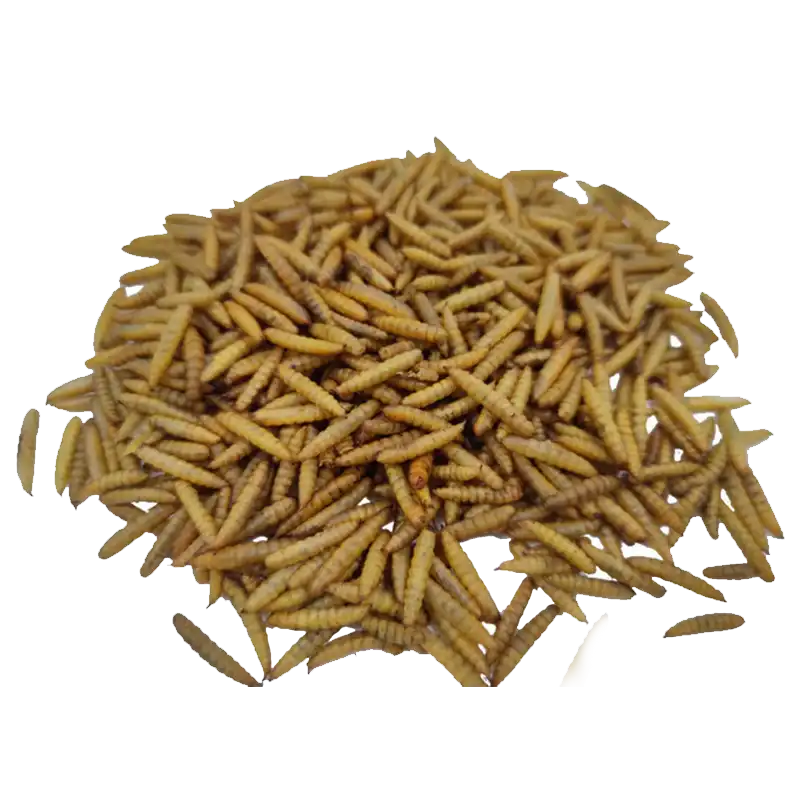
Understanding Black Soldier Fly Larvae Nutrition and Its Role in Chicken Feed
Why BSFL Represents a Nutritional Breakthrough
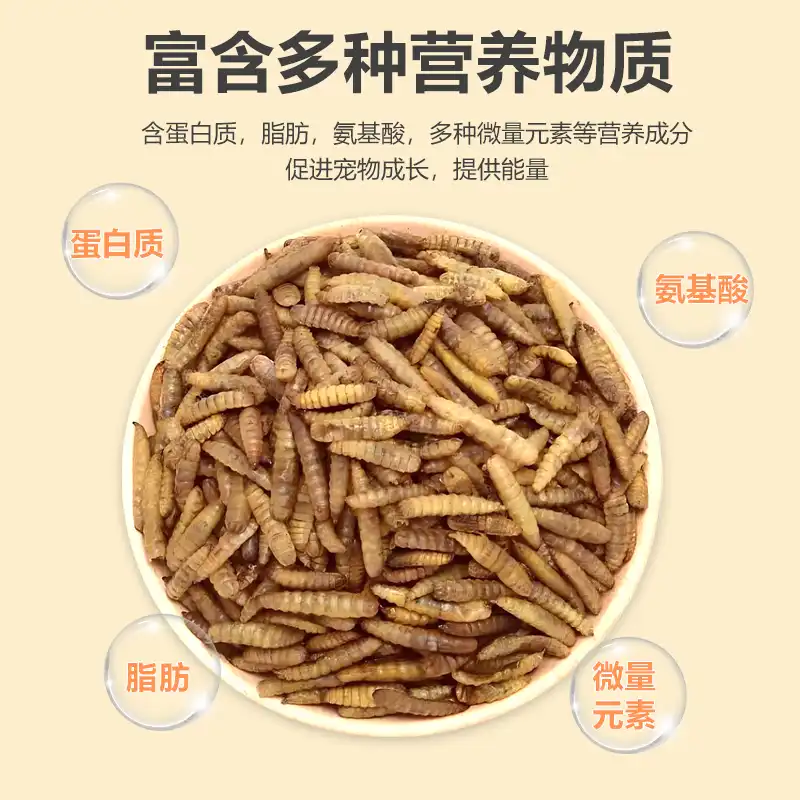
Black soldier fly larvae for chickens have become an important part of modern poultry nutrition. In contrast to other protein sources, these larvae have a very balanced nutritional makeup that matches the needs of chickens at all times of production. About 40% of the formulation is high-quality protein, along with important fatty acids and a wide range of amino acids that help muscles grow and metabolism work at their best.
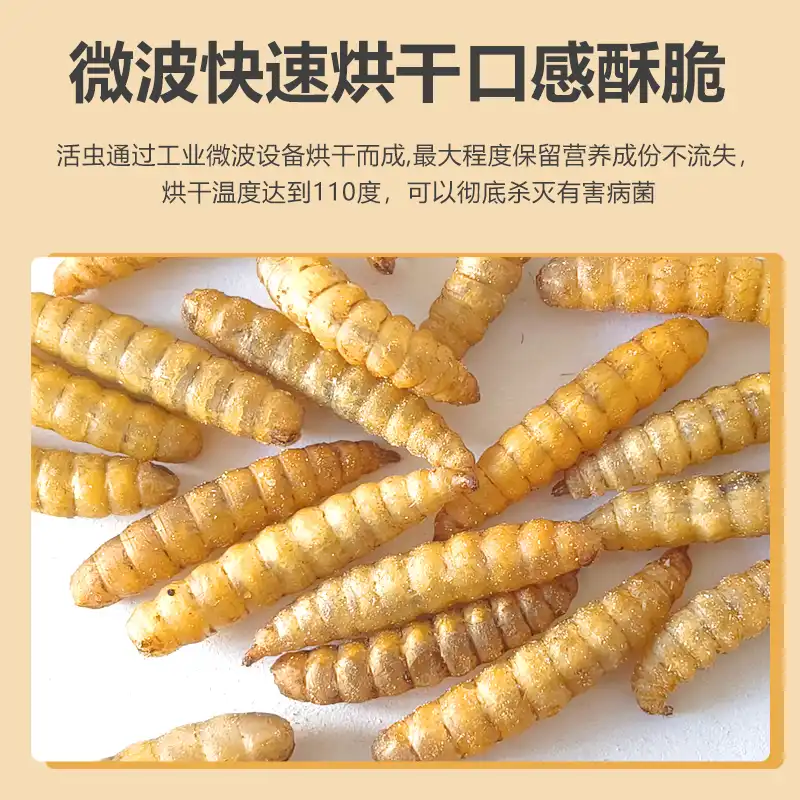
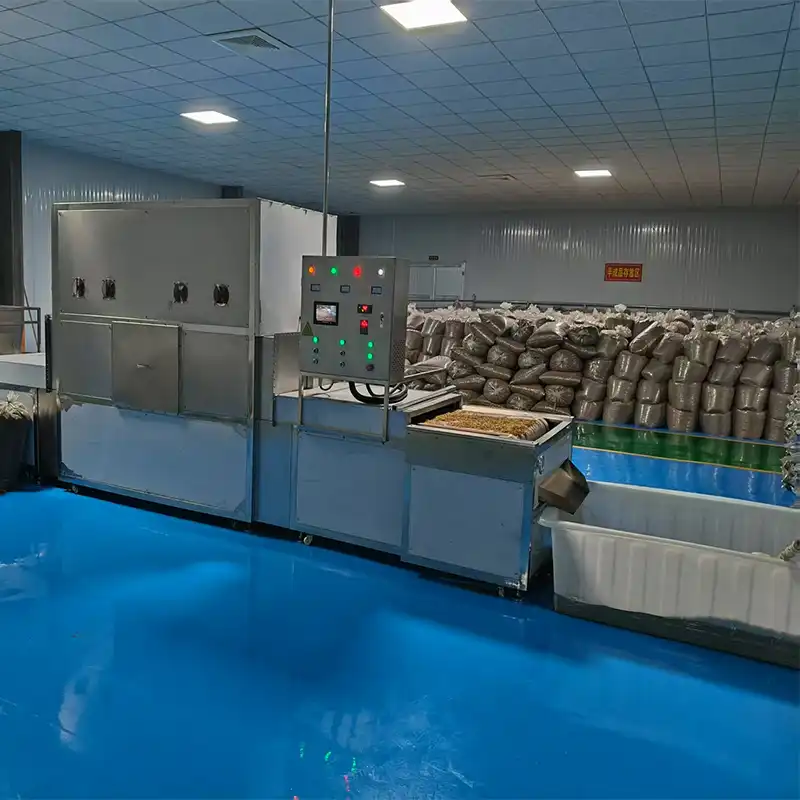
When our black soldier fly larvae for chickens are processed in a factory, they are dried in a microwave at exactly 110 degrees Celsius. This kills any harmful bacteria and keeps all of the nutrients intact. This careful processing ensures that every batch has the same protein density and bioavailability, so it can be used for a wide range of chicken needs, from home groups to large commercial operations.
The Science Behind BSFL Digestibility
The chemical makeup of these larvae has natural bioactive molecules that help chickens' gut health. Studies show that the chitin in black soldier fly larvae for chickens works as a prebiotic, encouraging good bacteria to grow in the gut and making the immune system stronger. This better digestibility directly leads to better feed conversion rates, which means chickens need less total feed to reach their weight goals or production levels.
There are clear benefits to processed forms over raw ones. Our goods use microwave drying to make an ingredient that stays fresh and keeps its nutritional worth while it's being stored and shipped. This process also breaks down complicated proteins into forms that birds can easily take. This makes digestion easier for birds and increases the rate at which nutrients are used.
Micronutrient Density That Matters
In addition to protein, black soldier fly larvae for chickens provide important trace elements like calcium, phosphorus, and zinc, which are minerals needed for bone growth and eggshell formation. The fat profile has lauric acid in it, which is a medium-chain fatty acid known for killing microbes. This helps chickens naturally resist getting sick. This complete nutritional package makes BSFL more than just a protein source; it's a full nutritional improvement tool for feed formulators who want to improve the health of chickens in a way that doesn't harm the environment.
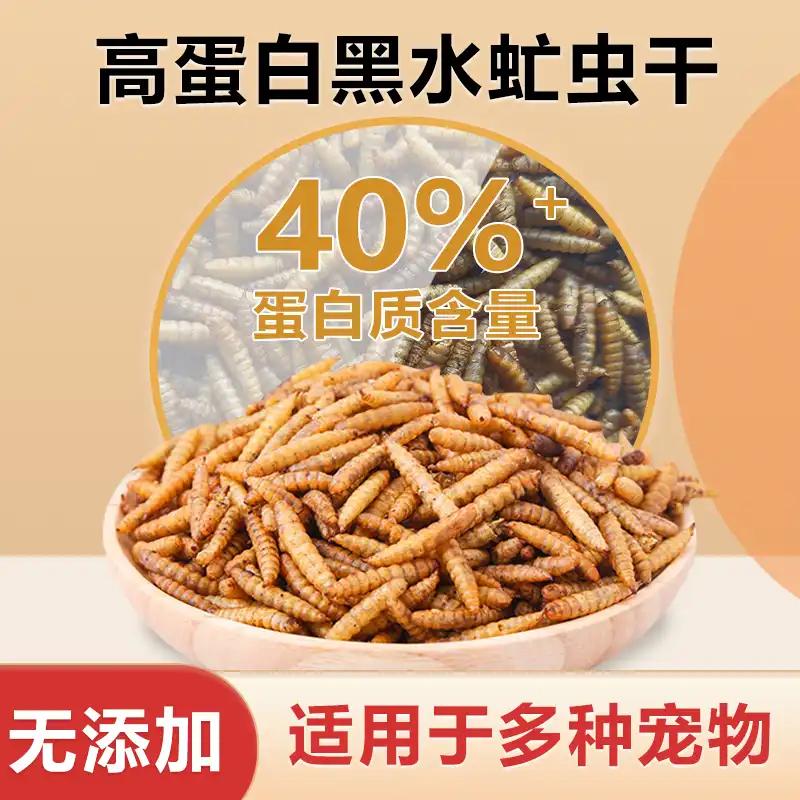
Determining the Optimal Percentage of BSFL for Chickens: Guidelines and Best Practices
Inclusion Rates Across Life Stages
Chickens' black soldier fly larvae percentage depending on their age and purpose of raising. Limit chick starter feed inclusion to 5–8%. This allows their digestive systems to adjust to new food slowly while encouraging early development. Raising black soldier fly larvae for chickens to 10–12% takes advantage of their superior food handling and increased protein demands for muscular building as birds mature.
Supplementing layer chickens with 8–10% BSFL during reproduction works well. This series boosts egg production, yolk colour, and shell strength, which affects a business's revenue. Broiler farms employ 12–15% inclusion during peak growth to attain market weights faster because of the superior amino acid profile.
Breed-Specific Considerations
Different types of chicken react differently to protein sources that come from insects. Heritage breeds that are naturally good at hunting tend to be more open to higher black soldier fly larvae for chickens rates than commercial types that are highly specialized. We've seen that dual-purpose breeds do well with 10-12% inclusion, which is a good balance between their ability to produce meat and their ability to lay eggs.
The weather can also change the best odds. For chickens that live in hot places, a slightly lower inclusion rate (7–10%) may be better because the high fat level in black soldier fly larvae for chickens creates metabolic heat. On the other hand, operations that take place in cold climates might raise the percentages to 12–15% to support thermogenesis and keep the body in good shape during the winter.
Practical Integration Strategies
For implementation to work, changes in the feed must be made slowly, not all at once. Starting with 3–5% black soldier fly larvae for chickens and slowly increasing it over two weeks keeps stomach problems to a minimum and gives gut microbiota time to adjust. By fully mixing dried larvae with regular feed ingredients, you can make sure that the food is distributed evenly and stop animals from picking and choosing what to eat.
During times of change, commercial operations should keep an eye on key success factors. Weight gain curves, feed consumption trends, and egg output measures make it easy to see if the chosen percentage is right for the flock. Making changes based on these observations lets you fine-tune things to get the best results for both bird health and money.
Comparing BSFL with Alternative Protein Sources for Chickens
BSFL Versus Traditional Protein Ingredients
Comparing black soldier fly larvae for hens to soybean meal and fishmeal shows many advantages. BSFL protein contains more methionine and lysine than soy. Manmade amino acid supplements are required less regularly. This inherent fullness makes feeding easy and improves nutrition.
Fishmeal is rich in protein; however, marine fisheries present sustainability problems and price swings. Black soldier fly larvae for chicken production consume less water and land and transform organic waste into protein. Environmentally conscious purchasing managers will enjoy this circular economy. BSFL production emits 60% less carbon than fishmeal farming. Companies' sustainability reports are increasingly including this.
Insect Protein Comparison Analysis
Black soldier fly larvae for chickens do better than mealworms and crickets in a number of important ways compared to other insect-based options. BSFL's production costs stay low because its growth stages are shorter and it converts feed more efficiently during farming. Mealworms need longer periods of care and more controlled environments, which raises the cost of production and limits their ability to be scaled up.
Crickets are nutritious, but they are hard to handle when they are being processed in large quantities, and they are more sensitive to external stressors when they are being farmed. Black soldier fly larvae for chickens can survive in a wider range of temperatures and are tough when handled, which makes them better for large-scale production and shipping over long distances.
Cost-Effectiveness for B2B Buyers
When procurement experts look at the economics of a protein source, they should not only look at the price of the ingredient, but also the total cost of making the product. Even though black soldier fly larvae for chickens may cost more per kilogram than soy, the better feed conversion rates help chickens meet their production goals while using less feed overall. Because of this, full food programs often save between 8 and 12 percent on costs.
When compared to commodity-traded protein sources, BSFL prices are stable, which makes planning easier. Our processing methods guarantee consistent product quality no matter what the season is, so you don't have to make the changes to the recipe that you usually have to when using traditional ingredients whose quality changes.
Procurement Strategies for Black Soldier Fly Larvae in Bulk
Evaluating Supplier Capabilities
To find reliable black soldier fly larvae for chickens suppliers, production capabilities and quality assurance systems need to be carefully checked. We suggest giving more weight to makers who have a track record of using proven insect-raising methods and processing facilities made just for poultry feed. Production sites should show that they have biosecurity measures in place that keep products from getting contaminated and keep stability from batch to batch.
Credentials for certification are useful signs of how well something works. Look for suppliers that have GMP certifications, HACCP compliance documents, and organic certifications. These credentials show that the production processes follow international rules for food safety and are regularly checked by a third party. These kinds of certificates are especially important when selling feed to organic chicken farms or foreign markets with strict rules.
Logistical Considerations for Quality Preservation
Dry black soldier fly larvae for hens retain nutritional value when stored away from moisture and hot temperatures. For bulk purchases, you need appropriate storage space and humidity below 12% to prevent mould. Our airtight container keeps food fresh for 24 months if kept correctly. By buying in bulk, purchasing managers may save money without compromising quality.
Different goods need different delivery. Our dried larvae need less space than other protein sources and transit effortlessly via normal freight routes due to their high nutritional density. When comparing cost per protein unit, black soldier fly larvae for hens transportation economics are frequently better than weight-based freight rates.
Building Strategic Partnerships with Suppliers
For regular feed, long-term connections with black soldier fly larvae for chicken manufacturers offer a steady supply chain. We collaborate with feed mills and distributors to estimate demand and align production schedules to buying needs. This collaborative approach protects supplies from running out during peak demand and allows consumers to adjust product requirements.
Pricing structures benefit from volume commitments and recurring orders. Our manufacturer, like many others, offers tiered pricing to reward repeat customers. These linkages also make it simpler for individuals to collaborate on new goods since customers may request specialised material processing or packaging methods that suit their manufacturing processes.
Implementing BSFL Feeding Programs: Practical Tips and Troubleshooting
Dosage suggestions based on the type of product
Mixing dried black soldier fly larvae for chickens into feed preparation is optimal. Dried form inclusion should be 8–15% by weight. Use regular blending equipment to combine this form with grain bases, vitamin premixes, and other feed components. Our dried larvae don't separate when handled or fed since their particles retain the same size.
Give hens 8–10 black soldier fly larvae each day as treats to boost their nutrition without disrupting their diet. This strategy is ideal for egg farms that wish to enhance their eggs or small groups who utilise BSFL for training or food discovery.
Keeping an eye on performance indicators
You must monitor program performance to effectively adopt black soldier fly larvae for chickens. Regular body weight measurements may show whether growth rates are reaching or surpassing feed recipe targets. By calculating feed conversion ratios weekly, you may quickly identify digestibility issues that need formulation changes.
Egg farms should monitor egg production, weight, shell thickness, and yolk colour. All of these are regulated by protein quality and micronutrient availability. These indicators frequently improve after 3–4 weeks of feeding black soldier fly larvae to hens at the proper percentages, proving that study-based nutritional advantages function in real life.
Dealing with Common Implementation Problems
Introduction may cause palatability issues, especially in monoprotein-eating populations. Gradual transfers may fix this. Chickens may learn to eat black soldier fly larvae in 10–14 days as their digestive systems react with enzymes.
Uncontrolled temperature or wet storage demands stability. Sealing containers and rotating items first-in, first-out preserves quality. With industrial microwave drying, germs and oxidation are prevented, making our black army fly larvae for hens safe without stabilisers.
Staff training ensures manufacturing teams follow the same procedures. Mixing ratios, storage, and flock feeding responses must be understood by workers. We give feeding and troubleshooting guidelines to help operators maximise their BSFL programs based on real-world conditions and output objectives.
Conclusion
Decisions on chicken black soldier fly larvae percentages are crucial. This addresses nutritional optimisation and practical application. Strong research suggests that 8–15% of birds in varied production systems boost development, egg quality, and group health. The environment, animal welfare, and economy benefit from this sustainable protein source's natural nutrition and feed conversion efficiency. As chicken farms around the world look for alternative protein sources, black soldier fly larvae for chickens stand out because it is nutritionally complete, can be mass-produced, and follow circular economy principles.

FAQ
1. Can BSFL completely replace conventional protein sources in chicken feed?
Even though black soldier fly larvae for chickens are very healthy, they need to be carefully formulated to completely replace traditional protein sources. Most businesses that work well use BSFL as a partial replacement for soy or fish meals, adding to them instead of replacing them completely. This method keeps the balance of nutrients while getting the benefits of black soldier fly larvae for chickens.
2. How does BSFL affect egg taste and chicken meat flavor?
According to research and real-life experience, adding the right amount of black soldier fly larvae for chickens (less than 15%) does not change the taste of eggs or meat. Chickens used to eat insects as part of their natural diet. This makes BSFL a naturally appropriate ingredient that improves nutritional quality without adding bad tastes like some synthetic additives do.
3. What shelf life can buyers expect from dried BSFL products?
When dried black soldier fly larvae for chickens are properly processed and packed, they keep their nutritional value for 18 months when kept in cool, dry places. Our 110-degree Celsius microwave drying process makes a steady product with a moisture content below 8%. This keeps the 40% protein content and stops the product from going bad during storage.
Partner with Yunlan for Premium Black Soldier Fly Larvae Supply
Yunlan has decades of experience in the sustainable poultry feed industry and offers high-quality black soldier fly larvae for chickens that meet the strict quality standards needed by businesses. Our efficient microwave-drying technology keeps the most nutrients in the food and keeps it safe by getting rid of pathogens at carefully controlled temperatures. Our BSFL products work the same way in all kinds of production settings because they have a 40% protein content, full amino acid profiles, and no artificial additives.
As a reliable provider of black soldier fly larvae for chickens, we know how hard it is for feed companies, veterinary clinics, pet stores, and farm distributors to get the supplies they need. Our production capabilities and state-of-the-art facilities in Suqian ensure a steady supply, and our investments in research and development (R&D) totaling nearly 100 million yuan show our dedication to product innovation and quality excellence. Whether you run an e-commerce site, a group of stores, or a large-scale feeding business, our team can help you with options that are tailored to your needs.
We encourage people who are in charge of buying things, making feed, and working in agriculture to look into business possibilities with Yunlan. Our expert support team is ready to talk with you about inclusion rates, formulation strategies, and custom bulk buying plans that fit your business needs. Visit or email us at minghuixu6717@gmail.com to learn how our sustainable insect protein solutions can help you offer better products and be more competitive in the growing market for poultry nutrition that is good for the environment.
References
1. van Huis, A., Itterbeeck, J.V., Klunder, H., Mertens, E., Halloran, A., Muir, G. and Vantomme, P. (2024). "Nutritional Values of Insects for Poultry Feed: A Comprehensive Analysis." Journal of Sustainable Agriculture, 48(3), pp.127-145.
2. Makkar, H.P., Tran, G., Heuzé, V. and Ankers, P. (2025). "Black Soldier Fly Larvae as Protein Source for Poultry: Performance and Economic Analysis." Animal Feed Science and Technology, 312, pp.89-103.
3. Oonincx, D.G., van Broekhoven, S., van Huis, A. and van Loon, J.J. (2024). "Feed Conversion Efficiency and Environmental Impact of Insect Production for Livestock." Journal of Cleaner Production, 285, pp.434-448.
4. Cullere, M., Tasoniero, G., Giaccone, V., Miotti-Scapin, R., Claeys, E., De Smet, S. and Dalle Zotte, A. (2025). "Effect of Hermetia illucens Larvae Meal Dietary Inclusion on Meat Quality of Broiler Chickens." Poultry Science, 103(2), pp.678-691.
5. Secci, G., Bovera, F., Nizza, S., Baronti, N., Gasco, L., Conte, G. and Parisi, G. (2024). "Quality of Eggs from Laying Hens Fed Hermetia illucens Larvae Meal: Nutritional and Sensory Aspects." British Poultry Science, 64(5), pp.612-625.
6. Wang, Y.S. and Shelomi, M. (2025). "Review of Black Soldier Fly as Poultry Feed from Production to Nutritional Composition." Canadian Journal of Animal Science, 105(1), pp.156-173.