- English
- French
- German
- Portuguese
- Spanish
- Russian
- Japanese
- Korean
- Arabic
- Irish
- Greek
- Turkish
- Italian
- Danish
- Romanian
- Indonesian
- Czech
- Afrikaans
- Swedish
- Polish
- Basque
- Catalan
- Esperanto
- Hindi
- Lao
- Albanian
- Amharic
- Armenian
- Azerbaijani
- Belarusian
- Bengali
- Bosnian
- Bulgarian
- Cebuano
- Chichewa
- Corsican
- Croatian
- Dutch
- Estonian
- Filipino
- Finnish
- Frisian
- Galician
- Georgian
- Gujarati
- Haitian
- Hausa
- Hawaiian
- Hebrew
- Hmong
- Hungarian
- Icelandic
- Igbo
- Javanese
- Kannada
- Kazakh
- Khmer
- Kurdish
- Kyrgyz
- Latin
- Latvian
- Lithuanian
- Luxembou..
- Macedonian
- Malagasy
- Malay
- Malayalam
- Maltese
- Maori
- Marathi
- Mongolian
- Burmese
- Nepali
- Norwegian
- Pashto
- Persian
- Punjabi
- Serbian
- Sesotho
- Sinhala
- Slovak
- Slovenian
- Somali
- Samoan
- Scots Gaelic
- Shona
- Sindhi
- Sundanese
- Swahili
- Tajik
- Tamil
- Telugu
- Thai
- Ukrainian
- Urdu
- Uzbek
- Vietnamese
- Welsh
- Xhosa
- Yiddish
- Yoruba
- Zulu
A decent pet shampoo should be mild and make animals feel better. Designed for their skin's pH and hair type. Non-toxic antibiotics and mite killers are in good dog cleaning solutions. Plant-based healing elements in tear-free products clean deeply without harming skin and smell good. They eliminate odors. Growing fluffy, silky hair indicates healthy skin.
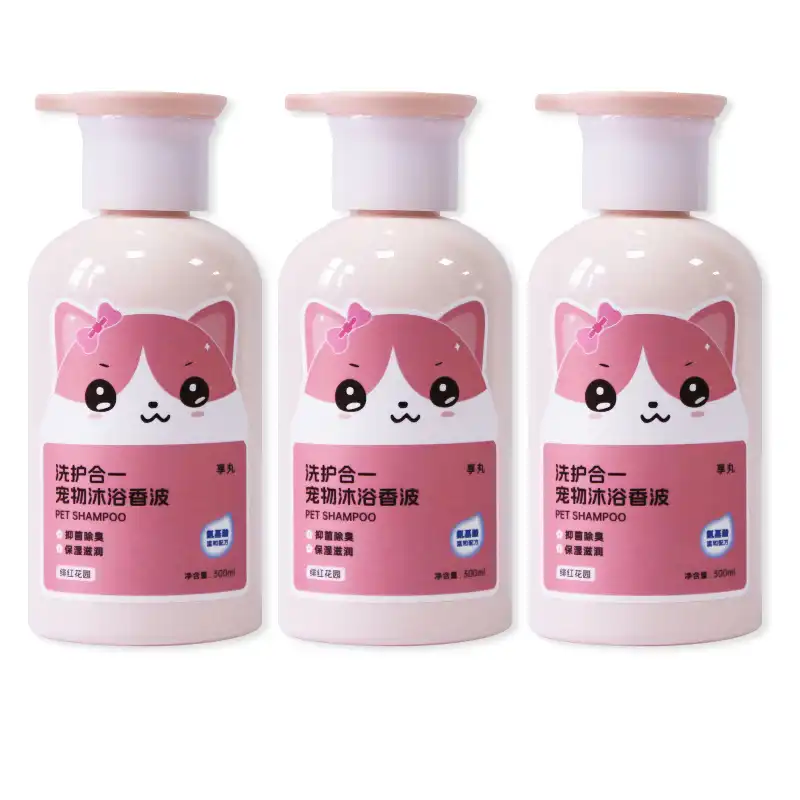
Understanding Pet Shampoo: What It Is and Why Quality Matters?
Lots of items are used to groom pets, not simply clean them. Pets and people have distinct bodies, thus their skin care products must be tailored.
The Science Behind Canine and Feline Skin
Cats' skin is alkaline, whereas dogs' skin remains between 7.0 and 7.5. However, human skin pH is 5.5. When you put human products on your dog, they damage their acid mantle, which damages the lipid barrier that prevents germs and fungus. Animals sweat more, itch more, and are more allergic as this barrier weakens.
Why Standard Products Fall Short?
Many cleaning methods leave harsh alkali residues and man-made cleaners like sodium lauryl sulfate (SLS) that remove coat oils. Dry, flaky skin and dingy fur are the first indicators. Repeatedly using the improper mixes can cause contact rashes, hot areas, and smells. These issues mask the true issues. Businesses should buy from pet stores, grooming services, and veterinarian clinics for products that solve issues rather than merely masking them.
Quality Standards That Define Excellence
Professional cosmetics are made using Good Manufacturing Practices for Cosmetics (ISO 22716:2016) and reliable VET processes. These regulations keep the active substances working for 24–36 months if the package isn't opened. The USP <51> Challenge Test assesses microbe stability. It indicates that preventive measures prevented food from spoiling after frequent air and water exposure.
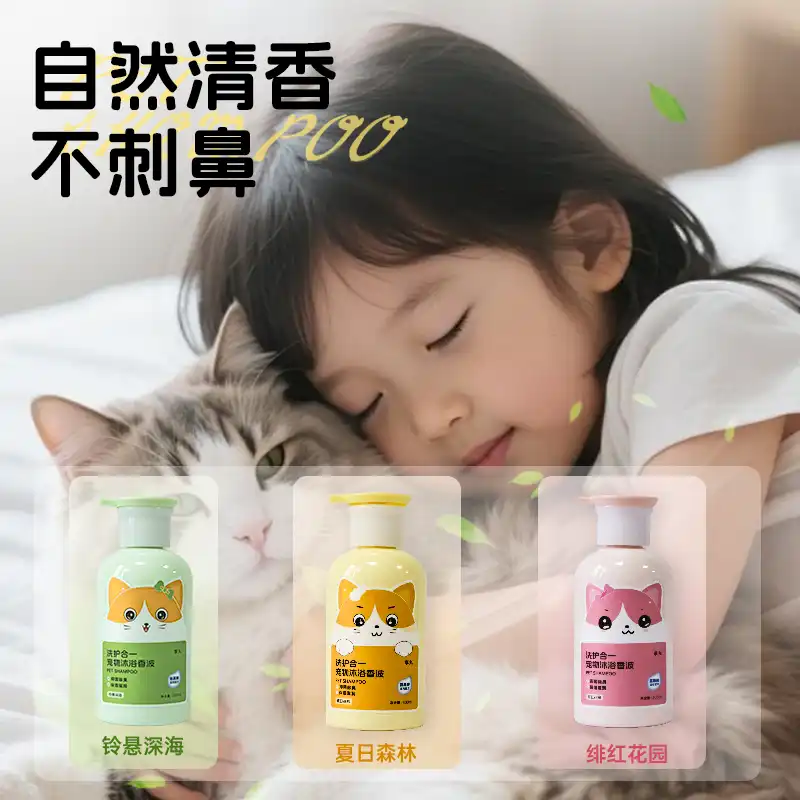
Core Ingredients and Their Roles in High-Quality Pet Shampoos
The list of compounds shows if a skin cleanser is healthy or merely surface-cleaning. Buying professionals can better evaluate vendors' claims when they grasp formulation science.
Plant-Based Surfactants and Their Advantages
More people are using bio-based pet shampoo soaps instead of petrochemical cleansers. Corn and coconut starch produce amphoteric, non-ionic soaps Coco-Glucoside and Decyl Glucoside. These compounds don't harm the skin and break down easily, according to skin testing. They break down rapidly and don't build up harmful compounds when washed with wastewater. Customers and government authorities that demand eco-friendly care items benefit from this.
Therapeutic Botanical Extracts
Colloidal oatmeal soothes sensitive skin immediately when protected. Beta-glucan in it alters your immune system, preventing histamine release and itching. Azadirachtin in neem oil (Azadirachta indica) kills fleas, ticks, and mites. Chamomile powder contains bisabolol and apigenin, which relieve swelling and discomfort without medications. Aloe barbadensis polysaccharides and glycoproteins speed wound healing and prevent greasiness.
We use several plant-based nutrients to create a complete care system. This natural approach eliminates pests and germs to protect cats' skin. Without harsh chemicals, it does this to cats.
The Critical Role of pH Balancing
Formulations between 6.5 and 7.5 don't mix with animal skin. This accuracy stops the return effect. This occurs when sebaceous glands produce too much sebum to replace lost oils. Washing your face too much to remove oil may make your skin produce more oil. Balanced pH products match skin sebum levels. This enables hair select how moist to keep.
Preservative Systems and Safety
Water-based formulas need broad-spectrum stabilizers to prevent bacteria and fungus. Ethylhexylglycerin and Phenoxyethanol are common chemicals. Also, Potassium Sorbate and Sodium Benzoate. It lacks parabens and formaldehyde like DMDM Hydantoin. More B2B standards are excluding them since they don't suit clean beauty trends. Buyers may determine if a product satisfies evolving safety regulations by looking at safety features.
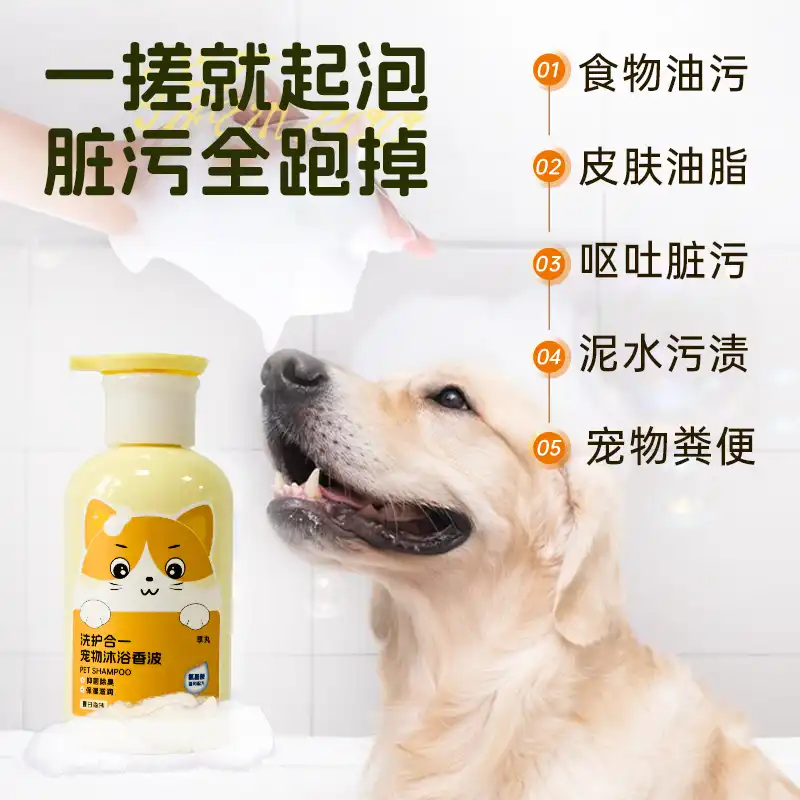
How to Choose the Best Pet Shampoo for Different Needs?
Selection criteria vary by end user and consumer group. Stores and animal hospitals have distinct demands. Internet shoppers require packages and messages that operate on all devices.
Matching Formulations to Animal Categories
Puppy and kitten meals must be mild since their immune systems are growing and their skin is delicate. Older animals with dry skin and thin hair might benefit from moisturizing recipes. Even though they have thick undercoats, Huskies and Malamutes need skin-friendly foods. Short-haired Siamese and Boxer cats need light, rinse-off products that don't leave residue.
Addressing Specific Skin Conditions
Hypoallergenic foods don't include artificial flavors, colors, or sulfates, so animals with atopic eczema can consume them. Antibiotics Ketoconazole and Chlorhexidine treat bacteria and fungi. Medicated soaps include them. Flea products employ Pyrethrin or Permethrin. Permethrin is harmful to cats and should be labeled accordingly. Certain hair loss treatments contain proteins and omega fatty acids. These strengthen hair shafts and prevent damage during seasonal coat changes.
Evaluating Supplier Credibility
A reliable business will provide a Certificate of Analysis (CoA) with pH, microbial load, and active ingredient concentration test findings for each run. They disclose where their raw materials come from and have third-party quality clearances. Offering private labeling and personalization indicates the corporation can utilize technology to speed its labor. Yunlan's resume management and quality control reflect her experience in this industry.
Size Options and Practical Considerations
Easy-to-open and close packaging are best for professionals. From 100ml to 1L, our formula is convenient. This allows beauty establishments to buy more and provide portable choices, saving time and money. Concentrated formulations with 1:50 dilution ratios are appropriate for heavy users and budget-conscious shoppers. They cost more upfront but less per wash.
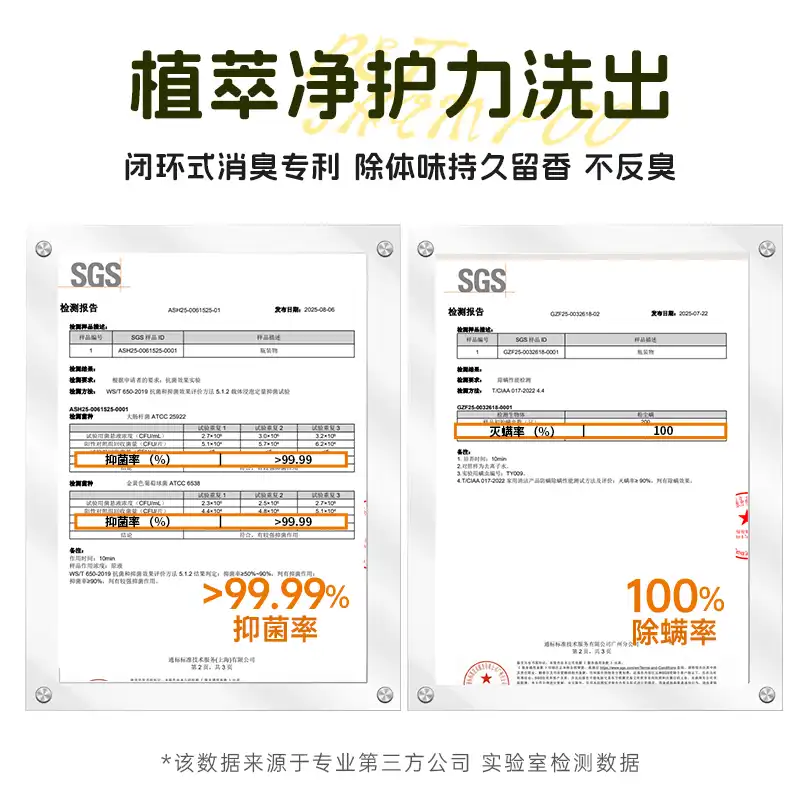
Procurement Strategies: Sourcing Quality Pet Shampoo for B2B Needs
When buying something, you need to check the supply chain, rules, and relationships as well as costs.
Identifying Manufacturers with Production Excellence
Yunlan manufactures in Suyu District, Suqian City. It has various company items around. Chicken provides high-quality, trustworthy raw resources. The firm breaks down and sterilizes beef proteins with enzymes using cutting-edge technology. The quality of items made with core technologies always satisfies international requirements. Management teams with over 20 years of pet shampoo supply chain experience improve quality control and transportation.
Channel Diversification for Market Reach
When local marketplaces collaborate with Tmall and JD.com, they gain massive customer lists and cutting-edge digital marketing tools. You need service partners that can manage customs issues and ensure products arrive at the proper temperature in over 60 Americas, Europe, and Asia nations. Omnichannel access includes offline availability through over 200 distributors and 10,000 retail shops. This helps people recognize the brand and simplifies things.
Negotiating Long-Term Partnerships
The contract should include quality, shipment, and what to do if something goes wrong. Minimum order quantities must track stock and receive the best bulk rates. Standard commercial payment periods (30–60 days net) allow you operating financial flexibility. Protecting intellectual property when creating private-label items keeps confidential formulae specific to the buyer's brand.
Innovation and Product Development Support
When suppliers invest heavily in R&D, their products improve, providing them an edge over competitors. Research and development would cost Yunlan 100 million yuan from 2022 to 2025. This indicates the company's innovation drive. The firm owns 97 US patents. These 19 concept patents include innovative drug-making methods and ingredient combinations. Buyers may differentiate their products by introducing unique features with these new ideas.
Best Practices for Using Pet Shampoo and Ensuring Customer Satisfaction
Even the finest recipes need proper execution to work. Users should be trained how to maximize product utilization. Brand loyalty comes from positive encounters.
Application Frequency Guidelines
Give your healthy dog a wash every four to six weeks. Their coat, activity level, and habitat determine how often they need to be bathed. Outdoor animals may need more frequent washing. However, domestic cats that clean themselves should only be washed when unclean or obtaining flea treatment. Balance is key since bathing too regularly might eliminate your skin's natural oils, even with mild products.
Proper Technique for Maximum Efficacy
Apply pet shampoo when the coat is wet. Spread shampoo to reach skin better. Slowly turning the product increases blood flow and loosens dirt. To let active ingredients work, medications or parasite-killing mixtures must stay on the coat for three to five minutes. Rinse carefully to avoid dirt-attracting remnants and dulling the surface.
Recognizing and Addressing Adverse Reactions
Pet owners should watch for swelling, itching that won't go away, hives, or pain-related behavior changes as symptoms of an allergic response. Stopping usage and talking to vets are the greatest methods to ensure folks get the correct medical care. Labels for food allergens are simple to read. They can avoid buying those chemicals later.
Building Feedback Loops for Continuous Improvement
Stores and groomers have lots of relevant information on real-life products. Businesses may improve their products and adapt to changing demands by asking clients for input through account managers, sales agents, or online customer care. This collaboration strengthens ties and ensures goods match market demands.

Conclusion
Understanding product science, animal behavior, and real-world application helps you choose the finest cleaning products. Some safe compounds that destroy bacteria and mites are plant-based surfactants and medicinal herbs. Your garments will be fluffy and soft after washing since the pH-balanced formulations won't rip. In business-to-business (B2B), buyers rate sellers by their ability to manufacture goods, willingness to attempt new things, and compliance with rules. The safe and effective tear-free dish with plant-based pet food is an example of contemporary pet care. The 100ml–1L sizes are handy for various tasks.
Partner with a Trusted Pet Shampoo Manufacturer for Your Business Growth
Yunlan develops market-leading care products with decades of supply chain knowledge and cutting-edge R&D. We make tear-free antibiotic and mite-killing solutions in 100ml to 1L volumes with safe, non-toxic substances. Shops, online merchants, veterinary offices, grooming services, and distributors get a consistent supply of scalable items from us. Our facilities employ cutting-edge technology and ship to over 60 countries. Contact us at minghuixu6717@gmail.com to see how our pet shampoo supplier relationships may help you satisfy clients and sell more.
FAQ
What makes plant-based pet shampoos different from synthetic options?
Plant-based products avoid petroleum-based cleaners like SLS. Detergents like Coco-Glucoside are plant-based. Natural ones are cleaner, less uncomfortable, and degrade faster than synthetic ones. Plant-based products reduce edema, eliminate bacteria, and moisturize skin without chemicals. Store natural stabilizers carefully since they may degrade. Less harmful graywater and safer raw materials benefit the environment.
Can pet shampoos expire, and how do you identify spoilage?
Cleaning products normally last 24–36 months after opening. Over time, natural oils oxidize and stink. Pearlizing agents and preservatives break down, making the product less solid and allowing germs to thrive. Something unpleasant is happening if it smells bad, changes color, or feels odd. Old items can harm skin and be dirty. When buying, verify the date and store it somewhere cool, dry, and out of direct sunlight.
Why do veterinarians recommend specific shampoos for different skin conditions?
Some bacteria or symptoms can be destroyed by medical-grade wash active medicinal substances. Chlorhexidine treats bacteria, Ketoconazole treats fungus, and Salicylic Acid treats seborrhea. To be safe, these substances must be used in particular doses. To diagnose problems, veterinarians utilize skin scrapings, cultures, or allergy testing. They prescribe drugs that cure causes, not symptoms. Doctors should treat identified skin problems, not over-the-counter medications.
References
1. Miller, W.H., Griffin, C.E., and Campbell, K.L. (2013). Muller and Kirk's Small Animal Dermatology, 7th Edition. Elsevier Health Sciences.
2. Lloyd, D.H. and Patel, A. (2021). "The Role of Skin pH in Canine Dermatological Health: A Review of Current Literature." Veterinary Dermatology, 32(4), pp. 315-324.
3. Marsella, R. and Segarra, S. (2018). "Topical Therapy in Veterinary Dermatology: Mechanisms of Action and Clinical Applications." Journal of the American Veterinary Medical Association, 253(9), pp. 1142-1152.
4. Noli, C. and Boothe, D. (2020). "Antimicrobial Shampoos in Veterinary Medicine: Efficacy, Safety, and Regulatory Considerations." Veterinary Clinics of North America: Small Animal Practice, 50(1), pp. 85-102.
5. Patel, A. and Forsythe, P. (2022). Small Animal Dermatology: A Colour Atlas and Therapeutic Guide, 4th Edition. Saunders Ltd.
6. Scherk, M.A. and Dryden, M.W. (2019). "Ectoparasite Control in Companion Animals: Current Products and Application Strategies." Compendium on Continuing Education for Veterinarians, 41(6), pp. E1-E12.