- English
- French
- German
- Portuguese
- Spanish
- Russian
- Japanese
- Korean
- Arabic
- Irish
- Greek
- Turkish
- Italian
- Danish
- Romanian
- Indonesian
- Czech
- Afrikaans
- Swedish
- Polish
- Basque
- Catalan
- Esperanto
- Hindi
- Lao
- Albanian
- Amharic
- Armenian
- Azerbaijani
- Belarusian
- Bengali
- Bosnian
- Bulgarian
- Cebuano
- Chichewa
- Corsican
- Croatian
- Dutch
- Estonian
- Filipino
- Finnish
- Frisian
- Galician
- Georgian
- Gujarati
- Haitian
- Hausa
- Hawaiian
- Hebrew
- Hmong
- Hungarian
- Icelandic
- Igbo
- Javanese
- Kannada
- Kazakh
- Khmer
- Kurdish
- Kyrgyz
- Latin
- Latvian
- Lithuanian
- Luxembou..
- Macedonian
- Malagasy
- Malay
- Malayalam
- Maltese
- Maori
- Marathi
- Mongolian
- Burmese
- Nepali
- Norwegian
- Pashto
- Persian
- Punjabi
- Serbian
- Sesotho
- Sinhala
- Slovak
- Slovenian
- Somali
- Samoan
- Scots Gaelic
- Shona
- Sindhi
- Sundanese
- Swahili
- Tajik
- Tamil
- Telugu
- Thai
- Ukrainian
- Urdu
- Uzbek
- Vietnamese
- Welsh
- Xhosa
- Yiddish
- Yoruba
- Zulu
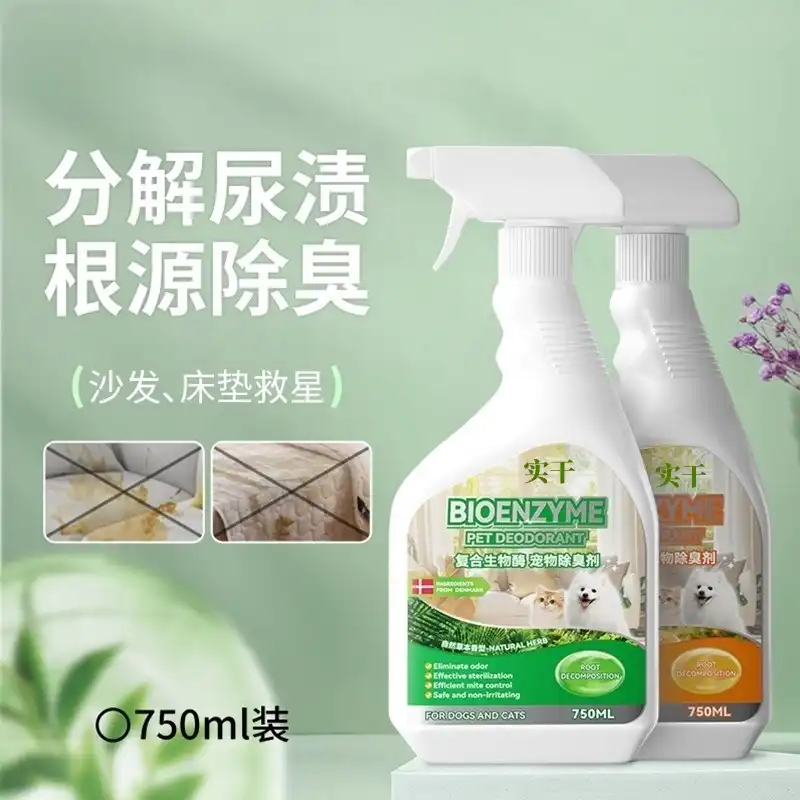
The main difference between plant and enzyme pet deodorizers is how they use their ingredients. A pet plant deodorizer uses plant extracts to absorb and remove smells through natural chemicals. This gives the plant freshness right away and is safe for the environment. Formulas with enzymes start bio-enzymatic processes that break down smell molecules at the molecular level. This gets rid of organic waste leftovers for good. Both methods meet different operational needs, so the choice depends on the type of setting, the strength of the smell, and the goals of B2B buyers who want reliable, scalable solutions.
Science Behind Plant and Enzyme Pet Odor Eliminators
How Plant-Based Deodorizers Work?
Natural herbal deodorizers get rid of bad smells by using phytochemical chemicals that come from plants like tea tree, eucalyptus, and citrus peels. These formulas use absorption processes in which plant molecules bind to the smelly volatile organic chemicals. A lot of pet plant deodorizers use cyclodextrin capsule technology, which traps smelly particles inside molecular cages instead of just covering them up with scent. This method improves sense perception right away and is safe enough to be used in places with sensitive animals and weak people because it is non-toxic.
The Biochemical Action of Enzyme Formulations
Enzyme-based eliminators use certain types of bacteria, like Bacillus subtilis, that make proteases, lipases, and amylases. These enzymes speed up the breaking down of uric acid crystals, ammonia, and mercaptans, which are the main smell-causing substances in pet urine. Chemical sprays only help for a short time, but enzymatic action keeps working as long as the organic material is still there. Formulations usually keep colony-forming unit counts higher than 1×10⁹ CFU/mL, which makes sure that treated surfaces keep having microbial activity. The pH stabilization between 6.5 and 7.5 keeps materials from rusting and makes enzymes more stable.
Comparative Mechanism Analysis
The operating schedule is a big difference between these technologies. Pet plant deodorizer gets rid of smells quickly—within minutes. This makes them perfect for places with a lot of foot traffic that need to be cleaned up quickly. Treatments with enzymes need 12 to 72 hours to fully break down the sources of smells, but they stop them from happening again by getting rid of the chemical triggers. Headspace gas chromatography-mass spectrometry research shows that botanical remedies lower ammonia levels by 60–75% in 30 minutes, while enzyme versions lower them by 85–95% over longer periods of time. When choosing formulations for different areas of a building, procurement teams have to weigh the needs of clients right now against the needs of long-term operating efficiency.
Evaluating Performance and Effectiveness: Plant vs Enzyme Pet Odor Eliminators
Odor Severity Matching
Sorting smells into groups is the first step in evaluating performance. Pet plant deodorizer works well for mild to moderate problems, like hair buildup, food leftovers, or the general presence of animals. It's easy to use these botanical formulas as part of regular upkeep. They keep the air fresh without the need for special application methods. On the other hand, enzyme-based solutions are great at getting rid of serious organic contamination, such as urine saturation in porous materials, feces residue in kennel floors, and territorial marking pheromones embedded in fabric substrates. Enzymatic depth of action is especially helpful in veterinary healing cages and boarding facilities that take care of large animal populations.
Safety and Toxicity Profiles
When businesses buy things from each other, safety is a big factor. According to OECD 404/405 testing guidelines, Pet plant deodorizer usually gets the GRAS (Generally Recognized As Safe) label, which means they don't cause skin discomfort or eye toxicity. These traits are very important in places like grooming shops and stores where pets are often accidentally touched. Enzyme products need to be used exactly as directed by the maker, because strong oxidizers like bleach can kill bacterial cultures if they come into contact with them. To make sure that products are free of pathogens, quality assurance methods require microbial challenge testing in line with USP <51> standards. Material suitability tests are done on both types of products to make sure they won't crack, discolor, or corrode common den building materials like plastics, stainless steel, and treated wood.
Environmental Sustainability
As companies use ESG management models, environmental qualifications become more important in the buying process. Deodorizers that come from plants are better at breaking down naturally, and they usually break down completely within a few weeks in normal circumstances. Many products have eco-certifications that prove they use green resources and have low volatile organic compound emissions. By cleaning up biological waste, enzyme goods offer competitive environmental features that make chemical disposal easier. Comparative lifespan studies show that enzymatic solutions keep the environment from getting polluted by turning organic pollutants into harmless byproducts, while plant extracts reduce the damage caused by production. These complex environmental choices are helpful for B2B buyers who need to balance going green with meeting performance needs.
Key Procurement Considerations for B2B Buyers
Cost-Efficiency and Volume Pricing
The plan for buying things in the pet care supply lines is based on making the best use of budgets. Pet plant deodorizer solutions usually have lower unit costs at low numbers, which makes them appealing for companies that are trying out new product lines or selling to price-conscious customers. Enzyme products are very expensive because they are made using complicated methods and require special bugs to grow. Buying in bulk and using membership models can save you a lot of money. For example, if you commit to buying over 500 units every three months, you can get a 25–40% discount on your selling price. Instead of just looking at the buy price, distributors who work with more than one store should figure out the total cost of ownership, which includes dilution ratios, application frequency, and staff needs.
Supplier Vetting and Quality Assurance
Finding trustworthy manufacturers is what separates good buying from problems in the supply chain. Some of the most important things that are used to judge a laboratory are clear certificates, detailed safety data sheets, and proof that the lab meets regional legal standards. Suppliers who show they are investing in basic cat nutrition research and who own patent portfolios show they can come up with new ideas and make products stand out. As part of quality control, GC-MS analysis should be used to test how well the product reduces smells, the stability of the product against microbes during the claimed shelf life, and proof of material compatibility. By asking for Certificate of Analysis records with each shipment batch, B2B buyers can keep track of their goods and reduce their risk of responsibility.
Logistics and Storage Requirements
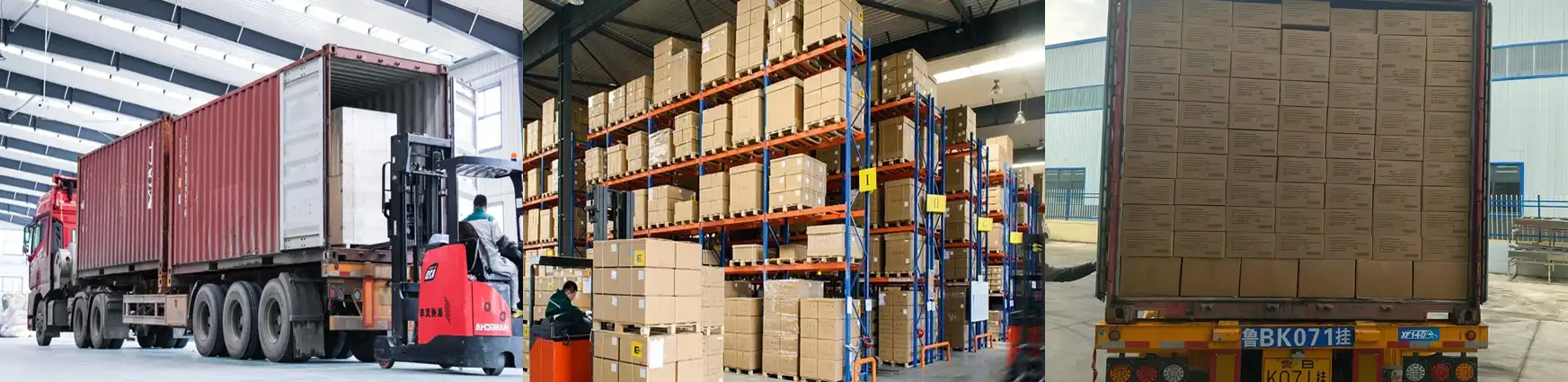
Logistics of distribution have a big effect on the survival of a product, especially enzyme-based eliminators that are sensitive to changes in temperature. To keep bacterial spores alive, the best storage temperatures are between 5°C and 25°C, and this needs to be maintained throughout the supply chain. Plant extracts are more stable at higher temperatures, but they may need to be kept out of direct sunlight to keep their phytochemical purity. Lead times vary. Orders from local suppliers are usually filled within 7–14 business days, but orders from foreign sellers can take up to 30–45 days. During the holidays, when there are a lot of animals, boarding facilities need to deal with a lot of smelly animals, so procurement teams have to plan their supplies around changes in seasonal demand.
Best Practices and Usage Guidelines for Optimal Results
Optimal Application Protocols for Plant Solutions
To get the most out of plant-based deodorizers, you need to know how to use them correctly. Regular preventive application keeps the quality of the air stable. It is recommended to do this two to three times a week in areas with mild traffic and every day in areas with a lot of people. When sprayed with fine-mist spray devices, the low surface tension makes it easier to get into porous substrates. Adding herbal treatments to regular cleaning routines has synergistic benefits. For example, using plant chemicals after regular cleaning lets them get rid of smells without getting in the way of competing cleaning agents. Professional-grade goods work better than natural recipes you make at home because they have standardized concentration controls and formulations that have been tried for stability, which makes sure that they work the same way in all kinds of environments.
Enzyme Product Preparation Techniques
To keep biological action going, enzyme eliminators need to be carefully prepared. Dilution ratios must be exactly as specified by the maker because too much water concentrations kill germs and not enough dilution limits how well the product covers. Before enzyme treatment, application surfaces should be cleaned, but not disinfected, because phenolic cleaners and quaternary ammonium chemicals kill good bacteria. For the enzymes to keep working, the substrate needs to stay wet during the 12- to 72-hour activation stage. In places with low humidity, this may require a light misting. By teaching facility staff the right way to do things, common mistakes in application that waste product and lead to performance problems can be avoided.
Commercial-Grade Standards vs DIY Alternatives
In order to save money, B2B buyers often compare market formulations to options that can be made at home. Do-it-yourself recipes that use vinegar, baking soda, or essential oils may look like a good way to save money, but they don't have the legal compliance paperwork, effectiveness testing, or risk protection that businesses need. Professional pet plant deodorizer goods go through strict safety checks, group consistency rules, and quality approvals that you can't get with a do-it-yourself project. Using untested formulas in places where customers are present could get veterinary offices and grooming shops in trouble with the law. Standardization, stable shelf life, and performance promises of commercial-grade solutions make the higher prices worth it for companies that want to protect their brand image and keep their operations running smoothly.
Conclusion
The choice between plant-based and enzyme pet odor eliminators comes down to how well the product processes fit the needs of the business. Botanical solutions that come from plants get rid of smells right away, are safe for the environment, and have low-cost entry points that work for upkeep routines and customer-facing areas. Enzyme products clean deeply at the molecular level, keep working against heavy organic contamination, and stop smells from coming back for a long time in animal homes with a lot of animals. More and more, modern business-to-business purchasing strategies use combined methods that take advantage of the best features of both technologies, effectively controlling smells in all areas of a building. Procurement experts can build reliable supply partnerships that improve operational efficiency and customer happiness by looking at scientific methods, performance metrics, safety certifications, and the total cost effects.
FAQ
Can plant-based eliminators be used safely in places where different pet species live together?
Plant-based deodorizers made with plant products are safe for all animal species, including dogs, cats, birds, and small mammals. Products that get the GRAS label don't have any phenols, high amounts of essential oils, or artificial smells that can make people with respiratory allergies sick. Professional-grade formulas are tested for dermal discomfort to make sure they are safe, even when they are in touch with skin for a long time or when treated surfaces are licked by accident.
What shelf life differences exist between enzyme and plant products?
Plant-based treatments usually stay effective for 18 to 24 months if they are kept in a cool, dark place. How stable they are depends on how quickly phytochemicals break down. Enzyme mixtures that use spore-suspension technology can stay alive for 24 months if they are kept between 5°C and 25°C. Buyers check spore count reports to make sure that the colony-forming unit stability stays the same over the shelf life.
Do suppliers offer trial orders before bulk commitments?
Reputable makers offer sample programs that let procurement teams test the products in real facilities before making big purchases. Trial kits usually come with 500mL to 1L amounts, as well as instructions on how to use them and ways to measure how well they work. This way of lowering the risk lets you test against different smell situations and materials that are important to your work setting.
Partner with Yunlan for Superior Pet Odor Solutions
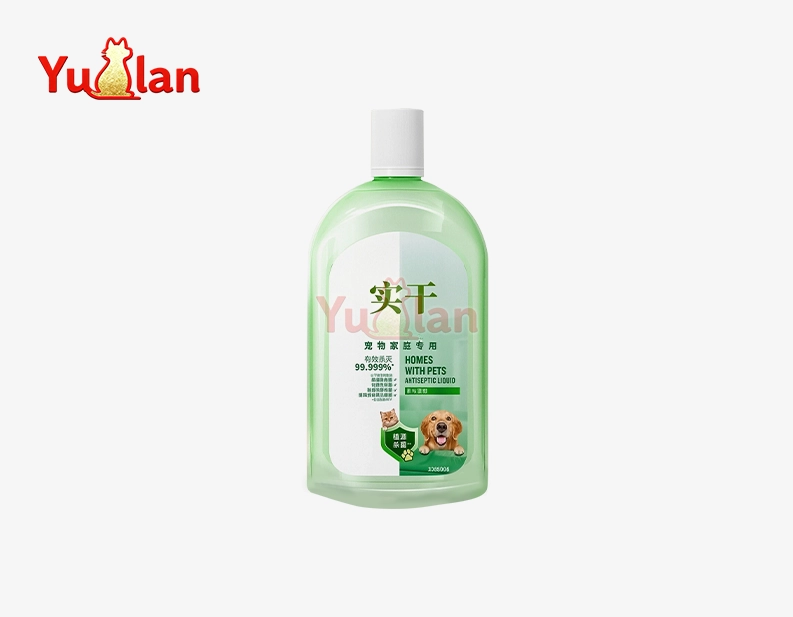
Yunlan provides professional-grade pet plant deodorizer options made just for B2B buyers, with the help of Ruixin Cloud Wave Group's extensive resources. Our formulas break down pet smells where they come from and leave behind a natural, long-lasting freshness that works on pet beds, rugs, and air flow systems. We have strict quality control that includes GC-MS testing for effectiveness, microbial challenge methods, and material suitability confirmation. We have agreements with more than 200 distributors, more than 10,000 stores, and can send to more than 60 countries in the U.S., Europe, and the Asia-Pacific area. Email our purchasing agents at minghuixu6717@gmail.com to talk about bulk pet plant deodorizer supply agreements, ask for personalized samples, and get expert advice that fits your business needs. You can find out how our technology-driven manufacturing and 97 approved patents can help your business grow by going to yunlanpets.com.
References
- American Veterinary Medical Association (2025). Best Practices for Environmental Sanitation in Companion Animal Facilities. AVMA Press.
- Chen, L., & Rodriguez, M. (2024). "Comparative Efficacy of Botanical and Enzymatic Odor Neutralization Technologies in Commercial Kennels." Journal of Applied Animal Welfare Science, 27(3), 412-428.
- International Pet and Animal Transportation Association (2025). Quality Standards for Sanitation Products in Animal Care Facilities. IPATA Guidelines Manual.
- National Animal Care & Control Association (2024). "Odor Management Protocols for High-Density Animal Housing." NACA Technical Bulletin, 18(2), 55-71.
- Peterson, K. R. (2025). Green Chemistry in Pet Care: Sustainable Formulation Strategies for Commercial Applications. Wiley-Blackwell Publishing.
- United States Environmental Protection Agency (2024). Safer Choice Standard for Pet Care Products: Criteria and Certification Guidelines. EPA Document 747-B-24-001.