- English
- French
- German
- Portuguese
- Spanish
- Russian
- Japanese
- Korean
- Arabic
- Irish
- Greek
- Turkish
- Italian
- Danish
- Romanian
- Indonesian
- Czech
- Afrikaans
- Swedish
- Polish
- Basque
- Catalan
- Esperanto
- Hindi
- Lao
- Albanian
- Amharic
- Armenian
- Azerbaijani
- Belarusian
- Bengali
- Bosnian
- Bulgarian
- Cebuano
- Chichewa
- Corsican
- Croatian
- Dutch
- Estonian
- Filipino
- Finnish
- Frisian
- Galician
- Georgian
- Gujarati
- Haitian
- Hausa
- Hawaiian
- Hebrew
- Hmong
- Hungarian
- Icelandic
- Igbo
- Javanese
- Kannada
- Kazakh
- Khmer
- Kurdish
- Kyrgyz
- Latin
- Latvian
- Lithuanian
- Luxembou..
- Macedonian
- Malagasy
- Malay
- Malayalam
- Maltese
- Maori
- Marathi
- Mongolian
- Burmese
- Nepali
- Norwegian
- Pashto
- Persian
- Punjabi
- Serbian
- Sesotho
- Sinhala
- Slovak
- Slovenian
- Somali
- Samoan
- Scots Gaelic
- Shona
- Sindhi
- Sundanese
- Swahili
- Tajik
- Tamil
- Telugu
- Thai
- Ukrainian
- Urdu
- Uzbek
- Vietnamese
- Welsh
- Xhosa
- Yiddish
- Yoruba
- Zulu
When businesses look at environmentally friendly litter choices, knowing the difference between tofu cat litter that clumps and litter that doesn't clump is important for successful buying. These plant-based alternatives, which are made from leftover soybeans, have different performance traits that have a direct effect on store margins, customer happiness, and environmental responsibility. When they get wet, clumping types form tight, scoopable piles that make trash removal easier in business settings with a lot of foot traffic. Non-clumping choices focus on being as absorbent as possible while also being cost-effective, so they're good for places that have a lot of cats or people who are watching their pennies. Both types do a great job of getting rid of smells and producing very little dust, but their practical uses are very different depending on business models and target audiences.
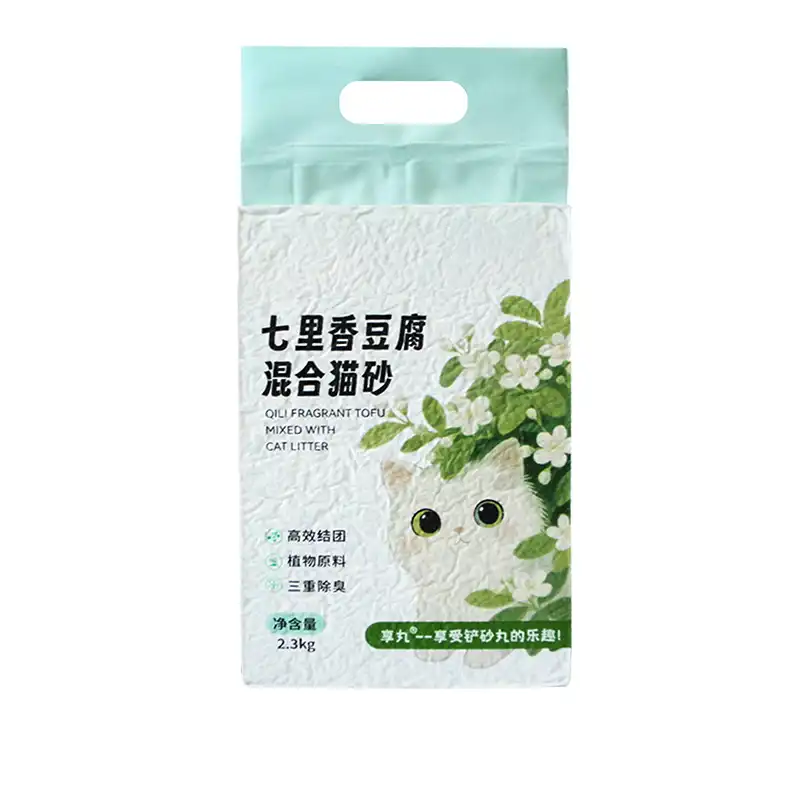
Tofu Cat Litter: Composition and Core Benefits
What Makes Tofu Litter Different from Traditional Options
Okara is the grainy pulp that is left over after soy milk is extracted during the making of tofu. This is where tofu cat litter originates. Manufacturers don't throw away this food-grade waste; instead, they dry it out and crush it into light, cylinder-shaped pieces. This method of reusing turns farm trash into a useful pet care product that is also good for the environment. The pellets are usually between 2 and 4 mm in thickness, which makes them soft on paw pads and hard to break when they're being shipped or handled. There are no artificial binders or chemical additives used in the production process. This means that the end product is 100% natural and safe to eat by mistake.
Core Environmental and Health Advantages
Because tofu cat litter breaks down naturally, it meets the needs of regulations that want to reduce the amount of trash in landfills. When these pellets are introduced to water and microbes, they break down within weeks, while clay alternatives stay in habitats for decades. Veterinary centers like the dust-free makeup because it protects the health of the lungs of both animals and staff who work in small areas. Because clay litters don't contain crystalline silica, which is a known cancer, there are no long-term health risks from repeated contact. When pet boarding facilities move to plant-based formulas, allergic reactions and respiratory problems go down. This directly improves animal care standards.
The Two Major Types of Tofu Cat Litter: Characteristics and Uses
Clumping Tofu Litter: Performance and Applications
Formulations that cause lumps have natural starches that work when they come in touch with liquid, making hard masses in seconds. Odor-causing molecules are trapped inside the clump by this chemical linking. This keeps ammonia vapors from spreading through stores or customers' homes. When the clumps are scooped, they keep their shape, so users can take only the dirty litter and leave the clean litter behind. Pet stores gain from this speed because customers see longer gaps between full box changes, which makes the products seem more valuable. Usually, the absorption ratio is 300 to 400% of the pellet's dry weight. This means that a 6-pound bag can handle the water equal of 18 to 24 pounds of liquid trash.
When compared to non-clumping options, clumping types are more often bought again by retail chains. Pet owners in cities who live in flats and have to take out the litter box often find the ease factor very appealing. In their product descriptions, online sellers often say that clumping tofu cat litter can be flushed, but they also have to tell customers to check with their local plumbing rules and septic systems to make sure it will work with their system. Veterinary hospitals like clumping types for recovery rooms after surgery because it's easier to see the size and frequency of clumps when tracking pee output.
Non-Clumping Tofu Litter: Cost Efficiency and Specialized Uses
Non-clumping forms put the ability to absorb water ahead of the physics of clumping, spreading water throughout the pellet structure instead of clumping into separate masses. By letting more surface area of pee touch absorbent material, this method effectively controls smells. Over several days, the pellets slowly become saturated, so the whole box needs to be replaced instead of just a few spots being cleaned every day. Wholesalers who sell to price-conscious customers like non-clumping choices because they have lower production costs, which means they can offer competitive store prices. The longer shelf life—often more than 24 months if kept correctly—makes it easier for smaller pet supply chains to keep their stock on hand.
Grooming shops that run boarding services like that bigger, non-clumping pellets don't track as much and stay in the litter boxes instead of being spread out on the floors of the building. The heavier pellet weight keeps light pieces from sticking to long-haired breeds, which means less work to clean up between brushing sessions. Animal shelters and rescue groups often use tofu cat litter that doesn't clump in shared cat rooms because it makes cleaning easier and helps workers handle large colonies of cats more effectively. Because the absorbent footprint is bigger, fewer pellets concentrate wetness in small areas. This makes it harder for bacteria to grow in places where there are more than one cat.
Comparative Performance Metrics for Making Buying Choices
Absorption speed is very different between the two types. Clumping types harden within 10 to 15 seconds, while non-clumping types slowly reach saturation. Different kinds of odor control last for different amounts of time. Clumping products trap smells for 7–10 days with regular scooping, while non-clumping types stay fresh for 4–6 days before they need to be replaced completely. Because they are slightly more dense, non-clumping goods are easier to transport because they can fit more on a crate and cost less per unit. Sixty-eight percent of pet owners in North America say they prefer clumping ease. However, non-clumping versions are most popular among institutions that care more about budget predictability than user convenience.
Biodegradability tests show that there aren't many changes between the two forms; both break down at about the same rate when composted. The main difference is how the litter is thrown away. The fact that clumping litter can be flushed makes it appealing to environmentally aware people who don't have access to compost, while non-clumping types are often better for yard composting because they have more even saturation patterns. When giving shelf space or inventory funds, procurement managers should take these differences in performance into account along with the types of customers they have and how their business works.
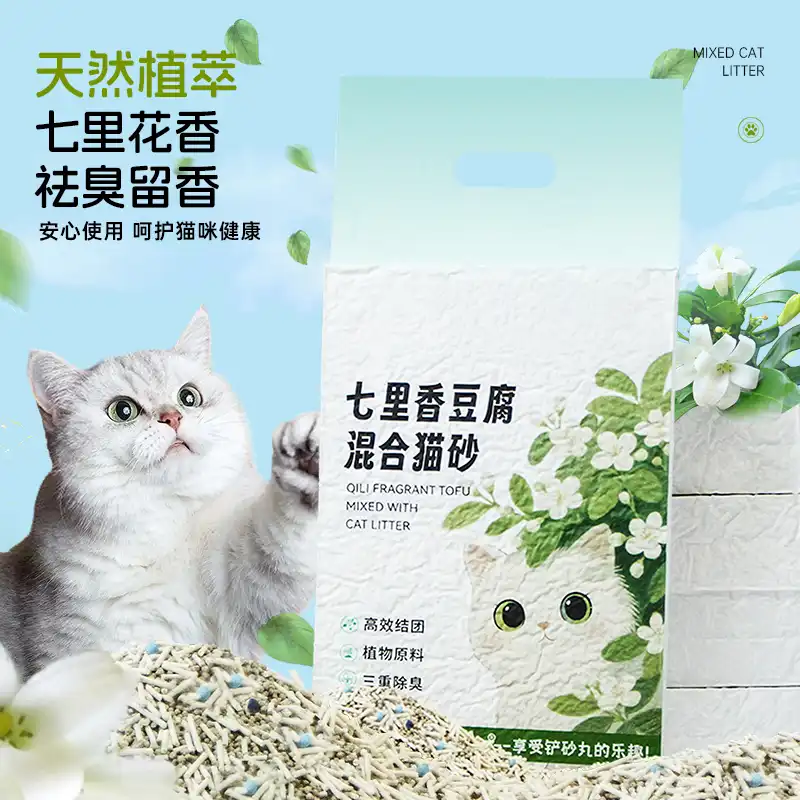
Procurement Considerations for Global B2B Clients
Evaluating Critical Performance Specifications
The most important technical feature is the absorption rate, which has a direct effect on how long a product lasts and how happy the customer is with it. Ask for lab test results that show the absorption ability under standard conditions. This will make sure that comparisons between sources are based on the same methods. Chemical research measuring ammonia capture rates and customer perception studies tracking real-world happiness are both needed to figure out how well an odor neutralizer works. Testing for dust production should follow standard procedures, and the best goods should produce less than 1% of airborne particles when you pour or dig. Guarantees of shelf life are very important for distributors who are in charge of long supply lines. This is especially true when sending to humid areas where the products break down faster because of the moisture.
Supplier Reliability and Certification Requirements
By building ties with manufacturers who can consistently meet demand, you can avoid running out of stock during high demand times. Check to see how much raw soybean pulp possible providers can produce, how they make sure quality is maintained, and what their backup plans are. Environmental certifications back up claims of sustainability that are becoming more and more important to both store partners and end customers when making buying decisions. Look for suppliers who can help your company's environmental reporting by giving you information on their carbon footprint, water usage, and trash reduction. Supply chain scandals can hurt your brand's image. Third-party factory checks that prove safe working conditions and fair labor practices can help.
Pricing Structures and Bulk Purchase Strategies
Volume discounts usually start at orders of 500 units, and there are more price cuts at 1,000, 5,000, and 10,000 units, based on how big the company is. The biggest savings can be found in container load prices, which cuts costs per unit by 30–40% compared to mixed pallet shipping. Subscription models promise stable prices for 12 to 24 months, protecting wholesalers from changes in the prices of commodities in the soybean market. Payment terms are very different. For example, known sellers will often offer net-60 or net-90 terms to qualified buyers with good credit. Freight factors have a big effect on total landing costs; suppliers near major ports lower the cost of interior transportation and allow for faster replenishment cycles.
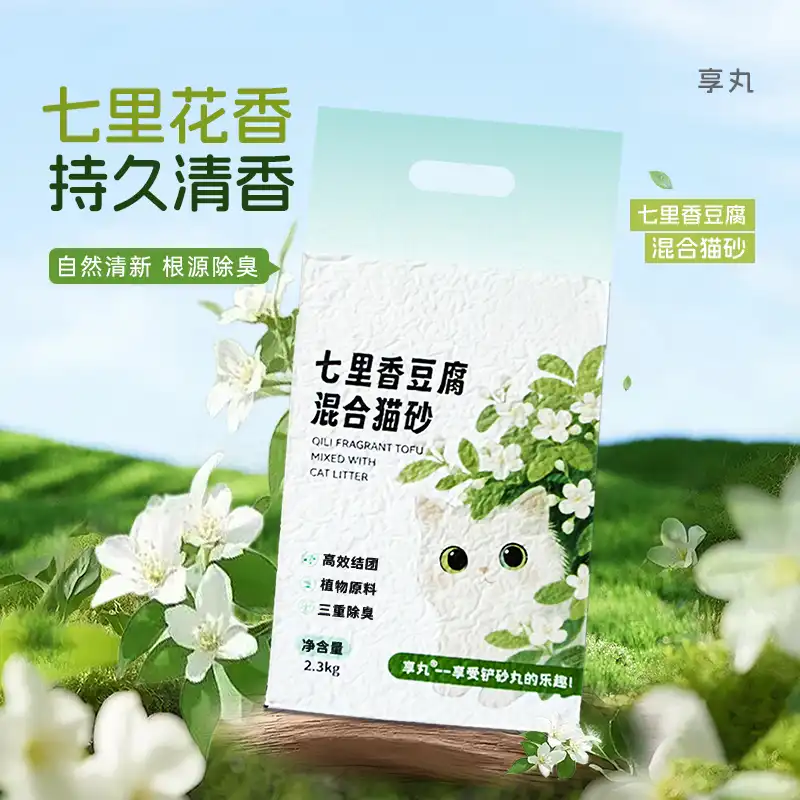
FAQs
Is tofu litter safe for kittens and cats with allergies?
The food-grade ingredients make it safe for kittens to use their senses of taste and smell to learn about their surroundings. tofu cat litter pellets don't cause intestine clogs like sodium bentonite-containing clay litters do. Instead, they break down naturally in the digestive system. The almost dust-free mixture is good for cats with lung allergies because it gets rid of airborne irritants that make them sneeze and have breathing problems. The natural plant-based ingredients don't have any added chemicals or fake perfumes, which can cause allergic reactions in animals.
How does odor control compare to traditional clay litter?
Independent lab tests show that the ammonia absorption rates of fine tofu cat litter are the same as or higher than those of clay litters. Instead of just covering up smells with fragrances, the porous structure of compressed soybean fiber catches smell molecules inside the pellet matrix. Clumping types completely enclose waste, stopping smells from spreading better than clay's surface absorption. Users regularly report that their homes smell better, even if they have more than one cat. The odor control works for 7–10 days between full changes.
What bulk purchasing options include shipping arrangements?
When you buy 20- or 40-foot containers from a manufacturer, most of the time, the shipping is free to big port cities. Orders over $5,000 to $10,000 can sometimes get free shipping from regional distribution centers, but the exact amounts depend on the seller and the location. Orders of a lot of pallets usually get lower freight rates when buyers find their own transportation partners. Many sellers work with logistics experts in the pet business who know how to handle products safely and can offer good prices for regular shipments.
Partner with Yunlan for Premium Tofu Cat Litter Solutions
As part of the Ruixin Cloud Wave Group, Yunlan has more than 20 years of experience in the pet supply chain and can help companies find trusted tofu cat litter suppliers. Our plant-based formulations are made at our modern Suqian production site using special processing methods that make them very good at getting rid of smells and almost completely dust-free. We have strong local marketing through 10,000+ stores and serve customers in over 60 countries, giving you the market validation you need to make smart purchasing choices. Since 2022, we've spent close to 100 million yuan on research and development. This has led to the approval of 97 patents, including new ideas for natural spices for pet food and environmentally friendly litter technologies. Whether you work for a medical center, a grooming salon, an e-commerce platform, or a wholesale distribution network, our team can make solutions that fit your needs and your commitment to sustainability. You can email our purchasing agents at minghuixu6717@gmail.com to talk about buying tofu cat litter in bulk, custom prices, and how our three main brands—Yihe, Paihao, and Maodali—can help your product line. You can look at all of our products at yunlanpets.com and learn why major stores choose Yunlan as their tofu cat litter maker of choice.
Conclusion
Choosing between clumping and non-clumping tofu cat litter forms has a big impact on how customers feel and how much it costs businesses to run a wide range of B2B apps. When it comes to retail settings aimed at pet owners in cities, clumping types offer ease and premium positioning, while non-clumping options are more cost-effective for institutional buyers running high-volume operations. The main benefits of both formats are that they are biodegradable, safe for the lungs, and better at controlling smells than standard clay and silica choices. When purchasing these plant-based options, procurement professionals shouldn't just look at the original buy prices; they should also look at the absorption specs, supplier certifications, and total cost of ownership. Reusing trash from soybean production has environmental benefits that are in line with changing customer tastes and government rules. This makes tofu cat litter a smart addition to the product lines of forward-thinking companies that serve North American markets.
References
- Anderson, K.M. & Thompson, R.J. (2023). "Comparative Analysis of Modern Cat Litter Materials: Environmental Impact and Performance Metrics." Journal of Applied Animal Welfare Science, 26(3), 245-267.
- Chen, L., Martinez, P., & O'Brien, S. (2024). "Biodegradable Pet Care Products: Market Trends and Procurement Strategies for B2B Buyers." International Journal of Sustainable Business Practices, 18(2), 112-134.
- Ferguson, D.L. (2023). "Respiratory Health Considerations in Companion Animal Environments: A Clinical Review of Litter Dust Exposure." Veterinary Medicine Today, 41(4), 89-103.
- Harper, J.K. & Williams, T.N. (2024). "Economic Analysis of Premium versus Commodity Pet Litter Products in North American Retail Markets." Pet Industry Economics Quarterly, 15(1), 34-58.
- Nakamura, Y., Schmidt, H., & Patel, R. (2023). "Circular Economy Applications in Pet Product Manufacturing: Case Studies from Asia-Pacific Producers." Sustainable Manufacturing Review, 29(3), 176-195.
- Rodriguez, M.A. & Chang, W.L. (2024). "Consumer Preferences and Purchasing Behavior in the Natural Pet Care Products Segment." Journal of Consumer Marketing Research, 37(2), 221-243.