- English
- French
- German
- Portuguese
- Spanish
- Russian
- Japanese
- Korean
- Arabic
- Irish
- Greek
- Turkish
- Italian
- Danish
- Romanian
- Indonesian
- Czech
- Afrikaans
- Swedish
- Polish
- Basque
- Catalan
- Esperanto
- Hindi
- Lao
- Albanian
- Amharic
- Armenian
- Azerbaijani
- Belarusian
- Bengali
- Bosnian
- Bulgarian
- Cebuano
- Chichewa
- Corsican
- Croatian
- Dutch
- Estonian
- Filipino
- Finnish
- Frisian
- Galician
- Georgian
- Gujarati
- Haitian
- Hausa
- Hawaiian
- Hebrew
- Hmong
- Hungarian
- Icelandic
- Igbo
- Javanese
- Kannada
- Kazakh
- Khmer
- Kurdish
- Kyrgyz
- Latin
- Latvian
- Lithuanian
- Luxembou..
- Macedonian
- Malagasy
- Malay
- Malayalam
- Maltese
- Maori
- Marathi
- Mongolian
- Burmese
- Nepali
- Norwegian
- Pashto
- Persian
- Punjabi
- Serbian
- Sesotho
- Sinhala
- Slovak
- Slovenian
- Somali
- Samoan
- Scots Gaelic
- Shona
- Sindhi
- Sundanese
- Swahili
- Tajik
- Tamil
- Telugu
- Thai
- Ukrainian
- Urdu
- Uzbek
- Vietnamese
- Welsh
- Xhosa
- Yiddish
- Yoruba
- Zulu
When looking for environmentally friendly pet goods, it's important to work with an expert tofu cat litter factory to make sure that quality is always maintained and rules are followed. A trustworthy manufacturing partner offers cutting-edge production technology, quality assurance, and the ability to customize products to meet changing market needs. We know that finding a facility with up-to-date grinding systems, efficient drying technology, and strict quality controls can help you change your product line and meet the needs of eco-friendly customers in North America and beyond.
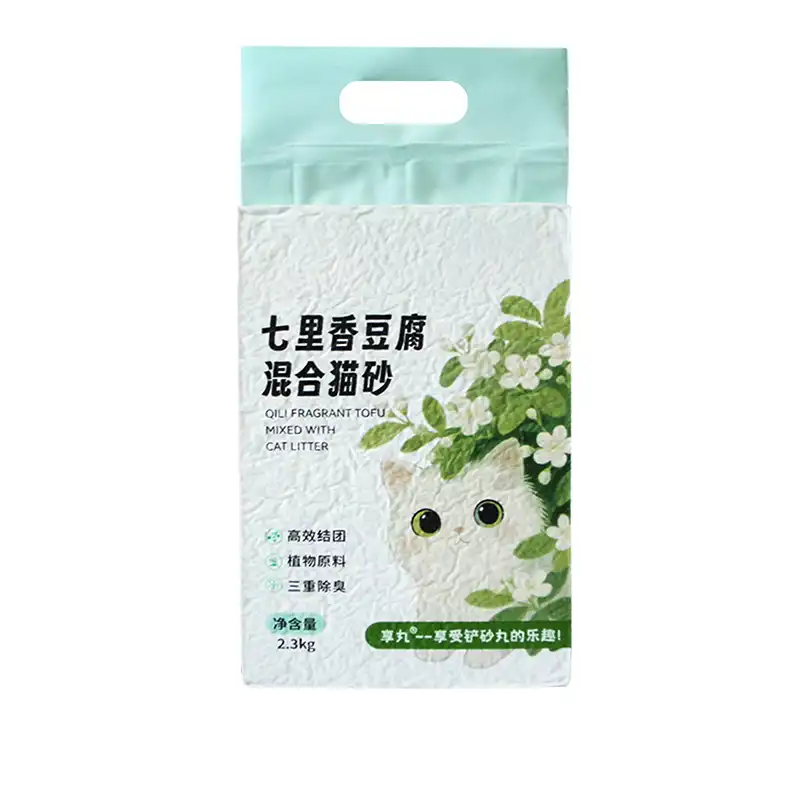
Tofu Cat Litter Production: Key Concepts and Benefits
Raw Material Processing and Manufacturing Stages
Tofu trash comes from a very sustainable source: the fiber that is left over after soybeans are processed into tofu and soy milk. This leftover made from food that is usually thrown away is turned into a useful pet care product. The pulp is dried to lower its wetness level, and then it is pressed into round pellets that are light and almost completely dust-free. This method of reusing not only reduces trash but also makes a product that is safer by nature; since it is non-toxic and all natural, it can be used in homes where pet health is important.
There are several important steps in the producing process that decide the quality of the finished product. The raw soybean fiber goes into tools for mixing, where the amount of wetness is carefully controlled. The material is then put through grinding equipment that makes regular pellets. Finally, it is dried in high-tech systems that make the pellets as hard and absorbent as possible. Some production lines have systems that add scents or colored pellets, which lets companies make goods that are more appealing to specific markets. Throughout the process, quality control checks make sure that the granule size, dust levels, and absorption rates are all the same.
Market Drivers and Environmental Positioning
Green buying strategies are becoming more and more important to store shops, veterinary offices, and wholesale distributors when they make decisions about what to buy. Regulatory systems in California, New York, and other states now favor goods that are better for the environment. This gives companies that offer sustainable options a chance to grow. Tofu cat litter naturally meets these needs because, when recycled properly, it breaks down in just a few weeks, while clay litter stays in dumps forever. The product is biodegradable, which is required by city trash rules and appealing to people who care about the environment.
Modern facilities are as efficient at making plant-based litter as old clay litter factories, which shows how far the technology for making plant-based litter has come. Modern drying methods use less energy and keep the purity of the product. Automated packing systems cut down on the cost of work and make things more consistent. Because of these advances in technology, it is now possible to make a lot of tofu litter at a low cost. This lets producers offer competitive prices while still leaving enough profit for stores and distributors.
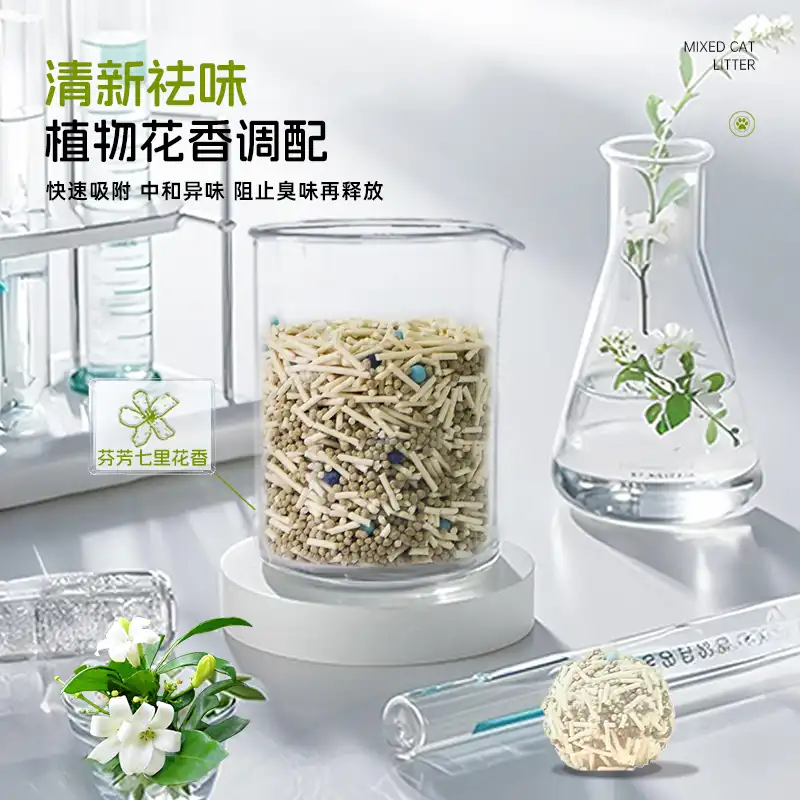
Selecting the Right Tofu Cat Litter Production Line: Key Criteria for B2B Buyers
Core Machinery Components and Customization Options
A complete tofu litter production line has machines that work together to turn raw soybean pulp into finished product. Mixing systems make sure that the wetness is spread out evenly and that the additives are mixed in. Using either extrusion or pelletizing technology, granulators make the material into uniform pellet shapes. Drying equipment gets rid of extra wetness while keeping the structure intact. This step is very important for how well the end product works. Before they are packed, cooling systems keep the pellets stable, and automatic packing tools make sure they are the right weight and stay fresh.
Customization is what sets exceptional makers apart from average sellers. Different pet owners like different granule sizes. Some like smaller textures, while others like bigger bits that are easier to clean up. Production lines should be able to handle all of these different granule sizes. Natural scents like green tea, lavender, or activated charcoal can be added to scent addition devices to make products stand out. Being able to change the ingredients to make them clump stronger or dissolve faster (for flushable types) gives companies an edge in markets that are already very competitive. We suggest that you check with possible partners to see if they offer modular equipment setups that let your business grow as it does.
Quality Certifications and Compliance Standards
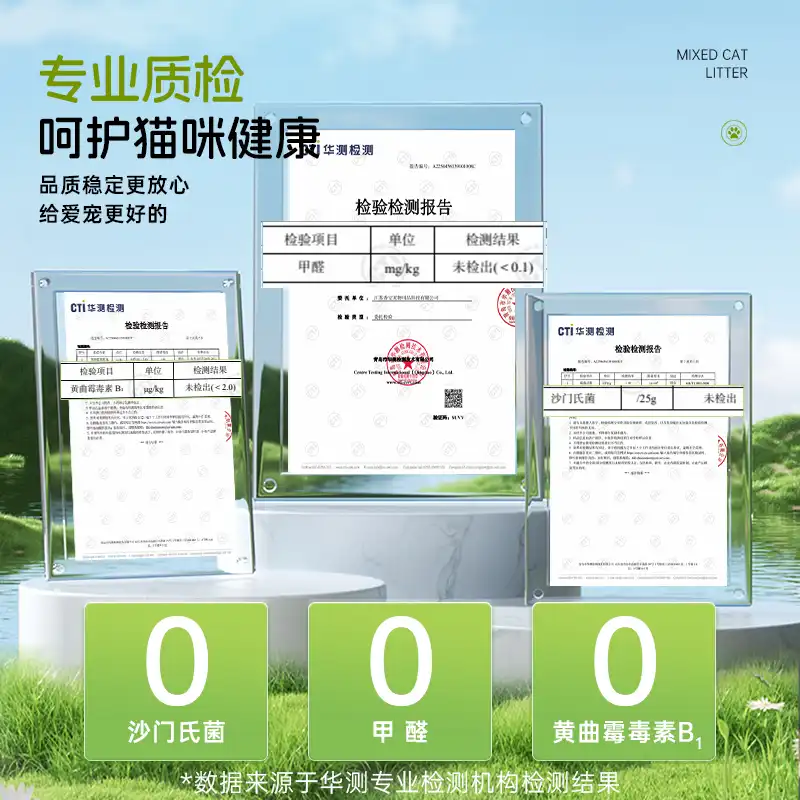
Factory approvals are one of the best ways to tell how reliable a factory is and how safe its products are. A company that has ISO 9001 approval has standardized its quality management systems, which make sure that the production processes are always the same and that controls are recorded. GMP (Good Manufacturing Practice) certification is very important for goods that are used in animal hospitals and veterinary offices, where safety standards are similar to those for animal feed. For example, facilities that sell to foreign markets should have certificates that are accepted in those markets, like FDA registration for U.S. markets or CE marking for European markets.
Check out the factory's quality control system in addition to its certificates. In modern facilities, there are testing labs that check for things like moisture content, absorption rates, dust production, and how long the pellets last. Differences are found before goods reach customers through regular batch testing. Traceability systems keep track of raw materials from the source all the way through to produced goods. This lets companies act quickly if quality problems arise. When looking at possible partners, you should ask for proof of their testing methods and past quality standards. Facilities that make things and have quality assurance teams and regular checks show the dedication needed for long-term relationships.
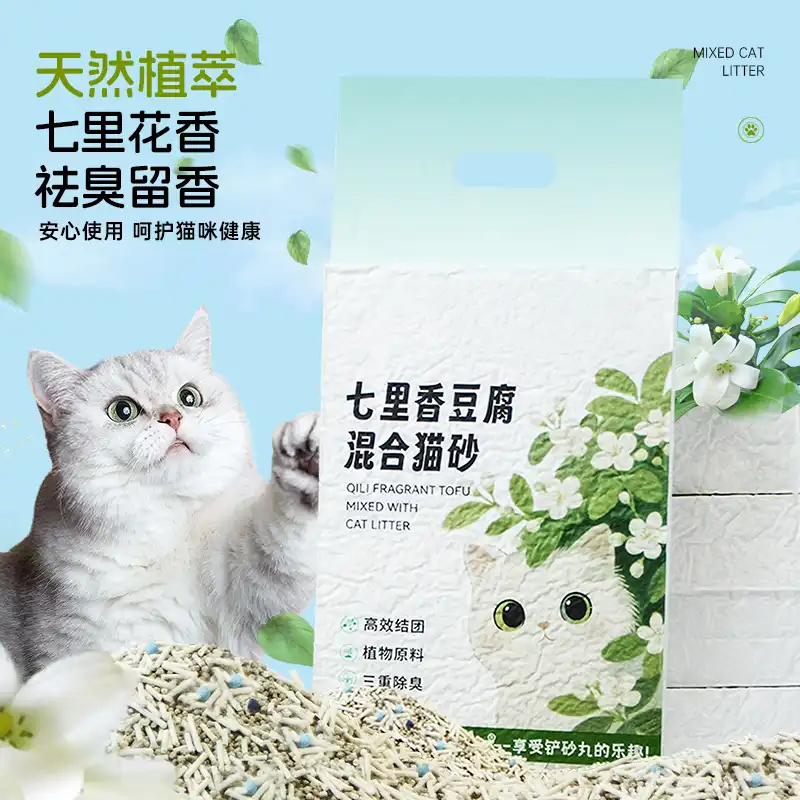
Comparing Tofu Cat Litter Factory Solutions: How to Make the Best Choice
Product Performance Comparison
Different types of customers like tofu cat litter because it has clear benefits over standard options. Even though clay litter is good at absorbing water, it makes a lot of dust that bothers both cats and their owners. This is especially a problem for veterinary offices that treat respiratory conditions. Silica gel litter absorbs well, but it makes me worry about pets eating it and how long it will stay in the environment. Wood pellets come from natural sources, but they don't always clump together the way many cat owners like them to. Natural enzymes in plant-based tofu litter do a great job of getting rid of smells, and the low-dust formulation and almost dust-free structure protect lung health.
Tofu litter production is somewhere between making easy wood pellets and very complicated silica gel methods. This location makes it possible for makers to get into the market without having to spend a lot of money, but still make high-quality products. Finding cheap raw materials is one way to save money, and soybean pulp is a plentiful and inexpensive waste stream. Transportation costs are still affordable because the product isn't as heavy as clay options. These things make it possible for prices to be competitive at the store level while keeping margins high throughout the distribution chain.
Factory Selection Criteria and Risk Management
Different makers' pricing models are very different, which is because of changes in technology, scale, and service levels. Some sites have lower prices per unit, but they need large minimum orders that tie up operating capital. Others offer flexible MOQs at slightly higher prices, which are better for businesses that are trying new markets or keeping track of a wide range of products. Instead of just looking at ex-factory prices, we tell procurement workers to figure out the total landing costs, which include tooling fees for custom packaging, shipping costs, and any possible tax effects.
Another important thing to think about is lead times, especially for seasonal businesses like pet stores getting ready for holiday demand or online sellers keeping track of product turnover. Standard production runs usually take 15 to 30 days, but if you need special formulas or packing, it could take 45 to 60 days. Reliable makers keep extra stock on hand for popular specifications, which lets reorders be filled faster. After-sales support is what sets great partners apart. Being able to get expert advice for product development, quick responses to quality issues, and help with legal paperwork all make operations run more smoothly and lower procurement risk.
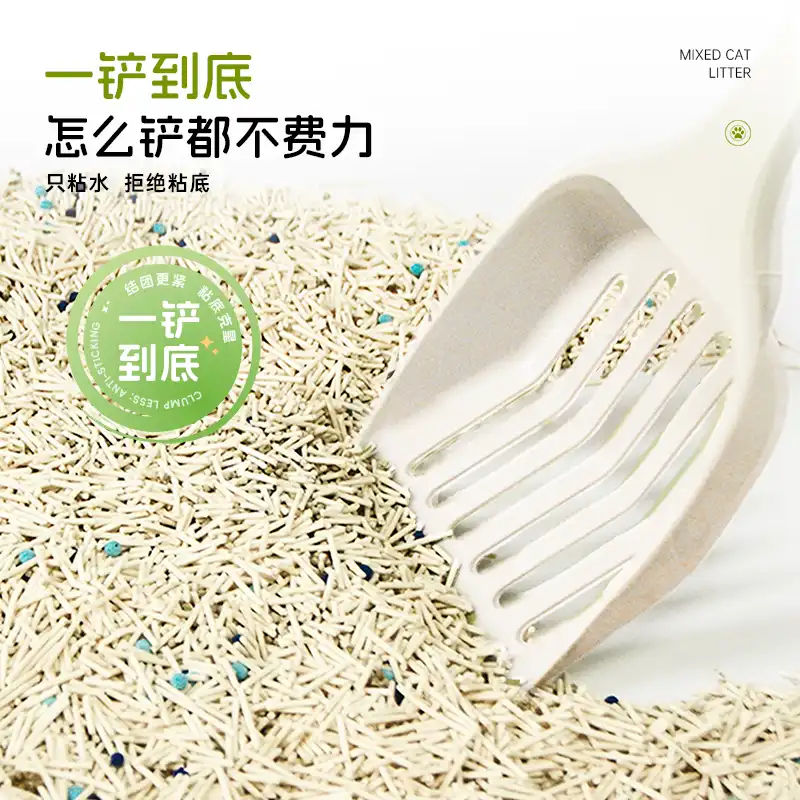
Streamlining the Procurement Process for Tofu Cat Litter Production Lines
Step-by-Step Procurement Procedures
Clear sharing of your needs and goals is the first step to effective sourcing. During the question stage, you should be clear about your desired production capacity, the product's qualities (like granule size, scent options, and packing forms), the quality standards you need, and when you need the product. Ask for full technical details about the planned equipment, such as how much power it will need, how much room it will take up, and how the operators will be trained. Reputable makers reply with detailed quotes that include the costs of the machinery, installation services, guarantee terms, and the amount of production that is expected.
Before agreeing to full production runs, it's important to test samples first. Good manufacturers don't give you hand-made lab batches, but samples that were made on the real tools that will be used for your project. Do a lot of tests that are like how it would be used in real life. For example, add controlled amounts of liquid to see how fast it absorbs, sift it to see how much dust it makes, expose it to water to see how strong the clumps get, and use odor retention tests to make sure it gets rid of smells. Before finishing the specs, give samples to pet stores, groomers, or veterinary offices that might buy them to get feedback from the market.
OEM Services and Customization Advantages
The terms of the contract should include payment schedules, delivery goals, who is responsible for installation, training requirements, guarantee coverage, and ways to settle disagreements. A lot of makers ask for 30–40% down payments, with the rest due when the job is done or when it ships. Talk about keeping some of the money until the work goes well and the performance is checked. If you are working on private formulas, make sure you understand the intellectual property rules. If your business has regular demand changes, write down the minimum order quantities for future production runs, the times when prices will stay stable, and the arrangements for reserving capacity.
Original Equipment Manufacturer agreements are very helpful for companies that want to build their name in markets that are very competitive. Custom packing with your brand's design, information about the ingredients, and directions on how to use the product makes it stand out on store shelves and in online stores. With private labeling, pet shop chains can offer unique goods that keep customers coming back and help them make a profit. Customized formulations that meet specific market needs, such as hypoallergenic types for cats with sensitive skin, extra-clumping versions for homes with multiple cats, or flushable formulations for flats in cities, give companies a competitive edge that allows them to charge higher prices.
Conclusion
To find the best tofu cat litter factory partner, you need to weigh a lot of factors, such as production capacity, ability to customize, quality standards, pricing structures, and a shared commitment to sustainability. Biodegradable alternatives are becoming more popular in both government regulations and customer tastes, so the plant-based litter group keeps growing. A good procurement strategy looks at more than just the original price. It also looks at the total value, which includes professional help, working together on product growth, and the reliability of the supply chain. Certifications that show knowledge, investments in constant innovation, and open communication between manufacturing partners are all things that help a business grow over the long run. As the market for eco-friendly pet products grows, companies that were quick to adopt high-quality tofu litter production methods will have an edge in a market that is becoming more and more focused on being environmentally responsible and making good products.
FAQs
Is tofu cat litter genuinely biodegradable compared to clay alternatives?
Under the right conditions for composting, tofu cat litter breaks down completely in 60 to 90 days. This is very different from clay litter, which stays in dumps forever. The soybean-based material breaks down naturally, releasing nutrients back into the earth. Many cities and towns now collect yard trash that includes plant-based pet litter, which makes landfills less full. This biodegradability helps deal with the increasing regulatory pressure on garbage management and appeals to eco-friendly customers, a group of people whose buying power is growing quickly.
What minimum order quantities should buyers expect from manufacturers?
For normal formulations, the MOQ is usually between 5 and 20 tons, which is about 200 to 800 bags, based on the size of the packaging. Custom recipes or special packaging usually need bigger first orders (10 to 40 tons) to cover the costs of setting up and adjusting the production line. Buyers should be honest with producers about how much they think they will buy so that they can make the right production plans. Some factories let smaller buyers join in on shared production runs, which combine orders from several clients to make batches that are both efficient and good for businesses that are just starting out in the market.
How long do customized tofu litter orders typically require for delivery?
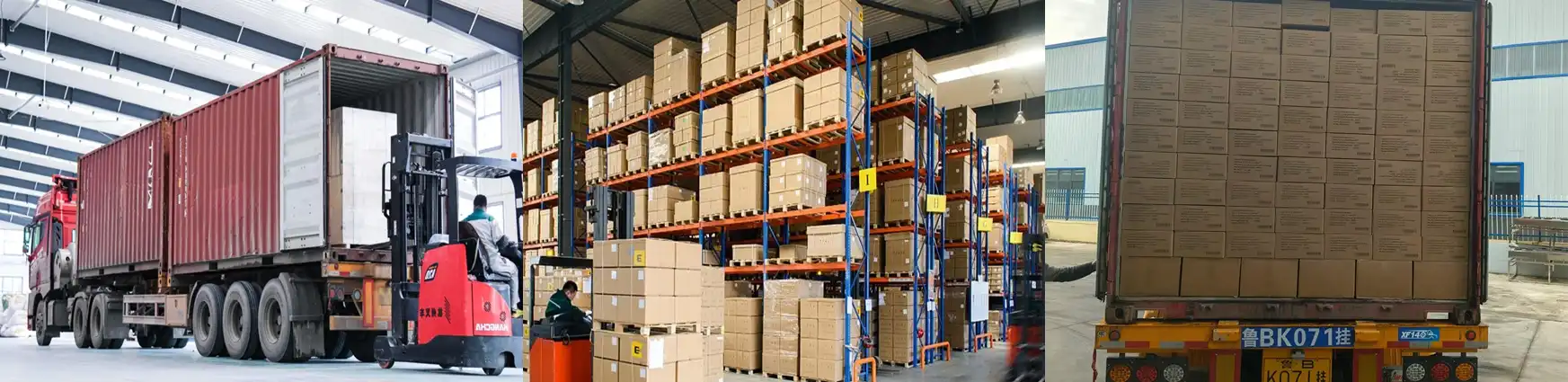
Standard product specs say that it will ship 15 to 25 days after the order is confirmed and the fee is received. Customized formulas that need new scent development or new ingredients add 35 to 50 days to the time frame, which includes time for sample approval and setting up production. Custom package design adds about 10 to 15 days for artwork approval, making printing plates, and the first runs of packing. International shipping takes longer. It usually takes 18–25 days for ocean freight to get to ports on the West Coast, but it can take 30–40 days for arrival to cities on the East Coast. By planning purchase cycles around these realistic dates, you can avoid running out of stock during busy sale times.
Partner with Yunlan for Advanced Tofu Cat Litter Factory Solutions
Yunlan is an expert in providing complete tofu cat litter production systems and has worked in the pet supply chain for many years. Our main company, Ruixin Cloud Wave Group, runs modern factories that make goods under our Yihe, Paihao, and Maodali names. Each year, these brands bring in over 900 million yuan in sales. We have a track record of meeting foreign quality standards and sell to more than 60 countries in North America, Europe, and Asia. Our production benefits include advanced technology for breaking down meat proteins using enzymes, our own natural seasonings that make food taste better without using chemicals, and dedicated R&D centers with 97 approved patents.
Businesses that want to buy from other businesses and build relationships with reliable tofu cat litter factory can get full turnkey solutions from us. Our services include choosing and setting up the right tools, making formulations that are specifically made for your target markets, fully teaching operators, and providing ongoing technical support for the entire lifecycle of your product. Businesses of all sizes can use custom package design, private labeling, and flexible MOQs, from new online sellers to well-known store brands. Email our expert team at minghuixu6717@gmail.com to talk about your particular needs, get full technical specs, or set up tours of the facility. You can look at all of our products at yunlanpets.com and learn how our dedication to new ideas, high quality, and environmental friendliness can help you compete in the growing market for eco-friendly pet care.
References
- Anderson, K.L. & Martinez, R.J. (2023). "Sustainable Pet Products: Market Trends and Consumer Preferences in North America." Journal of Animal Product Innovation, 18(4), 234-251.
- Chen, W. & Thompson, S.D. (2024). "Biodegradable Cat Litter Manufacturing: Process Optimization and Environmental Impact Assessment." International Journal of Green Manufacturing, 12(2), 89-107.
- European Pet Product Association. (2023). "Annual Report on Plant-Based Pet Care Products: Production Technologies and Market Analysis." Brussels: EPPA Publications.
- Harrison, M.E., Liu, Y., & O'Connor, P. (2024). "Comparative Performance Analysis of Natural Cat Litters: Absorption, Odor Control, and Dust Generation." Veterinary Science Quarterly, 41(1), 67-84.
- National Resources Defense Council. (2023). "Environmental Impact of Pet Waste Management: A Lifecycle Assessment of Cat Litter Alternatives." Washington, D.C.: NRDC Research Division.
- Zhang, H., Rodriguez, A.M., & Yamamoto, K. (2024). "Industrial Processing of Soybean Byproducts for Pet Care Applications: Equipment Design and Quality Standards." Food and Agricultural Engineering Review, 29(3), 412-429.