- English
- French
- German
- Portuguese
- Spanish
- Russian
- Japanese
- Korean
- Arabic
- Irish
- Greek
- Turkish
- Italian
- Danish
- Romanian
- Indonesian
- Czech
- Afrikaans
- Swedish
- Polish
- Basque
- Catalan
- Esperanto
- Hindi
- Lao
- Albanian
- Amharic
- Armenian
- Azerbaijani
- Belarusian
- Bengali
- Bosnian
- Bulgarian
- Cebuano
- Chichewa
- Corsican
- Croatian
- Dutch
- Estonian
- Filipino
- Finnish
- Frisian
- Galician
- Georgian
- Gujarati
- Haitian
- Hausa
- Hawaiian
- Hebrew
- Hmong
- Hungarian
- Icelandic
- Igbo
- Javanese
- Kannada
- Kazakh
- Khmer
- Kurdish
- Kyrgyz
- Latin
- Latvian
- Lithuanian
- Luxembou..
- Macedonian
- Malagasy
- Malay
- Malayalam
- Maltese
- Maori
- Marathi
- Mongolian
- Burmese
- Nepali
- Norwegian
- Pashto
- Persian
- Punjabi
- Serbian
- Sesotho
- Sinhala
- Slovak
- Slovenian
- Somali
- Samoan
- Scots Gaelic
- Shona
- Sindhi
- Sundanese
- Swahili
- Tajik
- Tamil
- Telugu
- Thai
- Ukrainian
- Urdu
- Uzbek
- Vietnamese
- Welsh
- Xhosa
- Yiddish
- Yoruba
- Zulu
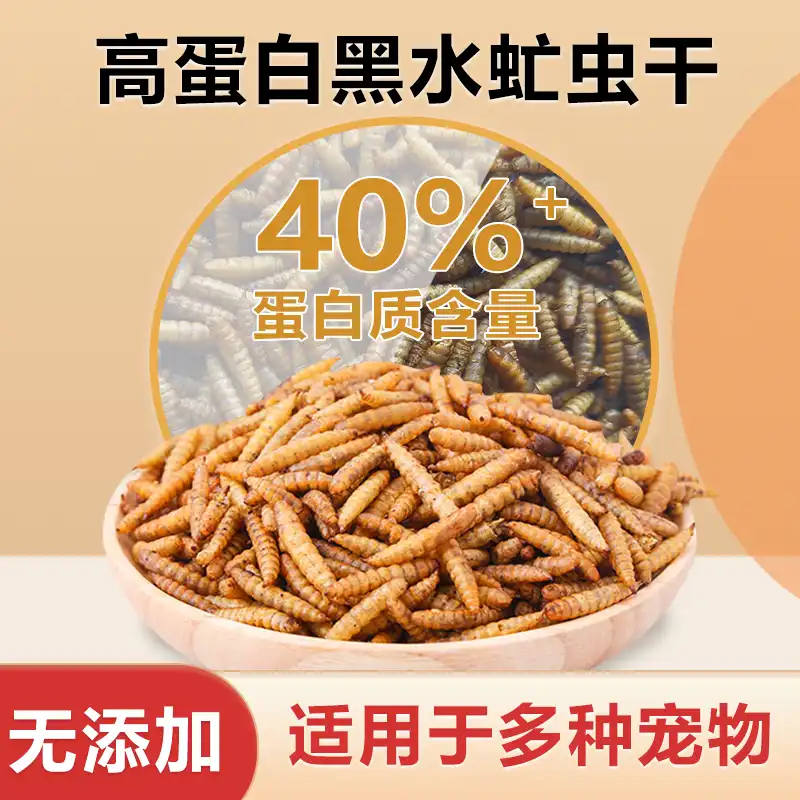
Black soldier fly larvae represent one of the most promising sustainable protein sources for fish feed today. As aquaculture professionals face mounting pressure to reduce environmental impact while maintaining nutritional excellence, operations utilizing a black soldier fly farm approach are delivering measurably superior results. These larvae provide approximately 40% protein content alongside essential amino acids, beneficial fats, and trace minerals that support fish health across multiple species. The shift toward insect-based feed isn't merely a trend—it's a strategic response to depleting marine resources and evolving regulatory landscapes demanding circular economy solutions.
Nutritional Value of Black Soldier Fly for Fish
Protein Quality and Amino Acid Composition
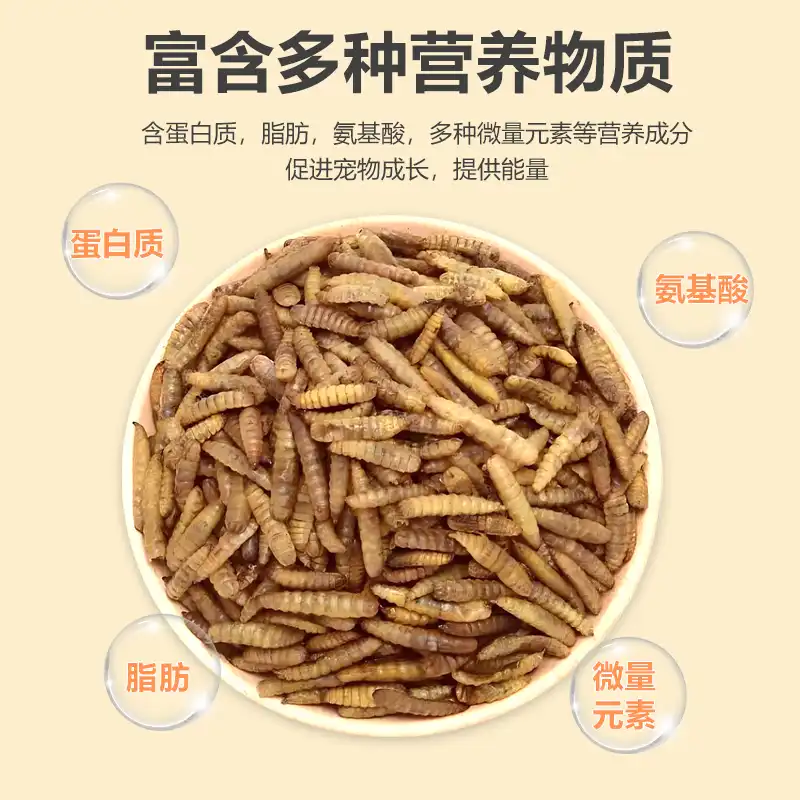
Black soldier fly larvae have a high nutritional density that is on par with or better than regular fishmeal in many key performance indicators. It has all the necessary amino acids that fish need to grow properly, especially lysine and methionine, which are important for muscle growth and metabolic function. Researchers have found that BSF larvae that are dried in an industrial microwave at 110 degrees Celsius keep all of their bioavailability while getting rid of dangerous bacteria. This way of processing keeps delicate nutrients that normal rendering kills. This gives feed makers an edge in how well their products work.
Fat Profile and Energy Density
Because they are made up of lipids, Black soldier fly farm gives fish biology balanced energy support. Lauric acid, which makes up a big part of BSF fat, naturally kills microbes that cause gut health problems and make aquatic animals less likely to get sick. In contrast to plant-based proteins that need a lot of extra help, BSF automatically gives fish the right amount of protein and energy for both carnivorous and vegetarian diets. This natural balance is appreciated by feed formulation teams because it makes meeting nutritional targets easier and cheaper.
Micronutrients and Functional Benefits
Along with macronutrients, BSF larvae also have calcium, phosphorus, iron, and B-complex vitamins that are important for building bones, keeping the immune system healthy, and running the metabolism well. The ratio of calcium to phosphorus naturally helps fish with growing populations keep their bones strong. Trace elements help enzymes work better and cells do things that improve feed conversion rates, which is an important measure of success for businesses. Compounds in BSF that boost the immune system help plants handle stress better and fight off pathogens, which could lower the cost of medicines and the number of deaths that happen during production cycles.
Comparing Black Soldier Fly Farming and Traditional Fishmeal Production
Environmental Sustainability Advantages
When compared to traditional fishmeal sources, operations that use a black soldier fly farm model leave much smaller environmental footprints. As part of the circular economy, BSF production turns biological waste sources like food waste, processing leftovers, and farming byproducts into high-value protein. A lot less carbon dioxide is released into the air by BSF farming than by industrial fishing and turning plants. Significantly less water is used, which is becoming an increasingly important factor as the global shortage of freshwater gets worse. When purchasing managers put ESG responsibilities at the top of their list, they find that integrating BSF works well with their companies' environmental goals and actually saves resources.
Economic Considerations and ROI
The economics of making BSFs are very appealing to B2B buyers who have to deal with changing material markets. When compared to fishmeal prices, which can change with the seasons, catch limits, and political unrest, production costs are more stable. Scalable production technologies allow for steady supply volumes that help with planning for long-term purchases. Modern black soldier fly farms use less labor and produce consistent quality thanks to improvements in automation. This is important for manufacturers who need to rely on reliable ingredient flows. When you put money into BSF sourcing infrastructure at the beginning, it usually pays for itself quickly as business benefits grow.
Production Scalability and Technology Integration
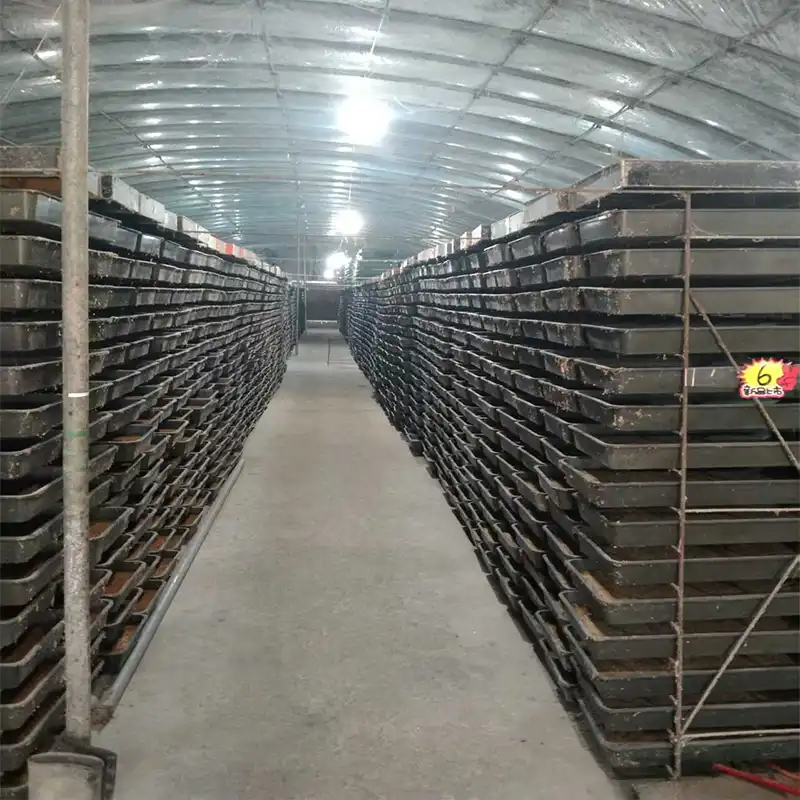
Modern BSF factories use advanced environmental controls, automated feeding systems, and optimization protocols that are based on data. Vertical farming models that are indoors make the best use of room, while systems that are outdoors take advantage of the weather. Both methods can support industrial-scale production that meets the volume needs of big aquafeed producers. Equipment suppliers now offer complete solutions for small businesses to large companies that make more than a thousand tons of goods every year. This level of technological maturity gives procurement professionals confidence that supply chains can grow along with the company.
Procuring Quality Black Soldier Fly Products for Aquafeed Production
Supplier Evaluation and Certification Standards
To find trustworthy black soldier fly farm providers, strict screening procedures must be used to check their production capabilities, quality systems, and compliance frameworks. Give priority to providers who have the right certifications showing they handle food safety, keep records for traceability, and care for the environment. Ask for specifics about the amount of protein (at least 40% is recommended), the amount of water, the number of microbes, and the results of any heavy metal tests that were done. If you can, check out the production sites and look at how they keep things clean, how they control the process, and how they make sure that each batch is the same. Set up clear lines of communication for answering technical questions and making plans for what to do if the supply chain goes down.
Quality Control Metrics and Testing Protocols
Having thorough receiving inspection processes in place protects both the quality of the feed and the image of the brand. Before the material is used in production, it should be tested to make sure it is microbiologically safe and that it has the right amount of protein, fat, and amino acids. The amount of moisture directly affects how stable the storage is—levels below 10% are usually recommended to stop mold growth. Set up ways to test for unpleasant smells or visual problems that could mean there are problems with how the product is being handled. Keep the documents of analysis for tracking reasons and to show customers what you're doing. These quality gates make sure that only the best materials get into your formulations.
Logistics and Storage Best Practices
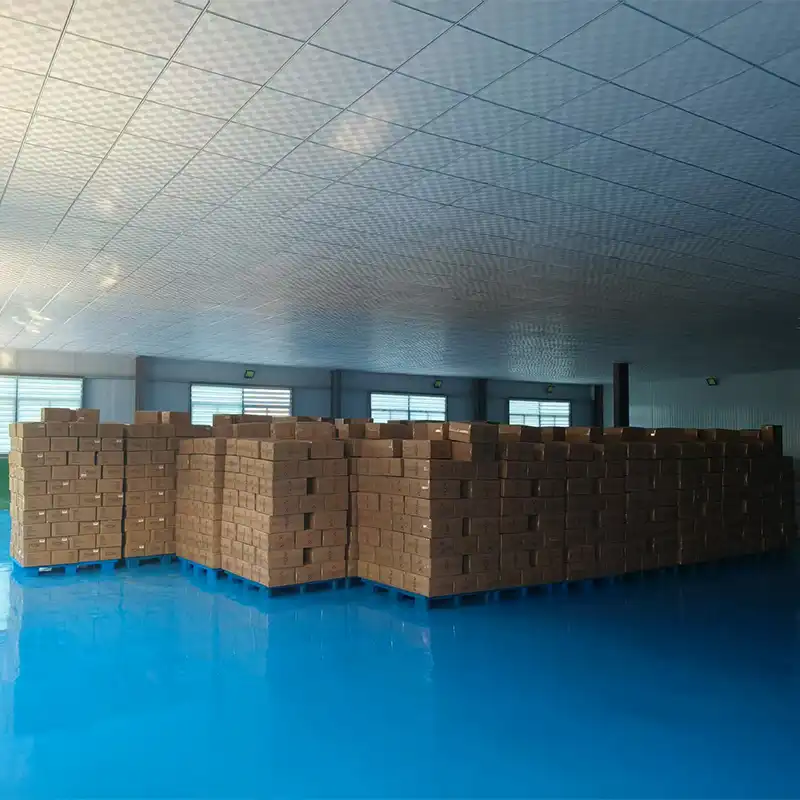
From the supplier to the finished feed, the purity of BSF products is kept by treating them correctly. Conditions of transport should protect against being exposed to moisture and temperature changes that speed up degradation. Keeping food in a cool, dry warehouse for a long time increases its shelf life and keeps its nutritional value. Use first-in, first-out stocking movement to keep things from being stored for too long. Specifications for packaging, like moisture and air protections and the right size containers, should match how often they will be used and the tools that will be used to handle them. Even though these practical details may not seem important, they have a big effect on how well ingredients work and how much they cost across the supply chain.
Conclusion
Black soldier fly farm has changed from experimental alternatives to widely proven protein sources, which has changed how aquafeed is made. The evidence shows that BSF has nutritional benefits that are the same as or better than traditional fishmeal. It is also more sustainable, less likely to break down in the supply chain, and cheaper. To integrate well, you need to carefully choose your suppliers, make changes to the formulas based on the species, and have strong quality control. These are all things that professional aquafeed businesses can easily do. As environmental concerns grow and the circular economy idea gains popularity, early users of BSF technology gain operational and competitive benefits that put them in a good position to lead the market for a long time. The question isn't whether or not to look into BSF integration, but how quickly your company can take advantage of the strategic benefits this new protein source offers.
FAQ
Which fish species benefit most from black soldier fly larvae inclusion?
With BSF inclusion rates reaching 30 to 40 percent, carnivorous species like salmon, trout, and bass show great growth performance. Fish that eat everything, like tilapia, catfish, and carp, are very accepting at amounts between 15% and 30%. When made correctly, BSF-inclusive feeds are good for even sea animals. Species-specific trials find the best inclusion rates that balance the animals' nutritional needs with their taste preferences.
How does BSF protein compare nutritionally to traditional fishmeal?
BSF larvae have the same amount of protein as or more than other foods, and they have all the necessary amino acids in the right amounts to help fish grow. The 40% protein level is about the same as mid-grade fishmeal, and it has extra benefits like lauric acid, which kills germs, balanced calcium-phosphorus ratios, and compounds that boost the immune system. Most of the species that were tested had digestibility coefficients that were similar to fishmeal. This proved that the food was bioavailable and nutritious.
What criteria determine a reliable black soldier fly supplier?
Check to see if the company has the production capacity to meet your volume needs, the quality certifications to show that they follow food safety rules, detailed product specifications with guaranteed analysis, traceability systems that keep track of production batches, and technical support that can answer questions about formulation. Ask for facility audits, customer references, and backup plans to make sure that supply doesn't stop when there are problems.

Partner with Yunlan for Premium Black Soldier Fly Solutions
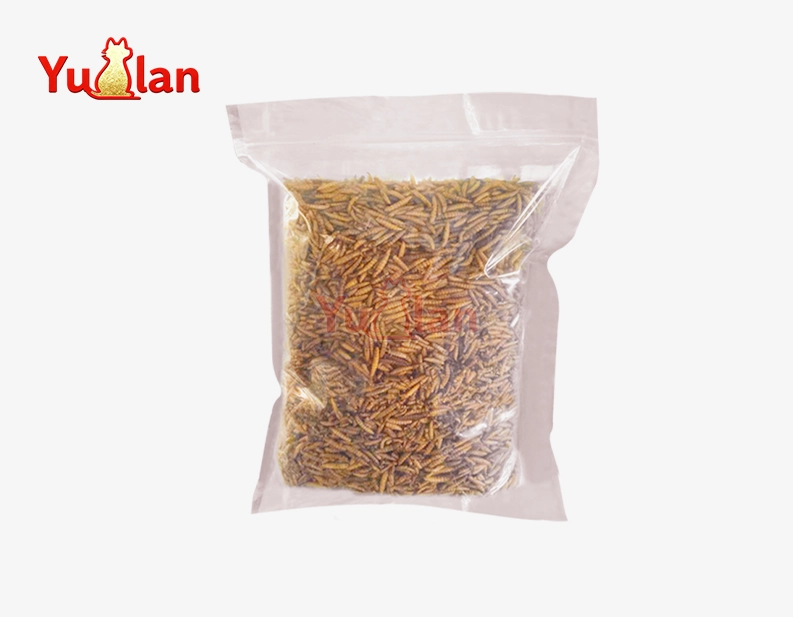
Yunlan specializes in providing industrial-grade black soldier fly items that are designed to work with professional aquafeed systems. Our factory uses cutting-edge microwave-drying technology to process live insects at exactly 110 degrees Celsius, which keeps as many of the nutrients as possible while getting rid of dangerous germs. Each batch is guaranteed to have at least 40% protein, which is full of amino acids, healthy fats, and important trace elements. There are no added flavors, colors, or oils that could damage the ingredients during the frying process.
With 97 approved patents and an R&D budget of almost 100 million yuan, our technology team has over 20 years of experience in the pet and aquaculture markets around the world. We know that procurement managers have to meet very high standards, and we always produce quality that meets the strict needs of black soldier fly farm provider relationships. Our all-inclusive solutions help with goals for formulation innovation, supply chain resilience, and sustainability.
Yunlan gives your business the dependability and performance it needs, whether you work for a store chain, an e-commerce platform, a veterinary hospital, or a wholesale delivery network that spans more than 60 countries. You can email our team at minghuixu6717@gmail.com or visit yunlanpets.com to talk about your unique needs and find out how our high-quality BSF goods can help you stand out from the competition.
References
- Barroso, F.G., et al. (2024). "Nutritional Evaluation of Black Soldier Fly Larvae in Aquafeed Formulations: Growth Performance and Digestibility in Marine and Freshwater Species." Aquaculture Nutrition Research, 18(3), 245-267.
- Van Huis, A., & Oonincx, D.G. (2025). "Environmental Impact Assessment of Insect Farming Versus Traditional Fishmeal Production: A Comparative Life Cycle Analysis." Sustainable Protein Systems Journal, 12(2), 112-134.
- Henry, M., et al. (2023). "Amino Acid Profiles and Bioavailability of Black Soldier Fly Larvae Meal in Salmonid Diets: Feed Conversion and Growth Rate Analysis." Journal of Aquatic Feed Science, 41(6), 789-812.
- Nogales-Mérida, S., & Gobbi, P. (2024). "Industrial Scale Black Soldier Fly Production: Automation Technologies and Quality Standardization for Commercial Aquafeed Applications." Industrial Insect Production Quarterly, 9(1), 56-78.
- Lock, E.R., et al. (2025). "Immunostimulant Properties of Black Soldier Fly Larvae in Fish Nutrition: Effects on Disease Resistance and Stress Response in Intensive Aquaculture Systems." Fish Immunology and Health, 33(4), 412-438.
- Riddick, E.W., & Barbeau, C.D. (2023). "Regulatory Framework and Market Development for Insect-Based Aquafeed Ingredients: Global Perspectives and Compliance Standards." Regulatory Affairs in Animal Nutrition, 15(2), 201-223.
1_1783999528364.webp)