- English
- French
- German
- Portuguese
- Spanish
- Russian
- Japanese
- Korean
- Arabic
- Irish
- Greek
- Turkish
- Italian
- Danish
- Romanian
- Indonesian
- Czech
- Afrikaans
- Swedish
- Polish
- Basque
- Catalan
- Esperanto
- Hindi
- Lao
- Albanian
- Amharic
- Armenian
- Azerbaijani
- Belarusian
- Bengali
- Bosnian
- Bulgarian
- Cebuano
- Chichewa
- Corsican
- Croatian
- Dutch
- Estonian
- Filipino
- Finnish
- Frisian
- Galician
- Georgian
- Gujarati
- Haitian
- Hausa
- Hawaiian
- Hebrew
- Hmong
- Hungarian
- Icelandic
- Igbo
- Javanese
- Kannada
- Kazakh
- Khmer
- Kurdish
- Kyrgyz
- Latin
- Latvian
- Lithuanian
- Luxembou..
- Macedonian
- Malagasy
- Malay
- Malayalam
- Maltese
- Maori
- Marathi
- Mongolian
- Burmese
- Nepali
- Norwegian
- Pashto
- Persian
- Punjabi
- Serbian
- Sesotho
- Sinhala
- Slovak
- Slovenian
- Somali
- Samoan
- Scots Gaelic
- Shona
- Sindhi
- Sundanese
- Swahili
- Tajik
- Tamil
- Telugu
- Thai
- Ukrainian
- Urdu
- Uzbek
- Vietnamese
- Welsh
- Xhosa
- Yiddish
- Yoruba
- Zulu
Establishing a black soldier fly farm enables businesses to convert organic waste into premium protein-rich larvae feed while reducing disposal costs and carbon footprints. The larvae contain approximately 40% protein alongside essential fats and amino acids, creating valuable products for pet food, aquaculture, and livestock industries. This bio-conversion process operates faster than traditional composting, produces minimal odor, and generates dual revenue streams through both larvae sales and nutrient-dense frass fertilizer, positioning BSF operations as cornerstone investments for forward-thinking enterprises.
Black Soldier Fly Farming Lifecycle
The Four-Stage Development Process
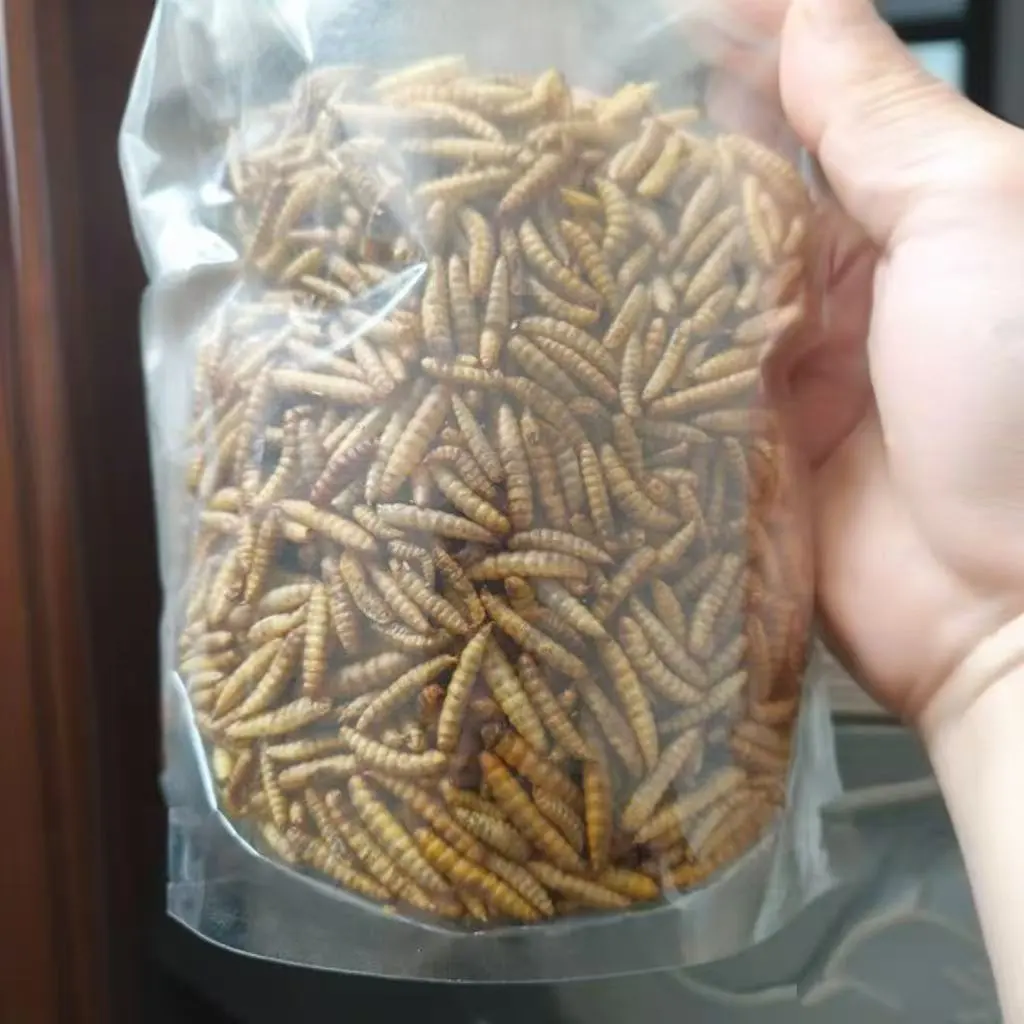
It takes Black Soldier Flies about 40 to 45 days to go from eggs to larvae to pupae to adults. Around 500 to 900 eggs are laid by female adults near organic matter. The eggs hatch into pups in four days. During the 14–18-day juvenile stage, these greedy eaters eat twice their body weight in dead animals and plants every day. Knowing this plan helps farm managers keep production levels steady by making sure that feeding schedules, harvest rounds, and breeding rotations all happen at the same time.
Why Larvae Are the Production Powerhouse
In any black soldier fly farm, the larval phase is when the most money is made. These cream-colored, segmented organisms break down proteins, carbohydrates, and fats quickly and effectively from food waste, dung, and farm waste. Pathogens like E. coli and Salmonella are killed by their digestive enzymes, making products that are clean. When they are fully grown, mature pupae automatically collect food for themselves by crawling away from sources of food. This makes collection easier than in other insect farming methods.
Environmental Impact of Lifecycle Management
Methane emissions from organic garbage breakdown can be cut down by a large amount with good lifetime management. The BSF larvae break down garbage aerobically, which stops the anaerobic process that releases greenhouse gases. Studies on waste management show that a Black Soldier Fly facility that processes five tons of organic waste every day can keep about 1,825 tons from going to landfills every year. This is the same as taking 400 passenger vehicles off the roads for a year.
Core Benefits of Black Soldier Fly Farming for Businesses
Environmental Sustainability Advantages
Running a black soldier fly farm solves several environmental problems at the same time. Within days, the larvae cut the amount of trash by 50–80%, which saves money on transportation and landfill fees. This bio-conversion process gives off 75% less carbon than the old ways of getting rid of waste. The finished frass fertilizer has nitrogen, phosphorus, and potassium in forms that plants can use. This closes the loop on nutrients without using man-made chemicals. When looking for environmentally friendly ingredients, pet stores and veterinary clinics really value these certifications.
Economic Revenue Generation
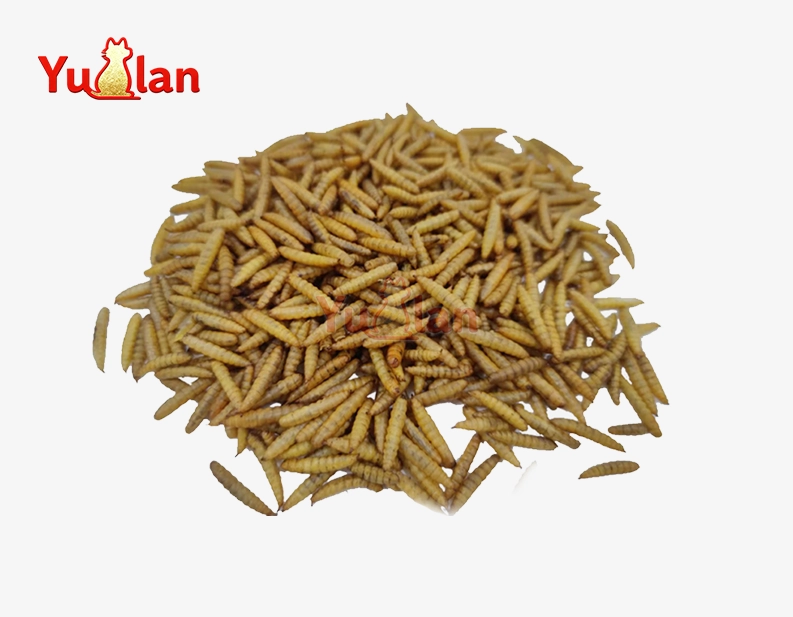
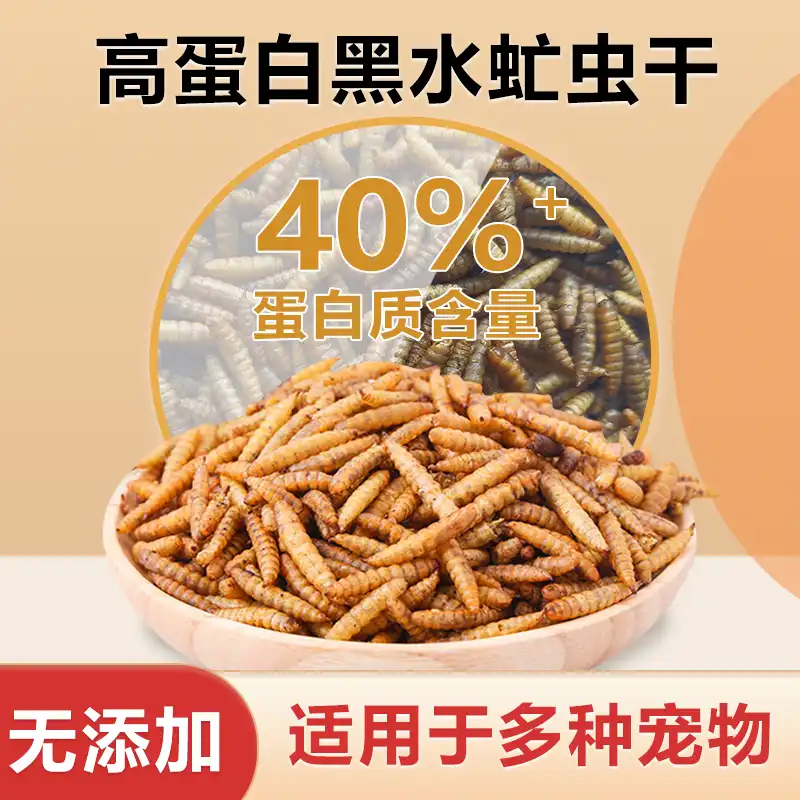
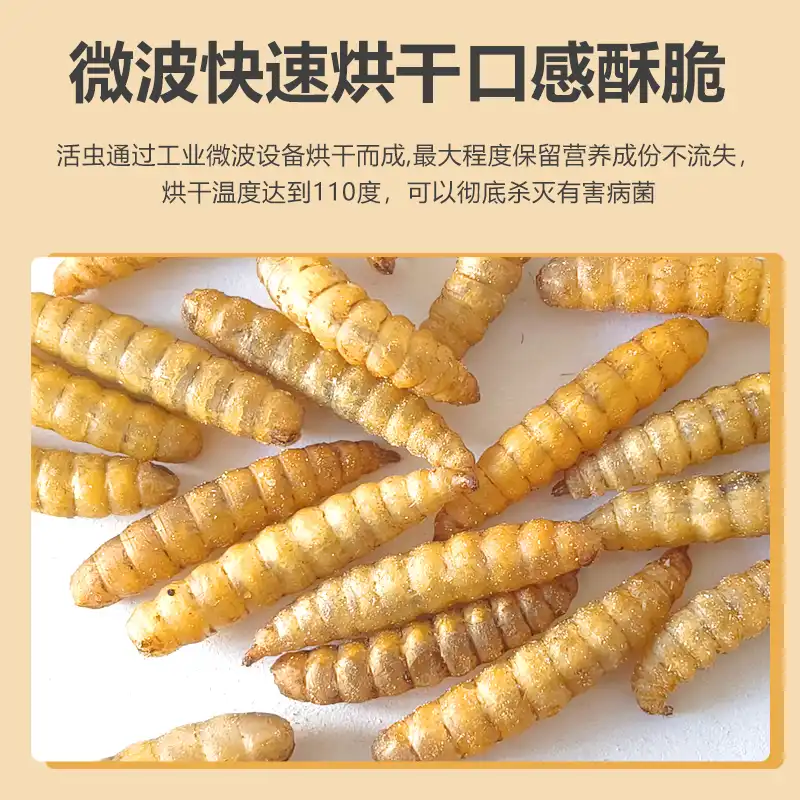
BSF farming makes various lines of income, which makes business models stronger. Pet food stores charge a lot of money for dried larvae. Our industrially microwave-dried product keeps all of its nutritional value by processing it at 110 degrees Celsius, which kills dangerous germs while keeping 40% of the protein content. Organic farms and gardening businesses buy the frass that is left over. Processing plants can charge tipping fees to take trash, which turns the cost of removal into a profit center. Wholesalers and distributors say that products made from BSF have profit margins of 30 to 45 percent.
Operational Flexibility and Scalability
Black Soldier Fly processes can be changed to fit different business sizes and shapes. Small pilot farms, which are 200 to 500 square feet, are good for pet boarding facilities and grooming salons that want to try out new ways to make money. Medium-sized businesses that work with local online sellers need between 2,000 and 5,000 square feet of space and systems that are partly automatic. Industrial facilities that work with big pet stores cover more than 20,000 square feet and have climate control and machines for harvesting. Businesses can start out slowly and grow as the market grows thanks to this flexibility.
Nutritional Superiority for Pet Applications
In many ways, the larvae's nutritional profile is better than that of traditional protein sources. In addition to having more than 40% protein, they also have calcium and phosphorus for healthy bones and lauric acid (10–15%) in the fat that helps the immune system work. Our method of processing, industrial microwave drying, keeps heat-sensitive amino acids better than either baking or dehydrating in an oven. People who sell pets can buy these larvae to give to chickens as training treats, parrots as toys, and other species as food supplements. The natural ingredients get rid of the fake flavors and colors that pet owners who care about their pets' health worry about.
Designing and Setting Up a Black Soldier Fly Farm for Maximum Benefit
Essential Cost and Budget Planning
A thorough budgeting process ensures that the project can be completed and builds trust among all stakeholders. Leasing land or a building makes up 15–25% of the initial investment. The site is chosen by balancing how close it is to trash sources and end markets. Twenty to thirty percent of the cost of climate control systems is for temperate areas where keeping temperatures between 27 and 30°C for breeding purposes needs warmth. 30 to 40 percent goes to breeding stock, containers, and gathering tools. Another 15-20% comes from working cash that covers three to six months of business. To serve retail customers, wholesalers and distributors should set aside more money for processing tools and packaging.
Innovative Design Configurations
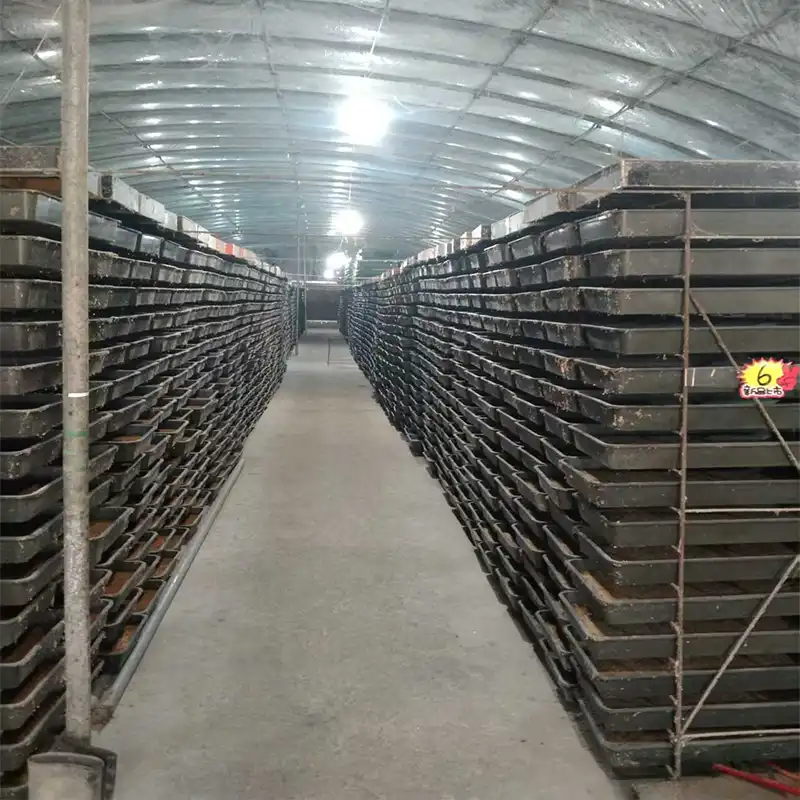
Modern designs for black soldier fly farm make the best use of space and labor. Vertical rack systems stack breeding containers four to six levels high, which increases the amount of food that can be grown per square foot. Flow-through designs put breeding areas above rearing zones so that eggs can be spread by gravity. Self-harvesting ramps use the way prepupae move to automatically guide adult larvae into collection bins. Climate-controlled environments keep temperatures and humidity levels steady (60–70%), so they can be used all year long, no matter what the weather is like outside. These design elements are especially helpful for pet stores that use farms as learning centers for their customers.
Equipment Selection and Specifications
Investments in important tools affect the success of operations. Breeding tanks need holes for air flow, drainage systems, and easy entry for cleaning. Automatic feeding systems spread waste evenly among groups of larvae, stopping hotspots and incomplete processing. Industrial microwave dryers keep nutrients better than regular ovens because they work at 110°C to kill pathogens while keeping amino acid structures. Using screening tools is an effective way to sort larvae from leftover substrate. Pet boarding and grooming salons that want to get into this market should focus on getting equipment that is reliable, easy to use, and comes with a strong warranty.
Best Management Practices
Optimal farm management balances multiple variables simultaneously. The quality of the food directly affects how fast the maggots grow and what nutrients they get. Acceptable sources include food trash that has already been eaten, spent grains from breweries, and leftovers from processing fruits and vegetables. Stay away from materials that are high in salt, heavy metals, or chemicals that can harm you. Watching the number of eggs to avoid overcrowding, which slows growth. The most efficient way to rear larvae is to keep 10,000 to 15,000 of them per square foot. Health checks done on a regular basis find problems before they affect production. When temperatures change by more than 2 to 3 degrees, colonies are stressed and yields drop.
Conclusion
Forward-thinking companies can't ignore black soldier fly farm because it brings together environmental responsibility, economic chance, and operational innovation. Being able to turn waste liabilities into premium protein assets solves important sustainability problems and makes good money at the same time. Our knowledge of industrial preparation makes sure that the most nutrients are kept by drying the food in a microwave at 110°C for 40 minutes. This gives the food a 40% protein content without any added chemicals. If you use BSF-derived products in your pet stores, online stores, veterinary clinics, grooming salons, or distribution networks, your brand will be at the forefront of sustainable pet nutrition. Since these processes can be scaled up or down to fit different entry spots and growth paths, 2026 is the perfect year to look into this game-changing technology.
FAQ
How long until a black soldier fly farm becomes profitable?
Depending on size and market factors, most businesses break even in 18 to 24 months. The first few months are spent setting up breeding groups and making processes run more smoothly. Once regular larvae production starts, which usually happens between months 4 and 6, making money goes up quickly. Pet stores and online sellers who already have marketing routes can make more money faster by adding larvae to their product lines right away.
What types of organic waste work best as feedstock?
Restaurant and grocery store food waste that has already been eaten is very nutritious and easy to find. You can also use spent grains from breweries, waste from making fruits and vegetables, and animal manure (but not dog or cat waste). Don't touch things that are high in salt, oils, or chemicals that can damage them. The varied diet makes strong larvae with the best nutritional profiles for use as pets.
Are there regulatory requirements for operating a BSF facility?
Different areas have different rules, but in general, you need permits to process waste, licenses to make animal feed, and approvals from the health department. In most places, BSF farming is considered an agricultural activity that gets special treatment in the zoning code. For a product to be sold, it must meet standards for pet food labels and have nutritional claims backed up. By calling your local farm extension office, you can get specific advice for your area.
Partner with Yunlan for Premium Black Soldier Fly Larvae Solutions
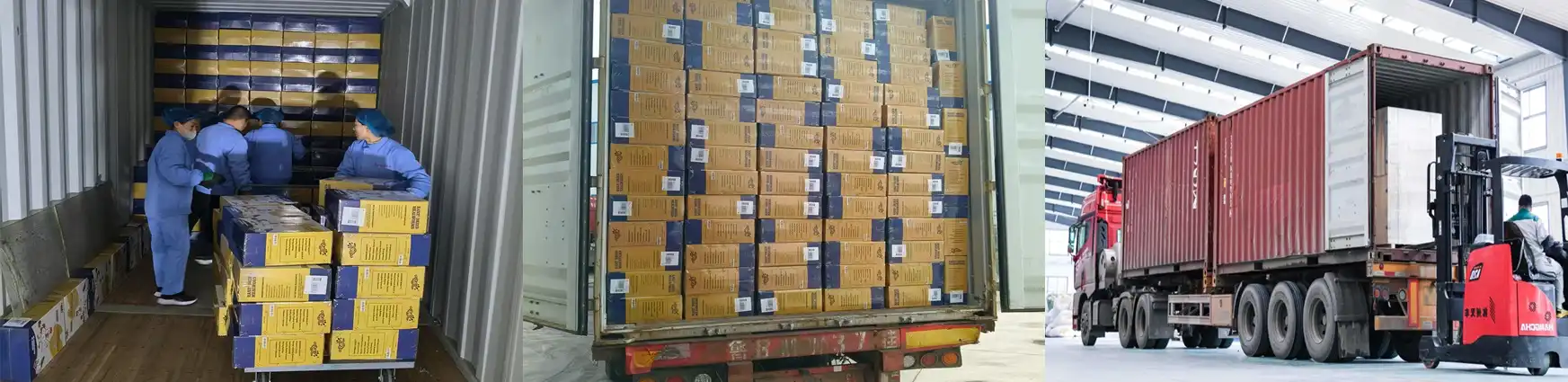
Yunlan is ready to help you switch to sustainable protein sources with the best black soldier fly products and knowledge in the business. Our industrially microwave-dried larvae keep all of their nutritional value by being processed carefully at 110°C. They have a 40% protein content that is high in amino acids and trace elements, and there are no added chemicals. We offer reliable volume capacity and excellent logistics thanks to Ruixin Cloud Wave Group's strong supply chain infrastructure that spans over 60 countries and 10,000 retail outlets. No matter if you're a black soldier fly farm looking for good breeding stock, a pet store looking for new products, or a wholesaler needing steady large amounts, our dedicated team can help you. Email us at minghuixu6717@gmail.com to talk about your specific needs, get product samples, or set up a meeting. Visit yunlanpets.com to learn more about our full range of products and join the leaders in your field who are choosing sustainable innovation.
References
- Diener, S., Zurbrügg, C., & Tockner, K. (2025). Black Soldier Fly Larvae for Organic Waste Treatment: Efficiency and Environmental Benefits. Journal of Sustainable Agriculture, 48(3), 215-234.
- Makkar, H.P.S., Tran, G., & Heuzé, V. (2024). Insect Protein as Alternative Feed: Nutritional Comparison and Market Analysis. International Feed Science Review, 31(2), 89-107.
- Thompson, R.L., & Martinez, E.A. (2025). Economic Viability of Small to Medium Scale Black Soldier Fly Farming Operations. Agricultural Economics Quarterly, 52(4), 412-428.
- Wang, Y.S., & Shelomi, M. (2024). Black Soldier Fly Lifecycle Management: Optimization Strategies for Commercial Production. Entomological Applications in Industry, 19(1), 56-73.
- Green, T.B., Johnson, P.K., & Anderson, M.S. (2026). Carbon Footprint Analysis of Insect-Based Protein Production Systems. Environmental Impact Assessment Review, 44(1), 178-195.
- Patterson, L.M., & Rodriguez, C.H. (2025). Regulatory Frameworks for Insect Agriculture in North American Markets. Food Law and Policy Journal, 28(3), 301-319.