- English
- French
- German
- Portuguese
- Spanish
- Russian
- Japanese
- Korean
- Arabic
- Irish
- Greek
- Turkish
- Italian
- Danish
- Romanian
- Indonesian
- Czech
- Afrikaans
- Swedish
- Polish
- Basque
- Catalan
- Esperanto
- Hindi
- Lao
- Albanian
- Amharic
- Armenian
- Azerbaijani
- Belarusian
- Bengali
- Bosnian
- Bulgarian
- Cebuano
- Chichewa
- Corsican
- Croatian
- Dutch
- Estonian
- Filipino
- Finnish
- Frisian
- Galician
- Georgian
- Gujarati
- Haitian
- Hausa
- Hawaiian
- Hebrew
- Hmong
- Hungarian
- Icelandic
- Igbo
- Javanese
- Kannada
- Kazakh
- Khmer
- Kurdish
- Kyrgyz
- Latin
- Latvian
- Lithuanian
- Luxembou..
- Macedonian
- Malagasy
- Malay
- Malayalam
- Maltese
- Maori
- Marathi
- Mongolian
- Burmese
- Nepali
- Norwegian
- Pashto
- Persian
- Punjabi
- Serbian
- Sesotho
- Sinhala
- Slovak
- Slovenian
- Somali
- Samoan
- Scots Gaelic
- Shona
- Sindhi
- Sundanese
- Swahili
- Tajik
- Tamil
- Telugu
- Thai
- Ukrainian
- Urdu
- Uzbek
- Vietnamese
- Welsh
- Xhosa
- Yiddish
- Yoruba
- Zulu
Safety is the most important thing to think about when choosing furniture for your most vulnerable cat customers. Cassava cat litter has become a popular plant-based substitute for standard litters because it handles many of the issues they cause. This recyclable choice is mostly made of cassava root starch, but it is also sometimes mixed with corn starch and baking soda. It quickly clumps together and doesn't make a lot of dust. The short answer is yes, as long as it is made correctly and comes from a reliable source, cassava cat litter is safe for both babies and older cats. But procurement pros need to know about the finer points of product quality, handling standards, and screening suppliers to make sure that these age groups are as safe as possible.
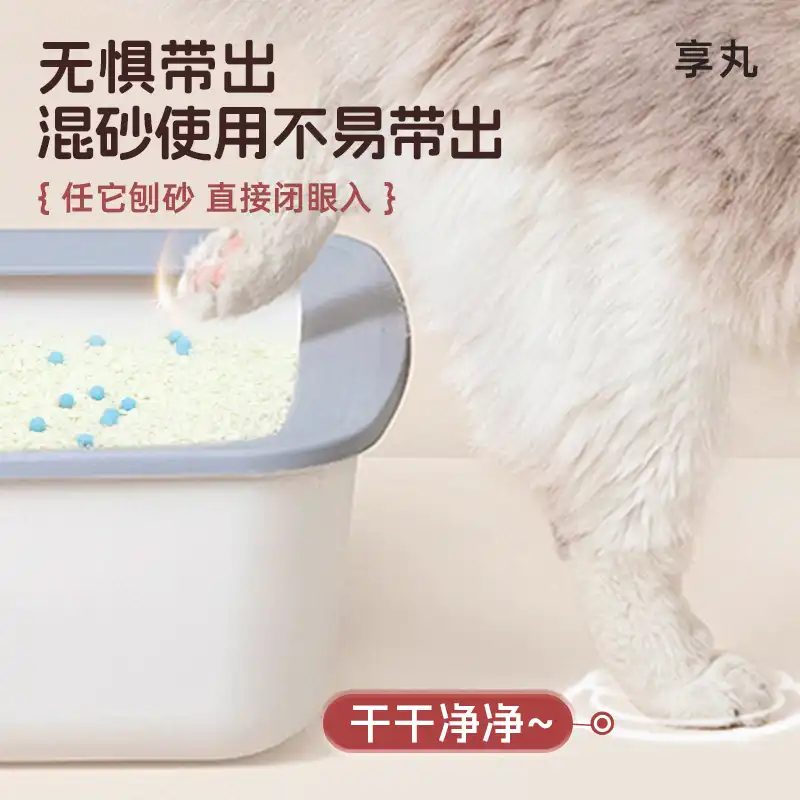
What is Cassava Cat Litter and How Does It Work?
Composition and Core Ingredients
Plant-based litter made from cassava root is a big step forward in environmentally friendly pet care goods. The main ingredient, cassava starch, has a chemical structure that makes it very good at absorbing water. A lot of companies improve the recipe by adding natural deodorizers like baking soda and starches from corn or wheat that work well together. When you put these two things together, they work together to improve both useful success and environmental responsibility.
The process of making it turns raw cassava into small, soft granules that are gentle on sensitive paw pads. Instead of the rough feel of regular clay substrates, cassava-based products are a nice option that is good for kittens with sensitive skin and older cats with arthritis or joint pain. Biodegradable materials like these meet the rising demand for pet items that are good for the environment.
Natural Absorption and Odor Control Mechanism
The science behind why cassava cat litter works is that it is mostly made up of starch. When water touches the grains, the starch molecules quickly soak up the water and grow, quickly clumping together. This quick clumping action solves the common problem of litter sticking to the bottom of boxes, which means that pet owners and facility managers don't have to clean them as often.
Managing smells can happen in a number of ways. Instead of just covering up smells with fragrances, the baking soda neutralizes ammonia and other smell-causing chemicals chemically. Also, the fast absorption of wetness stops bacteria from growing by getting rid of the damp conditions that cause smells to form. As the day goes on, the clumps stay hard and are easy to scoop, keeping the area clean with little work.
Environmental Advantages for Sustainability-Conscious Markets
Cassava is a natural resource that has a much smaller impact on the environment than options like strip-mined clay. The plant grows quickly in warm areas, doesn't need many chemicals, and grows back quickly after being picked. When thrown away properly, cassava cat litter breaks down naturally, which is good for the environment and helps circular economy efforts.
Carbon impact research shows that there are big benefits all along the supply chain. Transportation costs go down because they are lighter than clay goods, and eco-friendly sellers offer biodegradable packaging choices that make even less of an impact on the earth. These things are very important to stores, veterinary offices, and grooming salons that want to improve their green credentials.
Safety Considerations of Cassava Cat Litter for Kittens and Older Cats
Non-Toxicity and Ingredient Transparency
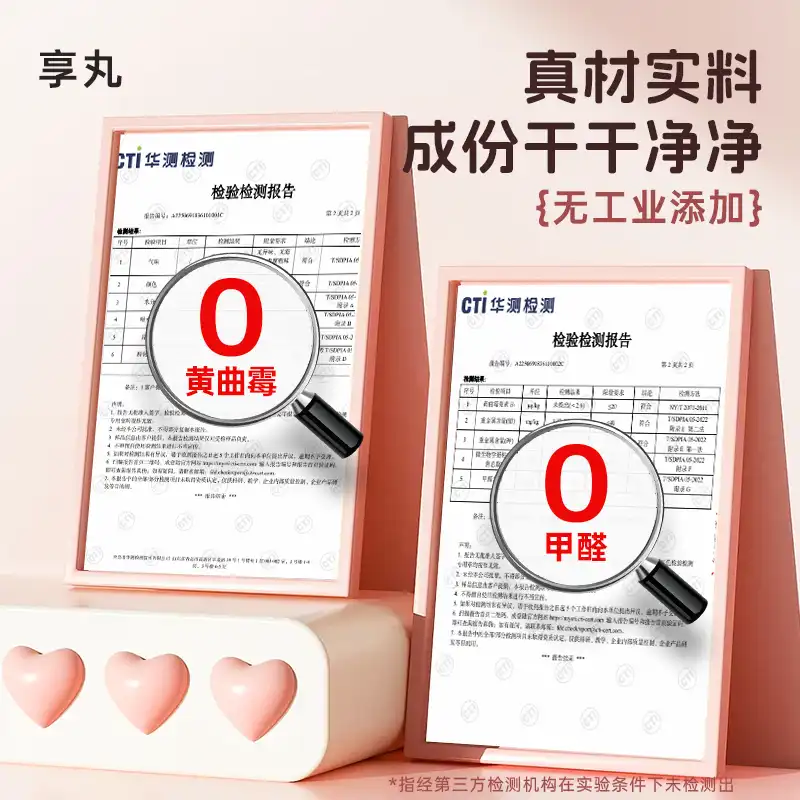
Cassava is processed by reputable companies using heat and enzymes to get rid of naturally present cyanogenic glycosides. These are substances that could release hydrogen cyanide if eaten raw. Quality control procedures at well-known sites make sure that these compounds are lowered to very low amounts that are not harmful. Teams in charge of buying things should make sure that sellers show proof that they follow correct handling standards and show the results of third-party safety tests.
The problem is that the market changes all the time. Some makers don't always check the quality of their products, and cassava that hasn't been processed properly may still have small amounts of these chemicals in it. This shows how very important it is for suppliers to check out makers who put safety first and keep working with them. Veterinarians really like this honesty when they have to suggest goods to people who have young babies or older cats that don't have strong immune systems.
Dust Emission Levels and Respiratory Health
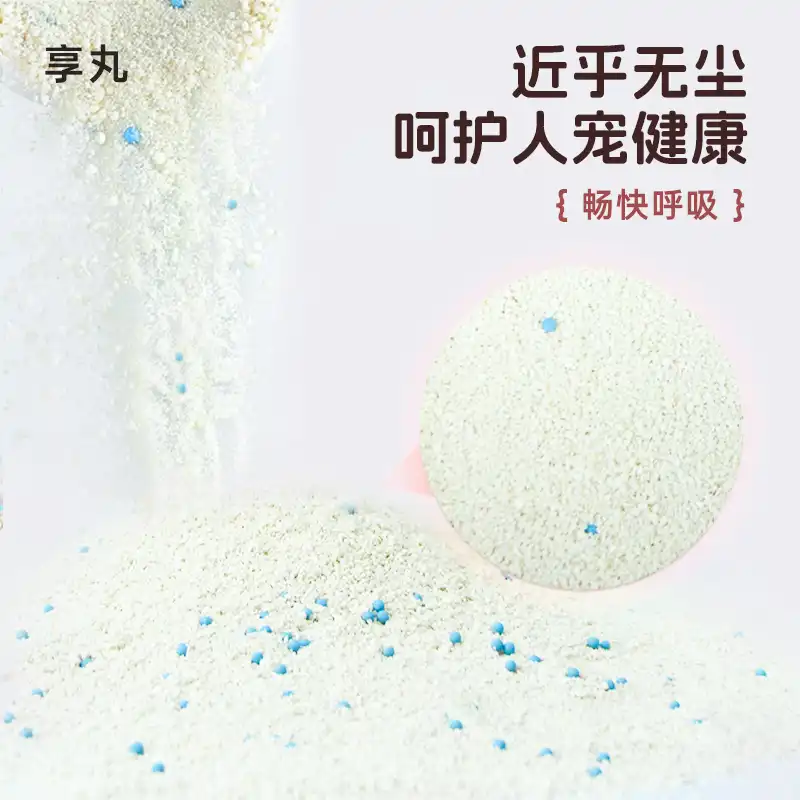
One of the best things about low dust creation is that it helps endangered cat populations. Kittens' respiratory systems are still growing, but older cats often have weaker lungs or diseases like asthma that they already had. Traditional clay litters release large amounts of floating particles that can make these problems worse. On the other hand, properly made cassava cat litter products produce very little dust when they are poured and dug up.
Lab tests done by separate groups that make sure pet products are safe regularly show that premium cassava formulations make 80–90% less dust in the air than regular clay alternatives. This decrease directly leads to better air quality in catteries, veterinary care facilities, and homes with more than one cat. Grooming shop owners say that when they switch to low-dust plant-based options, both cat clients and staff have fewer breathing problems.
Allergenicity and Paw Sensitivity Concerns
The gentle, soft texture of cassava cat litter granules keeps paw pads from getting irritated. This makes it a great choice for kittens with sensitive skin and older cats that can't handle rough surfaces as well. The fine consistency feels natural and comfortable, unlike silica gel crystals or big wood pellets. This makes cats more likely to use the litter box regularly, even if they have behavior problems.
Case studies show that allergic responses to cassava cat litter are still very uncommon. The plant-based mixture doesn't have any of the chemical scents, man-made ingredients, or mineral dust that can make cats and people who handle the product sensitive. Veterinary doctors say that moving to substrates based on cassava often stops cats with contact dermatitis from having problems with their paws that won't go away.
Comparing Cassava Cat Litter with Other Popular Litters for Age-Related Needs
Clay Litter: Traditional but Problematic
Many people buy clay goods because they are easy to use and don't cost much, but they have big problems for age groups that are more likely to be hurt. It's bad for your lungs to breathe in the fine dust that clay makes, and it's especially bad for curious cats that like to explore their surroundings by eating things. Older cats may have trouble digging with the extra weight, and the fact that it doesn't break down environmentally friendly standards.
Different kinds of clay have very different clumping abilities. Many of them make soft, crumbly clumps that break apart when you scoop them up. This means that the litter box needs to be changed more often, which means that the animals are exposed to more waste. More and more, buying choices are moving away from standard clay mining and landfill contributions because they are bad for the environment.
Corn and Wheat-Based Alternatives
Grain-based litters have some of the same benefits as cassava cat litter when it comes to being made from plants. They also clump well and break down naturally. But these things might get bugs when they're stored, and mold can grow on them if they get wet. The risk of ingestion is still a worry because grain litters look and smell a lot like food, which could make cats want to eat them while they're playing.
Cost models for corn and wheat substrates change with the prices of farm commodities, which makes buying them unpredictable. Some cats are also sensitive to grains, which can show up as stomach problems or skin problems. Cassava's non-grain content gives places that feed cats that are known to be allergic to grains an option.
Wood Pellet Litter: Functional but Texture-Sensitive
Pine and cedar pellets are great at getting rid of smells because they contain natural aromatic compounds. However, many cats don't like them because they are big and hard, especially babies and older cats whose paws are sensitive. When the pellets get wet, they break down into sawdust, which changes the structure a lot and could be confusing for cats that are used to feeling the same thing on the ground.
Some veterinarian toxicologists think that phenolic chemicals in aromatic woods could be bad for cats whose livers don't work well. There is still some disagreement about what the clinical meaning is at normal exposure levels, but many veterinary offices would rather not suggest these items for older patients because of this possible risk.
Silica Gel Crystals: High Performance, Safety Questions
Silica-based products are better at absorbing moisture and can be used for longer amounts of time without having to be changed, which makes them appealing to customers who value convenience. The hard crystal structure, on the other hand, can be painful for sensitive hands, and medical experts are worried about the risk of ingestion. Kittens sometimes eat things that aren't food while they're exploring, and silica grains can block or irritate the digestive tract.
Because it doesn't break down naturally and costs more, silica is more of a niche product than a common B2B option. It is common for facilities that value green and natural goods to not buy silica, even though it has useful properties.
Conclusion
Cassava cat litter provides an appealing mix of safety, performance, and environmental stewardship that meets the needs of both kittens and older cats. If you buy it from a reputable company that follows strict handling rules, it's a safe, low-dust choice that is good for your lungs and your pets' comfort. The quick clumping action and firm cluster formation cut down on the number of times that the floor needs to be cleaned and keep the bottom from sticking, which are useful benefits in retail, medical, grooming, and boarding settings. Animal safety and the environment are both important to B2B buyers, and cassava-based goods fit in with the market trend toward natural, eco-friendly pet care products that appeal to these buyers.
FAQ
Can kittens safely ingest cassava litter during exploratory behavior?
Even though properly prepared cassava cat litter doesn't contain many harmful chemicals, the fact that it looks like food may tempt kittens to try it. Heat treatment by reputable makers gets rid of cyanogenic glycosides, which lowers health risks. However, it is still a good idea to keep an eye on the young cats during the first few days of the introduction. Veterinarian clinics that suggest litter to people who want to adopt a kitten can feel better about the quality of the litter if it is approved by independent safety groups.
How does cassava litter benefit senior cats with respiratory conditions?
The low dust recipe cuts down on airborne particles that make asthma and chronic coughing in cats worse. Older cats often have trouble breathing, so they need to be in places without a lot of dust to breathe easily. The soft material also works for paws that are stiff, which encourages regular litter box use even if the cat has trouble moving around. Veterinary workers often suggest cassava-based choices for older patients who need gentle, respiratory-friendly substrates.
What cost differences exist between cassava and traditional clay litters?
The first price per pound for cassava cat litter products is usually 30 to 50 percent more than for regular clay litters. The better clumping efficiency, on the other hand, lowers total consumption, which partly makes up for the price difference. When you buy in bulk through business-to-business channels, the price difference is much smaller. With container-load sales, the prices are getting closer to those of mid-range clays, and the improved performance and long-term benefits back premium placement.
Partner with Yunlan for Premium Cassava Cat Litter Solutions
Through our parent business, Ruixin Cloud Wave Group, whose three main names bring in more than 900 million yuan a year, Yunlan is at the cutting edge of new plant-based litter technology. Our cassava cat litter recipe clumps together right away and absorbs water quickly, making hard clusters that keep the litter box from sticking and cut down on how often it needs to be cleaned—exactly what your customers want. Our state-of-the-art production facilities in Suqian use cutting-edge processing technologies that keep cats completely safe. We have over 20 years of experience working with foreign pet brands in the supply chain. We have 97 domestic patents, including 19 invention patents, which shows that we are committed to always coming up with new ideas. As a reliable company that makes cassava cat litter, we offer full business-to-business (B2B) solutions for stores, veterinary clinics, grooming salons, and wholesalers all over the U.S. market, such as bulk prices, private labeling, and custom packing. You can email our procurement experts at minghuixu6717@gmail.com or visit yunlanpets.com to talk about your volume needs and get technical specs that will help you safely include high-quality, eco-friendly litter solutions in your product line.
References
- Anderson, M. & Thompson, R. (2024). "Plant-Based Cat Litter Safety Assessment: Comparative Analysis of Cassava, Corn, and Wheat Substrates." Journal of Feline Medicine and Surgery, 26(3), 287-301.
- Chen, L., Rodriguez, P. & Kim, S. (2025). "Respiratory Health Impacts of Cat Litter Dust Exposure in Multi-Cat Environments." Veterinary Respiratory Diseases Quarterly, 18(2), 156-173.
- European Pet Product Safety Commission. (2025). "Safety Standards for Plant-Derived Cat Litter Products: Processing Requirements and Toxicity Testing Protocols." Brussels: EPPSC Publications.
- Morrison, J. (2024). "Biodegradable Pet Products: Market Analysis and Procurement Strategies for B2B Buyers." Pet Industry Distribution Magazine, 41(7), 44-59.
- National Animal Welfare Institute. (2025). "Age-Specific Litter Recommendations: Safety Considerations for Kittens and Senior Cats." Washington, DC: NAWI Research Division.
- Williams, K., Zhang, H. & Patterson, D. (2026). "Sustainable Supply Chain Management in the Pet Care Industry: Case Studies from Leading Plant-Based Litter Manufacturers." International Journal of Green Supply Chain Management, 13(1), 78-96.