- English
- French
- German
- Portuguese
- Spanish
- Russian
- Japanese
- Korean
- Arabic
- Irish
- Greek
- Turkish
- Italian
- Danish
- Romanian
- Indonesian
- Czech
- Afrikaans
- Swedish
- Polish
- Basque
- Catalan
- Esperanto
- Hindi
- Lao
- Albanian
- Amharic
- Armenian
- Azerbaijani
- Belarusian
- Bengali
- Bosnian
- Bulgarian
- Cebuano
- Chichewa
- Corsican
- Croatian
- Dutch
- Estonian
- Filipino
- Finnish
- Frisian
- Galician
- Georgian
- Gujarati
- Haitian
- Hausa
- Hawaiian
- Hebrew
- Hmong
- Hungarian
- Icelandic
- Igbo
- Javanese
- Kannada
- Kazakh
- Khmer
- Kurdish
- Kyrgyz
- Latin
- Latvian
- Lithuanian
- Luxembou..
- Macedonian
- Malagasy
- Malay
- Malayalam
- Maltese
- Maori
- Marathi
- Mongolian
- Burmese
- Nepali
- Norwegian
- Pashto
- Persian
- Punjabi
- Serbian
- Sesotho
- Sinhala
- Slovak
- Slovenian
- Somali
- Samoan
- Scots Gaelic
- Shona
- Sindhi
- Sundanese
- Swahili
- Tajik
- Tamil
- Telugu
- Thai
- Ukrainian
- Urdu
- Uzbek
- Vietnamese
- Welsh
- Xhosa
- Yiddish
- Yoruba
- Zulu
Birds of all types require balanced protein, fat, and trace nutrients to maintain growth, immunity, and daily vitality. Traditional bird feed often relies on soybean meal and fishmeal, which face supply instability and environmental limitations. In recent years, black soldier fly larvae have become a mainstream natural feed ingredient for birds of all species. Its comprehensive nutritional structure and eco friendly properties make it far more practical than traditional feed sources.
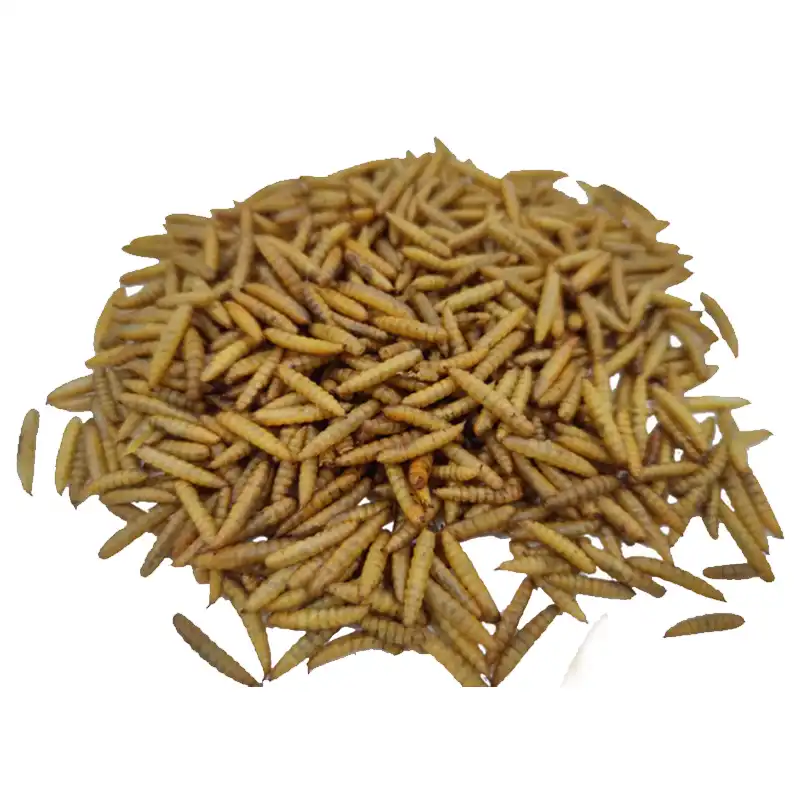
Nutritional Benefits of Black Soldier Fly Larvae for Birds
Complete Nutritional Profile for Avian Health
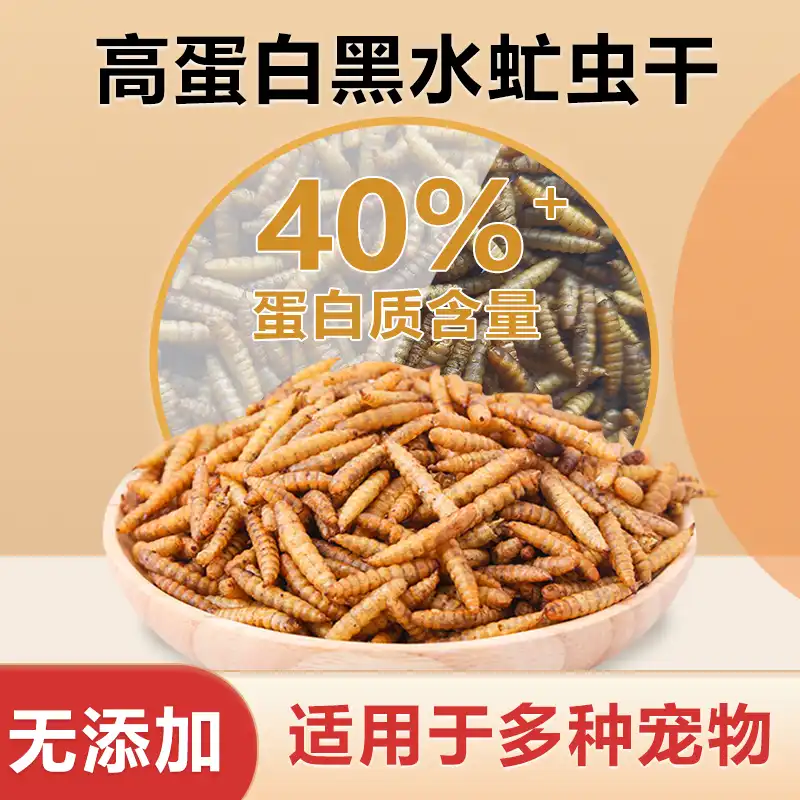
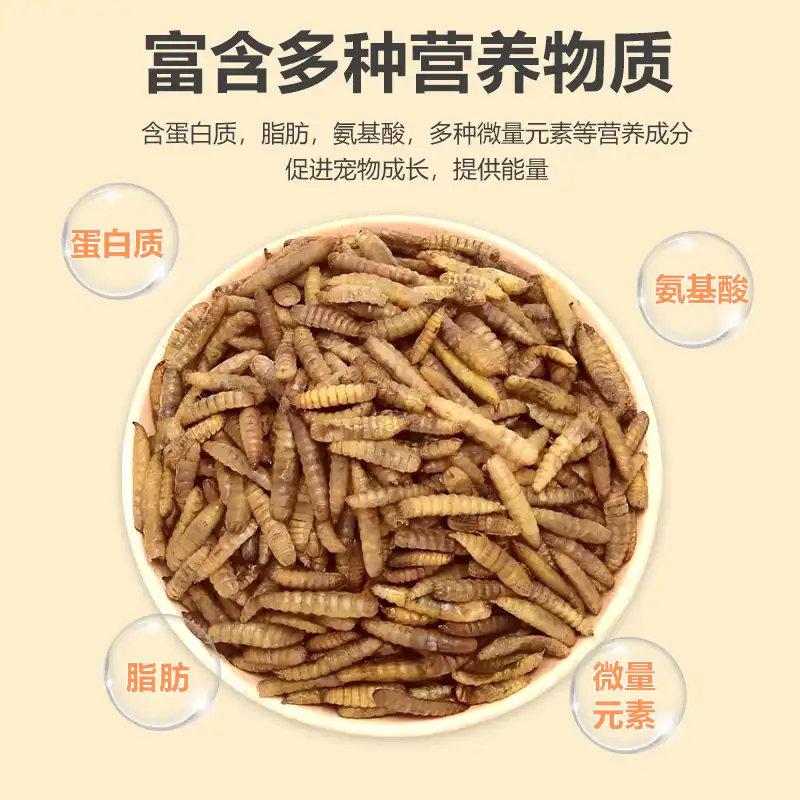
Black soldier fly larvae contain rich and balanced nutrients that perfectly match the dietary needs of birds. Mature larvae have a dry weight composition of 40 to 45 percent crude protein and 23 to 36 percent crude fat. This high protein and high fat ratio provides sufficient energy for bird growth, reproduction, and daily activity. The ingredient also includes a complete range of amino acids required by birds, including arginine, lysine, methionine, and tryptophan. These essential amino acids support feather growth, muscle development, and physical recovery for all bird species.
The natural mineral structure of BSFL brings unique feeding advantages for birds. It has a calcium to phosphorus ratio of 2.6 to 1. This scientific ratio effectively supports bird bone development. It greatly reduces the risk of metabolic bone disease, which commonly occurs in pet birds and young poultry. Unlike ordinary feed that requires additional mineral supplements, this insect feed can meet birds’ bone health needs through natural nutrition.
Natural Bioactive Compounds for Immunity Enhancement
Beyond basic nutrition, black soldier fly larvae contain multiple bioactive substances that improve bird health. About 40 to 60 percent of its crude fat is lauric acid. This natural ingredient has strong antibacterial and antiviral abilities. It can inhibit harmful pathogens in the bird intestinal tract and reduce the incidence of intestinal diseases. This advantage cannot be matched by traditional soybean meal and fishmeal.
The dry weight of BSFL includes 6 to 7 percent chitin. This substance helps birds clean intestinal waste and optimize digestive function. It improves feed digestion and absorption efficiency. In addition, it is rich in B vitamins, choline, beta carotene, and lutein. These nutrients enhance bird cellular and humoral immunity. They improve flock disease resistance and reduce mortality during breeding and feeding.
Environmental and Economic Advantages
Using black soldier fly larvae as bird feed also brings outstanding environmental and economic value. This ingredient is produced by bioconverting organic waste. It turns waste resources into high quality bird feed. It reduces environmental pollution caused by traditional feed planting and fishing. Compared with soybean planting that consumes massive land and water resources, and fishmeal production restricted by overfishing, it is a sustainable green feed choice.
For breeding farms and bird feed suppliers, BSFL have stable supply chains and controllable costs. Its efficient production cycle greatly improves feed conversion rates. Replacing part of traditional protein sources with this ingredient can reduce overall feeding costs. It also stabilizes bird growth and production performance, bringing long term economic benefits for breeding operations.
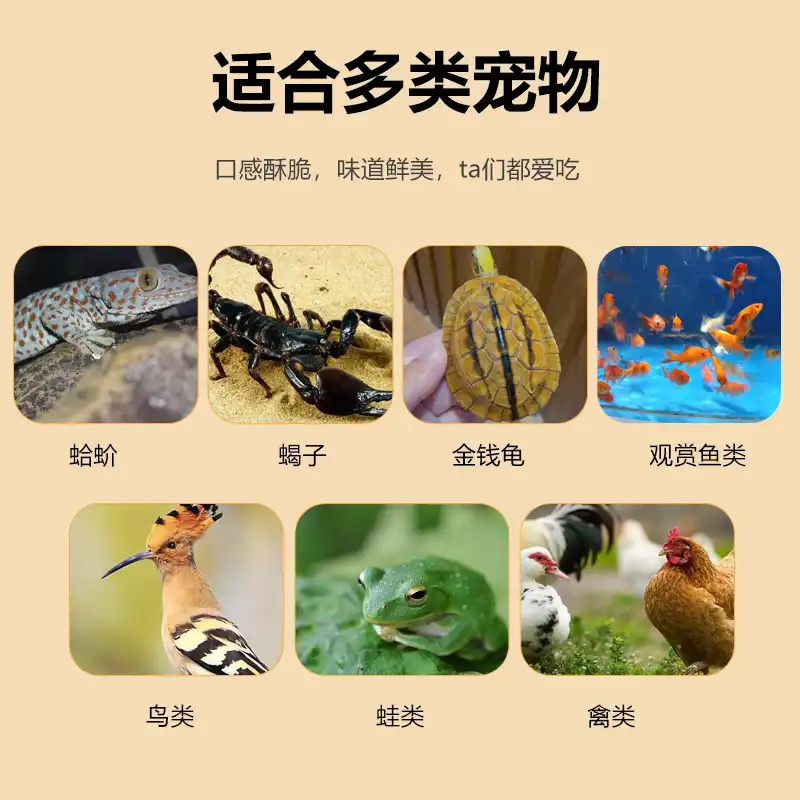
With excellent nutritional value and practical advantages, black soldier fly larvae are suitable for almost all bird species. Different types of birds can obtain targeted health and growth benefits from this natural feed.
Common Bird Species That Eat Black Soldier Fly Larvae
Poultry and Commercial Breeding Birds
Commercial poultry are the most typical beneficiaries of BSFL. For broiler chickens, replacing up to 33 percent of fishmeal with this ingredient can improve daily weight gain and feed conversion efficiency. It does not cause any negative impact on blood indicators and tissue health. More importantly, it inhibits Salmonella infection and reduces flock mortality, greatly improving breeding safety.
Laying hens show significant production improvements after eating black soldier fly larvae. Adding only 5 percent of the ingredient to conventional feed can increase the daily egg laying rate from 54.45 percent to 58.77 percent. It maintains stable egg weight and hatching rate, effectively improving the economic income of egg farms. Game birds such as doves and pheasants also perform well with this feed. Replacing meat and bone meal with this insect feed increases egg production and optimizes feather quality and living conditions.
Wild Birds and Waterfowl
In natural environments, most wild birds have the instinct to prey on insects. Black soldier fly larvae are a natural and favorite food source for various wild birds. Waterfowl including ducks and geese actively forage for such insect larvae in wild habitats. The rich protein and fat supplement their energy consumption during migration and breeding periods.
Common songbirds such as finches, sparrows, and warblers also eat BSFL frequently. The high energy nutrition helps them maintain physical activity and adapt to seasonal environmental changes. Even raptors benefit indirectly. Prey animals that consume this nutrient rich larvae provide more sufficient nutrition for raptors. At present, wildlife rescue and protection institutions widely use this insect feed for bird rehabilitation and breeding. The active state of live larvae stimulates birds’ natural foraging behavior and achieves behavioral enrichment.
Ornamental and Pet Birds
Black soldier fly larvae are extremely suitable for daily feeding of ornamental pet birds. Common pet birds including parrots, cockatiels, budgerigars, and canaries can fully absorb the nutrients of this ingredient. The balanced calcium and phosphorus elements effectively prevent metabolic bone disease, a common health problem in caged pet birds.
Pet owners who regularly feed BSFL to their birds can observe obvious improvements. The birds have brighter feather color, smoother feather texture, and more active mental state. Compared with synthetic nutritional supplements, this natural insect feed has no chemical additives. It is safer and more in line with the natural dietary habits of pet birds, becoming a popular daily snack and nutritional supplement for ornamental birds.
To fully exert the nutritional value of black soldier fly larvae, bird feeders and breeders need to master scientific feeding methods and standardized storage skills.
Scientific Feeding and Storage Methods for Black Soldier Fly Larvae
Reasonable Feeding Modes and Inclusion Rates
Black soldier fly larvae have two mainstream forms: live larvae and dried larvae. Both forms are edible for birds, but their usage scenarios differ. Live black soldier fly larvae retain the best activity and natural temptation. They are suitable for small scale breeding and daily pet feeding. Dried black soldier fly larvae have a longer shelf life and easier transportation. They are more suitable for large scale commercial feed production and long term bulk use.
The feeding dosage of BSFL needs to be adjusted according to bird types and growth stages. For daily supplementary feeding, 8 to 10 larvae per bird per day is the safest starting dosage. It helps birds gradually adapt to the new feed. In commercial feed formulas, the conventional addition ratio is 5 to 15 percent by weight. Multiple studies prove that the ratio can reach 33 percent in some scenarios without affecting bird growth and health.
Different feeding methods can be selected according to breeding scenarios. Spreading BSFL separately can stimulate birds’ foraging instinct. It is suitable for free range breeding and pet bird entertainment feeding. Mixing it evenly into full price feed ensures balanced nutritional intake for the whole flock. It guarantees consistent growth and production effects of birds.
Standard Storage and Supply Chain Management
Good storage conditions are key to maintaining the nutritional activity of BSFL. Dried larvae need to be stored in cool, dry and dark environments. The packaging must be sealed tightly after opening to prevent moisture absorption and mildew. Standard storage can keep its nutritional value stable for a long time.
For bulk procurement merchants and large farms, supply chain management is very important. It is necessary to choose certified regular suppliers with complete quality inspection reports. Bulk purchasing can effectively reduce unit cost. Reasonable stock reservation and first in first out inventory rules can avoid product deterioration and waste. Reserving multiple stable suppliers can prevent supply interruption in peak breeding seasons and ensure continuous supply of black soldier fly larvae.
Product Quality Screening Standards
High quality BSFL are processed by high temperature sterilization technology. They remove harmful bacteria, heavy metals and impurities while retaining complete nutrients. Qualified products have uniform size, pure color and no peculiar smell. They meet international feed safety standards.
When selecting products, buyers should check production qualification documents, microbial test reports and nutritional detection data. Standardized production and strict quality control ensure that black soldier fly larvae will not cause health risks to birds. It guarantees safe and efficient feeding effects for various bird species.
Conclusion
Black soldier fly larvae are a high quality, safe and sustainable natural feed ingredient suitable for almost all bird species. Its high protein, rich fat, balanced minerals and unique bioactive compounds can comprehensively improve bird growth performance, immune level and physical health. Whether for commercial poultry breeding, wild bird protection, or daily feeding of pet ornamental birds, it shows irreplaceable advantages over traditional feed.
Compared with soybean meal and fishmeal, black soldier fly larvae have stable supply, lower comprehensive cost and better environmental benefits. Scientific feeding dosage, standardized storage methods and strict quality screening can maximize its feeding value. With the continuous development of green breeding industry, this insect based feed will become the mainstream choice for global bird feeding, bringing more economic and ecological benefits to the breeding industry.
FAQs
Are black soldier fly larvae safe for all bird species?
Black soldier fly larvae are completely safe for all common bird species. It is suitable for commercial poultry, wild waterfowl, songbirds and various pet birds. When fed at the standard inclusion rate, it will not damage the digestive system, organ development and physical health of birds. It is a natural and low risk nutritional feed supplement.
What are the differences between black soldier fly larvae and mealworms for bird feeding?
Black soldier fly larvae have higher nutritional value than mealworms. Its protein content reaches 40 to 45 percent, which is higher than the 35 to 40 percent of mealworms. It contains unique lauric acid with antibacterial function, which mealworms do not have. It has better immunity enhancement effect and feed conversion efficiency. It is more cost effective and healthier for long term bird feeding.
How long can dried black soldier fly larvae be stored?
Dried black soldier fly larvae have a long storage cycle. Under standard cool, dry and sealed storage conditions, it can maintain complete nutritional value for 12 to 18 months. It is recommended to use the opened products within three months to ensure the best palatability and nutritional activity. Adopting scientific inventory management can effectively avoid product deterioration.
Can black soldier fly larvae replace traditional bird feed completely?
Black soldier fly larvae can only be used as a high quality protein supplement, not a complete replacement for full price bird feed. It is rich in protein and minerals, but lacks some comprehensive carbohydrates and vitamins required for bird growth. Reasonable matching with traditional feed can realize balanced nutrition and maximize breeding benefits.

Choose Yunlan
Choose Yunlan as your professional and reliable supplier of high quality black soldier fly larvae to optimize your bird feeding and breeding system. With decades of experience in sustainable insect feed production and supply chain management, we focus on providing standardized, safe and nutrient stable black soldier fly larvae for global breeders, pet product merchants and ecological protection institutions.
All our products adopt strict high temperature sterilization and standardized breeding processes. They are free of chemical additives, heavy metals and harmful bacteria. Complete nutritional testing and quality inspection reports ensure stable product quality. We support flexible supply modes including sample testing, small batch retail and large scale bulk wholesale. Our global logistics system covers more than 60 countries, realizing fast and stable door to door delivery.
Our professional technical team can provide targeted feeding ratio guidance for different bird species. We help customers reduce feeding costs, improve bird health and increase breeding economic benefits. Whether you are an individual bird breeder, pet store operator or large commercial breeding enterprise, we can provide one stop customized supply solutions. Contact our professional procurement team via minghuixu6717@gmail.com to obtain exclusive bulk pricing, technical documents and long term cooperation policies.
References
Smith, J. & Anderson, K. (2023). Nutritional Composition and Amino Acid Profiles of Black Soldier Fly Larvae Across Substrate Variations. Journal of Insect Science and Feed Technology, 15(3), 245-267.
Chen, L., Martinez, R. & Thompson, D. (2024). Comparative Evaluation of Insect Proteins in Poultry Nutrition: Performance and Economic Analysis. Avian Feed Research Quarterly, 28(1), 89-112.
Rodriguez, M., Park, S. & Williams, A. (2023). Bioactive Compounds in Black Soldier Fly Larvae: Implications for Bird Health and Immunity. International Journal of Alternative Proteins, 11(2), 178-203.
Johnson, P., Lee, H. & Davidson, T. (2024). Supply Chain Sustainability in Insect-Based Feed Production: Environmental and Economic Assessment. Sustainable Agriculture Reviews, 19(4), 334-361.
Zhang, W., Kumar, V. & O'Brien, S. (2023). Regulatory Frameworks and Quality Standards for Insect Proteins in International Feed Markets. Global Feed Safety Journal, 7(3), 412-438.
Taylor, E., Morrison, L. & Chang, Y. (2024). Implementation Strategies for Black Soldier Fly Larvae in Commercial Poultry Operations: Technical and Operational Considerations. Poultry Production Management, 42(2), 156-184.