- English
- French
- German
- Portuguese
- Spanish
- Russian
- Japanese
- Korean
- Arabic
- Irish
- Greek
- Turkish
- Italian
- Danish
- Romanian
- Indonesian
- Czech
- Afrikaans
- Swedish
- Polish
- Basque
- Catalan
- Esperanto
- Hindi
- Lao
- Albanian
- Amharic
- Armenian
- Azerbaijani
- Belarusian
- Bengali
- Bosnian
- Bulgarian
- Cebuano
- Chichewa
- Corsican
- Croatian
- Dutch
- Estonian
- Filipino
- Finnish
- Frisian
- Galician
- Georgian
- Gujarati
- Haitian
- Hausa
- Hawaiian
- Hebrew
- Hmong
- Hungarian
- Icelandic
- Igbo
- Javanese
- Kannada
- Kazakh
- Khmer
- Kurdish
- Kyrgyz
- Latin
- Latvian
- Lithuanian
- Luxembou..
- Macedonian
- Malagasy
- Malay
- Malayalam
- Maltese
- Maori
- Marathi
- Mongolian
- Burmese
- Nepali
- Norwegian
- Pashto
- Persian
- Punjabi
- Serbian
- Sesotho
- Sinhala
- Slovak
- Slovenian
- Somali
- Samoan
- Scots Gaelic
- Shona
- Sindhi
- Sundanese
- Swahili
- Tajik
- Tamil
- Telugu
- Thai
- Ukrainian
- Urdu
- Uzbek
- Vietnamese
- Welsh
- Xhosa
- Yiddish
- Yoruba
- Zulu
Modern aquaculture is at a point where old ways of feeding fish meet new, environmentally friendly options. Professionals in farming all over the world are very interested in mealworms and black soldier fly larvae for fish as new options. The move toward insect-based protein sources is more than just a trend; it signals a basic shift in how we think about fish nutrition. This is because B2B procurement experts and fish farm managers are putting more emphasis on both business efficiency and environmental stewardship.
There is more and more pressure on the aquaculture business to use less standard fish meal, which uses up ocean resources and leaves a big carbon footprint. Feeds made from insects, especially black soldier fly larvae for fish, are a great option that solves these issues and provides great nutrition. These larvae turn organic garbage into high-quality protein, which is in line with the concepts of the circular economy that appeal to today's market that cares about the environment. This book will talk about which fish species do best on these different types of food, how they're better for them nutritionally, and how to use these new foods in industrial aquaculture.
Fish Preferences: What Fish Like Mealworms and Why?
A lot of species in both freshwater and ocean have big appetites for insects. In the wild, fish that eat meat, like trout, bass, and catfish, naturally move toward protein-rich insect larvae. This makes the change to farmed insect feeds very easy. These foods are also easily accepted by omnivorous species like tilapia, carp, and many types of decorative fish. The natural amino acid profiles and moving patterns of the feeds that cause eating reactions are the keys to their acceptance. Black soldier fly larvae for fish have been especially good at attracting fish because their nutritional makeup is very similar to that of wild prey, making them appealing to a wide range of species.
Nutritional Comparison Between Mealworms and BSFL
When looking at protein sources, nutritional quality is a very important factor. On a dry matter base, mealworms usually have 47–55% protein, while black soldier fly larvae for fish have about 40–43% protein, higher calcium levels, and balanced vital fatty acids. BSFL are very easy to digest, and most fish species can get 85–90% of their amino acids from them. Better absorption directly leads to faster growth rates and better feed conversion efficiency. The natural antimicrobial peptides in the larvae also help the immune system work better, which lowers the risk of illness in high-density farms.
Impact on Growth Rates and Fish Health
Multiple aquaculture sites have done research that shows gains can be seen when insect-based proteins are added. When compared to normal fish meal formulations, fish fed diets with 15–30% BSFL showed growth rate improvements of 12–18%. In addition to increasing growth, these alternative feeds improve the coloring of decorative fish, make fillets of food fish taste better, and help bones grow stronger because they contain more calcium. The lauric acid that is naturally found in BSFL is a strong antibacterial that improves gut health and lowers the need for preventative antibiotic treatments. This is a big benefit for businesses that want to get organic certification or sell to high-end customers.
The Benefits of Black Soldier Fly Larvae for Fish Feed in Aquaculture
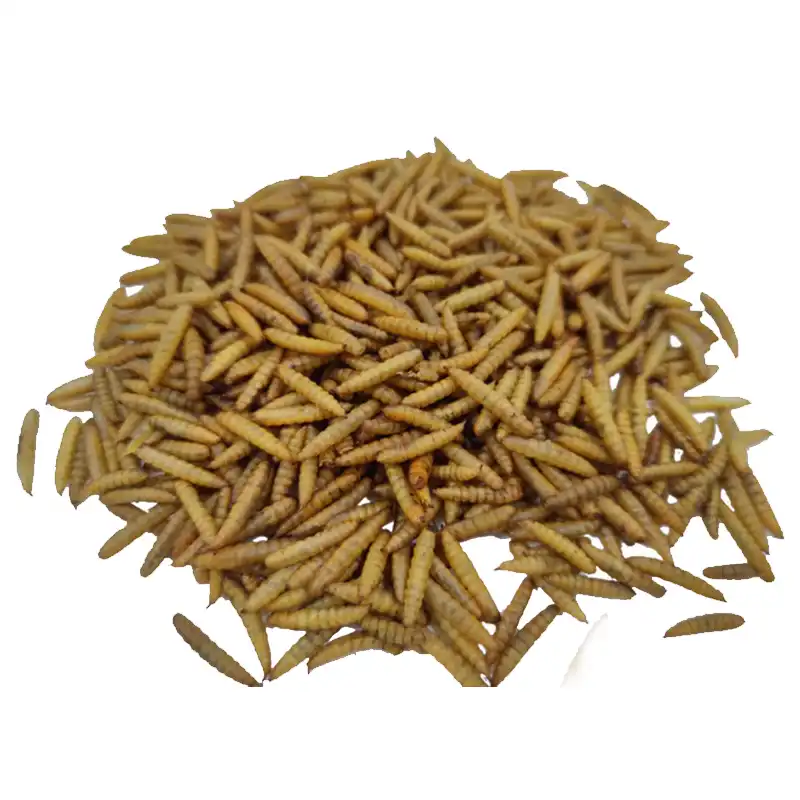
BSFL's value offering is based on its sustainability qualities. For traditional fish meal production, large numbers of wild forage fish must be caught, which puts stress on coastal environments. For every ton of standard fish meal, about 4–5 tons of wild-caught fish are needed. On the other hand, making black soldier fly larvae for fish uses organic waste streams like veggie scraps, spent grains, and leftovers of food preparation that would otherwise end up in a landfill. This process of turning trash into protein is much more efficient with resources than regular feeds.
Environmental Footprint Reduction
About one-tenth as much carbon dioxide is released when BSFL is made as when regular fish meal is made. Compared to soy-based protein options, they use 70–80% less water and a lot less space. Black soldier fly larvae for fish sites can be located in or near cities, which cuts down on transportation routes and the pollution they cause. These environmental benefits are very important to procurement teams that are under a lot of pressure to meet company sustainability goals and to stores that are trying to meet customer demand for seafood that is responsibly found.
Economic Advantages Through Improved FCR
Increasing the feed exchange ratio has a direct effect on making money. When black soldier fly larvae for fish is added at the right rate, operations have seen FCR gains of 0.15 to 0.25 points, which means fish need less food to reach their goal weights. These gains in speed add up to a lot over the course of a production run. Feed makes up 50–70% of the costs of running an intense aquaculture system, so even small gains in conversion efficiency can bring in a lot of money. The stable prices of BSFL, which are not affected by changes in the amount of marine catch, make budget planning for multiple years easier.
Preparing and Incorporating Black Soldier Fly Larvae into Fish Feed
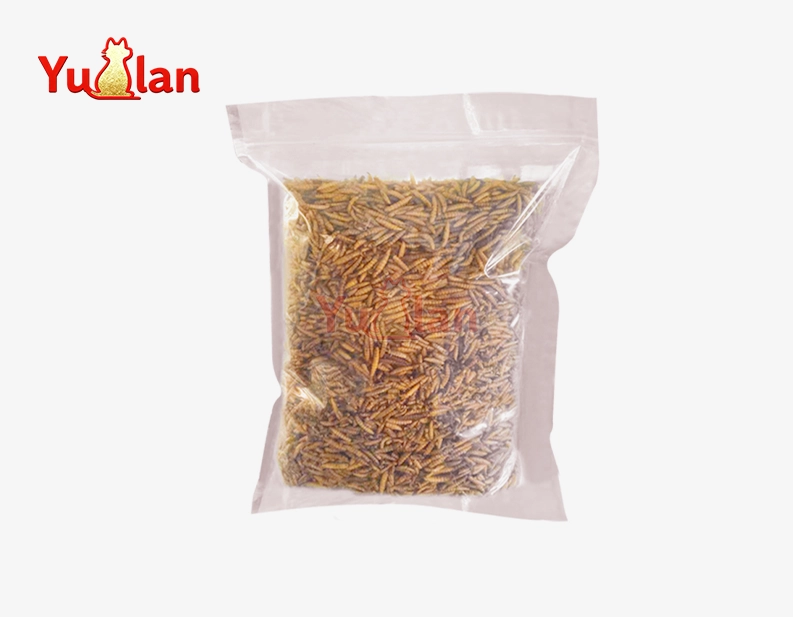
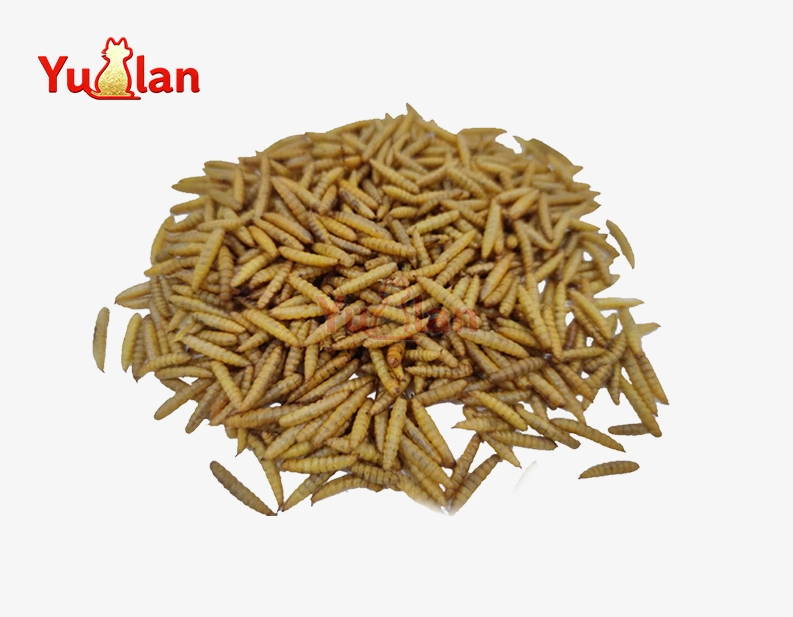
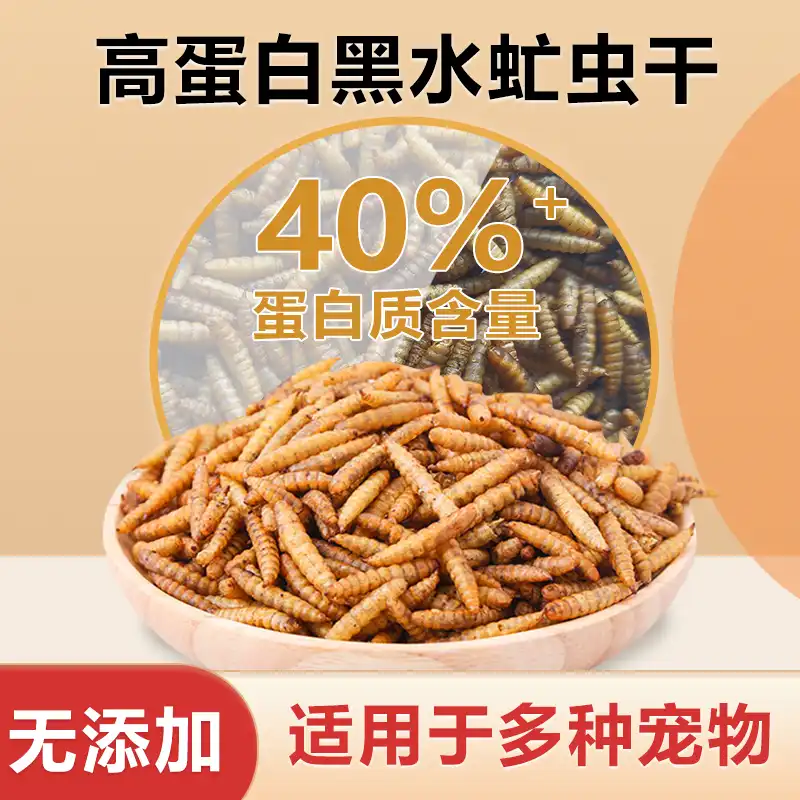
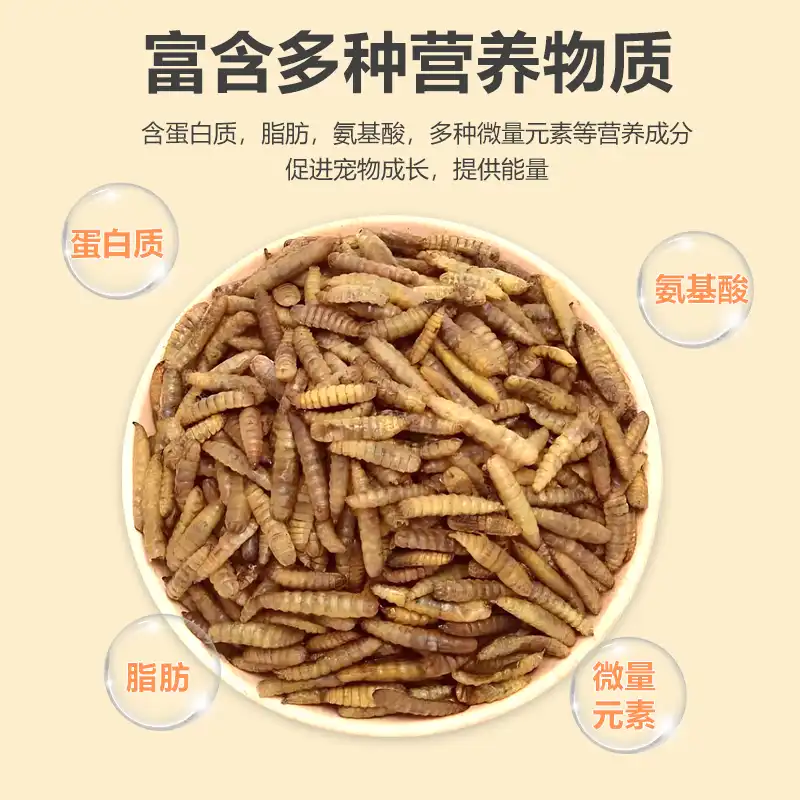
To integrate products well, you need to know about the different types of products and how they can be used. Live larvae are great for small-scale specialty makers and fish farms that keep fish for decorative purposes because their movement encourages natural feeding habits. Dried larvae last longer and are easier to handle, which makes them perfect for use in industrial feed mills. At 110 degrees Celsius, our goods are dried in industrial microwaves, which get rid of dangerous bacteria while keeping the nutrients. The final product has 40% protein, as well as trace elements, important fats, and amino acids. It was made without using any artificial spices, colorings, or frying, which can lower the nutritional value.
Recommended Inclusion Rates by Species
Formulation methods need to be changed for each species. Here are some rules that were made through trials with some of the biggest fishing operations:
Fish that eat meat, like rainbow trout and European sea bass, do well when 25 to 35 percent of their food is black soldier fly larvae for fish. Within this range, these fish show strong acceptance and ideal growth, though higher inclusion rates can sometimes make the food less tasty. Medium-sized omnivores, like tilapia and channel catfish, do best with 15 to 25 percent BSFL, along with plant proteins and energy sources. Ornamental fish like koi and goldfish can handle up to 40% inclusion as long as they get used to it slowly. As they do, you can see that the colors and activity levels get better.
It's best to slowly switch current operations to BSFL-enhanced feeds over the course of 10 to 14 days, gradually raising the share while keeping an eye on acceptance and growth metrics. This method cuts down on the time needed for digestion to change and lets accurate testing of reactions specific to species. Since temperature affects how fast animals digest food, feeding plans may need to be changed during certain times of the year to keep them working at their best.
Storage and Handling Considerations
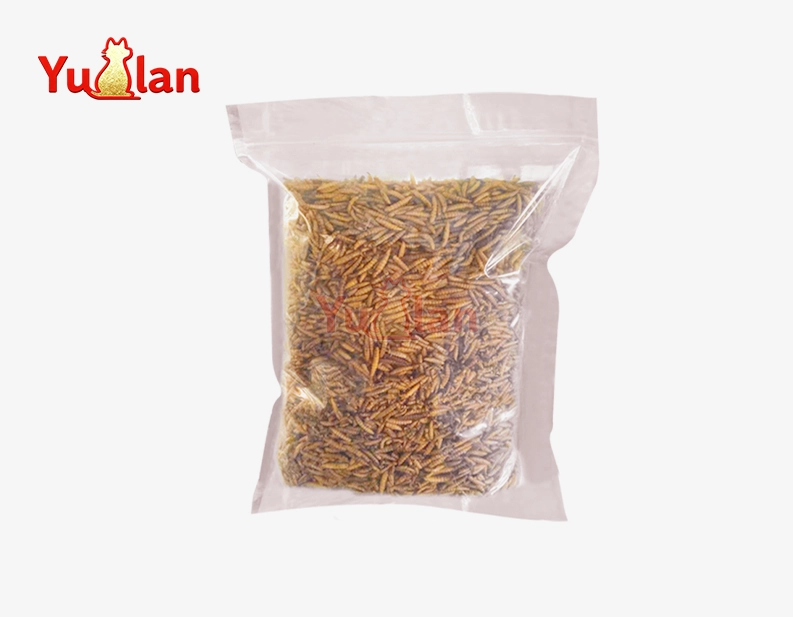
When kept in cool, dry places out of direct sunlight for 12 to 18 months, dried black soldier fly larvae for fish goods keep their nutritional value. Controlling the amount of moisture is very important—products should stay below 10% moisture content to keep them from going bad. People who buy in bulk can choose vacuum-sealed packaging choices that keep food fresh longer and take up less room in warehouses. Since properly dried larvae don't go bad, they don't need to be kept in the cold, which can make it harder to get fresh or frozen food to places that don't have a lot of infrastructure.
Conclusion
As the aquaculture industry moves toward more environmentally friendly and effective ways to feed fish, insect-based proteins will become more important in future feed mixes. Fish, both those that eat meat and those that eat other things, are very good at eating black soldier fly larvae for fish because they are very nutritious and easy to digest. The environmental benefits—using waste streams, lowering carbon emissions, and using little water—align perfectly with global sustainable goals. They also have real business benefits by making feed conversion more efficient. To integrate well, you need to carefully choose your suppliers, use the right rates of inclusion for each species, and follow guidelines for a slow shift. The proven success in a wide range of settings, from fish farms to salmon farms, shows that BSFL technology has moved beyond the testing phase and is now ready for reliable, scalable commercial use.
Partner With Yunlan for Premium Black Soldier Fly Larvae Supply
Yunlan is ready to help your seafood business switch to high-performance, environmentally friendly feeds. As a reliable supplier of black soldier fly larvae for fish to the Ruixin Cloud Wave Group, we use cutting-edge production technology and strict quality control to make sure that our products are always uniform and full of nutrients. Our industrial microwave drying process keeps all the nutrients while getting rid of germs. This makes feeds with 40% protein, key fatty acids, and trace elements that are important for fish growth. We have the production ability to support everything from small farms to large industrial sites. We also offer flexible volume plans and low bulk prices that lower your costs. With nearly 100 million yuan invested in research and development and 97 approved patents, our expert team can help you find the best BSFL inclusion rates for your species and production goals. Send an email to minghuixu6717@gmail.com to talk about custom solutions, ask for samples, or look into business possibilities. You can find out more about our full line of products and our efforts to be environmentally friendly by visiting yunlanpets.com. Let's work together to improve the nutrition of farming while also keeping our shared environmental future safe.
FAQ
Which fish species respond best to BSFL feeds?
Because they eat insects in the wild, carnivorous species like trout, bass, perch, and catfish are the most naturally accepting. Omnivorous species, such as tilapia, carp, and many types of decorative fish, also adapt well, though the best rates of addition depend on the species.
How do BSFL compare environmentally to traditional fish meal?
BSFL production releases about 90% less carbon into the air than regular fish meal production. The process turns organic garbage into protein instead of killing wild fish. It needs very little water and works well in sites with small footprints.
What are the best ways to store dried BSFL?
If you dry larvae the right way, they will stay stable for 12 to 18 months in a cool, dry place. Keeping the wetness level below 10% stops food from going bad. Unlike frozen food, black soldier fly larvae for fish don't need to be kept in a cold chain, which makes handling easier and cuts down on costs.
Can BSFL completely replace fish meal in aquafeed formulations?
Some species can handle full replacement, but for most industrial operations, the best results come from using partial replacement at rates of 15 to 35 percent, along with other protein and fat sources to meet the nutritional needs of each species.
References
1. Makkar, H.P.S., Tran, G., Heuzé, V., & Ankers, P. (2014). State-of-the-art on use of insects as animal feed. Animal Feed Science and Technology, 197, 1-33.
2. Henry, M., Gasco, L., Piccolo, G., & Fountoulaki, E. (2015). Review on the use of insects in the diet of farmed fish: Past and future. Animal Feed Science and Technology, 203, 1-22.
3. Barroso, F.G., de Haro, C., Sánchez-Muros, M.J., Venegas, E., Martínez-Sánchez, A., & Pérez-Bañón, C. (2014). The potential of various insect species for use as food for fish. Aquaculture, 422-423, 193-201.
4. Lock, E.R., Arsiwalla, T., & Waagbø, R. (2016). Insect larvae meal as an alternative source of nutrients in the diet of Atlantic salmon (Salmo salar) postsmolt. Aquaculture Nutrition, 22(6), 1202-1213.
5. Riddick, E.W. (2014). Insect protein as a partial replacement for fishmeal in the diets of juvenile fish and crustaceans. Mass Production of Beneficial Organisms, 565-582.
6. van Huis, A., Van Itterbeeck, J., Klunder, H., Mertens, E., Halloran, A., Muir, G., & Vantomme, P. (2013). Edible insects: Future prospects for food and feed security. FAO Forestry Paper 171, Food and Agriculture Organization of the United Nations, Rome.