- English
- French
- German
- Portuguese
- Spanish
- Russian
- Japanese
- Korean
- Arabic
- Irish
- Greek
- Turkish
- Italian
- Danish
- Romanian
- Indonesian
- Czech
- Afrikaans
- Swedish
- Polish
- Basque
- Catalan
- Esperanto
- Hindi
- Lao
- Albanian
- Amharic
- Armenian
- Azerbaijani
- Belarusian
- Bengali
- Bosnian
- Bulgarian
- Cebuano
- Chichewa
- Corsican
- Croatian
- Dutch
- Estonian
- Filipino
- Finnish
- Frisian
- Galician
- Georgian
- Gujarati
- Haitian
- Hausa
- Hawaiian
- Hebrew
- Hmong
- Hungarian
- Icelandic
- Igbo
- Javanese
- Kannada
- Kazakh
- Khmer
- Kurdish
- Kyrgyz
- Latin
- Latvian
- Lithuanian
- Luxembou..
- Macedonian
- Malagasy
- Malay
- Malayalam
- Maltese
- Maori
- Marathi
- Mongolian
- Burmese
- Nepali
- Norwegian
- Pashto
- Persian
- Punjabi
- Serbian
- Sesotho
- Sinhala
- Slovak
- Slovenian
- Somali
- Samoan
- Scots Gaelic
- Shona
- Sindhi
- Sundanese
- Swahili
- Tajik
- Tamil
- Telugu
- Thai
- Ukrainian
- Urdu
- Uzbek
- Vietnamese
- Welsh
- Xhosa
- Yiddish
- Yoruba
- Zulu
Parrots are intelligent, omnivorous pet birds with unique dietary needs. Many new parrot owners only feed their pets seeds and fruits, which leads to nutritional deficiencies and poor physical conditions. A balanced diet requires reasonable collocation of staple food, fruits, vegetables and high-protein snacks. Among all healthy supplementary foods, mealworms parrot treats stand out for their natural nutrition and high palatability. This guide comprehensively introduces parrot dietary habits, the value of mealworm snacks, usage methods and product selection skills, helping owners scientifically raise parrots.

Natural Dietary Habits of Parrots and The Value of Supplementary Snacks
To formulate a scientific feeding plan for parrots, it is necessary to first understand their wild feeding characteristics and captive nutritional gaps. Wild parrots have diverse food sources, while captive parrots rely entirely on artificial feeding, requiring targeted nutritional supplements.
Omnivorous Traits: Parrots Are Not Single Seed Eaters
Most people mistakenly believe that parrots only eat sunflower seeds and grain seeds. This single feeding cognition will cause malnutrition in captive parrots. In fact, almost all parrot species are omnivorous. They absorb nutrients from plants and small insects in the wild. mealworms parrot treats can perfectly supplement the animal protein missing in daily seed-based diets.
Single seed food is high in fat and single in nutrition. Long-term single feeding will lead to feather dullness, low immunity and poor reproductive ability of parrots. Professional bird breeding standards point out that parrot diets must include plant fiber, vitamins, animal protein and trace minerals to maintain basic physiological activities.
Captive parrots lack access to wild insects and natural protein sources. This nutritional gap cannot be filled by fruits and vegetables alone. Safe insect protein snacks become an essential part of daily auxiliary feeding for medium and large parrots.
Wild Feeding Rules That Guide Captive Feeding
Wild parrots live in tropical rainforests and savannas. Their daily food includes ripe fruits, tender leaves, plant roots, mineral clay and various small insect larvae. These natural foods provide comprehensive nutrition for their growth, molting and reproduction. mealworms parrot treats simulate the natural insect protein source of wild parrots to adapt to their physiological feeding habits.
Insect protein is the core nutritional support for wild parrots during molting and breeding periods. It can promote feather growth and improve egg production quality. Captive parrots without insect protein supplementation often have slow molting and sparse feathers.
Scientific captive feeding is to restore wild dietary diversity. On the basis of fixed staple food, adding appropriate insect protein snacks can effectively improve the physical fitness and mental state of parrots.

Nutritional Advantages and Core Functions of Mealworm Parrot Treats
After understanding the dietary defects of captive parrots, we can further explore the nutritional value of mealworm snacks. Different from ordinary bird snacks, mealworm products have concentrated high-quality nutrients, which can bring multiple health benefits to parrots.
Basic Introduction and Nutritional Composition of Mealworm Treats
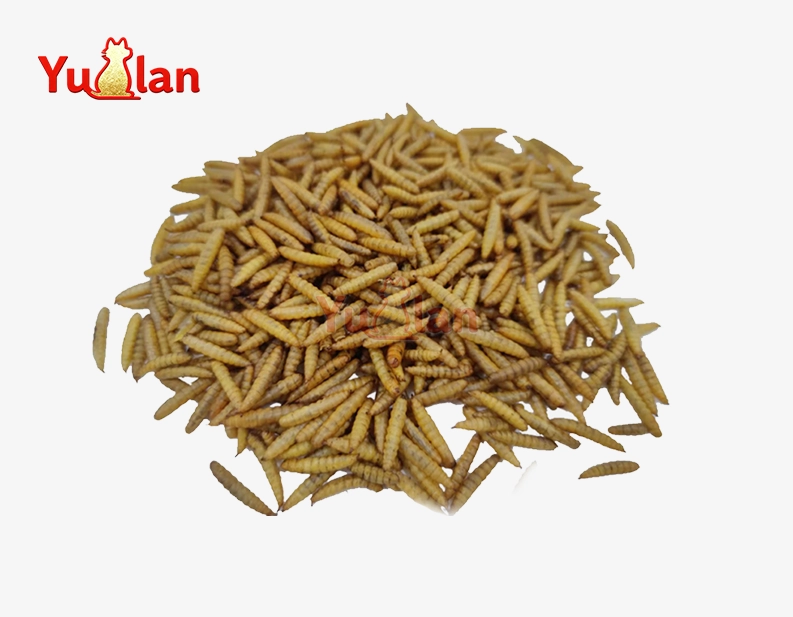
Mealworms are the larval stage of Tenebrio molitor beetles. They are safe, pollution-free insect raw materials after artificial standardized breeding and processing. mealworms parrot treats are pure natural bird snacks processed by professional drying technology, without any additives and preservatives.
Dried mealworm products have extremely high nutritional density. The dry weight contains about 50% high-quality protein and 25% healthy fat. They are also rich in dietary fiber, B vitamins, omega-3 fatty acids, magnesium, potassium and phosphorus. This nutritional ratio is difficult to achieve with pure plant food.
Each nutrient plays an independent role in parrot growth. Protein maintains muscle development and immune function. Fat provides lasting energy. Vitamins and trace elements regulate metabolism and protect skeletal health.
Promote Molting Health and Reproductive Ability of Parrots
Molting and breeding are the two most physically consuming stages of parrots. These two stages require a large amount of protein and amino acid supplementation. mealworms parrot treats provide concentrated protein nutrition to help parrots pass high-consumption cycles healthily.
During the molting period, sufficient protein can make new feathers thick, bright and well-structured. It avoids problems such as sparse feathers, dull color and delayed molting caused by malnutrition. For breeding parrots, insect protein can improve egg quality and chick survival rate.
Many professional parrot breeders take mealworm snacks as essential seasonal supplementary food. Long-term reasonable feeding can significantly improve the overall health and ornamental value of parrots.
Improve Parrot Mental State and Foraging Ability
Parrots are highly intelligent birds. Single fixed feeding method will make them bored and even produce behavioral problems such as pecking feathers. mealworms parrot treats can be used as interactive foraging food to stimulate parrots' natural hunting instincts.
Owners can hide dried mealworms in puzzle toys and foraging boxes. This feeding mode simulates wild foraging scenes. It exercises parrots' thinking ability and coordination ability, and effectively relieves emotional anxiety.
Reasonable snack interaction can enhance the tacit understanding between owners and parrots. It is not only a nutritional supplement, but also an important way to protect parrots' mental health.

Dried vs Live Mealworms: Safety and Applicability Comparison
There are two main forms of mealworm snacks on the market: live mealworms and dried mealworms. The two types of products have obvious differences in safety, storage and use scenarios. It is necessary to select suitable products according to breeding needs.
Potential Risks and Defects of Live Mealworms
Live mealworms have high moisture content and strong animal activity. They can quickly attract parrots to eat. But live products have many hidden safety hazards in family and commercial breeding scenarios, which is not suitable for long-term use. mealworms parrot treats made of dried materials avoid all risks of live mealworms.
Unscreened live mealworms may carry tapeworms and other parasites. They may cause intestinal parasitic diseases after being eaten by parrots. In addition, live mealworms have a short shelf life and need strict refrigeration preservation.
Live mealworms may also scratch the parrot's crop and digestive tract. For young parrots and small parrot species, the risk of live mealworms is more prominent.
Comprehensive Advantages of Dried Mealworm Parrot Treats
Dried mealworm products processed by professional technology have become the mainstream choice for parrot feeding. The high-temperature drying process kills all parasites and bacteria. The product is safe and sterile for long-term feeding. mealworms parrot treats retain almost all core nutrients of live mealworms.
The public misunderstanding that dried mealworms cause dehydration and constipation is incorrect. The drying process only removes excess moisture. It concentrates protein, fat and trace elements without loss of effective nutrients.
Dried mealworms have a long shelf life and do not need cold storage. They can be mixed with parrot staple seeds at will. They are convenient for daily feeding and large-scale commercial breeding use.

Safe Feeding Methods and High-Quality Product Selection Standards
Mastering scientific feeding methods and reliable selection standards can maximize the effect of mealworm snacks and avoid feeding risks. Standardized operation is the key to safe and healthy feeding.
Standard Feeding Steps and Frequency
Parrots have different acceptance of new foods. Owners need to feed step by step to avoid refusal and waste. mealworms parrot treats are suitable for gradual adaptive feeding for all parrot species.
At the initial stage, mix 2 to 4 dried mealworms into the usual staple food. Observe the parrot's eating state. If the parrot refuses to eat, place the snacks separately in a small dish for induction. Never force feeding.
After the parrot adapts to the taste, fix the feeding frequency at 2 to 4 times a week. Small and medium parrots take 1/4 teaspoon each time. Large parrots can appropriately increase the dosage. Snacks cannot replace staple food and can only be used as nutritional supplements.
Product Selection Core Standards
High-quality parrot mealworm snacks must adhere to pure natural and zero-additive standards. Qualified mealworms parrot treats only contain single ingredient of mealworm larvae, without fillers, pigments and preservatives.
Microwave drying technology is the best processing method for mealworm snacks. This technology adopts short-time high-temperature drying. It locks heat-sensitive amino acids and nutrients, avoiding nutrient loss caused by long-time high-temperature baking.
When purchasing, check the product source and qualification reports. Formal manufacturers have complete production certificates and safety test reports. Batch stable quality ensures long-term safe feeding of parrots.

FAQ
Q1: Are mealworm treats suitable for all parrot species?
A: Yes, most common parrot species can safely eat mealworms parrot treats, including budgies, conures, Amazon parrots, African greys, cockatoos and Eclectus parrots. Young parrots can also eat them in small portions. The individual eating preference of each parrot is different, so adaptive feeding is required.
Q2: Are dried mealworms less nutritious than live ones?
A: Dried mealworms retain more than 95% of the core nutrients of live mealworms. The drying process only removes moisture and kills parasites. It will not cause nutrient loss. Compared with live mealworms, dried products are safer, more stable and more suitable for daily long-term feeding.
Q3: How often should I feed mealworm treats to parrots?
A: Mealworms are auxiliary snacks instead of staple food. The recommended feeding frequency is 2 to 4 times a week. Long-term excessive feeding will cause excessive fat intake. It needs to be matched with fruits, vegetables and high-quality parrot pellets to ensure dietary balance.
Q4: What benefits do mealworm treats bring to parrot feather health?
A: Parrot feathers are mainly composed of keratin protein. The high protein content in mealworms parrot treats can promote healthy feather growth during molting. It makes new feathers bright and compact, and effectively improves the problem of dull and sparse feathers.
Q5: What should I pay attention to when buying mealworm parrot treats?
A: Prioritize pure natural products with zero additives. Choose products processed by microwave drying technology with complete safety test reports. Avoid cheap products with unknown sources and added chemical preservatives to ensure parrot feeding safety.
Get Premium Mealworms Parrot Treats
If you are looking for safe, nutrient-dense, and high-quality bird snacks for your pet parrots or commercial pet business, our premium mealworms parrot treats are your ideal choice. As a professional manufacturer focusing on pet insect food research, development and production, Suqian Ruixin Yunlan Technology boasts a complete industrial chain, mature microwave drying technology and strict quality control system. All our parrot snack products feature zero additives, zero preservatives and high nutrient retention, fully meeting daily feeding needs for individual parrot owners and bulk supply demands for pet stores, distributors and cross-border B2B partners.
-
Free product sample application to test palatability, safety and nutritional quality
-
Customized bulk quotation and flexible wholesale solutions for B2B purchasers
-
Professional parrot feeding guidance and scientific dietary matching suggestions
-
Support OEM & private label packaging to meet personalized brand needs
-
Provide complete qualification certificates and batch safety test reports
Backed by 20 years of professional pet supply chain experience, our products have been exported to more than 60 countries and regions with stable batch quality and high market recognition. We offer 24-hour online customer service and efficient after-sales support to solve your product consultation and order problems in a timely manner. Feel free to contact our professional team for product cooperation, technical consultation and customized service needs via email: minghuixu6717@gmail.com. Start your high-quality parrot feeding and bulk supply cooperation with us today!
References
-
Smith, A.B., & Jones, C.D. (2023). Nutritional Evaluation of Insect-Based Supplementary Feeds for Captive Parrots. Journal of Avian Nutrition, 39(2), 88-102.
-
Miller, S.T., & Lee, H.K. (2024). Safety Analysis of Dried Mealworm Products for Companion Bird Feeding. Pet Animal Science Research, 16(3), 114-127.
-
Garcia, R.M., & Wilson, P.L. (2022). Effects of Insect Protein Supplementation on Parrot Molting and Feather Quality. Journal of Avian Biology, 53(4), 301-310.
-
Brown, J.E., & Davis, S.R. (2023). Comparative Study of Live and Dried Mealworms in Captive Bird Diets. Companion Animal Nutrition Review, 10(2), 56-69.
-
Wang, L., & Thompson, K.M. (2024). Processing Technology Optimization and Nutrient Retention of Microwave-Dried Mealworm Bird Snacks. Food Science and Animal Feeding, 42(1), 78-85.
-
Clark, N.R., & Harris, B.T. (2023). Dietary Balancing Strategy for Omnivorous Captive Parrot Species. International Pet Breeding Journal, 21(5), 209-221.