- English
- French
- German
- Portuguese
- Spanish
- Russian
- Japanese
- Korean
- Arabic
- Irish
- Greek
- Turkish
- Italian
- Danish
- Romanian
- Indonesian
- Czech
- Afrikaans
- Swedish
- Polish
- Basque
- Catalan
- Esperanto
- Hindi
- Lao
- Albanian
- Amharic
- Armenian
- Azerbaijani
- Belarusian
- Bengali
- Bosnian
- Bulgarian
- Cebuano
- Chichewa
- Corsican
- Croatian
- Dutch
- Estonian
- Filipino
- Finnish
- Frisian
- Galician
- Georgian
- Gujarati
- Haitian
- Hausa
- Hawaiian
- Hebrew
- Hmong
- Hungarian
- Icelandic
- Igbo
- Javanese
- Kannada
- Kazakh
- Khmer
- Kurdish
- Kyrgyz
- Latin
- Latvian
- Lithuanian
- Luxembou..
- Macedonian
- Malagasy
- Malay
- Malayalam
- Maltese
- Maori
- Marathi
- Mongolian
- Burmese
- Nepali
- Norwegian
- Pashto
- Persian
- Punjabi
- Serbian
- Sesotho
- Sinhala
- Slovak
- Slovenian
- Somali
- Samoan
- Scots Gaelic
- Shona
- Sindhi
- Sundanese
- Swahili
- Tajik
- Tamil
- Telugu
- Thai
- Ukrainian
- Urdu
- Uzbek
- Vietnamese
- Welsh
- Xhosa
- Yiddish
- Yoruba
- Zulu
Parrots are among the most intelligent and emotionally responsive pets in the world. Their diet is just as complex as their personality. Many owners ask: what treats do parrots like? Seeds? Fruits? Or something more instinctive — like insects?
The answer may surprise you. Parrots are fascinating and intelligent creatures that require a diverse and balanced diet to thrive. While seeds, fruits, and vegetables form a substantial part of their diet, incorporating protein-rich sources is equally crucial for their well-being. That is where mealworms parrot treats come in. Offered as an occasional reward, they deliver real nutritional value — and most parrots genuinely love them.
This guide breaks down everything you need to know. We cover why mealworms work, what the science says, how to feed them safely, and what makes a high-quality mealworm product. Whether you are a parrot owner, a pet retailer, or a B2B buyer, this article was written for you.

Why Parrots Crave More Than Seeds: The Case for Protein-Rich Treats
Parrots Are Natural Omnivores — Not Just Seed Eaters
Many people picture parrots eating nothing but seeds and pellets. That picture is incomplete. Parrots can eat worms because they feed on worms and flying insects in the wild to meet their nutritional demands. In fact, parrots around the world consume insects, and we can offer items like mealworms for healthy proteins and minerals.
Wild parrots forage across wide areas. They seek out a wide variety of foods. Earthworms, hookworms, mealworms, slugs, roaches, termites, crickets, green flies, small flying insects, and maggots larvae are common foods that parrots eat. This instinct does not disappear in captivity. It simply needs to be honored thoughtfully.
Protein Plays a Critical Role in Parrot Health
Parrots, being naturally omnivorous, require a diet that includes a healthy amount of protein. Mealworms parrot treats are an exceptional source of protein, offering nearly 50% of their dry weight in this essential nutrient. That figure is significant. Most conventional parrot seeds and pellets do not come close to that level of protein density.
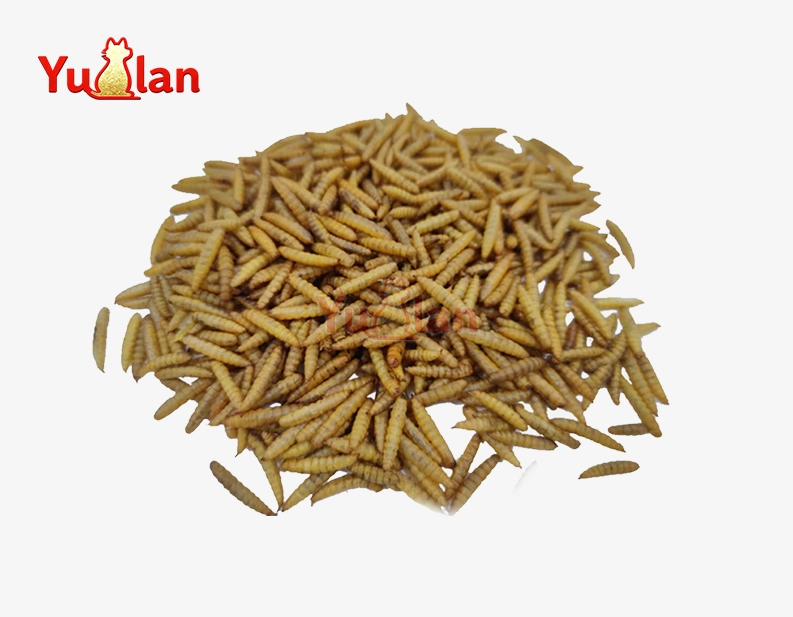
The nutritional profile of dried mealworms typically includes around 50% protein and 25% fat, making them an excellent source of energy. Protein is essential for muscle development, feather growth, and overall bodily functions in birds, while fat provides a concentrated energy source. Think of mealworms as a compact nutritional package — small in size, powerful in impact.
Mealworms Support Vitamins and Minerals Too
It is not only protein. Mealworms are enriched with protein, dietary fiber, essential amino acids, and fats, making them safe and healthy for parrots to consume. Beyond the macronutrients, there is more to appreciate. They provide B vitamins, which support metabolic processes and enhance immune function. They also contain potassium, iron, and magnesium, which are crucial for various physiological functions.
Mealworms parrot treats are also high in magnesium and provide a great supply of magnesium for your pet parrot's diet. Magnesium aids cellular metabolism and bone formation. That makes them an unusually complete insect-based snack for birds at every life stage.

What Makes Mealworms Parrot Treats So Effective? Science and Evidence
Research Confirms the Benefits for Birds
The evidence is not anecdotal. According to research published in the Journal of Avian Biology, birds with diets supplemented with mealworms showed improved health markers, such as better plumage quality and higher reproductive success. Better feathers. Better reproduction. Those are measurable outcomes — not guesses.
A study by the Royal Society for the Protection of Birds (RSPB) found that nestlings fed a diet supplemented with dried mealworms had higher growth rates and better survival chances compared to those that did not receive such supplements. For breeders and aviculturists, that data alone justifies the inclusion of mealworms in the feeding program.
Mealworms During Breeding and Molting Seasons
Timing matters when it comes to treats. For breeding pairs of parrots or those going through molting periods, mealworms can be especially beneficial. The high protein content aids in providing the necessary nutrients for egg formation and chick development, ensuring healthy offspring. During molting, when parrots shed old feathers and grow new ones, mealworms parrot treats support feather regrowth and enhance the quality of the new plumage.
Live food such as insects or mealworms are not necessarily crucial to a bird's diet, but during mating season or molting season they are beneficial. Outside of these seasons, live food can be served up as a treat. The bottom line: seasonal feeding strategy amplifies results.
Behavioral Benefits: Reducing Boredom and Feather Picking
Parrots often show more excitement and natural foraging behavior when mealworms parrot treats appear as a special treat. This behavior helps reduce boredom and feather picking, leading to better overall welfare. That is an underappreciated benefit. Enrichment through food — especially novel, instinct-triggering food — supports mental health just as much as physical health.
Food is one of the most effective reinforcements in training parrots. When used wisely, it can strengthen trust and encourage desired behaviors. Using mealworms as a high-value treat during training sessions can accelerate bonding and compliance significantly.
Dried vs. Live Mealworms: Which Is Better for Your Parrot?
Understanding the Difference
There is a great deal of difference between live and dried mealworms. With different textures and nutrient values, these two forms of larvae will have a diverse impact on the parrot. Neither option is inherently wrong. But they carry distinct advantages and trade-offs.
| Feature | Live Mealworms | Dried Mealworms |
|---|---|---|
| Protein Density | Moderate (with moisture) | High (concentrated) |
| Parasite Risk | Possible (if wild-sourced) | Eliminated (heat-processed) |
| Storage Life | Short (refrigerated) | Long (shelf-stable) |
| Handling Ease | Complex (must be active) | Simple (ready to serve) |
| Behavioral Stimulation | High (movement triggers instinct) | Moderate (safe, familiar) |
| Safety for Captive Birds | Moderate (requires care) | High (vetted, additive-free) |
Why Dried Mealworms Often Win for Pet Owners
The drying process kills any parasites that may have been living on the mealworm. They are more affordable and can be stored for long periods. Contrary to popular belief, dried mealworms do not cause dehydration or any constipation problems.
Dried mealworms have more protein by weight but may lack some nutrients found in live ones. Dried mealworms are easy to store and handle. For the everyday parrot owner — especially those managing multiple birds or large flocks — this convenience is decisive.
How to Serve Mealworms Correctly
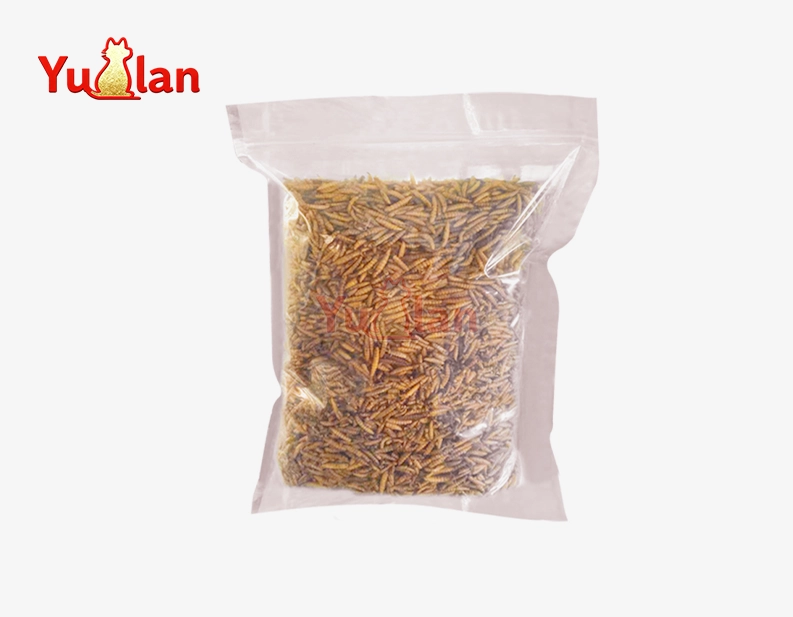
Dried mealworms can be mixed with regular bird seeds or can be given on their own. Simply add a few to the bird's feeding pot; since there's no crawling away, there's nothing to worry about. Keep portions reasonable. Owners should offer mealworms parrot treats as a small part of the diet, about 1–2 times per week. A few mealworms per serving is enough for most parrots.
Introduce them gradually if your parrot has never had them before. Many parrots are naturally neophobic — afraid of new foods. To combat this, offer new foods repeatedly in different forms. Patience pays off.

What to Look for in a Quality Mealworms Parrot Treat Product
The Problem With Low-Quality Mealworms
Not all mealworms are equal. One issue is the potential for contamination. Dried mealworms must be sourced from reputable suppliers to ensure they are free from pesticides, preservatives, and other harmful substances. This is not a minor concern. Mealworms are very nutritious — if they are raised well. A lot of places feed them junk mail, for example, which contains plastics. Or, they feed them vegetables or grains that are not certified-organic, thus containing pesticides.
Sourcing matters enormously. Always avoid wild-caught insects, which may carry pesticides or harmful bacteria. Choose mealworms from trusted sources that follow animal welfare and food safety standards. A reliable supplier is not optional — it is a safeguard for your bird's health.
Key Features of Premium Mealworm Treats for Parrots
- 100% natural ingredients — no artificial additives or preservatives
- Microwave or heat-dried process — eliminates parasites while retaining key nutrients
- No chemical treatments — clean label for sensitive birds
- Consistent protein density — typically 50%+ protein by dry weight
- Good palatability — birds accept them readily without forced feeding
- Supports immune function — not just a snack, but a health tool
Mealworms as Part of a Balanced Treat Rotation
Mealworms work best within a broader feeding strategy. Keep in mind to combine this treat with a balanced diet of colourful vegetables, fruits, seeds, and nuts. Variety is not a luxury — it is a nutritional requirement. Mixing mealworms with other foods keeps meals interesting and supports balanced nutrition.
Think of mealworms as the protein anchor in a rotating treat system. Pair them with leafy greens on Monday, fresh fruit on Wednesday, and mealworms parrot treats again on Friday. That rhythm satisfies instinct and prevents nutritional gaps.
Why B2B Buyers Choose Suqian Ruixin Yunlan Technology for Mealworm Parrot Treats
A Full-Industry-Chain Partner You Can Trust
Suqian Ruixin Yunlan Technology is not a reseller. It is a full-industry-chain enterprise integrating R&D, production, sales, and OEM services. The company dedicates itself to providing high-quality pet-related products and solutions for global B2B partners across more than 60 countries and regions — including the United States, Europe, Japan, and South Korea.
The company's management team carries over 20 years of experience in pet supply chain management. From initially providing ODM services for top international pet manufacturers to now building its own brand portfolio, the team maintains industry-leading levels across quality, cost, and delivery time.
Advanced R&D Driving Better Formulations
Innovation is embedded in the company's DNA. From 2022 to 2025, Ruixin Yunlan Technology invested nearly 100 million yuan in R&D. Its team tracks industry trends, identifies customer needs, and continuously launches new products that meet pet nutritional requirements.
As of December 2025, the company holds 97 domestically authorized patents — including 19 invention patents and 78 utility model patents. A dedicated pet food R&D center supports raw material screening, nutritional value comparison, and formula development. That infrastructure enables the creation of genuinely differentiated mealworm treat products — not commodity goods.
Supply Chain Strength Means Reliable Quality at Scale
Located in Suyu District, Suqian City, the company benefits from a robust regional supply network: Yike Food and Charoen Pokphand Foods for poultry raw materials, Gaoying Irradiation Company for product sterilization, and JD Logistics Park for distribution. That ecosystem supports tight quality control at every production stage.
The company applies core advanced technologies — including meat protease hydrolysis technology — to pet food production. These are not off-the-shelf methods. They represent proprietary techniques refined over years of focused development. For B2B buyers who need to guarantee product quality to their own customers, this depth of supply chain integration makes a critical difference.
OEM Flexibility and Brand Portfolio Power
Ruixin Yunlan Group maintains a self-owned brand portfolio centered on three core brands — Yihe, Paihao, and Maodali — each achieving annual sales revenue of over 300 million yuan. The group also pioneers new brand formats across dog food, cat food, and pet supplies. Its domestic offline presence spans over 10,000 stores and 200+ distributors covering all 33 provincial-level administrative regions in China.
For B2B partners requiring custom formulations or OEM services, Ruixin Yunlan offers the full capability. Product concepts, packaging, formulation adjustment, and private label production — all handled under one roof, with traceable quality controls in place. That simplifies sourcing dramatically for international retailers and distributors.

Ready to Source Premium Mealworm Parrot Treats?
If you are interested in our mealworm parrot treat products and want to learn more details or request a quote, we would love to hear from you.
Send your inquiry today to: minghuixu6717@gmail.com
FAQs
Q1: Can parrots safely eat dried mealworms?
A: Yes. Without a doubt, parrots can eat mealworms and be at no risk. Mealworms are enriched with protein, dietary fiber, essential amino acids, and fats, making them safe and healthy for parrots to consume. Dried mealworms are especially convenient because the heat-drying process eliminates potential parasites and extends shelf life — while retaining most of the nutritional value.
Q2: How often should I give my parrot mealworm treats?
A: Use mealworms as a special treat in moderation, about 1–2 times per week, to encourage natural foraging and keep parrots active and happy without adding too much fat. Overfeeding any high-protein snack can lead to dietary imbalances. Treat them as a reward, not a daily staple.
Q3: Are mealworms good for parrots during breeding season?
A: Absolutely. For breeding pairs of parrots or those going through molting periods, mealworms can be especially beneficial. The high protein content aids in providing the necessary nutrients for egg formation and chick development, ensuring healthy offspring. Offering mealworms during peak breeding periods is a widely endorsed practice among aviculturists.
Q4: What should I look for when buying mealworm treats for my parrot?
A: Always prioritize products that are 100% natural, contain no additives or preservatives, and are sourced from reputable manufacturers. Dried mealworms must be sourced from reputable suppliers to ensure they are free from pesticides, preservatives, and other harmful substances. Look for clean-label products with transparent ingredient lists. OEM-grade sourcing from verified producers like Suqian Ruixin Yunlan Technology ensures the highest safety standards.
Q5: Can mealworms replace other protein sources in a parrot's diet?
A: No — and they should not. Mealworms provide a wholesome snack that enhances well-being. However, it is important to note that mealworms should not replace the main sources of nutrition. Parrots need a mix of seeds, nuts, fruits, and vegetables for balanced nutrition. Mealworms serve best as a supplement and enrichment tool within a varied feeding program.
References
- Can Parrots Eat Mealworms? (December 2025)
- The Power of Mealworms: A Nutritional Superfood for Parrots (August 2023)
- Are Dried Mealworms Good For Birds? (June 2024)
- Can Parrots Eat Dried Mealworms? (January 2022)
- Do Parrots Thrive on Mealworms? (2024)