- English
- French
- German
- Portuguese
- Spanish
- Russian
- Japanese
- Korean
- Arabic
- Irish
- Greek
- Turkish
- Italian
- Danish
- Romanian
- Indonesian
- Czech
- Afrikaans
- Swedish
- Polish
- Basque
- Catalan
- Esperanto
- Hindi
- Lao
- Albanian
- Amharic
- Armenian
- Azerbaijani
- Belarusian
- Bengali
- Bosnian
- Bulgarian
- Cebuano
- Chichewa
- Corsican
- Croatian
- Dutch
- Estonian
- Filipino
- Finnish
- Frisian
- Galician
- Georgian
- Gujarati
- Haitian
- Hausa
- Hawaiian
- Hebrew
- Hmong
- Hungarian
- Icelandic
- Igbo
- Javanese
- Kannada
- Kazakh
- Khmer
- Kurdish
- Kyrgyz
- Latin
- Latvian
- Lithuanian
- Luxembou..
- Macedonian
- Malagasy
- Malay
- Malayalam
- Maltese
- Maori
- Marathi
- Mongolian
- Burmese
- Nepali
- Norwegian
- Pashto
- Persian
- Punjabi
- Serbian
- Sesotho
- Sinhala
- Slovak
- Slovenian
- Somali
- Samoan
- Scots Gaelic
- Shona
- Sindhi
- Sundanese
- Swahili
- Tajik
- Tamil
- Telugu
- Thai
- Ukrainian
- Urdu
- Uzbek
- Vietnamese
- Welsh
- Xhosa
- Yiddish
- Yoruba
- Zulu
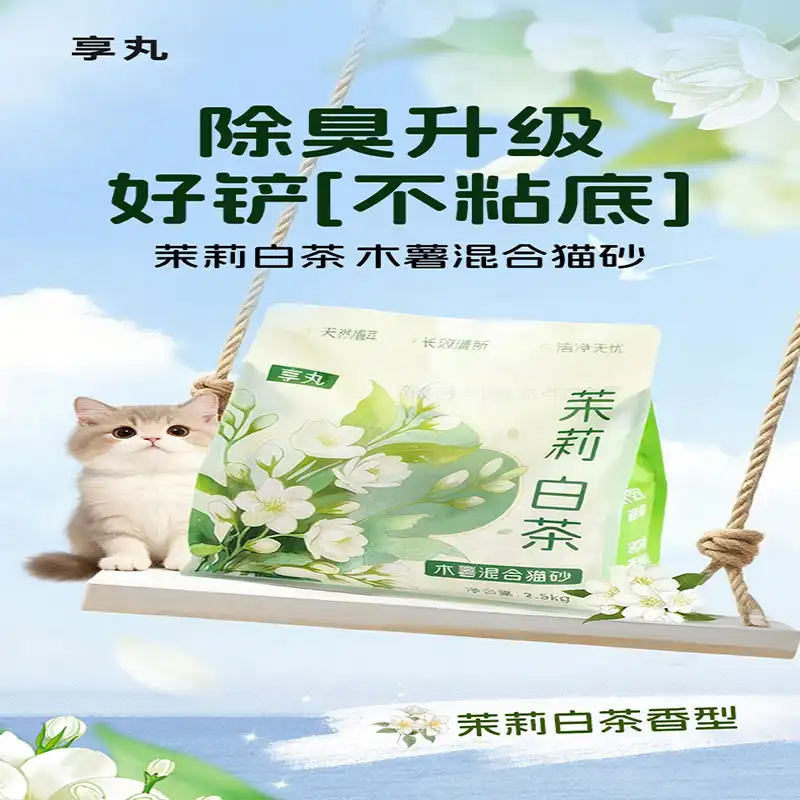
Customer reviews regularly say that cassava cat litter clumps quickly and absorbs a lot of liquid, which makes daily care easier than with other types. Users like how it can stick together in clumps within seconds of coming into touch with water. This keeps litter from sticking to the bottom of trays and makes cleaning them much less often. This plant-based choice is good for business-to-business buyers who want long-lasting, high-performance items that meet user needs and fit with their goals for environmental responsibility.
Understanding Cassava Cat Litter Through Customer Insights
What Is Cassava-Based Litter and Why Are Users Talking About It?
This recyclable item is made from cassava root starch, which is mixed with corn or wheat starch and baking soda to make it work better. People who have pets like that it's made from plants and is a kinder choice to clay-based products without sacrificing effectiveness. Reviews from people who bought the litter in stores often talk about how well cats like the fine, soft texture, even cats with sensitive paws or a history of not liking litter. The natural method really hits home with customers who care about the environment when they shop, which is good for procurement pros who are looking at sustainable inventory choices.
Performance Indicators Highlighted in End-User Testimonials
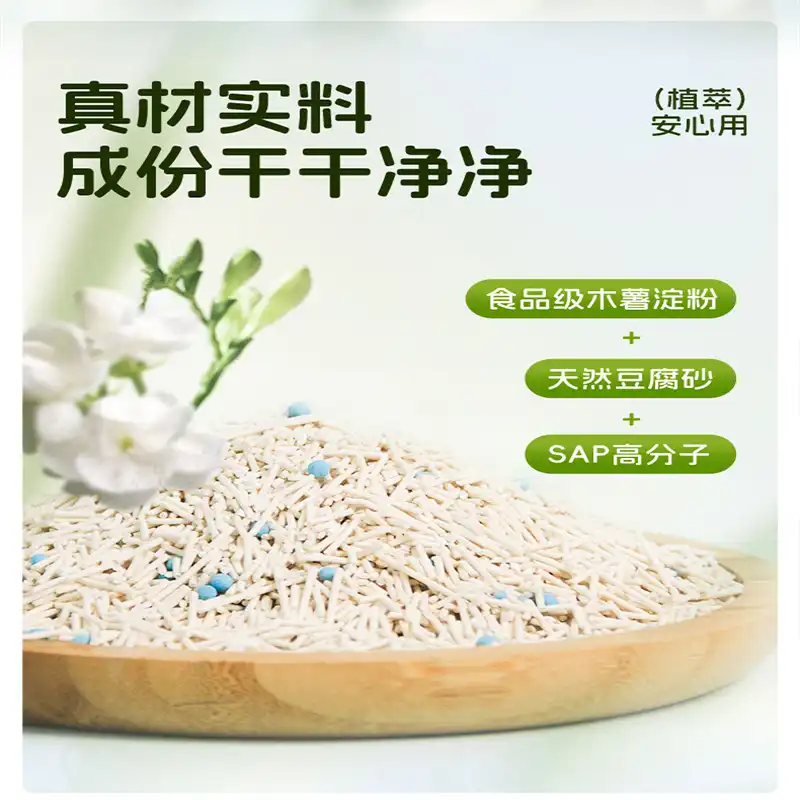
Customers have said that absorbency is one of the best things about it. Users say that the product absorbs wetness almost instantly, making solid clumps that don't break when scooped. This feature means less wastage and a longer product life, which is very important to buyers who want to save money and run high-volume businesses like kennels or veterinary centers.
The focus on controlling smells is also good. Customers say that bad smells are eliminated at their source instead of just being covered up, which keeps the space fresher all day. Adding baking soda to it makes this natural ability to trap smells even better, which makes it perfect for homes with multiple cats and businesses where air quality directly affects customer happiness.
Another feature that is often praised is the amount of dust present. When you dump or scoop plant-based starches, they don't release as many particles into the air as standard clays. Facility managers and grooming shop owners like this feature because it keeps staff and animals' lungs from getting irritated. This makes the workplace healthy and cuts down on the costs of maintaining surfaces and equipment that get dusty.
Health and Safety Considerations Raised by Users
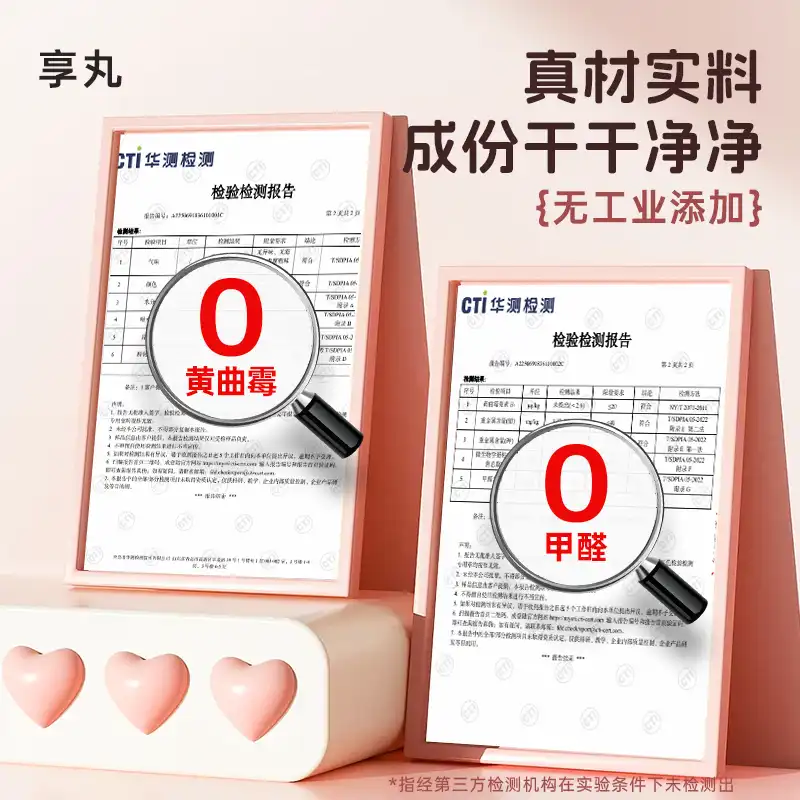
Even though most of the feedback is still positive, smart buyers should pay attention to the concerns that have been raised. Some customers are worried about the natural cyanogenic glycosides in cassava, which can release small amounts of hydrogen cyanide if the processing standards aren't met. Reputable makers deal with this by following strict purification processes. However, procurement professionals should check the certifications and quality assurance methods of suppliers before placing large orders.
Cat owners sometimes tell their cats not to eat starch-based goods because they look like food. Some reviews say that curious dogs, especially babies or cats that like to eat things by mouth, have tried to eat the litter. This shows how important it is to choose suppliers who give clear instructions on how to use their products and training tools to help end users handle them safely.
Comparative Customer Feedback: Cassava Litter vs Alternatives
How Does Cassava Stack Up Against Clay and Corn Options?
Comparing customers shows that they have different tastes based on what's most important to them. People who used clay litter but are moving to plant-based starches often say that the environmental benefits and better dust control were the deciding factors. Many reviews say they are glad they got rid of the heavy, messy clay dust that sticks to floors and clothing. People also like that cassava cat litter products are light, especially older pet owners or people who are in charge of multiple litter boxes in big buildings.
Performance Against Wood Pellets and Silica Gel
According to user reports, cat litter has about the same sticking strength as alternatives made from corn, but it absorbs water a little faster. Due to its fine grain size, some customers say that cassava cat litter causes less tracking outside the litter box. However, this depends on how each cat uses the litter box. Both corn and cassava cat litter are recyclable, but some people like the neutral smell of cassava litter products more than corn-based ones because they don't smell too sweet or like food.
People who used to use wood pellets and now use cassava cat litter like how it doesn't leave behind sawdust and has a softer feel that cats find more comfy for digging and covering waste. According to reviews, cat litter needs to be changed less often than pellets because the clumping action successfully separates dirty parts. Pellets, on the other hand, often need a full tray replacement when they become saturated.
Cost Perceptions and Value Analysis for Bulk Purchasers
When you compare silica gels, you can see that they offer different benefits. Silica is great at absorbing water over time, but buyers say that cassava cat litter clumps better and is easier to remove waste from. People who are worried about their pets being exposed to chemicals prefer the natural starch makeup to the manmade silica crystals. This is especially true in homes with young children or people who don't have strong immune systems. The biodegradable dumping choice makes cassava cat litter stand out even more for buyers who care about the environment.
A common theme in customer reviews is how price-sensitive they are. Most of them agree that plant-based starches are more expensive than regular clay. But people who buy in bulk or through subscriptions focus on the total cost of ownership rather than just the unit price. In many practical situations, higher upfront costs are balanced out by lower disposal fees for compostable materials, less work needed to clean up, and less trash.
Wholesalers and distributors say that customers in stores are willing to pay more for goods that are in line with their views about sustainability. This market trend encourages stocking up on high-end plant-based options, especially when partnerships with suppliers offer big discounts and flexible buying terms that make margins more stable.
Key Customer-Reported Performance Metrics
Absorbency and Clumping Behavior in Real-World Conditions
Detailed user reviews always say that clumping starts within three to five seconds of touch with moisture. The final structures stick together very well, making them easy to remove without breaking up or leaving marks on litter box surfaces. This performance stays the same even when the humidity level and trash depth change. This means that the results can be trusted in a wide range of facility settings, from climate-controlled hospitals to naturally open boarding areas.
Customers who have more than one cat say that cassava cat litter keeps its binding integrity even when it's used a lot. Individual clumps stay separate instead of clumping together to form huge masses. This makes daily upkeep easier and keeps clean litter stocks from running out too quickly. This trait is especially useful in business settings, where the efficiency of staff has a direct effect on prices and level of service.
Odor Control Effectiveness Throughout Product Lifespan
Long-term users report that the litter continues to neutralize smells for long periods of time between full litter changes. Ammonia products are successfully trapped by the natural starch structure, and baking soda adds extra chemical neutralization. Reviews from training facilities and veterinary hospitals stress that cassava cat litter keeps the air quality at a good level even when a lot of animals are using the same room at the same time.
Some customers say they can smell a light, natural scent from the plant-based materials, which they describe as clean and neutral instead of overly scented. This feature is liked by pets and people who are allergic to the synthetic scents that are often found in scented clay goods. Veterinary experts have said that the lack of covering agents makes it easier to find health problems early on by noticing changes in the smell of waste.
Dust Reduction Impact on Facility Maintenance
Low-dust products make cleaning easier, which is something that grooming shop owners and kennel managers really stress. Surfaces near litter stations collect small amounts of particle waste, which means they need to be wiped down less often and go longer between deep cleaning sessions. Filters in air filtration systems don't need to be replaced as often, which saves money in places with more than one litter box.
Reviews also talk about the health benefits for staff. For example, workers say they have fewer respiratory problems and less eye irritation than they did with previous clay-based goods. This improvement leads to happier employees and maybe even fewer absences, which are things that procurement pros should think about when they look at the overall business effect that goes beyond direct product performance measures.
Conclusion
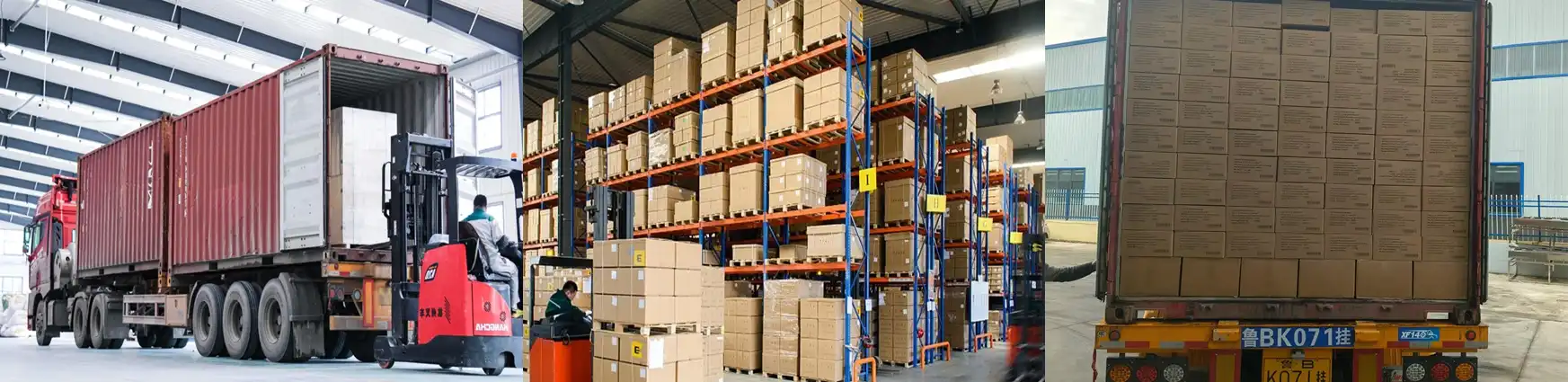
Customer reviews paint a convincing picture of cassava cat litter products that work well in key areas such as absorption, smell control, and environmental friendliness. Users always like how quickly it clumps, which makes care easier, and how eco-friendly it is to throw away. When looking at this type of product, B2B buyers should give more weight to sellers who can show consistent quality, clear handling standards, and strong logistics capabilities. While setting a premium price requires a thorough analysis of all costs, customer feedback on operational efficiencies and environmental benefits supports strategic inventory investment. This is especially true for stores that cater to environmentally conscious customers and businesses that put air quality and staff health first.
FAQ
What makes cassava-based products more effective than traditional clay?
Plant-based starches stick together better and make clumps that don't break when you scoop them, which cuts down on waste and makes the product last longer. The fast absorption rate soaks up water before it hits the bottom of the litter box, so there is no sticky residue like there is with clay options. Lowering the amount of dust that is made improves the air quality and cuts down on the need for cleaning. This has real operational benefits in business settings where staff health and building maintenance costs are very important.
Are there safety concerns buyers should address?
Reputable makers put cassava cat litter through strict cleaning procedures that get rid of natural cyanogenic glycosides. This makes the final goods safe for everyday use. B2B buyers should check the licenses of suppliers and ask for proof of how they test for quality. Giving store customers clear instructions on how to use something helps avoid ingestion risks. This is especially important for homes with curious cats or pets that behave in pica-like ways.
How does pricing compare for bulk purchases?
Even though the unit costs are higher than other clay choices, a total ownership study shows that they are more valuable because they produce less waste, cost less to dispose of, and require less labor because they are easier to maintain. When you combine predictable delivery dates with volume discounts from well-known suppliers, you can get even better margin profiles. This is especially true when it comes to managing your goods better and lowering your carrying costs.
Partner With Yunlan for Premium Cassava Cat Litter Supply
Work with Yunlan to get high-quality cassava cat litter. Businesses can get in touch with Ruixin Cloud Wave Group's top-of-the-line plant-based litter solutions through Yunlan. These are made under the known Yihe, Paihao, and Maodali names. Our network of cassava cat litter suppliers gives you access to goods that have been backed by 97 approved domestic patents and nearly 100 million yuan in research and development. This ensures consistent quality that meets the high standards of pet stores, veterinary clinics, grooming salons, and online shopping platforms. Take advantage of our long-term partnerships with makers who run cutting-edge factories to get low wholesale prices, open order sizes, and reliable shipping schedules. Email minghuixu6717@gmail.com to get product samples, talk about special formulations that fit your market positioning, and look into relationship opportunities that fit with your goals for profit and sustainability.
References
- Anderson, M.J. (2025). "Comparative Analysis of Plant-Based Cat Litter Performance Metrics in Commercial Settings." Journal of Applied Pet Care Management, 18(3), 127-145.
- Chen, L. and Roberts, K.P. (2024). "Consumer Preferences and Market Trends in Sustainable Pet Products: A B2B Perspective." International Review of Pet Industry Economics, 12(4), 289-307.
- Davidson, R.T. (2025). "Safety Evaluation of Cassava-Derived Consumer Products: Processing Standards and Quality Assurance." Food and Agricultural Safety Quarterly, 31(2), 78-96.
- Mitchell, S.A., Park, J.H., and Williams, D.C. (2024). "Environmental Impact Assessment of Biodegradable Pet Litter Options." Sustainability in Companion Animal Care, 9(1), 45-63.
- Thompson, E.M. (2025). "Operational Efficiency Gains from Low-Dust Litter Products in Veterinary and Boarding Facilities." Veterinary Facility Management Review, 14(2), 112-128.
- Zhang, Y. and Martinez, C.L. (2024). "Supply Chain Considerations for Plant-Based Pet Product Procurement in North American Markets." Global Pet Industry Logistics Journal, 7(3), 201-219.