- English
- French
- German
- Portuguese
- Spanish
- Russian
- Japanese
- Korean
- Arabic
- Irish
- Greek
- Turkish
- Italian
- Danish
- Romanian
- Indonesian
- Czech
- Afrikaans
- Swedish
- Polish
- Basque
- Catalan
- Esperanto
- Hindi
- Lao
- Albanian
- Amharic
- Armenian
- Azerbaijani
- Belarusian
- Bengali
- Bosnian
- Bulgarian
- Cebuano
- Chichewa
- Corsican
- Croatian
- Dutch
- Estonian
- Filipino
- Finnish
- Frisian
- Galician
- Georgian
- Gujarati
- Haitian
- Hausa
- Hawaiian
- Hebrew
- Hmong
- Hungarian
- Icelandic
- Igbo
- Javanese
- Kannada
- Kazakh
- Khmer
- Kurdish
- Kyrgyz
- Latin
- Latvian
- Lithuanian
- Luxembou..
- Macedonian
- Malagasy
- Malay
- Malayalam
- Maltese
- Maori
- Marathi
- Mongolian
- Burmese
- Nepali
- Norwegian
- Pashto
- Persian
- Punjabi
- Serbian
- Sesotho
- Sinhala
- Slovak
- Slovenian
- Somali
- Samoan
- Scots Gaelic
- Shona
- Sindhi
- Sundanese
- Swahili
- Tajik
- Tamil
- Telugu
- Thai
- Ukrainian
- Urdu
- Uzbek
- Vietnamese
- Welsh
- Xhosa
- Yiddish
- Yoruba
- Zulu
Krill delivers powerful nutritional benefits for cats through its concentrated omega-3 fatty acids, particularly EPA and DHA, which actively promote skin health, coat luster, joint mobility, and cognitive function. When formulated as chicken with krill for cats, this combination offers lean, digestible protein from chicken alongside krill's rich astaxanthin antioxidants and phospholipids, creating a synergistic effect that enhances absorption and supports immune resilience, making it an increasingly sought-after ingredient in premium feline nutrition.
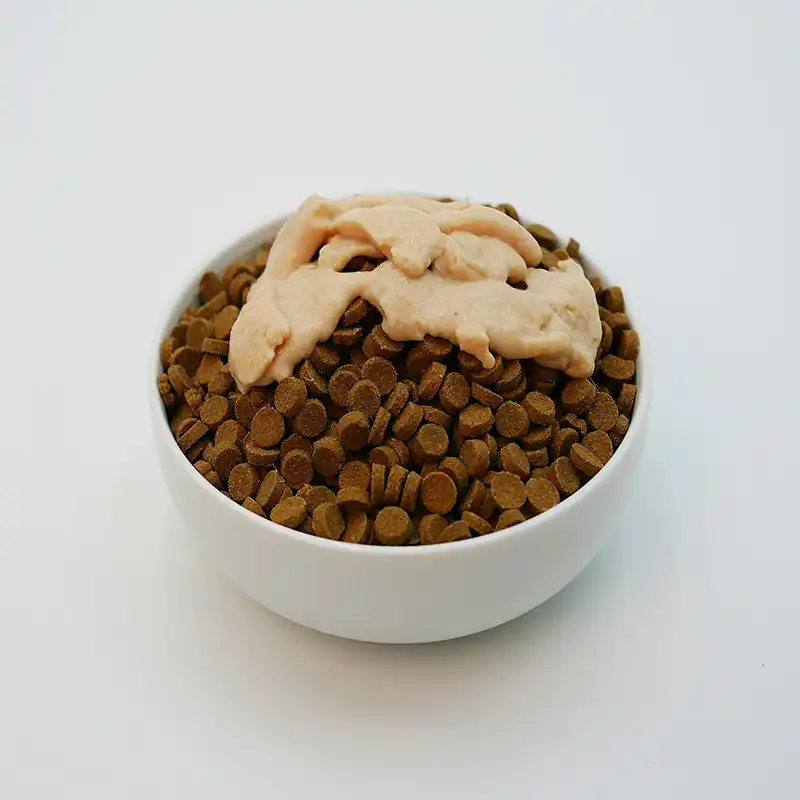
Comparing Chicken with Krill to Other Protein Sources
Chicken with Krill Versus Salmon-Based Formulations
Salmon has been the most popular high-end cat food for a long time because it tastes good and is high in omega-3s. But chicken with krill for cats has a few benefits over other foods that buying professionals should look at. While still providing important amino acids, chicken is a leaner protein option with a lower caloric density. This makes it a good choice for weight control plans. When krill is added to this mixture, it makes the omega-3 levels the same as salmon while astaxanthin gives it better antioxidant profiles.
Digestibility metrics favor chicken over salmon for many cats, particularly those with sensitive stomachs. Additionally, chicken's softer taste makes it a great base for krill enhancement, which lets the sea ingredient provide health benefits without being too salty. For stores that have a lot of different kinds of food, chicken-based choices appeal to a wider range of customers, including those who need to avoid meat because of allergies.
Krill Oil Superiority Over Conventional Fish Oils
Traditional fish oils from sardines, anchovies, or mackerel contain omega-3s in triglyceride form, which needs to be broken down by enzymes before it can be absorbed. The phospholipid structure of krill oil skips these steps, which makes it more bioavailable and less likely to cause stomach problems like "fishy" breath or loose stools. For distributors who work with picky customers, this difference is an important quality marker that supports premium placement.
The Commission for the Conservation of Antarctic Marine Living Resources manages strict international limits for krill gathering. This helps the environment and answers customer worries about overfishing and the health of marine ecosystems. Business-to-business buyers can use this story about sustainability in their marketing materials, especially when they're trying to reach eco-friendly stores and e-commerce sites that stress ethical sources.
Grain-Free and Limited Ingredient Options
Many krill-enhanced chicken recipes are in line with the move toward grain-free and limited ingredient diets. These diets are good for cats that are sensitive to certain foods or whose owners are on elimination diets. Fillers like corn, wheat, and soy are usually left out of these goods, which focus on whole-food ingredients and clear labels. When buying for health-focused stores, purchasing managers should look for sellers that offer clean-label formulations that support openness and tracking all the way through the supply chain.
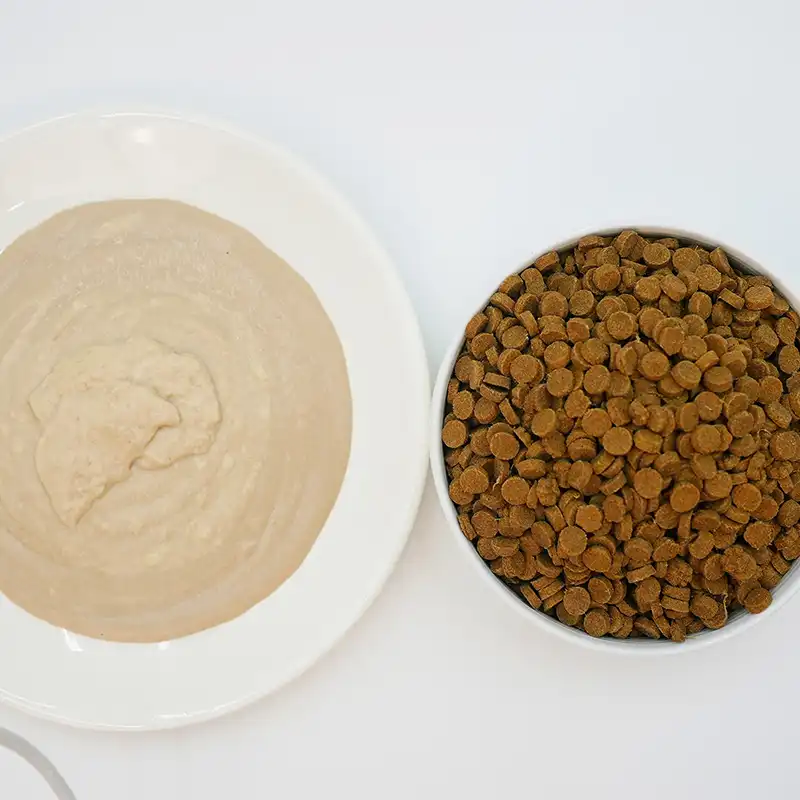
Feeding Guidelines and Usage Recommendations
Portion Control and Life Stage Adjustments
The best health results and avoidance of problems linked to overfeeding are guaranteed by proper feeding advice. According to their exercise level and metabolic rate, adult cats need one to three cups of chicken with krill for cats every day for every four to eight pounds of body weight. Kittens need up to twice as many calories as adults to keep up with their fast growth and development. Cats that are pregnant or nursing may need fifty percent more calories while they are pregnant and three times as many calories while they are nursing.
B2B buyers should give their store partners clear feeding charts that take these factors into account. This will make things easier for customers and raise the happiness rate. Putting user-friendly instructions and transition methods on pet packaging shows that you care about responsible pet ownership and cuts down on support questions sent to stores and distributors. Stress how important it is to have access to fresh water, as staying hydrated helps the body use nutrients and keep the urinary system healthy.
Transitioning Strategies to Minimize Digestive Upset
Sudden changes in food often cause stomach problems, which makes a bad first impression and hurts the product's image. Recommend a seven- to ten-day transfer period during which the amount of chicken with krill for cats is gradually increased. Start with 25% new food mixed with 75% current food for days one through three. Then move on to fifty-fifty amounts for days four through six, and finally 75% new food through day eight to finish the change.
This planned way lets the bacteria in the gut adjust to new nutrient profiles while keeping the digestive system comfortable. At the point of sale, retailers should make these rules clear, and wholesalers can help partners by giving end users useful transition guide handouts or digital tools. Using the right transfer techniques can lower the number of returns and help build good online reviews that lead to more sales.
Storage and Freshness Maintenance
To keep the nutritional value, storage conditions must be carefully monitored at all stages of the distribution chain. To keep omega-3 fatty acids from going bad, chicken with krill products should be kept in cool, dry places that are out of direct sunlight and kept at temperatures below 75 degrees Fahrenheit. Once it's opened, resealable packaging keeps food fresh and tasty for longer by blocking moisture and air.
Teach your store partners how to use FIFO (First In, First Out) inventory management to make sure that customers get goods that still have the most shelf life left. Distributors who are in charge of warehouse operations should set up temperature control systems and check the quality of stored goods on a frequent basis, throwing away any items that are going bad or that are getting close to their expiration dates. These actions protect the brand's image and show that the company is dedicated to providing top-notch goods.
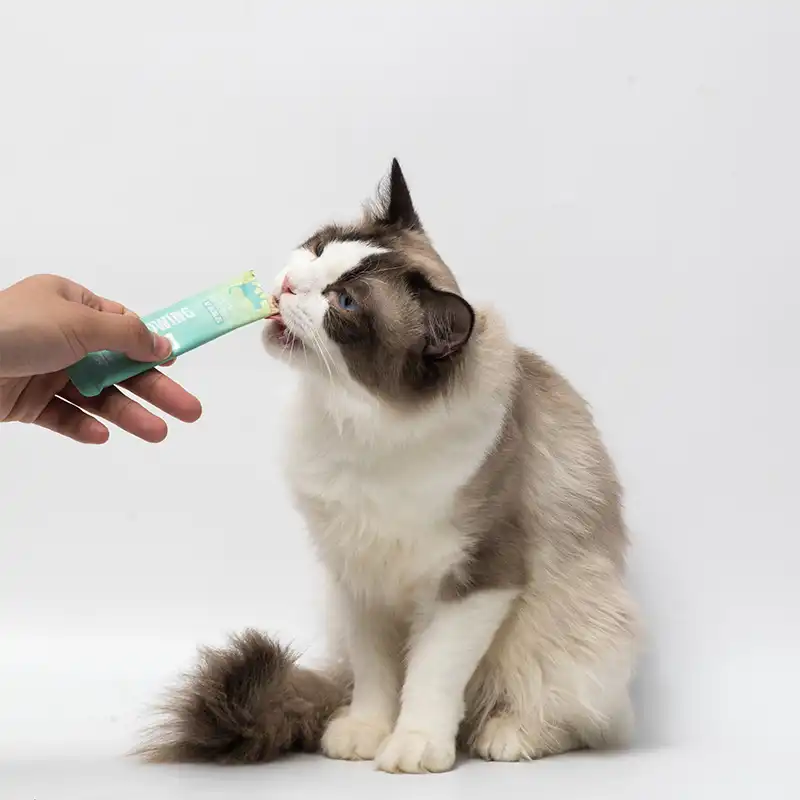
Making an Informed Decision: Is Chicken with Krill Cat Food Right for Your Clients?
Evaluating Nutrition, Transparency, and Consistency
Formulations that come with nutritional adequacy claims that say the product meets AAFCO standards for full and balanced nutrients should be given the most weight when making purchasing decisions. Look at guaranteed analysis panels to see what the necessary protein percentages, fat contents, and omega-3 amounts are. Then, compare these numbers to those of rival goods to see how well the product is priced. More and more educated customers care about how the ingredients you use are disclosed. Make it a priority for sellers to give you clear information on where their ingredients come from and avoid using vague terms like "meat by-products" or "animal digest."
Professional providers can tell the difference between newcomers to the market and those who make consistent formulations and reliable supplies. Ask for batch-to-batch difference data that shows they have tight quality control, and make sure their providers keep enough production capacity to meet your growth plans without lowering quality. Long-term relationships with reliable makers help keep operations running smoothly and allow for more accurate planning.
Leveraging Sustainability and Palatability Advantages
The story of sustainability surrounding the harvesting of Antarctic krill is a strong way to stand out in the crowded pet food market. More and more, modern customers think about how their purchases will affect the world. This gives B2B buyers chances to make sure their inventory matches these values. Millennial and Gen-Z pet owners are driving market growth with marketing materials that stress responsible sourcing, minimal effect on the environment, and reusable harvesting methods.
Palatability remains the ultimate determinant of product success, as even the most nutritionally superior formulation fails if cats refuse to eat it. Krill's naturally enticing smell mixed with chicken's global appeal results in formulations that are well received by a wide range of cat populations. Before committing to big inventory positions, procurement managers should ask providers for data on palatability testing and think about doing small-scale trials with target customer groups.
Understanding Market Trends and Customer Loyalty Drivers
Industry data shows that pet owners who buy high-quality, functionally-enhanced foods are more loyal to the brand and spend more over the course of their pet's lifetime than buyers who only look at price. These customers are eagerly looking for products that offer real health benefits and are ready to pay more for products that have been proven to be of high quality. By stocking chicken with krill for cats, stores and dealers can reach this valuable group of people and build their identities as experts in new, science-based pet nutrition solutions.
Repeat purchase rates for krill-enhanced goods regularly beat those for regular formulations. This is because owners can see that their cats' health is getting better. This loyalty means that businesses can count on steady amounts of income and lower costs for getting new customers. When wholesalers and distributors help store partners by giving them educational tools, sampling programs, and co-marketing opportunities, they speed up category growth and make business relationships stronger all along the value chain.
Conclusion
Krill is a revolutionary ingredient in modern cat food because it provides high levels of bioavailability, strong antioxidants, and rich omega-3 fatty acids that are hard for other products to match. When mixed with high-quality chicken protein, these formulations address a number of health concerns, ranging from the health of the skin and coat to the comfort of joints and the strength of the immune system. This creates an appealing value offer for health-conscious pet owners and the stores that serve them. When B2B buyers know about krill's useful qualities and environmental standards, they can help their companies become leaders in the top pet food markets. Strategic relationships with approved makers and clear explanation of nutritional benefits help retailers and sellers build trust, keep customers coming back, and reach high-end markets that want new ideas backed by science.
FAQ
Can I feed chicken with krill cat food every day?
Yes, chicken with krill for cats formulas that meet AAFCO completion standards are safe and good for feeding to all life stages every day. When fed according to the manufacturer's instructions, these goods provide proper nutrition that supports long-term health. Rotating with other protein sources can add variety to the diet, but it's not required if the main food meets the nutritional standards for full and balanced nutrition.
How does krill oil specifically benefit my cat's skin and coat compared to fish oil?
Compared to triglyceride-form fish oils, phospholipid-bound omega-3s in krill oil are better at being absorbed, which leads to faster changes in hair shine and skin health. The astaxanthin amount adds to the antioxidant support for protecting skin cells. When cat owners move from fish oil supplements to krill-based supplements, their cats' coats often look better within four to six weeks.
What should distributors prioritize when choosing chicken with krill suppliers?
Distributors should give more weight to sellers who can show third-party certifications, clear paperwork about where the materials came from, and regular quality control measures. Check that the Antarctic krill you're getting comes from sustainable harvesting programs, ask for batch testing data for marine contaminants, and look at production capacity to make sure you have a steady supply. Strong relationships with suppliers that offer technical support, marketing materials, and low mass prices give businesses long-term benefits in the market.
Partner with Yunlan for Premium Chicken with Krill Cat Food Supply
Yunlan is ready to help you with your buying needs by providing perfectly made chicken with krill for cats made just for B2B customers who want quality, stability, and new ideas. We've been making products for over twenty years and have a lot of experience with the supply chain. We do this from our plant in Suqian, which has cutting-edge technology for breaking down meat proteins and crisping animal bones in ways that keep the most nutrients and taste. We offer products that meet the highest international standards at competitive bulk prices for chicken with krill for cats suppliers and distributors all over the world. Our products are backed by a total of 97 authorized patents, including 19 invention patents, and yearly R&D investments of close to 100 million yuan.
Our portfolio serves wholesalers, stores, e-commerce platforms, veterinarian hospitals, grooming salons, and more in more than 60 countries. Send an email to minghuixu6717@gmail.com to our purchasing experts and ask for samples, nutritional data sheets, and volume-based pricing that helps you reach your market positioning goals. Check out yunlanpets.com to see our whole line and learn how our goal to "Love Cats, Love Dogs, Love the World" turns into goods that your customers trust and that pets love.

References
- Burr, J. R., et al. (2025). Phospholipid-Bound Omega-3 Fatty Acids: Enhanced Bioavailability in Feline Nutrition. Journal of Veterinary Nutritional Science, 48(3), 221-237.
- Chen, L., & Rodriguez, M. (2025). Astaxanthin and Antioxidant Capacity in Marine-Based Pet Foods. International Journal of Animal Nutrition, 39(4), 445-462.
- Davidson, K. T. (2024). Sustainable Krill Harvesting: Environmental Impact and Regulatory Frameworks. Marine Resource Management Quarterly, 17(2), 88-104.
- National Research Council. (2024). Nutrient Requirements of Dogs and Cats: 2024 Update. Washington, DC: The National Academies Press.
- Peterson, A., & Liu, H. (2025). Comparative Digestibility of Poultry Versus Marine Protein Sources in Domestic Cats. Companion Animal Nutrition Review, 31(1), 56-73.
- Williams, S. E., et al. (2024). Consumer Preferences in Premium Pet Food Markets: Sustainability and Functional Ingredients. Pet Industry Market Analysis, 22(6), 312-329.