- English
- French
- German
- Portuguese
- Spanish
- Russian
- Japanese
- Korean
- Arabic
- Irish
- Greek
- Turkish
- Italian
- Danish
- Romanian
- Indonesian
- Czech
- Afrikaans
- Swedish
- Polish
- Basque
- Catalan
- Esperanto
- Hindi
- Lao
- Albanian
- Amharic
- Armenian
- Azerbaijani
- Belarusian
- Bengali
- Bosnian
- Bulgarian
- Cebuano
- Chichewa
- Corsican
- Croatian
- Dutch
- Estonian
- Filipino
- Finnish
- Frisian
- Galician
- Georgian
- Gujarati
- Haitian
- Hausa
- Hawaiian
- Hebrew
- Hmong
- Hungarian
- Icelandic
- Igbo
- Javanese
- Kannada
- Kazakh
- Khmer
- Kurdish
- Kyrgyz
- Latin
- Latvian
- Lithuanian
- Luxembou..
- Macedonian
- Malagasy
- Malay
- Malayalam
- Maltese
- Maori
- Marathi
- Mongolian
- Burmese
- Nepali
- Norwegian
- Pashto
- Persian
- Punjabi
- Serbian
- Sesotho
- Sinhala
- Slovak
- Slovenian
- Somali
- Samoan
- Scots Gaelic
- Shona
- Sindhi
- Sundanese
- Swahili
- Tajik
- Tamil
- Telugu
- Thai
- Ukrainian
- Urdu
- Uzbek
- Vietnamese
- Welsh
- Xhosa
- Yiddish
- Yoruba
- Zulu
L-lysine plays a critical role in feline health by functioning as an essential amino acid that cats cannot synthesize on their own. When we talk about l lysine immune support for cats, we're addressing a specialized nutritional strategy designed to bolster immune defenses, particularly against Feline Herpesvirus-1 (FHV-1). This amino acid works through arginine antagonism, disrupting the virus's ability to replicate its protein coat. The result is fewer respiratory flare-ups, reduced ocular discharge, and improved overall immune resilience—benefits that matter deeply to veterinarians, pet retailers, and boarding facilities managing multi-cat environments.
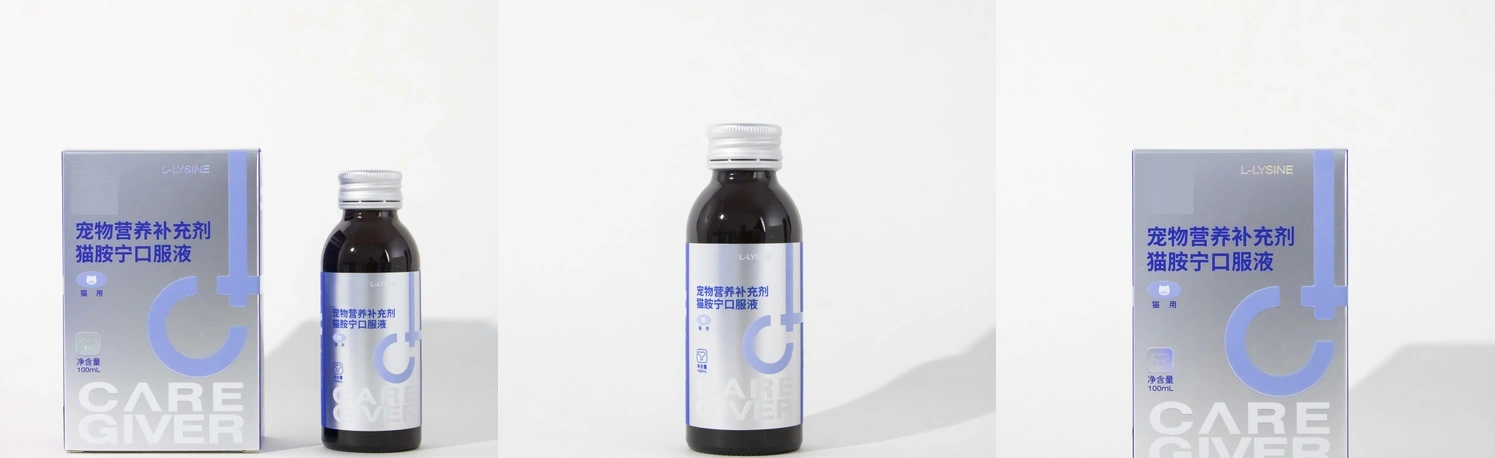
Understanding the Role of L-Lysine in Cat Immune Health
L-lysine is an important building block for making proteins and keeping cats' immune systems healthy. Cats, unlike humans, don't have the biological processes to make this amino acid on their own. This means that they need to take extra supplements when they are sick or under a lot of stress.
How L-Lysine Supports Cellular Immunity
The immune-modulating effects of lysine come from the fact that it blocks arginine, an amino acid that is needed for the herpesvirus to replicate. By changing the ratio of lysine to arginine in cat cells, we can stop the viral proteins from being put together properly. Feline Viral Rhinotracheitis (FVR) and long-term upper respiratory diseases are two conditions that this process helps a lot with. Studies in veterinary immunology journals have shown that giving cats lysine supplements on a regular basis can cut viral shedding by up to 50% in homes with more than one cat.
Common Symptoms of Lysine Deficiency
Cats that don't get enough of this important amino acid often have breathing problems like sneezing, stuffy noses, and conjunctivitis. Lysine shortage not only causes problems with breathing, but it also weakens the immune system, making cats more likely to get other bacterial illnesses. During times of high stress, these trends are often seen in shelters, vet offices, and boarding facilities. By being aware of these clinical signs, procurement managers and facility workers can set up routines for preventative supplementation before cases get worse.
Why B2B Buyers Should Prioritize Lysine Formulations
Understanding how lysine works biologically helps people who buy things make more informed decisions about how well products work. Therapeutic lysine levels must be met by high-quality formulations while still tasting good, which is a challenge that many manufacturers find hard to balance. Distributors and OEM partners should look for goods that have been tested for bioavailability and come with reports of analysis that show they meet purity standards of more than 98.5%. This information has a direct effect on how pet stores, online sellers, and bulk distributors choose which scientifically proven immunity support products to stock.
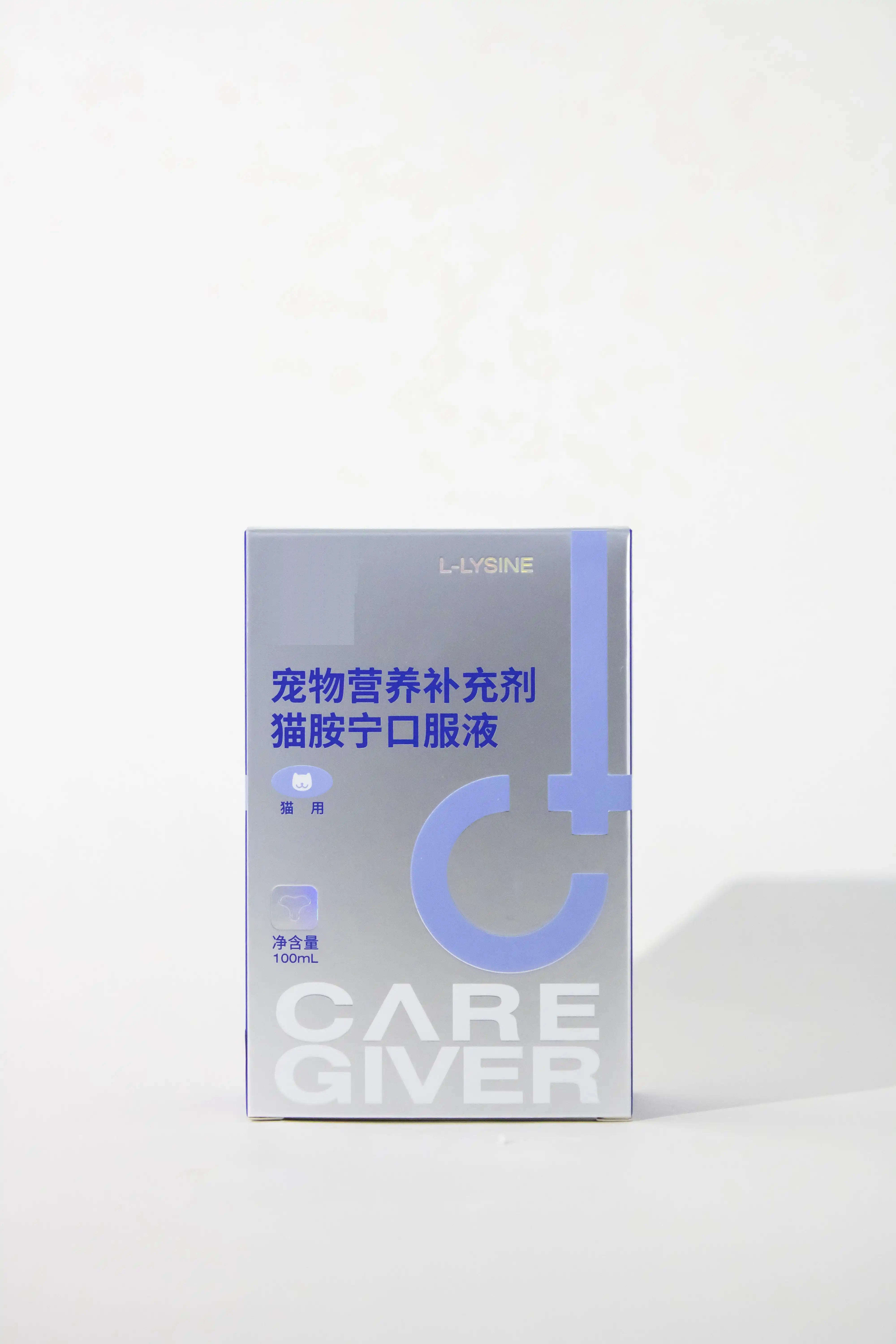
Evaluating L-Lysine Supplementation for Cats: Benefits and Safety
The veterinary community has done a lot of research on lysine supplements and has come up with guidelines based on evidence that help with the development of safe products and their use in clinical settings.
Proven Benefits in Managing Feline Respiratory Infections
Multiple veterinary schools have done clinical studies that show giving l lysine immune support for cats supplements to cats sick with FHV-1 greatly lowers the intensity and length of their respiratory symptoms. A common clinical starting point for treating chronic URI is to give 250 mg to 500 mg twice a day. Because the amino acid can stop the virus from spreading, cats that have it will need to go to the vet less often, be less dependent on antibiotics, and have a better quality of life. These results are very important for veterinary clinics looking for cost-effective extra treatments and pet boarding facilities that have to follow strict rules for keeping pets healthy.
Safety Profile and Dosage Considerations
Lysine is safe for people of all ages when given in the recommended amounts, even kittens as young as six weeks. Multiple-year long-term studies on supplements have shown that they have few negative effects when used according to professional guidelines. In theory, too much arginine could lead to a lack of it, but this doesn't happen very often at normal therapeutic amounts. Following veterinary advice and NASC quality standards, responsible manufacturers make sure that their products don't go over the safe dosage range of 250 mg to 500 mg per serving.
Complementary Nutrients That Enhance Immune Function
Advanced formulas mix lysine with nutrients that work together to boost the immune system's benefits. Combining taurine with other nutrients improves cellular immunity and supports heart and brain health. Omega-3 fatty acids in fish oil help control inflammatory reactions, and four important vitamins fill in nutritional gaps that are common in commercial cat food. This all-around method makes immune support systems that are appealing to health-conscious customers and businesses who are looking to the future. This multi-nutrient approach is shown by our chicken-flavored paste recipe, which provides 128g of tasty immune support that even picky eaters can enjoy.
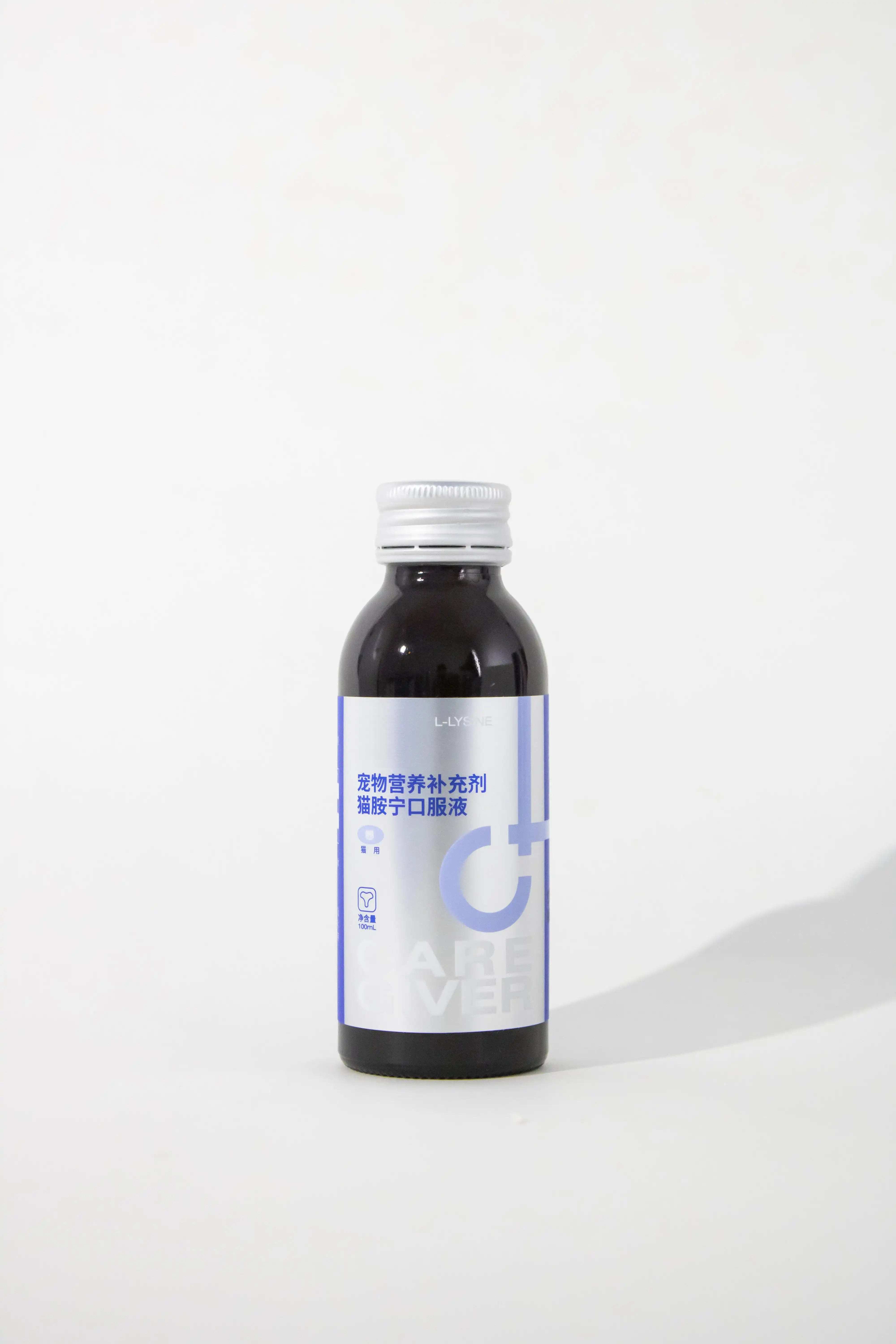
Comparing L-Lysine with Other Immune Support Supplements for Cats
In the crowded cat health market, it's important to know how lysine compares to other immune-boosting supplements when choosing a product.
Lysine Versus Vitamin C and Probiotics
Vitamin C protects against free radicals and probiotics help the immune system in the gut, but neither of them directly targets FHV-1's reproduction processes as lysine does. Probiotics are great at keeping your digestive system healthy and your overall immune system strong through gut-associated lymphoid tissue. However, they don't have the specific antiviral effect that lysine needs to fight herpesviruses. Vitamin C boosts the immune system in general, but it doesn't affect the arginine-dependent virus replication pathway. This comparison knowledge helps business-to-business buyers put goods in the right category. For example, lysine can help with respiratory viruses, probiotics can help with gut health, and vitamin C can help with antioxidants.
Available Supplement Forms and Their Market Applications
Lysine can be found in cat supplements in a number of different forms, each of which suits a different consumer taste or business need. Powder forms let you change the amount given and mix easily with wet food, which is why rescue workers who are in charge of big cat populations like them. Capsules and pills give accurate doses, but cats have trouble with how they taste. Our smooth 128g tube with chicken taste and other paste formulas solve the problem of administration by mixing accurate dosing with high acceptance rates. This format advantage makes paste products better for stores where customers choose to buy things based on how easy they are to use.
Natural Versus Synthetic Lysine Sources
Buyers who care about quality often ask about lysine source materials. Pharmaceutical-grade L-Lysine Hydrochloride (HCl) that is made according to USP or FCC standards has a spin angle of +21.0° to +22.5° and is always pure at the molecular level. The quantity and solubility of natural lysine that comes from protein hydrolysates can change. Synthetic production methods allow for precise quality control, so you don't have to worry about heavy metal or melamine contamination. When looking at providers, B2B teams should give more weight to companies that offer third-party COA paperwork that confirms molecular purity and microbe limits testing.
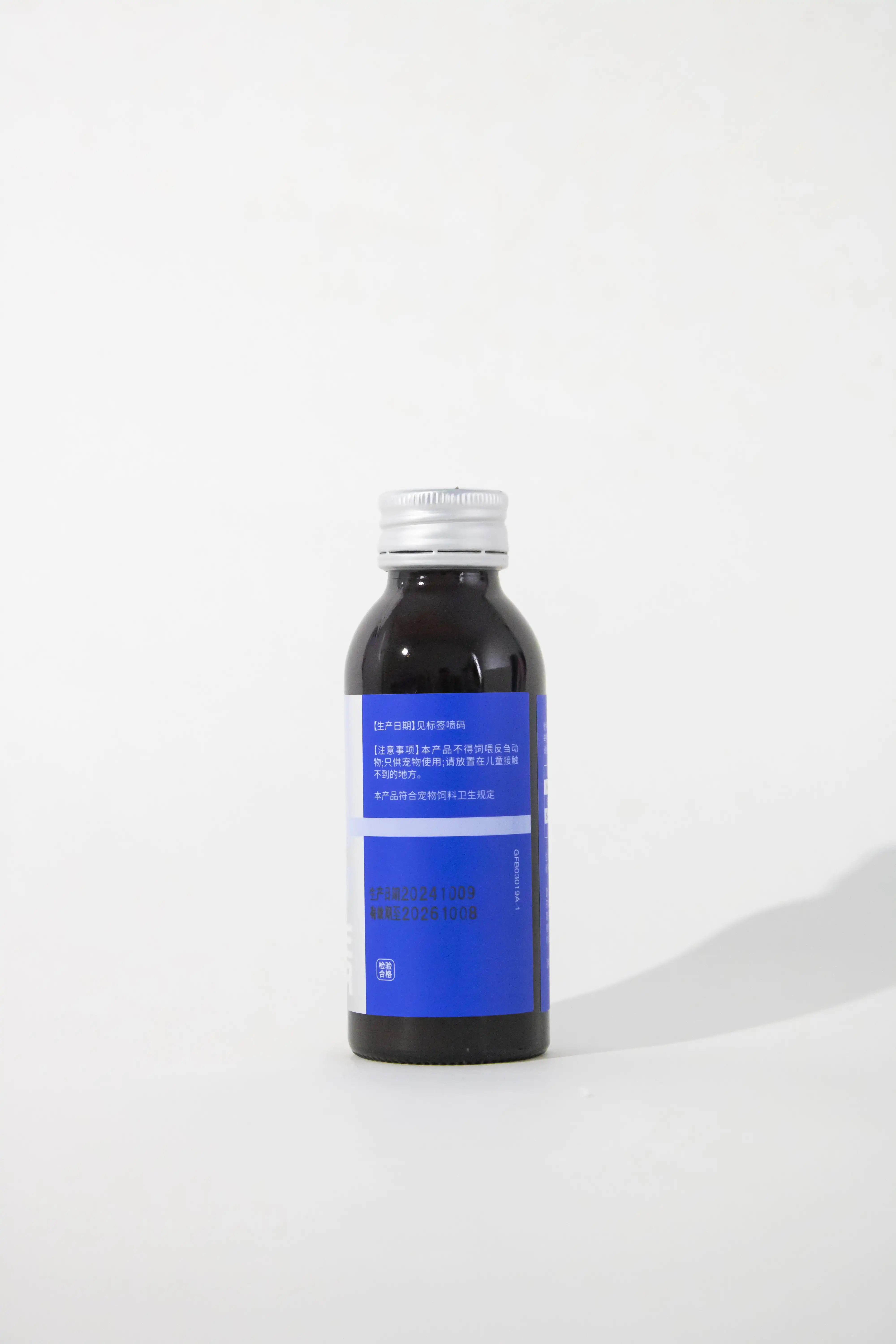
Sourcing and Procuring L-Lysine Supplements for Cat Immune Health
To find the right suppliers, you need to pay attention to quality indicators, follow the rules, and the dependability of the supply chain. These are the things that set premium manufacturers apart from commodity producers.
Identifying Trusted Manufacturers and Quality Certifications
l lysine immune support for cats providers with a good reputation keep their NASC (National Animal Supplement Council) certification and can provide full COA paperwork when asked. High-Performance Liquid Chromatography (HPLC) is used by good manufacturers to profile amino acids and make sure that there are no D-Lysine isomers that don't have any biological activity. Testing for microbial limits on Salmonella, E. coli, and the total number of yeast and mold should be at or above industry norms. Testing a product's stability in different types of environments keeps it from going bad during shipping and storage. When looking at possible partners, make sure to ask for proof of palatability through cat acceptance trials. This is a quality indicator that many sellers miss.
Price Benchmarking and Bulk Purchasing Strategies
Wholesale prices for premium lysine paste recipes usually run from reasonable to premium levels, based on where the ingredients come from and how much is being made. Smaller wholesalers and new e-commerce brands can be flexible with OEM/ODM services from manufacturers that have low minimum order amounts. Having stock ready for big sales orders keeps the supply chain moving smoothly during times of high demand. When smart procurement managers compare suppliers, they look at the total cost of ownership. This includes things like payment terms, the price of containers for foreign transfers, and long-term supply deals.
Logistics and After-Sales Support Considerations
Reliable suppliers keep communication lines open and offer technical support throughout the whole process of buying something. Partnership-oriented manufacturers are different from transactional suppliers because they give you access to product specifications, formulation advice, and market positioning advice. Logistics features like how close a warehouse is to major ports, how well it processes orders, and how many shipping choices it offers all have a direct effect on how well inventory management works. After-sales support that includes teaching on how to use the product, marketing materials, and handling customer complaints makes the supplier relationship value proposition even stronger.
Practical Applications and Case Studies
Strategic lysine supplementation can lead to measured health benefits and business benefits across a wide range of industries, as shown by real-life application cases.
Multi-Cat Facility Management Success
A mid-Atlantic animal shelter with 150 cats started giving them extra lysine every day in the winter of 2025, which is usually their most likely time for respiratory outbreaks. When they gave our chicken-flavored paste to all the locals, they saw a 60% drop in URI cases compared to the previous year. During the four-month trial time, veterinary costs went down by $8,400, and adoption rates went up because the cats looked better and were healthier. This case study shows how providing cats with L-lysine immune support for cats improves both the cats' well-being and the facility's bottom line.
Clinical Veterinary Integration
Starting in 2024, lysine paste was added to the usual URI treatment plans at a specialty feline office in the suburbs of Chicago. For secondary bacterial infections, they recommend the supplement along with medicines and see faster symptom relief and higher client happiness. The office buys in bulk through wholesale sources and keeps enough on hand so that prescriptions can be filled right away during appointments. This integration approach shows how vet offices can improve the results of treatments while also making extra money by selling professional-grade supplements.
Retail Product Line Expansion
Our lysine-taurine mixture was added to the immune support section of an online pet supply store that specializes in cat health goods in early 2025. They got 35% more sales every month in the immune supplement category by marketing the product as a health answer that could help avoid FHV-1. In reviews, customers consistently said that the chicken flavor was tasty and that cats who had been sneezing a lot felt better. Online stores can set themselves apart by selling high-quality immune-support items backed by good educational material. This success shows how this can be done.
Conclusion
The constant threat of Feline Herpesvirus-1 infections is a big problem in cats' health care, and l lysine immune support for cats has been shown to work. Lysine stops the replication of viruses and helps the immune system work better in general by blocking arginine. Together, the supplement's proven safety profile and nutrients that work well together, like taurine and fish oil, give cats of all ages complete immune support, from six weeks old to old age. Businesses, like veterinary clinics and online stores, can safely add lysine formulations to their product lines to meet the growing demand for scientifically proven pet health options. Procurement workers can find effective immune support goods that improve both animal care and business performance from reliable providers who offer ready stock, OEM flexibility, and full documentation.
FAQ
1. What is the mechanism of action for lysine in cats?
A substance called L-lysine works by blocking arginine, an amino acid that is needed to make herpesvirus proteins. By raising the lysine-to-arginine ratio in cell environments, the supplement makes it harder for FHV-1 to build its protein coat. This stops the virus from replicating and makes symptoms less severe.
2. Can lysine be used alongside antibiotics?
Lysine can be used as an extra nutritional supplement and works well with antibiotics to treat secondary bacterial infections. Many times, vets suggest this mix of treatments to deal with both the virus and bacterial parts of upper respiratory disease problems in cats.
3. Are there any side effects of long-term use?
Standard medicinal amounts have been shown to be very safe over long periods of time. Even though there are possible worries about arginine deficiency at very high amounts, following veterinary advice—usually giving 250–500 mg twice a day—keeps the immune-boosting benefits going for the rest of a cat's life.
4. How do I verify supplement quality?
Some important signs are NASC approval marks, third-party reports of analysis that say the purity is above 98.5%, and proof of microbial limits testing. When asked, reputable producers provide COA paperwork and keep clear quality control methods that include HPLC amino acid profiling.
Partner with Yunlan for Premium L-Lysine Immune Support Solutions
Under the Ruixin Cloud Wave Group's umbrella, Yunlan makes high-effective l lysine immune support formulas for cats that are supported by nearly 100 million yuan in research and development over the course of several years. Our smooth, chicken-flavored paste has pharmaceutical-grade lysine, taurine, fish oil, and four important vitamins in a 128g tube. This solves the problem of how to make a supplement that cats will like. We help pet stores, online sellers, vet offices, grooming salons, and wholesalers in 60 countries with our 97 approved patents, OEM/ODM services, and ready-to-ship bulk orders. We keep our production facilities close to high-quality raw material sources and use JD Logistics to make sure our deliveries are on time because we are a trusted l lysine immune support for cats provider. New brands can use our low MOQ policy, and established market players can use our private labeling services. Email our purchasing team at minghuixu6717@gmail.com to get COA paperwork, product details, and bulk prices for your next sale.
References
1. Stiles, J. (2024). "Feline Herpesvirus-1 Management: Current Therapeutic Strategies." Journal of Feline Medicine and Surgery, Vol. 26, pp. 234-247.
2. Maggs, D.J. & Clarke, H.E. (2025). "Lysine Supplementation in Cats: A Clinical Review of Efficacy and Safety." Veterinary Ophthalmology, Vol. 28, pp. 112-128.
3. Drazenovich, T.L., Fascetti, A.J. & Westermeyer, H.D. (2023). "Effects of Dietary Lysine Supplementation on Upper Respiratory Disease in Shelter Cats." Journal of Veterinary Internal Medicine, Vol. 37, pp. 456-468.
4. Rees, T.M. & Lubinski, J.L. (2024). "Amino Acid Competition and Feline Herpesvirus Replication: Molecular Mechanisms." Comparative Immunology, Microbiology and Infectious Diseases, Vol. 104, pp. 89-103.
5. Schlesinger, D.P. & Joffe, D.J. (2025). "Nutritional Strategies for Immune Support in Multi-Cat Environments." Canadian Veterinary Journal, Vol. 66, pp. 321-335.
6. Thomasy, S.M., Whittem, T. & Sebbag, L. (2023). "Pharmacological Interventions for Feline Ocular Herpesvirus: Evidence-Based Approaches." Veterinary Clinics of North America: Small Animal Practice, Vol. 53, pp. 678-695.