- English
- French
- German
- Portuguese
- Spanish
- Russian
- Japanese
- Korean
- Arabic
- Irish
- Greek
- Turkish
- Italian
- Danish
- Romanian
- Indonesian
- Czech
- Afrikaans
- Swedish
- Polish
- Basque
- Catalan
- Esperanto
- Hindi
- Lao
- Albanian
- Amharic
- Armenian
- Azerbaijani
- Belarusian
- Bengali
- Bosnian
- Bulgarian
- Cebuano
- Chichewa
- Corsican
- Croatian
- Dutch
- Estonian
- Filipino
- Finnish
- Frisian
- Galician
- Georgian
- Gujarati
- Haitian
- Hausa
- Hawaiian
- Hebrew
- Hmong
- Hungarian
- Icelandic
- Igbo
- Javanese
- Kannada
- Kazakh
- Khmer
- Kurdish
- Kyrgyz
- Latin
- Latvian
- Lithuanian
- Luxembou..
- Macedonian
- Malagasy
- Malay
- Malayalam
- Maltese
- Maori
- Marathi
- Mongolian
- Burmese
- Nepali
- Norwegian
- Pashto
- Persian
- Punjabi
- Serbian
- Sesotho
- Sinhala
- Slovak
- Slovenian
- Somali
- Samoan
- Scots Gaelic
- Shona
- Sindhi
- Sundanese
- Swahili
- Tajik
- Tamil
- Telugu
- Thai
- Ukrainian
- Urdu
- Uzbek
- Vietnamese
- Welsh
- Xhosa
- Yiddish
- Yoruba
- Zulu
When reading the labels on commercial dog and cat foods, "chicken meal" is often one of the first things that come up. To make chicken meal, the liquid and fat from chicken parts are removed in a process called rendering. This leaves behind a nutrient-dense powder that is about 65-70% protein. Fresh chicken is mostly water, but chicken meal has constant amino acid profiles that are important for muscle growth, immune system function, and general health in pets. This is why it is a key ingredient in high-quality dry kibble recipes.
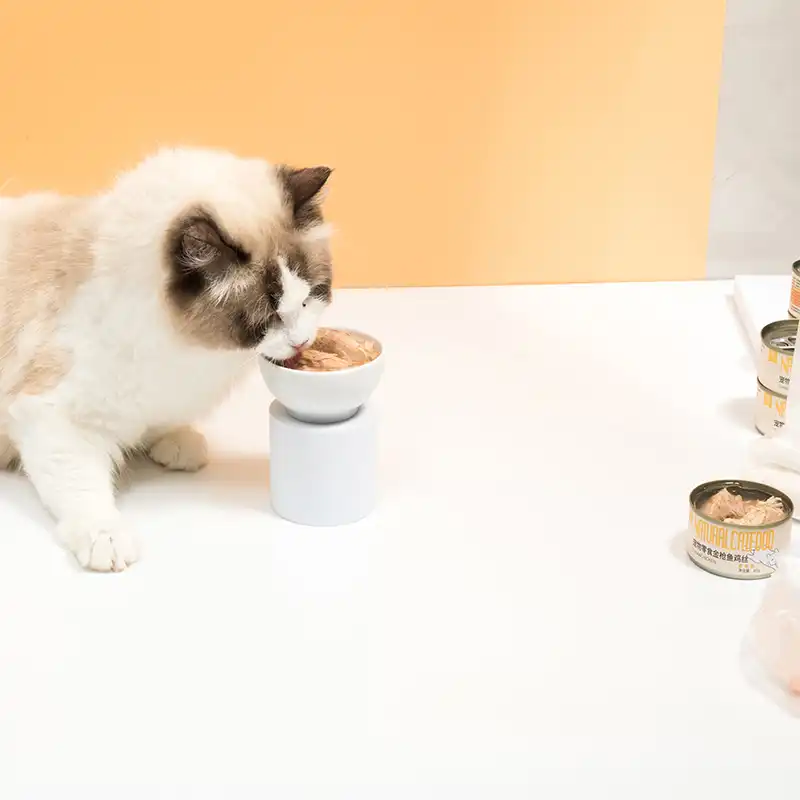
Chicken Meal in Pet Food
The Rendering Process and Composition
Raw chicken parts, like clean meat and skin, with or without bone, are used to make chicken meal. These parts are cooked at controlled temperatures between 220 and 270°F. This heat process pasteurizes the material, gets rid of the water, and separates the fat all at the same time. The rest of the solids are then ground up into a fine meal that can be stored for a long time. This process compresses nutrients a lot: one pound of chicken meal comes from about four pounds of fresh chicken, which is why it ranks so high in the ingredient hierarchy even though it is added in smaller amounts.
Distinguishing Chicken Meal from By-Product Meal
Understanding the differences in how these items are regulated is important for planning how to buy them. The Association of American Feed Control Officials (AAFCO) says that chicken meal is made up of clean, processed parts of chicken corpses. Heads, feet, immature eggs, and guts are some of the extra parts that may be in chicken by-product meal that aren't normally considered chicken meal. Both chicken meal and by-product meal contain protein, but chicken meal is usually easier to digest (about 85–90% vs. 75–80% for by-product meal) and has more consistent amino acid patterns, which affect how the pet food is made and the nutritional claims it makes.
Nutritional Advantages Over Fresh Ingredients
When it comes to preparation, chicken meal fixes a number of technical issues that come up when fresh meat is added. The dehydration method gets rid of the different amounts of water, which lets you get accurate nutrition information and reliable protein delivery from batch to batch. Because it is concentrated, producers can get the protein amounts they want without adding too much protein, which could weaken the structure of the kibble. Essential minerals, like calcium and phosphorus from the bones, are also found in chicken meal, so you don't have to add extra mineral premixes. Compared to refrigerated fresh foods, it has a longer shelf life and is less likely to grow microbes, which makes it easier to keep track of supplies.

Key Factors to Consider When Using Chicken Meal in Pet Food
Quality Grading and Sourcing Transparency
There are differences in how well different chicken meal variants work. Quality changes depend on where the raw materials come from, how they are handled, and the temperature at which they are rendered. Human-grade poultry processing plants use birds that have been inspected by the USDA to make premium-grade chicken meal. These foods are lighter in color (tan to light brown), have a mild smell, and have less ash (usually 10-15%), which means they have less bone and more muscle tissue. Alternatives that aren't premium may contain parts of rendering plants that process old food or restaurant garbage, which gives them a darker color, a stronger smell, and higher ash percentages that lower protein density.
To make buying more open, you need to go beyond what suppliers say and use verification methods. By asking for Certificates of Analysis (CoA) for each lot, you can keep track of the amount of protein, fat, ash, moisture, and pathogens that were tested. Leading suppliers provide thorough origin documents that list the locations of chicken farms and the times of processing. This helps meet the Food Safety Modernization Act (FSMA) standards for tracking.
Regulatory Compliance and Certification Standards
Animal protein sources for pet food have to meet different standards in different international markets. The European Union has strict rules about how to test for Salmonella and limits the types of processing additives that can be used in US production. Formulations that are meant to be exported need chicken meal from sites that follow Regulation (EC) No 1069/2009 for animal by-products and have EU clearance numbers. In the same way, following the rules in the Agricultural Standards Act is required to get into the Japanese market, and the Feed Control Act is strictly enforced in Korea.
In addition to regional restrictions, optional certifications help a business stand out in the market. For USDA Organic approval (or a similar), the chicken meal must only come from birds that were raised without using antibiotics or artificial hormones. Natural product groups are interested in Non-GMO Project Verification. Getting Halal approval can help you sell your products in Islamic markets, but you need special processing lines and religious supervision while the products are being made.
Life Stage and Dietary Specialization Applications
The amino acid makeup of chicken meal, especially its high amounts of lysine, methionine, and threonine, is good for meeting the nutritional needs of meat eaters. Chicken meal's high protein content helps puppies and kittens grow quickly by making tissues stronger. It is usually added at a rate of 25 to 35 percent of the formula. Senior animal diets use the flexibility of chicken meal and lower the fat content by changing other ingredients. This helps with metabolic efficiency loss without lowering the quality of the protein.
For specialized food uses, there are extra things to think about. When trying to help people who are allergic to poultry, hypoallergenic recipes don't use any chicken meal at all. Instead, they use new foods like duck or venison meal. Grain-free formulas rely more on animal proteins, like chicken meal, to make up for the lack of plant protein from beans. This means that the amounts of protein must be carefully balanced so that dogs that are prone to kidney problems don't get too much protein.
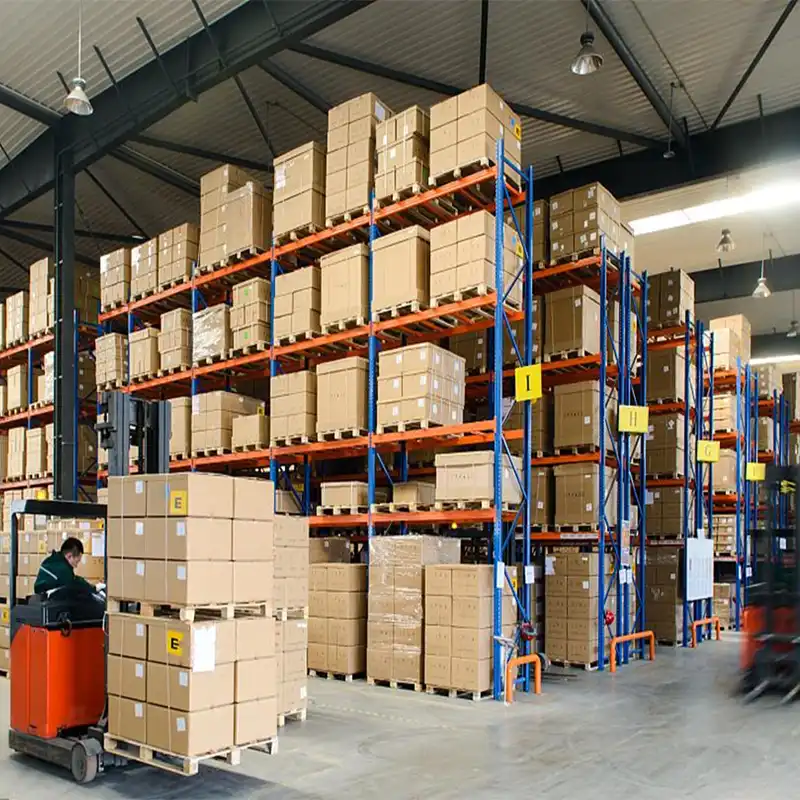
Chicken Meal in the Context of Pet Food Types and Market Demand
Role in Dry Food Formulations
That being said, dry food is where chicken meal is most commonly used, and it has many uses besides nutrition. The high-temperature, high-pressure cooking process that makes kibble uses extrusion. The concentrated protein in chicken meal helps the dough form and keep its shape. When proteins and reducing sugars come together during extrusion, the Maillard reaction happens. This gives the pet food a brown color and delicious smells that make it taste better. Inclusion rates usually fall between 15% and 40%, but this can change based on price and protein promises. Ultra-premium goods often have inclusion rates higher than 30% of combined animal protein meals.
The amount of water in chicken meal (usually 5–10%) also affects how long food will last on the shelf. Lower-moisture ingredients lower the general water activity (aw) of the product. This stops mold growth and, when properly packed, extends the ambient shelf life to 12 to 18 months. This stability helps long distribution lines with multiple levels of distribution that are popular in retail channel tactics.
Applications in Wet Food and Semi-Moist Products
While chicken meal isn't used as much in high-moisture foods, it is used in some wet food recipes to add protein and save money. When making gravies or pâté-style canned foods, companies sometimes add 5–15% chicken meal along with fresh meats to increase the protein content without moving too much liquid. Because the meal has small particles, it mixes easily into emulsified goods. However, some formulas pre-hydrate the meal before mixing it to make the texture seem better.
Chicken meal is used more in semi-moist goods (30–50% moisture content), usually making up 20–35% of the formulas. The naturally tasty nature of chicken meal is used in these treats and training awards, but they still have a soft feel that makes them different from fully dried foods. Humectants, such as propylene glycol, work with chicken meal proteins to keep the product flexible over time.
Market Trends and Consumer Preferences
Consumers today want "clean label" products with clear ingredients, which makes chicken meal a better choice than protein sources that aren't as clear. Instead of using vague words, marketing messages are emphasizing "chicken meal" as a concentrated, healthy ingredient more and more. Premium brands, like "free-range chicken meal" or "pasture-raised chicken meal", charge 15–25% more than regular names because they use specific sources.
Even though there has been new attention on possible links between the grain-free movement and dilated cardiomyopathy, it is still having an effect on formulation tactics. The main ingredient in these foods is still chicken meal, which is often mixed with potato and vegetable flours to make them more filling. On the other hand, there is a movement against this trend toward "ancestral" or "whole prey" diets that include a variety of protein meals that are similar to how wild carnivores eat, such as chicken meal mixed with organ foods and cartilage.
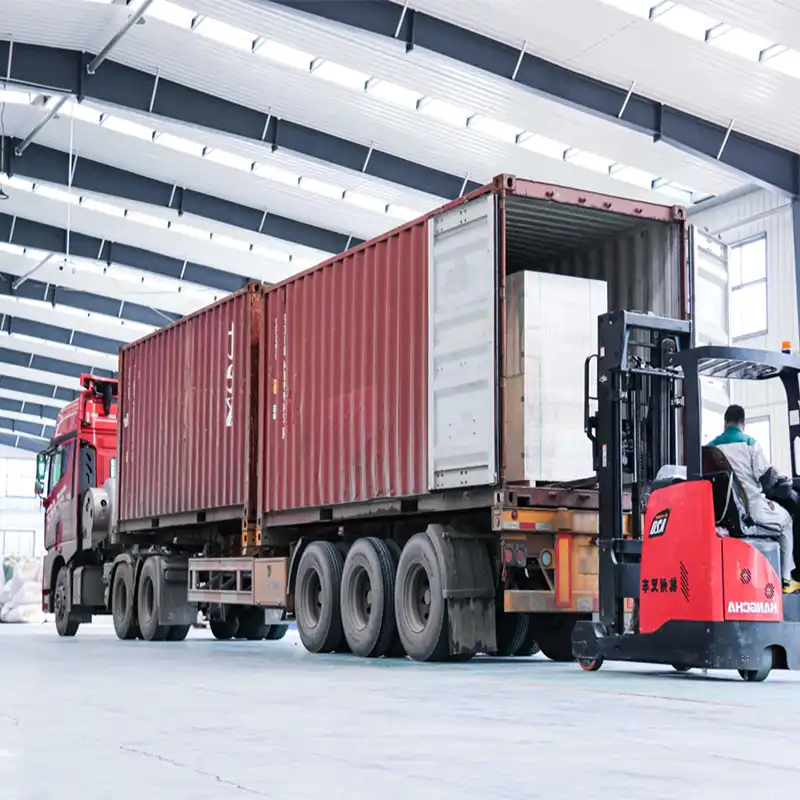
Conclusion
In modern animal nutrition, chicken meal is much more than just a common ingredient. It's an important part of the manufacturing process that affects how well the product works, where it stands in the market, and how resilient the supply chain is. When procurement workers know about the technical details of chicken meal, like the different amino acid profiles and rendering process changes, they can help their companies make unique goods that meet changing customer needs. Striking a balance between strict quality control and building relationships with suppliers leads to buying benefits that directly affect the consistency of products and the image of the brand. As specialty diet trends continue to split markets into smaller pieces and rules get more complicated, knowing where to get chicken meals will become a competitive difference between leaders and fans in the industry.
Partner with Yunlan for Superior Pet Food Ingredient Solutions
Yunlan is an expert at sending high-quality ingredients for animal feeding that will help your pet food products meet the highest quality standards. Our wide range of names, including Yihe, Paihao, and Maodali, shows our many years of experience working with manufacturers in over 60 countries to manage their supply chains. As a well-known company with ISO-certified quality systems and more than 97 patents for new ideas in animal nutrition, we offer consistent, traceable chicken meal and other products, along with expert support that is second to none. Our combined research and development facilities let us make custom formulations, and our partnerships with top chicken processors make sure that the supply chain is always reliable, even when the market is unstable.
Reach out to our procurement specialists at minghuixu6717@gmail.com to discuss how Yunlan's ingredient solutions can optimize your product line, reduce formulation risks, and accelerate your market entry timeline.
FAQs
How does chicken meal compare to fresh chicken in nutritional value?
Because the water is taken out of the chicken during rendering, chicken meal has about three to four times as much protein as fresh chicken. Fresh chicken is mostly water, with only 18% protein. On the other hand, chicken meal is mostly protein, with only 5–10% water. Because of its higher concentration, chicken meal gives more amino acids per pound. However, both provide full protein profiles that are good for companion animals that eat meat when they are handled properly.
What licenses should I look for in a chicken meal supplier?
AAFCO ingredient definition compliance, GFSI-recognized food safety certification (SQF, BRC, or FSSC 22000), and pathogen testing documents (especially Salmonella) are the most important certificates. For export markets, you need extra qualifications, like EU approval numbers for selling in Europe, organic certification for natural product lines, and Halal certification for selling in Islamic markets. Verification of the USDA method adds to the confidence in premium placement.
Can chicken meal contribute to food allergies in sensitive animals?
One of the most common protein sensitivities in dogs and cats is chicken. However, compared to food intolerances, real allergic responses are still pretty rare. Animals that are allergic to chicken need to switch all of their protein sources to new ones, like duck, deer, or fish. Since the processing process doesn't get rid of toxic proteins, animals that are sensitive to chicken meal are just as likely to be hurt by it as by fresh chicken.
References
- Association of American Feed Control Officials. (2023). Official Publication: Ingredient Definitions and Feed Terms. AAFCO Incorporated.
- Case, L.P., Daristotle, L., Hayek, M.G., & Raasch, M.F. (2021). Canine and Feline Nutrition: A Resource for Companion Animal Professionals (4th ed.). Elsevier Health Sciences.
- Meeker, D.L., & Hamilton, C.R. (2020). Essential Rendering: All About the Animal By-Products Industry. National Renderers Association.
- Nutritional Research Council. (2006). Nutrient Requirements of Dogs and Cats. National Academies Press.
- Petfood Industry. (2022). Global Ingredient Sourcing Trends and Quality Benchmarks in Commercial Pet Food Manufacturing. Watt Global Media.
- Zicker, S.C., Wedekind, K.J., & Paetau-Robinson, I. (2019). Protein Quality and Digestibility in Rendered Animal Meals: Implications for Companion Animal Nutrition. Journal of Animal Science and Technology, 61(4), 189-203.