- English
- French
- German
- Portuguese
- Spanish
- Russian
- Japanese
- Korean
- Arabic
- Irish
- Greek
- Turkish
- Italian
- Danish
- Romanian
- Indonesian
- Czech
- Afrikaans
- Swedish
- Polish
- Basque
- Catalan
- Esperanto
- Hindi
- Lao
- Albanian
- Amharic
- Armenian
- Azerbaijani
- Belarusian
- Bengali
- Bosnian
- Bulgarian
- Cebuano
- Chichewa
- Corsican
- Croatian
- Dutch
- Estonian
- Filipino
- Finnish
- Frisian
- Galician
- Georgian
- Gujarati
- Haitian
- Hausa
- Hawaiian
- Hebrew
- Hmong
- Hungarian
- Icelandic
- Igbo
- Javanese
- Kannada
- Kazakh
- Khmer
- Kurdish
- Kyrgyz
- Latin
- Latvian
- Lithuanian
- Luxembou..
- Macedonian
- Malagasy
- Malay
- Malayalam
- Maltese
- Maori
- Marathi
- Mongolian
- Burmese
- Nepali
- Norwegian
- Pashto
- Persian
- Punjabi
- Serbian
- Sesotho
- Sinhala
- Slovak
- Slovenian
- Somali
- Samoan
- Scots Gaelic
- Shona
- Sindhi
- Sundanese
- Swahili
- Tajik
- Tamil
- Telugu
- Thai
- Ukrainian
- Urdu
- Uzbek
- Vietnamese
- Welsh
- Xhosa
- Yiddish
- Yoruba
- Zulu
Food made from fresh ingredients is becoming more popular as a way to feed pets. It's made with foods that haven't been changed much and still have all of their health benefits. While dry kibble and highly processed wet foods are different, fresh pet food generally has between 60% and 80% water, whole protein sources, and veggies that can be identified and aren't kept with chemicals. To keep the quality of the ingredients stable, this group is in charge of the cold chain, which goes from production to shipping. Stores, vet offices, and internet shopping sites are looking for products that meet the needs of people who want diet and openness that are good for their health more and more.
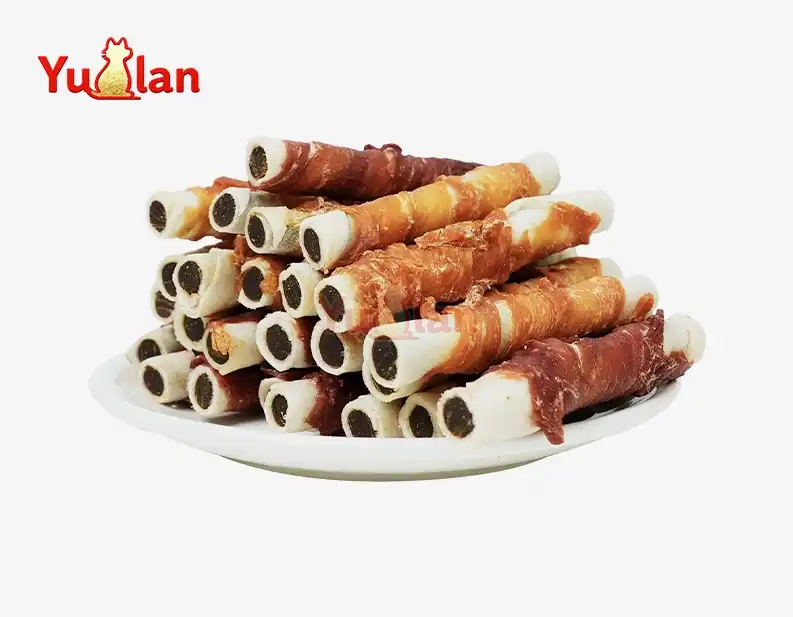
Fresh Pet Dog Food: Definition and Industry Standards
Fresh pet dog food is not at all like other dog food. Food that is dry stays between 10% and 15% wet and goes through high-temperature compression. When you cook fresh food, on the other hand, slowly, like with low-temperature pasteurization or sous-vide preparation, the ingredients stay the same. When B2B buying teams look at the skills of providers, the difference is very important.
What Qualifies as Fresh Pet Dog Food
In this case, "fresh" means things that are made from whole, easily recognizable ingredients and don't have any chemicals added to them to change the taste, color, or keep them fresh. People usually only get these recipes a few days after they are made, not months. Because of this, they need a strong cold chain system. AAFCO rules control what companies say about how healthy their foods are, and FDA rules make sure that factories follow the rules and that signs are right. The people who work in procurement need to make sure that sellers keep track of where they get their goods, are clear about when they make things, and have partnerships with temperature-controlled shipping companies.
Regulatory Frameworks and Compliance Requirements
When buying from businesses to businesses, buyers should give more weight to sellers who can show they follow the rules set by regulators. For every step of a dog's life, AAFCO nutritional ratings tell us what they think is best. This makes sure that recipes meet the basic needs of puppies, adult dogs, and older pets. An honest business will follow Current Good Manufacturing Practices (CGMP) and be licensed with the FDA. You can feel safer about food safety management methods that have been approved by a third party, such as ISO 22000 or HACCP. As part of the process of becoming a seller, it should be standard to ask for audit records and proof that products can be tracked.
Cold Chain Management and Freshness Indicators
To keep the product's integrity from the time it is made until it is delivered to the customer, complex temperature control methods are needed. They should be able to show that they have spent money on things like cold storage, shipping that is safe, and real-time tracking technology. Clearly written production dates, suggested eating windows, and storage temperature rules are all signs that food is still fresh. When looking for a partner, you should look at how big their logistics network is and how well they can handle multiple shipping methods while keeping the quality of the goods safe the whole way through the supply chain.

Core Ingredients in Fresh Pet Dog Food: Nutritional and Functional Roles
When buying teams know how items are put together, they can figure out how to make a product stand out and where it fits in the market. Fresh recipes are unique because they use good products and make it clear where they come from, not because they are simple to store.
Animal Proteins: Foundation of Canine Nutrition
There are good animal proteins that make up fresh dog food that works. The amino acids in chicken, beef, turkey, and fish are all good for your body and help keep muscles strong, your immune system strong, and cells healing themselves. Most of the time, whole muscle meat is the main ingredient in fresh recipes. In baby formulas, the protein level is between 22% and 30%. In adult maintenance feeds, it's between 18% and 25%. Proteins that are fresh still have their natural fluids and nutrients that can be used. This is different from cooked meat meals that are often found in dry food. Teams that buy things should look into where the protein comes from and try to find sources that work with chicken farms that have been inspected, USDA-certified beef suppliers, or safe fishers.
Fresh Vegetables and Fruits: Fiber and Micronutrient Sources
Fresh versions have whole fruits and vegetables that give you fiber, vitamins, and enzymes, as well as protein. These foods are good for you because they have beta-carotene and simple carbs that are easy to stomach. Iron and vitamin K can be found in leafy greens like spinach and kale. Berry fruits like cranberries and blueberries are full of vitamins that help your brain and urinary tract stay healthy. Most of the time, these ingredients make up 15% to 25% of the mixture. They look good and add variety to the food. To guarantee that goods are always in stock and up to par, sellers should show plans for seasonal buying and connections with farmers.
Essential Fatty Acids: Skin, Coat, and Inflammation Support
Fatty acids omega-3 and omega-6 are very good for a dog's health because they change the skin, coat, and how the body handles inflammation. Fresh recipes often use flaxseed, fish oil, or chicken fat to get the 10% to 20% fat goal. The steps that lead to inflammation are changed by the ratio of omega-6 to omega-3 fatty acids. Most of the time, amounts between 5:1 and 10:1 are best. The people who buy things should find out about the quality of the fat source, the steps that are taken to keep the fat from oxidizing while it is being made, and the science tests that are done to make sure that the fatty acid profiles are what they say they are.
Micronutrients and Functional Supplements
To be up to AAFCO guidelines, new recipes must carefully balance both macro and micronutrients. To keep a dog's bones healthy, the amount of calcium and phosphorous in their food should be between 1:1 and 2:1. It is good for your skin and nerve system to have zinc and selenium in your body. A lot of the new ones have good things in them, like glucosamine for joint pain, probiotics for gut health, or taurine, even though dogs can make this amino acid on their own. Knowing about these ways to make goods stronger helps buying teams figure out where to put them for specific markets, like veterinary offices or recipes for older dogs.

Ingredients to Avoid in Fresh Pet Dog Food and Why
It helps a brand's image and makes sure it follows the rules to find ingredients that cause problems. When you buy something, make sure that the rules about what ingredients can't be used are in line with what people want and what health science says.
Artificial Preservatives and Synthetic Additives
People are worried about the long-term health effects of synthetic stabilizers like BHA, BHT, and ethoxyquin, even though they have been used for a long time. They depend on natural antioxidants like rosemary extract and mixed tocopherols (vitamin E), so they are not used in fresh foods. For example, Red 40 and Yellow 5 are man-made colors that are bad for you and might bother some animals. Teams in charge of buying things should be very specific about what they want and ask potential sellers to show proof that these additions aren't in the products they offer.
Low-Quality Fillers and By-Products
"Animal digest" or "meat by-products" are vague words that don't tell you where the food comes from or how good it is. Some by-products are organs, blood, and bone. Less wanted parts can also be by-products if source standards are not clear. If there is too much grain in dog food, especially wheat, corn, or soy, it can make sensitive dogs sick and isn't as good for them as whole protein sources. When fresh formulas need to add carbs to keep the formula balanced, they should only use easy-to-digest foods like oatmeal or brown rice. They should also be clear about which protein sources they use.
Allergens and Controversial Ingredients
Some foods, like dairy, corn, soy, wheat gluten, and more, are more likely to make people allergic. Commercial products use a lot of them, which has made people more aware of sensitivity, even though they don't hurt all dogs. People who work in sourcing should know how to get these ingredients on the market and find out if users are interested in grain-free, limited-ingredient, or hypoallergenic recipes. Customers will believe expensive goods more if you're honest about where the ingredients come from and how they are handled. This will also help them stand out in crowded markets.
How to Evaluate and Select Fresh Pet Dog Food Ingredients for Procurement
Having strict reviews of suppliers shields the money spent on purchases and makes sure that goods are the same across all marketing lines. When you evaluate, you should look at more than just the unit cost.
Quality Assessment and Supplier Certifications
The first step to good procurement is to have rules for qualified providers that check their quality control systems and output skills. Getting ISO 9001 certification means you know how to handle quality in general, while getting ISO 22000 certification means you know how to handle pet food safety. Risks are found and managed in a planned way throughout the production process, as shown by HACCP proof. During site visits, buying teams should look at more than just qualifications. They should also check how clean the building is, how well the equipment is maintained, and how well the employees are trained. If you ask for COAs (Certificates of Analysis) for finished goods and key ingredients, you can get objective proof of how healthy they are and how many microbes they contain.
Traceability and Supply Chain Transparency
Being able to track down ingredients makes it easier to handle problems with quality or returns fast, and it also helps customers trust you. For as long as the items are used, suppliers should keep track of where they come from and how they are used. There should be lot coding methods in these records that make it easy to find batches. With blockchain technology and digital tracking tools, claims about things like organic approval, Non-GMO status, or animal care standards can be checked out. This makes things more open. People who work in procurement should ask sellers if they are ready to share information about where their goods come from and how much they have spent on systems that let people follow goods through complex supply networks.
Cost Considerations and Supply Chain Resilience
The quality of the materials is what makes a product different, but when buying, you have to balance your needs with the cost structure and the reliability of the supply chain. It costs more to make fresh versions because they need more expensive ingredients, need to be kept cold, and don't last as long as shelf-stable versions. When you get key items from more than one place, you lower the risks that come with changes in supply during different times of the year or problems with transportation. When making contracts, it's important to think about how the prices of popular ingredients change over time and set quality standards that stop cheaper options from being used when quantities are low.
Customization Capabilities for Market Differentiation
Being able to make unique formulas can give stores, animal hospitals, and private label programs an edge over their competitors. When providers let brands choose their own formulations, they can go after specific groups of people. Some examples are grain-free diets for dogs that are sensitive to them, high-protein diets for busy breeds, and recipes with few ingredients for elimination diets. When picking a seller, you should think about things like the minimum order size, the time it takes to create the product, and the rights to your intellectual property. Teams in charge of buying things should look for partners with their own cooks and research and development (R&D) departments instead of co-packing deals that don't let them change the goods in many ways.
Conclusion
Fresh goods for dog food are always changing, so buyers need to make complicated plans that balance quality, safety, and where to put the product on the market. Business-to-business sellers can find suppliers who can keep quality high and adapt to changing customer tastes by learning about new trends, legal systems, and how ingredients work. The ingredients in fresh recipes are not the only thing that makes them different from shelf-stable options. They also use different infrastructure, tracking tools, and quality control methods for their supply chains. Procurement professionals who focus on open, certified, and creative relationships with sellers set their businesses up for success in this growing market area.

Partner with Yunlan for Superior Fresh Pet Food Solutions
You can get fresh pet food from Yunlan because they know how to make a lot of different kinds of food. The three main names that our Ruixin Cloud Wave Group runs bring in more than 300 million yuan each year. This shows that the market works on a number of different marketing sites. We have 97 accepted local patents and have spent almost 100 million yuan on research and development to back up our new formulas. Our advanced meat protein enzymolysis and bone crisping technologies make sure that our goods are handled better. We also have over 10,000 shops in 33 provinces, which means that it's easy for us to get our products to more people. For veterinary clinics, pet shops, e-commerce platforms, and wholesalers looking for a reliable pet food supplier, our team comes up with one-of-a-kind solutions that meet high quality standards. We can help you make your product line better. Email us at minghuixu6717@gmail.com to find out more.
FAQ
What Makes Fresh Pet Dog Food Different from Traditional Kibble?
Kettle corn only keeps about 10 to 15% of its moisture, but fresh recipes keep about 60 to 80%. They don't extrude them at high temperatures, which would kill the natural nutrients, so they cook them slowly. The foods in this group need to be kept cool, and they don't have any added chemicals that would make them last longer.
How Long Does Fresh Pet Dog Food Remain Safe?
For 7–14 days after being opened, fresh foods should be kept in the right way to stay safe and tasty. Based on how they were sterilized and the technology used to package them, packages that haven't been opened can last for a few weeks. When a product says how to store it or when to use it, you should always follow those directions.
Do Fresh Formulations Meet AAFCO Nutritional Standards?
Companies that make fresh pet food that you can trust make sure that their foods meet or go beyond the AAFCO nutritional guidelines for different stages of a pet's life. You should ask sellers for nutritional adequacy statements and analysis proof before making a purchase promise. This will make sure that the sellers follow these rules.
References
- Association of American Feed Control Officials. (2023). Official Publication: AAFCO Guidelines for Dog Food Nutrient Profiles and Label Claims.
- Freeman, L.M., Chandler, M.L., Hamper, B.A., & Weeth, L.P. (2022). Current Knowledge About the Risks and Benefits of Raw Meat-Based Diets for Dogs and Cats. Journal of the American Veterinary Medical Association.
- National Research Council. (2021). Nutrient Requirements of Dogs and Cats: Revised Edition. National Academies Press.
- Pet Food Institute. (2023). Industry Standards and Best Practices for Fresh Pet Food Manufacturing and Distribution.
- Davies, M., Alborough, R., Jones, L., Davis, C., Williams, C., & Gardner, D.S. (2022). Mineral Analysis of Complete Dog and Cat Foods in the UK and Compliance with European Guidelines. Scientific Reports on Companion Animal Nutrition.
- Dodd, S.A.S., Cave, N.J., Adolphe, J.L., Shoveller, A.K., & Verbrugghe, A. (2021). Plant-Based Diets for Dogs: A Survey of Owner-Reported Health Outcomes and Feeding Practices. Journal of Animal Science and Nutritional Research.