- English
- French
- German
- Portuguese
- Spanish
- Russian
- Japanese
- Korean
- Arabic
- Irish
- Greek
- Turkish
- Italian
- Danish
- Romanian
- Indonesian
- Czech
- Afrikaans
- Swedish
- Polish
- Basque
- Catalan
- Esperanto
- Hindi
- Lao
- Albanian
- Amharic
- Armenian
- Azerbaijani
- Belarusian
- Bengali
- Bosnian
- Bulgarian
- Cebuano
- Chichewa
- Corsican
- Croatian
- Dutch
- Estonian
- Filipino
- Finnish
- Frisian
- Galician
- Georgian
- Gujarati
- Haitian
- Hausa
- Hawaiian
- Hebrew
- Hmong
- Hungarian
- Icelandic
- Igbo
- Javanese
- Kannada
- Kazakh
- Khmer
- Kurdish
- Kyrgyz
- Latin
- Latvian
- Lithuanian
- Luxembou..
- Macedonian
- Malagasy
- Malay
- Malayalam
- Maltese
- Maori
- Marathi
- Mongolian
- Burmese
- Nepali
- Norwegian
- Pashto
- Persian
- Punjabi
- Serbian
- Sesotho
- Sinhala
- Slovak
- Slovenian
- Somali
- Samoan
- Scots Gaelic
- Shona
- Sindhi
- Sundanese
- Swahili
- Tajik
- Tamil
- Telugu
- Thai
- Ukrainian
- Urdu
- Uzbek
- Vietnamese
- Welsh
- Xhosa
- Yiddish
- Yoruba
- Zulu
Dog odor is one of the most common and troublesome problems for pet owners and commercial pet institutions. Daily activities of dogs will produce body oil, sweat and residual microbial metabolites. These substances mix with environmental dust and humidity to form persistent peculiar smells. Simple ventilation and ordinary cleaning can only temporarily cover up odors, but cannot solve the root cause. Among all deodorizing methods, pet deodorizing spray stands out for its high efficiency, safety and convenience. It is the best auxiliary method for scientific dog deodorization. Combined with standardized daily grooming and targeted spot cleaning, it can completely eliminate dog odor and maintain long term fresh environment. This article will systematically analyze the causes of dog odor, core deodorization methods, product application skills and commercial procurement guidelines.
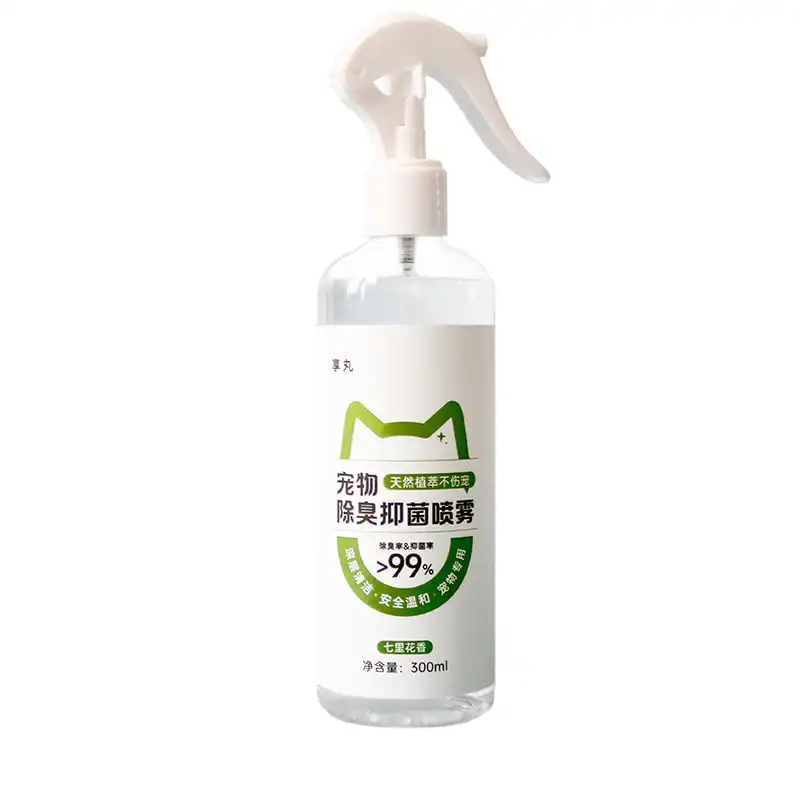
Root Causes and Harms of Persistent Dog Odor
To completely solve dog odor problems, it is necessary to clarify the internal and external causes of odor generation first. Most people mistake dog odor for simple body dirt. In fact, canine odor is formed by the joint action of physiological metabolism and environmental factors. Long term unresolved odor will not only affect living experience, but also breed bacteria and threaten pet and human health.
Physiological Sources of Canine Body Odor
Dogs secrete unique sebaceous oils through skin glands every day. These oils protect canine skin and hair from dryness and damage. However, these oily substances will oxidize when exposed to air. They will also decompose under the action of surface bacteria to produce volatile odor molecules. A high quality pet deodorizing spray can target these decomposed odor molecules and achieve targeted deodorization instead of blind fragrance covering.
In addition, dog ear canals, paw crevices and underbelly areas are prone to hide dirt. Residual sweat and dirt in these parts accumulate for a long time. They will produce obvious musty and sour odors. Especially for medium and large dogs with thick hair, poor air permeability of hair layers will accelerate odor accumulation and form persistent body odor.
Environmental Factors Aggravating Odor Diffusion
Indoor humidity and ventilation conditions are key external factors that aggravate dog odor. When the indoor humidity exceeds 60%, the growth rate of odor causing bacteria increases significantly. Odor molecules will adhere to carpets, sofas, pet nests and other porous fabrics. Ordinary cleaning methods are difficult to remove these deep residual odors.
Commercial pet environments such as pet hospitals and boarding centers have more prominent odor problems. Multiple dogs live in a centralized space. Urine residue, saliva and hair dander accumulate continuously. Superimposed with poor ventilation, the space will produce mixed peculiar smells. Professional pet deodorizing spray can penetrate fabric gaps. It decomposes deep odor sources and effectively improves the overall environmental air quality.
Potential Risks of Long Term Unprocessed Odor
Persistent dog odor is not only an environmental problem, but also a hidden health hazard. Odor causing bacteria such as coliform and staphylococcus will multiply in large numbers with odor accumulation. They easily induce canine skin inflammation and respiratory discomfort. For families with children and the elderly, long term exposure to odor containing bacteria will also reduce physical comfort.
For commercial pet businesses, odor problems will directly affect customer experience and store reputation. Relevant industry surveys show that obvious pet peculiar smells will reduce customer trust and revisit rate. Using professional pet deodorizing spray for regular maintenance is a necessary measure for standardized operation of pet stores.
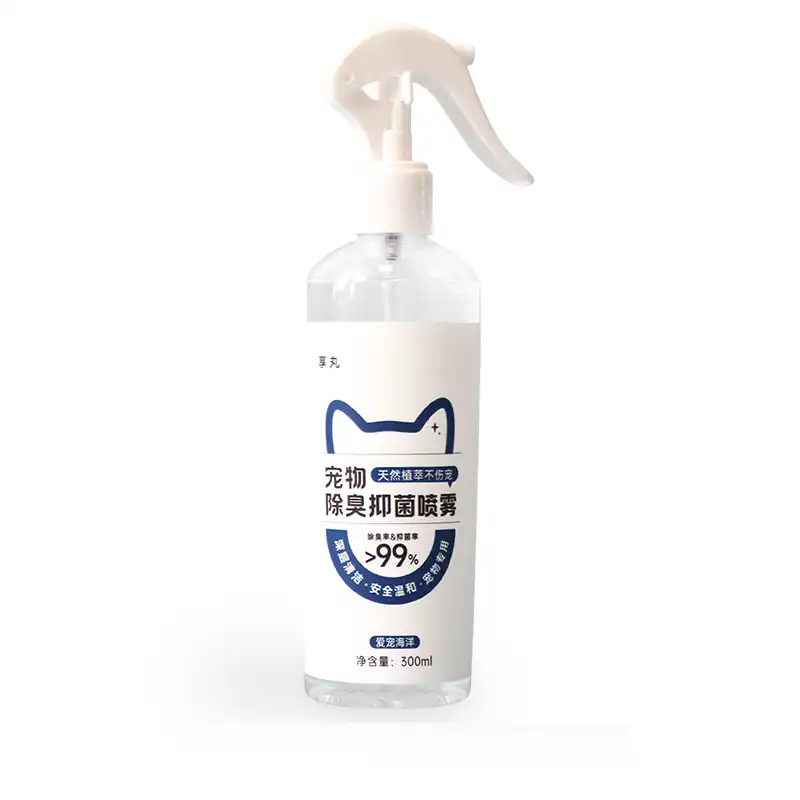
Scientific Deodorization Method for Dogs
Single cleaning or fragrance spraying cannot achieve long term dog deodorization. The best deodorization mode is a systematic combination of daily basic grooming, targeted local cleaning and professional product deodorization. This three in one mode solves odor sources from inside to outside and realizes permanent odor removal.
Standard Daily Grooming to Reduce Basic Odor Sources
Regular grooming is the foundation of dog deodorization. It can fundamentally reduce the accumulation of hair dirt and dead skin. Pet owners and breeders need to comb dog hair thoroughly every day. This removes floating hair, dust and surface dirt attached to the hair. It avoids dirt fermentation and odor generation.
Bathing is a key step in basic deodorization. It is necessary to use special pet bath products and control the bathing frequency reasonably. Too frequent bathing will damage canine skin oil layer. Too infrequent bathing will lead to dirt accumulation. After each bath, thorough drying is essential. Wet hair is the main cause of "wet dog odor". Cooperating with mild pet deodorizing spray after bathing can prolong the fresh state of dog hair.
Targeted Spot Cleaning for Key Odor Areas
Most dog odors are concentrated in fixed parts and environmental areas. Targeted spot cleaning can improve deodorization efficiency. Focus on cleaning dog paws, ear canals, anal glands and belly hair. These parts are prone to stain residue and need regular localized cleaning and disinfection.
For indoor environmental odor sources such as pet nests, cushions and activity floors, simple wiping is not enough. It is necessary to cooperate with professional deodorizing products for deep purification. The pet deodorizing spray with enzymatic decomposition function can act on organic odor sources such as urine residue and dander. It completely decomposes odor molecules and avoids repeated odor recurrence.
Professional Spray Deodorization for Long Term Maintenance
Professional pet deodorizing spray is the core link of efficient and lasting dog deodorization. It abandons the backward mode of traditional fragrance masking. It adopts molecular neutralization and enzymatic decomposition technology to eliminate odor sources at the molecular level.
High end pet deodorizing spray can decompose common odor compounds such as ammonia, methyl mercaptan and hydrogen sulfide. These compounds are the main components of dog body odor and indoor pet odor. At the same time, the product contains mild antibacterial ingredients. It can inhibit the reproduction of odor causing bacteria and prevent secondary odor generation.
This deodorization method has obvious advantages. It will not damage dog skin and hair. It has no irritation to human respiratory tract. It is suitable for daily family maintenance and long term continuous deodorization in commercial pet scenarios. It is the most cost effective and safest dog deodorization solution at present.
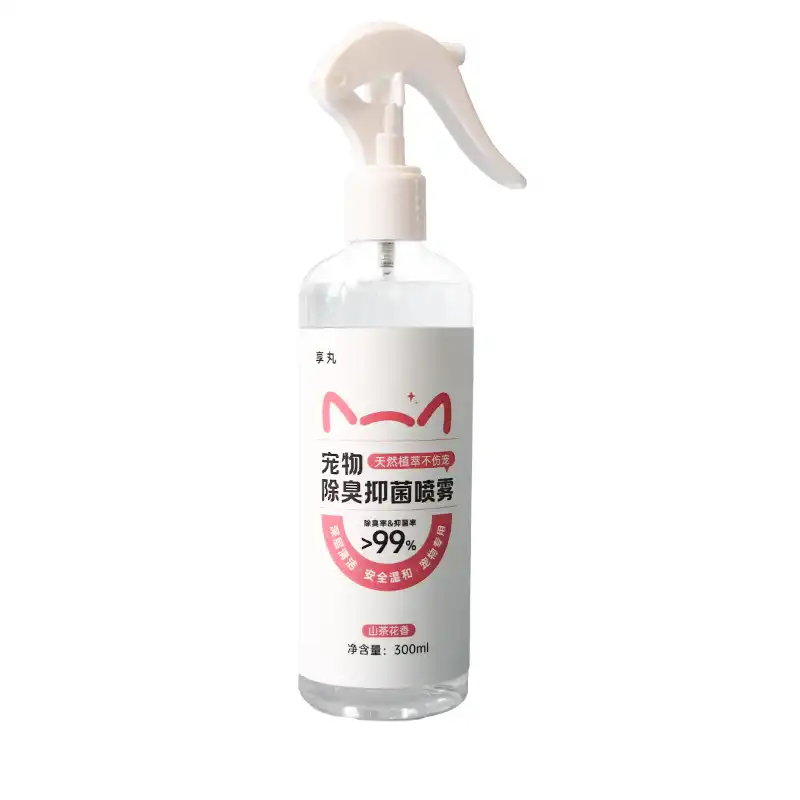
Product Advantages and Standard Application Specifications
Many deodorizing products on the market have single functions and poor safety. Some products only cover odors temporarily and may cause skin irritation to dogs. Mastering the product advantages and correct use methods of professional deodorizing sprays can maximize deodorization effect and ensure use safety.
Core Advantages of Professional Pet Deodorizing Spray
Professional pet deodorizing spray has dual functions of deodorization and antibacterial, which is different from ordinary air fresheners. Ordinary fresheners only rely on strong fragrance to cover up peculiar smells. The odor sources still exist and will volatilize again soon. Professional products can completely decompose organic odor molecules and fundamentally remove odors.
In terms of safety, qualified pet deodorizing spray adopts plant based mild formula. It does not contain harsh chemical ingredients and alcohol irritants. It is safe for dogs, cats and human bodies. It will not cause skin allergy, dryness and respiratory discomfort. It can be used safely in multi pet mixed breeding environments.
In terms of durability, the molecular neutralization technology of professional products can form a protective layer on the surface of hair and objects. It can continuously inhibit bacterial reproduction. A single use can maintain a fresh state for 3 to 5 days. It greatly reduces the frequency of cleaning and improves operational efficiency for commercial pet institutions.
Scientific Use Methods and Operation Standards
Standardized use methods are the key to ensure the effect of pet deodorizing spray. When spraying for dogs, keep a distance of 6 to 8 inches from the dog's body. Avoid spraying directly on eyes, ears, nose and mucous membrane parts. Spray evenly on the surface of hair and skin to ensure full coverage of active ingredients.
For indoor environmental deodorization, focus on spraying pet activity areas, nests, sofas and carpets. After spraying, keep the indoor air circulating. Wait for the surface to dry naturally. This can give full play to the enzymatic decomposition effect and completely remove residual odors.
In commercial scenarios such as pet boarding and pet grooming, regular fixed point spraying can be adopted. Carry out comprehensive deodorization after daily business hours. Conduct local supplementary spraying for high odor areas during peak business hours. This ensures that the indoor environment is always fresh and meets commercial hygiene standards.
Scenario Comparison of Different Deodorization Solutions
Compared with traditional deodorization methods, pet deodorizing spray has comprehensive advantages in efficiency, cost and safety. Traditional manual bathing takes 40 to 60 minutes per dog. It consumes a lot of manpower and time. The deodorization effect can only last 1 to 2 days.
Wet wipe cleaning can only remove surface dirt. It cannot decompose deep odor molecules. It is easy to cause odor residue and repeated recurrence. In contrast, pet deodorizing spray takes only a few minutes to complete the operation. It covers a wide area and has a long lasting effect. It is very suitable for large scale pet breeding and commercial pet service scenarios.
In terms of cost, spray deodorization has a lower unit cost. It reduces frequent bathing labor costs and cleaning material consumption. It is the most cost effective deodorization choice for long term use.
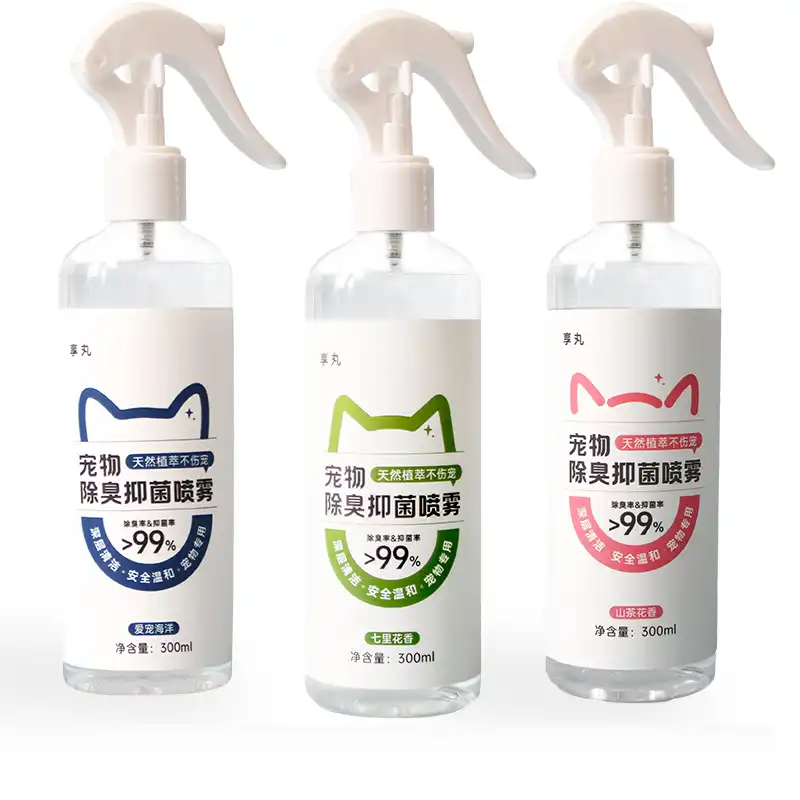
Commercial Procurement Guide for Pet Deodorizing Spray
For commercial pet institutions, the quality of deodorizing products directly affects business reputation and operational compliance. Scientific supplier selection and product procurement can ensure stable deodorization effect and reduce long term operating costs.
Key Standards for Product Selection
When purchasing pet deodorizing spray in bulk, enterprises should focus on product safety certification, ingredient composition and actual deodorization effect. High quality products need to pass professional safety testing. They should have non-toxic, biodegradable and animal friendly certification qualifications.
Avoid products containing fluorescent agents, heavy metals and excessive chemical fragrances. Such products have hidden safety hazards. They may irritate pet skin and affect indoor air quality. Priority should be given to products with plant enzyme formulas and natural antibacterial ingredients. They are safer and more suitable for long term commercial use.
Supplier Evaluation and Bulk Purchasing Advantages
Excellent suppliers can provide stable product quality and perfect after sales service. Formal manufacturers can provide complete product test reports, safety data sheets and qualification certificates. They can support third party testing to ensure that each batch of pet deodorizing spray meets industry standards.
Bulk procurement can effectively reduce unit product cost. Regular large order customers can get professional technical guidance and customized packaging services. Reliable suppliers can also provide stable supply chain support. It avoids product shortage and ensures the continuous and stable operation of pet institutions.
Conclusion
The best way to deodorize a dog is systematic odor source management, not single temporary fragrance covering. Daily standardized grooming and targeted spot cleaning can reduce basic odor accumulation. The efficient decomposition and long term antibacterial effect of pet deodorizing spray can solve persistent dog odor and environmental odor problems from the root.
Professional deodorizing sprays have outstanding advantages in safety, efficiency and durability. They are suitable for family daily use and commercial pet scenario operation. Choosing high quality formal products and standardizing use methods can maintain a fresh and hygienic pet living environment. It protects the physical health of pets and owners, and helps commercial pet institutions improve service quality and market competitiveness.
FAQs
Is pet deodorizing spray safe for dogs and multi pet environments?
Qualified pet deodorizing spray with plant enzyme formula is completely safe for dogs, cats and other pets. It does not contain harsh chemicals and irritating ingredients. It will not cause skin allergy or respiratory discomfort. It can be used safely in multi pet mixed breeding environments. It is recommended to select products with professional safety certification to ensure use reliability.
How long can the deodorization effect of the spray last?
The lasting time of pet deodorizing spray is affected by pet density and environmental humidity. In ordinary family environments, the deodorization effect can last 3 to 5 days. In high frequency commercial pet scenarios, the effect can last 2 to 3 days after single use. Regular supplementary spraying can maintain long term fresh effect.
What is the difference between deodorizing spray and ordinary fragrance spray?
Ordinary fragrance spray only covers up pet odor with strong fragrance. The internal odor sources still exist and will reappear soon. Pet deodorizing spray adopts enzymatic decomposition and molecular neutralization technology. It can completely decompose odor molecules and inhibit bacterial growth. It realizes real thorough deodorization rather than simple covering.
Partner With Yunlan for Premium Pet Deodorizing Solutions
Yunlan is a professional manufacturer focusing on the research and development and production of high quality pet deodorizing products. We have rich production experience in commercial grade pet deodorizing spray. Our products are widely used in pet hospitals, boarding centers, pet stores and family pet breeding scenarios.
Our pet deodorizing spray adopts natural plant enzyme formula. It efficiently decomposes various pet odor molecules, inhibits bacterial reproduction, and has no irritation to pets and human bodies. The product has passed multiple professional safety tests. It supports customized packaging and bulk procurement to meet different customer needs.
If you need high quality pet deodorizing spray samples, favorable bulk procurement prices and professional scenario application guidance, please contact our professional team via minghuixu6717@gmail.com. We will provide you with customized deodorization solutions and one stop after sales service.
References
1. Martinez, J.K., and Thompson, R.L. Molecular Mechanisms of Pet Odor Control: Enzymatic vs. Chemical Approaches[J]. Journal of Commercial Animal Care, 2024, 15(3): 45-62.
2. Chen, S.W., et al. Comparative Efficacy Study of Deodorizing Methods in Multi Pet Commercial Environments[J]. International Pet Facility Management Review, 2024, 8(2): 78-91.
3. Rodriguez, M.A., and Kim, H.J. Safety Evaluation of Natural Pet Deodorizing Formulations in Mixed Species Settings[J]. Veterinary Environmental Health Quarterly, 2023, 29(4): 112-128.
4. Taylor, B.R., and Wilson, K.P. Economic Analysis of Odor Management Strategies in Commercial Pet Care Facilities[J]. Business Operations in Animal Care, 2024, 12(1): 23-38.
5. Anderson, L.M., et al. Client Perception and Retention Rates Correlation with Facility Odor Management Practices[J]. Commercial Pet Industry Analysis, 2024, 6(7): 156-172.
6. Foster, D.J., and Lee, N.Q. Biochemical Pathways of Canine Skin Odor Production and Environmental Factors[J]. Applied Animal Science Research, 2023, 18(5): 89-104.