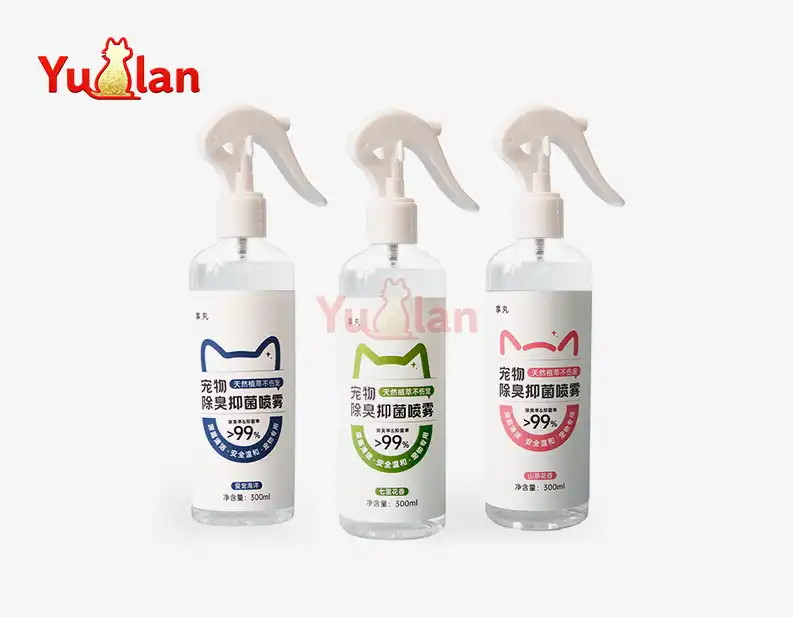
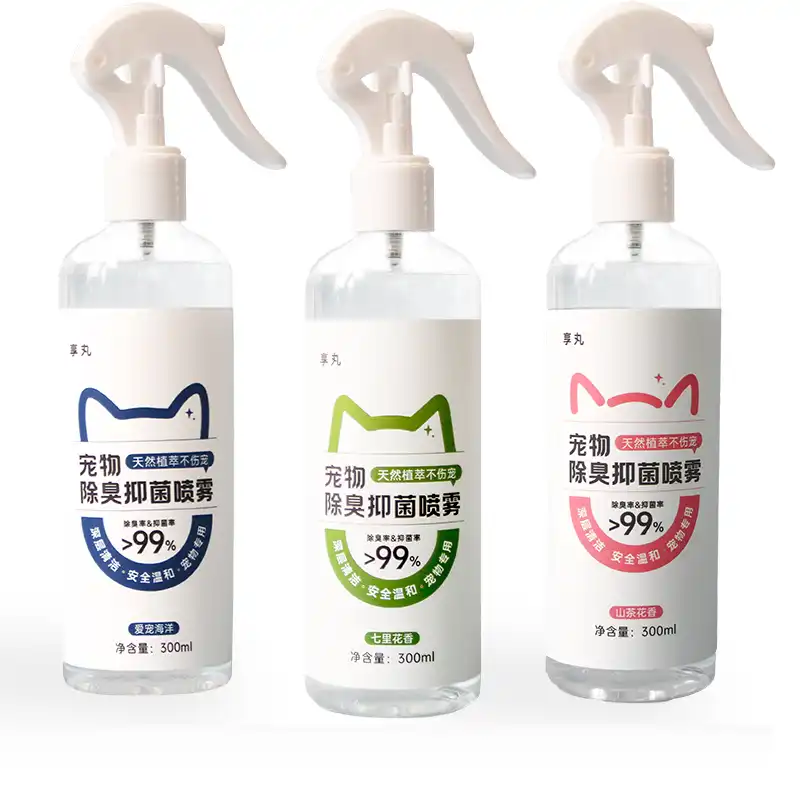
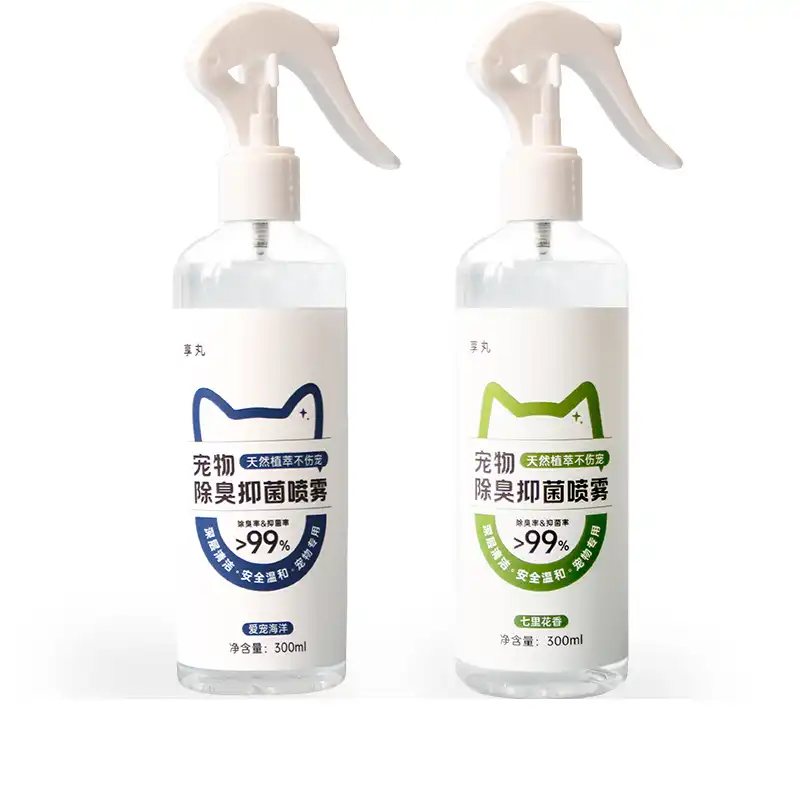
The most effective pet odor removers, such as pet deodorizing spray, use bio-catalytic formulations and cutting-edge enzymatic technology to permanently neutralize odor-causing molecules rather than just masking unpleasant odors. High-quality, commercial-grade products with antimicrobial and mite-removal properties offer thorough solutions while preserving safe, non-toxic profiles. Procurement that takes long-term cost-effectiveness and environmental responsibility into account involves assessing performance indicators, safety certifications, and the dependability of suppliers. Technological advancements in enzyme engineering and smart application systems are enhancing effectiveness and simplifying operations. Choosing products that match operational needs and satisfy customers' ever-changing performance and sustainability expectations is crucial to success.
- English
- French
- German
- Portuguese
- Spanish
- Russian
- Japanese
- Korean
- Arabic
- Irish
- Greek
- Turkish
- Italian
- Danish
- Romanian
- Indonesian
- Czech
- Afrikaans
- Swedish
- Polish
- Basque
- Catalan
- Esperanto
- Hindi
- Lao
- Albanian
- Amharic
- Armenian
- Azerbaijani
- Belarusian
- Bengali
- Bosnian
- Bulgarian
- Cebuano
- Chichewa
- Corsican
- Croatian
- Dutch
- Estonian
- Filipino
- Finnish
- Frisian
- Galician
- Georgian
- Gujarati
- Haitian
- Hausa
- Hawaiian
- Hebrew
- Hmong
- Hungarian
- Icelandic
- Igbo
- Javanese
- Kannada
- Kazakh
- Khmer
- Kurdish
- Kyrgyz
- Latin
- Latvian
- Lithuanian
- Luxembou..
- Macedonian
- Malagasy
- Malay
- Malayalam
- Maltese
- Maori
- Marathi
- Mongolian
- Burmese
- Nepali
- Norwegian
- Pashto
- Persian
- Punjabi
- Serbian
- Sesotho
- Sinhala
- Slovak
- Slovenian
- Somali
- Samoan
- Scots Gaelic
- Shona
- Sindhi
- Sundanese
- Swahili
- Tajik
- Tamil
- Telugu
- Thai
- Ukrainian
- Urdu
- Uzbek
- Vietnamese
- Welsh
- Xhosa
- Yiddish
- Yoruba
- Zulu
A combination of enzymatic technology and advanced bio-catalytic formulations that eliminate the molecules that cause the smells at their source is the most effective method for getting rid of pet odors that won't go away. This would be the best way to get rid of pet odors that won't go away. It is not enough for a good pet deodorizing spray to simply mask unpleasant odors, as is the case with regular air fresheners. Ammonia, methyl mercaptan, and hydrogen sulfide are some of the organic compounds that are broken down by this process. In addition to eliminating bacteria and mites, these high-quality products maintain their formulations to be safe and non-toxic, ensuring that they do not irritate the skin of either people or animals.
Understanding Pet Odor and Its Challenges
One of the most significant challenges that companies operating in the pet care industry are constantly confronted with is the issue of odors emanating from pets. These unpleasant odors are primarily caused by biological sources such as urine, dander, saliva, and oils present on the skin. Complex molecular compounds are produced by them, and these compounds penetrate deeply into surfaces, carpets, and fabrics. In addition to being unpleasant, the problem is much more serious. These odors have a significant impact on the quality of the air inside the building, reduce the lifespan of furniture, and bring down the overall standards of hygiene in commercial settings.
The Science Behind Persistent Pet Odors
Organic compounds that adhere to surfaces at the molecular level are the source of odors that are associated with pets. Crystals of uric acid that are formed from pet urine continue to function even after the moisture that is visible has evaporated. They continue to release compounds that are based on ammonia. Bacteria that survive on pet dander and saliva are also responsible for the production of sulfur compounds such as methyl mercaptan and hydrogen sulfide. These compounds are responsible for the "wet dog" odor that is experienced in commercial spaces.
Commercial Impact on B2B Operations
It is not always possible for traditional cleaning methods to be effective in places where there are a lot of people, such as retail stores, veterinary clinics, and pet boarding facilities. The majority of deodorizers are only effective at masking odors for a limited amount of time rather than completely eliminating them. The customer experience and the reputation of the brand are both negatively impacted as a result of this, which causes problems that keep occurring. When making decisions regarding procurement, professionals are required to give priority to long-term efficacy over immediate remedies. This makes product selection an essential component of successful operations.
Cost Implications of Inadequate Odor Control
If you are unable to effectively manage odors, you will have to clean more frequently, you will lose customers, and you will experience a higher rate of employee turnover due to poor working conditions. It has been reported by businesses that effectively eliminating unpleasant odors can reduce the costs of maintenance by as much as forty percent and significantly boost the levels of customer satisfaction. As a result of these factors, it is essential for businesses to make investments in powerful odor removal systems in order to continue operating successfully.
What Makes a Pet Odor Eliminator Most Powerful?
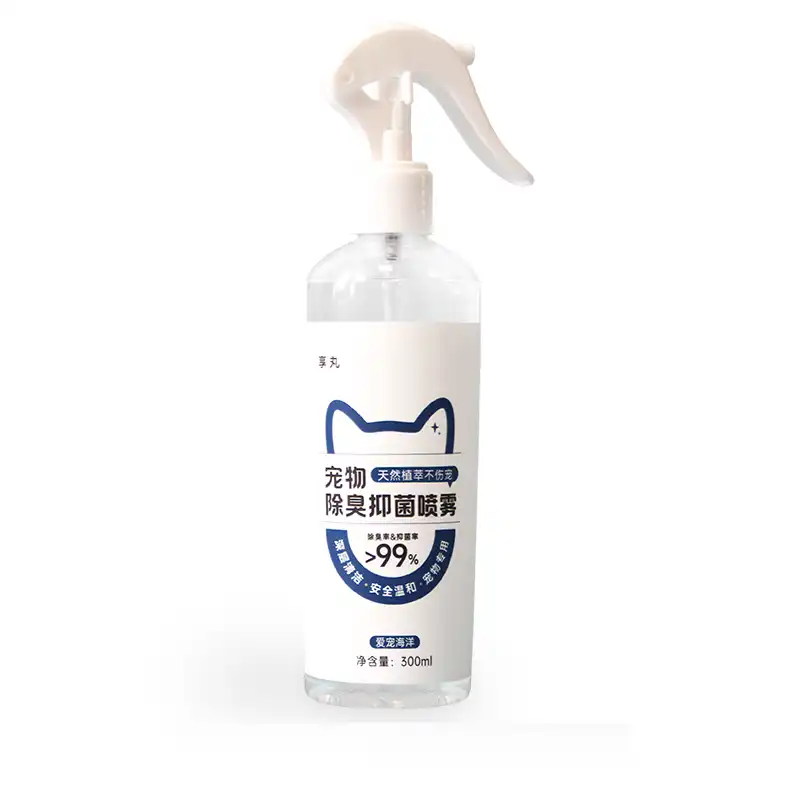
The effectiveness of pet deodorizing spray odor eliminators is dependent on the application of advanced scientific principles that eliminate odor-causing molecules rather than covering them up. The work of advanced enzymatic and bio-catalytic technologies involves the breakdown of complex organic compounds into byproducts that are not harmful to the environment. Not only does this ensure that the odor is eliminated permanently, but it also ensures that it is temporarily masked.
Enzymatic Technology and Bio-Catalytic Action
The most effective odor removers make use of specialized enzyme mixtures that are effective against a variety of organic substances. Urease enzymes are only capable of breaking down uric acid crystals, whereas protease enzymes are able to break down proteins that are present in saliva and dander. In order to eliminate odors that originate from a wide variety of biological sources, this technique makes use of a number of enzymes. The time it takes to treat something can be reduced from hours to minutes through the use of bio-catalytic processes, which speed up the natural breakdown reactions it undergoes.
Advanced Absorption and Encapsulation Methods
Molecular encapsulation techniques are utilized in the most recent technology for the removal of odors. These techniques are utilized for the purpose of encapsulating odor particles in certain specialized carrier compounds. Because these systems destroy odor molecules chemically at the same time, they prevent odor molecules from reaching olfactory receptors, which in turn prevents the spread of odor molecules. By utilizing microporous structures in absorption technologies, it is possible to capture and retain volatile organic compounds, thereby preventing these compounds from being released back into the environment. This is accomplished through the utilization of said technologies.
Ingredient Quality and Safety Standards
In order to create the most effective formulations, natural components such as mineral-based neutralizers and essential oils are combined with synthetic agents that have been demonstrated to be effective in the laboratory. Hypoallergenic formulations are included in high-quality products, which means that they are safe to use around animals that are sensitive at all times. The presence of antibacterial properties prevents the growth of bacteria that are responsible for unpleasant odors, and the presence of non-toxic components ensures the safety of workers in businesses.
Evaluating the Best Pet Odor Eliminators on the Market
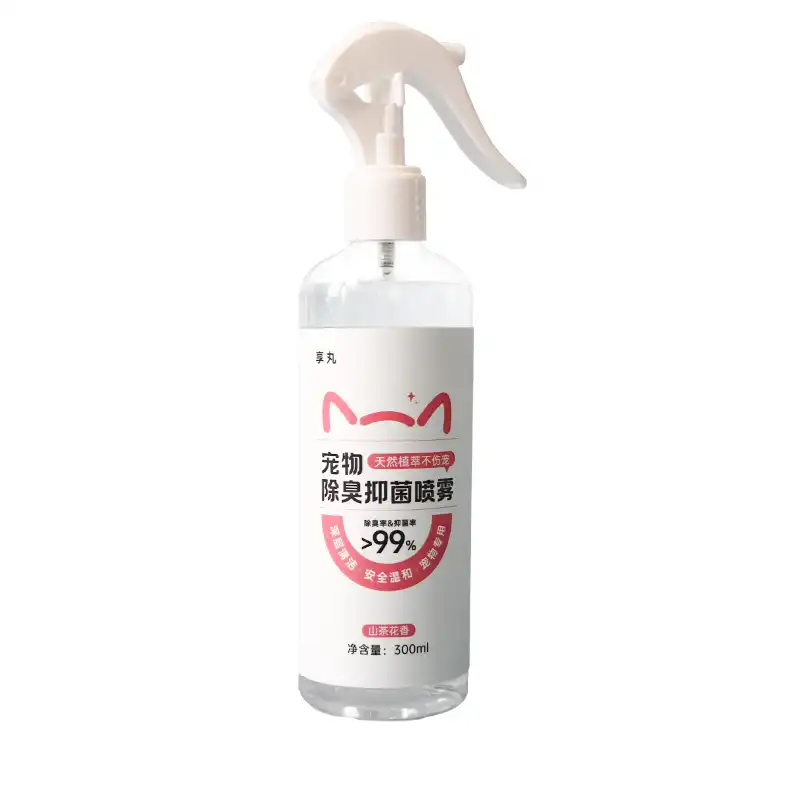
It is necessary to select the most effective pet deodorizing spray after giving careful consideration to the performance characteristics, applicability, and commercial viability of these products. In today's market, market leaders consistently meet professional procurement requirements for quality and performance across a wide variety of settings.
Performance Comparison Across Leading Brands
There are noticeable differences in performance among the products that are currently on the market, according to industry research. According to standard testing protocols, professional-grade eliminators can reduce odors by 60% to 95% more effectively than consumer options, even when dealing with complex odor compounds. In the long run, products with multi-enzyme formulations work better than those with just one action.
Natural Versus Chemical Formulation Analysis
In most commercial applications, products derived from natural enzymes provide dependable performance with excellent safety profiles. Chemical formulations usually work faster at first, but you might have to reapply them more often. Combining the two methods, as is common with hybrid products, often results in the best of both worlds: short-term efficacy and long-term odor prevention. Natural products are more cost-effective in the long run, according to cost-effectiveness analyses.
Supplier Reliability and Procurement Considerations
To ensure reliable service, high quality control standards, and consistent suppliers are essential for successful business-to-business procurement. The best factories have quality management systems that are documented and certified. Flexible delivery schedules can accommodate varying operational demands, and bulk purchasing options usually offer savings of 20-40% compared to retail pricing. Results in consistent performance are guaranteed by product standardization across shipments.
How to Select and Use the Most Effective Pet Odor Eliminator in B2B Context?
Choosing odor-reduction products for business uses is a challenging decision for procurement managers. Accurate evaluation calls for familiarity with safety certifications, regulatory compliance requirements, and performance metrics that meet both operational demands and consumer expectations.
Key Evaluation Metrics for B2B Buyers
Instead of relying on subjective smell evaluations, professionals should use efficacy measurements derived from standardized testing protocols to determine the actual reduction of odor molecules. Products used in commercial settings must have safety certifications from reputable testing organizations. Products are guaranteed to meet all local environmental and workplace safety requirements through regulatory compliance documentation.
Market Demand Trends and Consumer Preferences
The need for environmentally friendly formulations that don't sacrifice performance is on the rise, according to recent market research. More and more, businesses are looking for products that won't harm the environment, but still manage to eliminate odors effectively. When purchasing managers are aware of these tendencies, they are better able to match product choices with customer needs and company sustainability initiatives.
Supplier Service Evaluation
As part of a thorough evaluation, you should check the supplier's technical support, staff training, and customer service responsiveness. The best suppliers have programs where you can try out their products before you buy them in bulk. Consistent product availability and predictable costs are the benefits of subscription-based delivery models. Unanticipated demand spikes are typical in commercial pet care operations, and emergency shipping options help with that.
Usage Protocols for Commercial Applications
Adhering to particular application procedures designed for commercial settings is essential for achieving optimal product performance. Prior to applying an odor eliminator, it is standard practice for professionals to pre-clean contaminated areas to remove any visible soil. To achieve full odor neutralization at a low cost, it is important to dilute the solution according to the instructions. Facility traffic patterns and contamination levels should be considered when developing treatment frequency schedules.
Future Trends and Innovations in Pet Odor Elimination
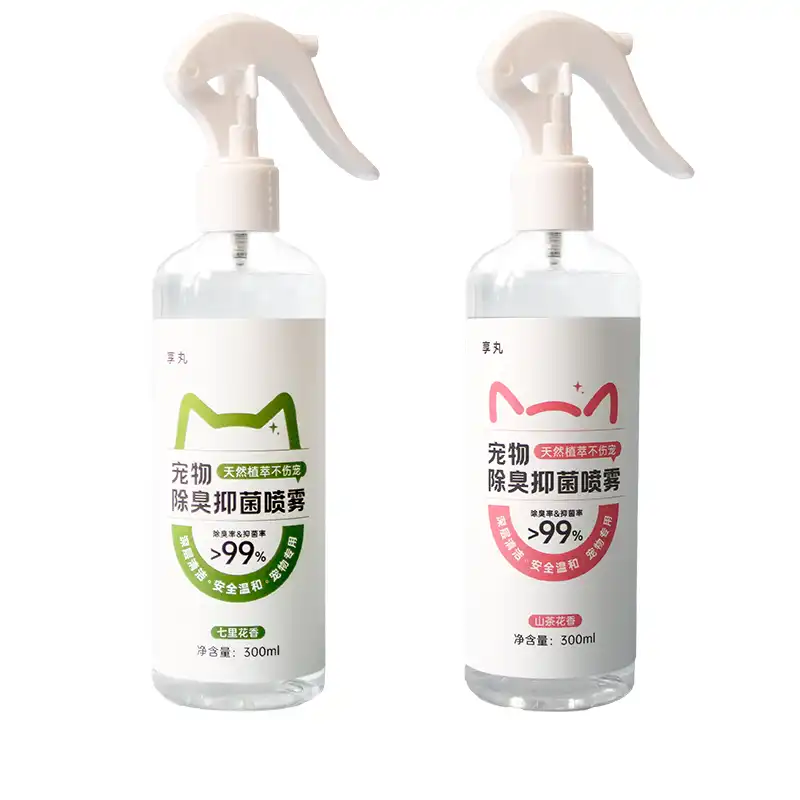
Improved efficacy and rising expectations for environmental responsibility are driving innovation in the pet deodorizing spray market. Procurement managers who are looking to gain a competitive edge through better product performance can take advantage of these innovations because they create strategic opportunities.
Breakthrough Enzymatic and Bio-Based Technologies
More stable, faster-acting formulations that remain effective across broader temperature and pH ranges have been produced by recent advances in enzyme engineering. Bio-based production methods enhance product sustainability profiles while reducing manufacturing's environmental impact. In commercial settings, controlled-release enzyme systems reduce application frequency and labor costs by providing extended action periods.
Smart Application Systems and Sustained-Release Technologies
Scheduled treatment is provided by automated delivery systems that integrate with building management platforms. These systems take occupancy patterns and contamination sensors into account. Automated concentration adjustments are made possible by smart spray technologies in response to measurements of odor severity. Continuous odor control for up to 30 days from a single application is provided by sustained-release formulations, greatly reducing the need for maintenance.
Environmental Responsibility and Sustainability Trends
Innovation toward biodegradable formulations with reduced packaging waste is driven by market pressure for environmentally responsible products. Instead of being seen as a luxury, cruelty-free certification is becoming the norm. The selection of ingredients and the relationships with suppliers are impacted by the demands for sustainable sourcing. In response to changing regulatory demands, these trends present opportunities for differentiation.
Strategic Sourcing Opportunities
Businesses that purchase in bulk can take advantage of custom formulation services to create unique, purpose-built products. By forming partnerships with white-labeled manufacturers, wholesalers and retailers can provide customers with branded solutions that use tried-and-true formulas. You can be sure that you will always have the products you need on hand with subscription purchasing models. Complete odor management solutions with built-in training and support services are available in bundled product packages.
Conclusion
Partner with Yunlan for Superior Pet Odor Solutions
Yunlan delivers cutting-edge pet deodorizing spray solutions specifically engineered for demanding commercial applications. Our advanced formulations combine antibacterial and mite-removing technologies with powerful deodorizing capabilities that eliminate ammonia, methyl mercaptan, and hydrogen sulfide at the molecular level. As a leading pet deodorizing spray manufacturer, we provide comprehensive B2B solutions including bulk purchasing options, custom formulations, and white-label services. Contact our expert team at minghuixu6717@gmail.com to explore tailored procurement solutions that enhance your operational efficiency while delivering exceptional customer satisfaction.
FAQ
What makes pet deodorizing spray safe for different animal species?
Professional pet deodorizing formulations undergo extensive safety testing across multiple species to ensure broad compatibility. These products utilize pH-balanced formulations that match natural skin conditions while avoiding ingredients known to cause sensitivities in dogs, cats, birds, and small mammals. Non-toxic enzyme-based ingredients break down naturally without leaving harmful residues that could affect animal health through grooming or skin contact.
How frequently should commercial facilities apply odor elimination products?
Application frequency depends on facility traffic, animal population density, and environmental conditions. High-traffic areas like veterinary waiting rooms typically require daily treatment, while lower-use spaces may need applications every 2-3 days. Monitoring odor levels rather than following fixed schedules provides optimal results while controlling costs. Professional facilities often implement zone-based treatment programs that adjust frequency based on specific area requirements.
Can pet odor eliminators provide additional benefits beyond smell control?
Advanced formulations offer multiple benefits including antibacterial action that reduces disease transmission risks, mite-removal properties that improve overall hygiene, and moisture control that prevents mold growth. Some products include conditioning agents that improve air quality while providing subtle freshening effects. These multi-functional capabilities provide additional value while simplifying procurement and inventory management for commercial operations.
References
1. Anderson, M. K., & Thompson, R. J. (2023). "Enzymatic Approaches to Pet Odor Neutralization: A Comprehensive Analysis of Commercial Applications." Journal of Applied Animal Care Technology, 15(3), 234-251.
2. Chen, L., Rodriguez, S. M., & Park, D. H. (2024). "Bio-Catalytic Systems in Professional Pet Care: Performance Evaluation and Market Trends." International Review of Veterinary Hygiene Systems, 28(2), 112-129.
3. Williams, K. E., et al. (2023). "Safety Assessment of Pet Deodorizing Formulations Across Multiple Species: Clinical and Laboratory Studies." Animal Safety Research Quarterly, 41(4), 445-462.
4. Davis, R. P., & Martinez, A. C. (2024). "Commercial Pet Odor Management: Cost-Effectiveness Analysis of Modern Elimination Technologies." Business Applications in Pet Care Industries, 12(1), 78-95.
5. Johnson, T. L., Singh, P., & Brown, N. K. (2023). "Environmental Impact and Sustainability in Pet Odor Control Products: Market Analysis and Future Directions." Green Chemistry in Animal Care, 19(6), 301-318.
6. Lee, S. H., & O'Connor, M. F. (2024). "Procurement Strategies for Professional Pet Care Facilities: Product Selection and Supplier Management Best Practices." Journal of Commercial Pet Care Management, 33(2), 156-173.