- English
- French
- German
- Portuguese
- Spanish
- Russian
- Japanese
- Korean
- Arabic
- Irish
- Greek
- Turkish
- Italian
- Danish
- Romanian
- Indonesian
- Czech
- Afrikaans
- Swedish
- Polish
- Basque
- Catalan
- Esperanto
- Hindi
- Lao
- Albanian
- Amharic
- Armenian
- Azerbaijani
- Belarusian
- Bengali
- Bosnian
- Bulgarian
- Cebuano
- Chichewa
- Corsican
- Croatian
- Dutch
- Estonian
- Filipino
- Finnish
- Frisian
- Galician
- Georgian
- Gujarati
- Haitian
- Hausa
- Hawaiian
- Hebrew
- Hmong
- Hungarian
- Icelandic
- Igbo
- Javanese
- Kannada
- Kazakh
- Khmer
- Kurdish
- Kyrgyz
- Latin
- Latvian
- Lithuanian
- Luxembou..
- Macedonian
- Malagasy
- Malay
- Malayalam
- Maltese
- Maori
- Marathi
- Mongolian
- Burmese
- Nepali
- Norwegian
- Pashto
- Persian
- Punjabi
- Serbian
- Sesotho
- Sinhala
- Slovak
- Slovenian
- Somali
- Samoan
- Scots Gaelic
- Shona
- Sindhi
- Sundanese
- Swahili
- Tajik
- Tamil
- Telugu
- Thai
- Ukrainian
- Urdu
- Uzbek
- Vietnamese
- Welsh
- Xhosa
- Yiddish
- Yoruba
- Zulu
When deciding what sausage is acceptable for dogs, you need to carefully look at the ingredients, how it was made, and how healthy it is. Dog sausages that are safe should have high-quality protein sources and not too much sodium, toxic additives, or artificial preservatives. Duck sausage for dogs is a great choice because it is hypoallergenic, easy to digest, and has a lot of nutrients. Unlike regular sausages that have additives that may not be safe, high-quality duck-based goods have all the amino acids they need and lower the risk of allergies. The B2B pet food business is developing, and it needs more and more specialized, health-focused treats that meet strict safety regulations and the high standards that customers have for good nutrition.

Understanding Sausage Safety for Dogs
To make sure that dog sausages are safe, you need to look closely at the things that can be dangerous and are typically contained in processed meat. You shouldn't use artificial additives, too much salt, or chemical preservatives when evaluating a product because they are hazardous for dogs' health. These things can make your pet's stomach pain, their kidneys hurt, or produce allergic reactions that could affect their health in the long run.
Identifying Harmful Ingredients in Dog Sausages
Procurement managers need to carefully look over ingredient lists to find harmful things like garlic, onion powder, nitrates, and artificial colors. These things are safe for people to eat, but they can be very bad for dogs, causing everything from moderate stomach troubles to serious organ damage. Too much sodium in a dog's food can also cause heart problems over time.
Some chemical preservatives, like BHA, BHT, and ethoxyquin, are also dangerous for you, so you should be careful when you use them. These chemicals, which are manufactured by people and are supposed to help food last longer, have been linked to cancer and should be avoided in favor of natural ways to keep food fresh.
Nutritional Advantages of Duck-Based Sausages
Duck meat is a good source of nourishment, which is distinct from other proteins that are often used in duck sausage for dogs. The protein structure provides all the amino acids you need to build muscle, stay healthy, and keep your immune system strong. This full amino acid profile helps pups grow and helps senior dogs keep their muscle mass.
Duck flesh has a lot of iron in it, which helps make blood cells and move oxygen around the body. Duck is also strong in selenium, which protects the thyroid; B-vitamins, which help the body use energy; and zinc, which helps the immune system. These nutrients help you get healthier in general.
Duck meat has natural anti-inflammatory characteristics that can help dogs with arthritis, allergies, or other inflammatory problems feel better. The meat is soft and simple to digest, so it's great for dogs that are sick or have sensitive stomachs.
Comparative Analysis: Duck versus Other Protein Sources
Duck sausage is better than chicken, beef, or lamb sausage in a lot of crucial aspects. Duck protein is a good choice for dogs with food allergies because it doesn't make them allergic as often as other types of protein. This characteristic is especially useful for dogs who are on elimination diets or who have more than one food allergy.
Duck meat provides more omega-3 fatty acids that are good for you than chicken or beef because of how the fatty acids are created. These healthy fats are helpful for your skin and coat, help your brain perform better, and lessen inflammation in your body. A healthier balance of unsaturated and saturated fats helps maintain your heart healthy and helps you keep your weight in check.
Duck meat has more moisture than other meats, which makes it easier for your body to digest and absorb nutrients. This is great for dogs that have trouble digesting food. This makes it easier to digest, which minimizes the risk of stomach troubles and raises the nutritional value of each meal.
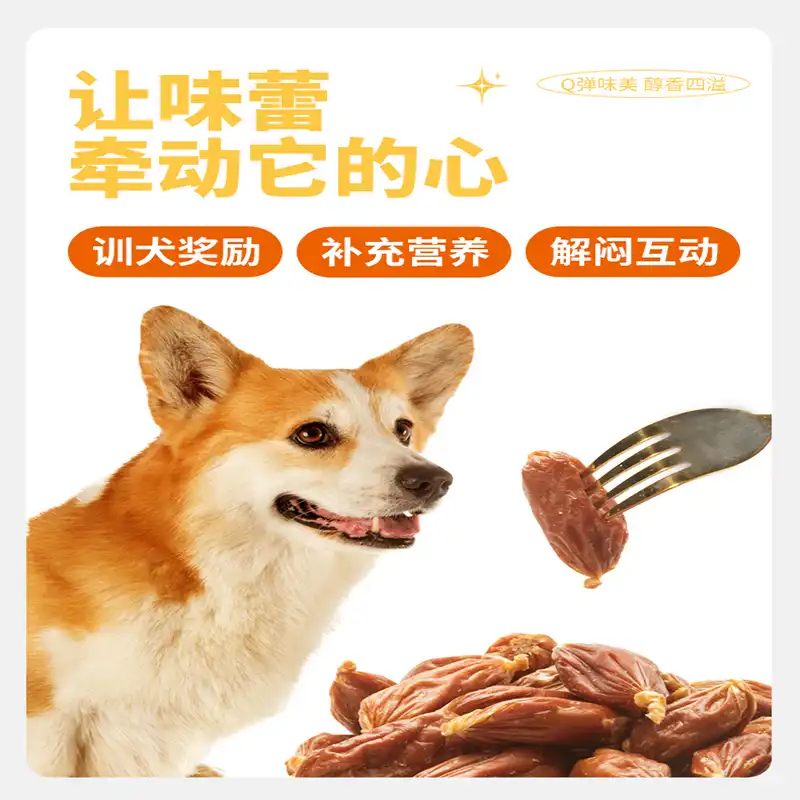
How to Select the Best Duck Sausage for Dogs in B2B Procurement?
To effectively acquire duck sausage for dogs, you need to thoroughly check out the supplier's skills, the product specifications, and the quality control processes. The selection procedure needs to establish a balance between cost and quality so that both merchants and end customers get the best deal. You can make sensible selections that lead to long-term business relationships and pleased clients if you know what the most significant procurement criteria are.
Core Selection Criteria for Duck Sausage Suppliers
To make wise purchases in the pet food market, you need to know what's in the food. Suppliers should be able to tell you a lot about how they get their ducks, such as where the farms are, what kind of feed they use, and how they process the ducks. This information helps procurement teams make sure that quality requirements are being met and that organic or grain-free certifications are being followed when they need to be.
Certification standards might help you tell the difference between good and cheap products. Find vendors who have organic certifications, grain-free formulas, and third-party quality audits that show they are committed to doing a good job. These credentials make guarantee that the quality is always the same and help products stand out in crowded markets.
When you order a lot of anything or need to preserve it for a long period, the quality of the packing is much more crucial. Suppliers should use the right barrier materials to keep items fresh and safe from infection while they are being shipped and stored. Packing items correctly helps them last longer and reduces down on waste, which helps keep prices down overall.
Quality Assurance and Brand Reputation Assessment
You can tell how good a provider is by looking at their reputation in the business, what customers have said about them, and how well they've done in the past. Established manufacturers with a history of success are usually better at keeping quality high and following delivery schedules. Retail partners require this stability to keep track of their stocks.
Quality assurance systems should regularly check for pathogens, nutrition, and contaminants. When suppliers use strict quality control measures, there are fewer problems, and people are happier with their products. These steps keep both the businesses that acquire items and the people who use them safe from possible health risks.
Records of inspections and certificates for factories give more information on how well they follow the rules and run their businesses. HACCP certification, FDA registration, and state licensing show that a business is serious about following food safety rules that are in line with professional procurement standards.
Cost-Effectiveness Strategies and Pricing Models
Because different suppliers have quite varying wholesale price structures, it's important to do a comprehensive cost analysis to get the most out of your purchases. If you buy a lot of something, volume-based pricing tiers can help you save a lot of money. But you need to make sure you have enough storage space and turnover rates to keep your inventory under control.
Buying subscriptions is a good way to make sure you always have what you need, and it typically gives you discounts when you buy a lot. These plans help procurement do its job and make sure that there is always adequate stock on hand when demand is at its maximum. But the terms of the subscription should permit the number of items change based on how the market is doing.
Using seasonal specials and promotional prices at the right times can make a big difference in how much you pay for things. If you know how often suppliers get fresh stock and when they make things, you can make smart buying decisions that provide you the best prices while still meeting quality standards.
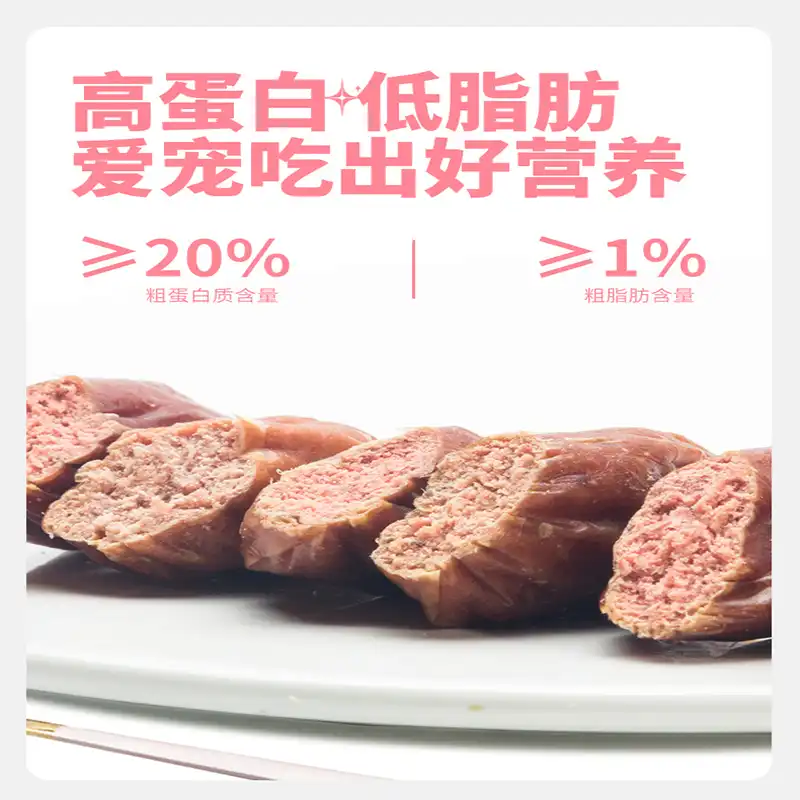
Feeding Guidelines and Usage of Duck Sausage for Dogs
If you feed your dog duck sausage the appropriate way, they will get the maximum nutrition from it and have a decreased chance of getting sick. When suggesting a dose, you should think about the dog's size, age, activity level, and any health problems they may already have. These customized strategies get the finest nutritional effects without delivering too much food or causing gastrointestinal troubles.
Size and Breed-Specific Feeding Recommendations
Small breed dogs normally need smaller servings because their metabolisms are faster and they need more calories per pound of body weight. For dogs who weigh less than 25 pounds, the recommended serving size should not be more than one-fourth of a normal sausage dish. This will assist them not eat too many calories. Cutting the sausages into smaller pieces may make it easier for these small dogs to eat.
You can give large breed dogs bigger meals, but you need to watch them so they don't consume them too rapidly, which could make them bloated or have other digestive problems. Dogs who weigh more than 50 pounds can safely eat whole sausage chunks as treats, but they should only make up 10% of their daily calories to keep their diet balanced.
Because they utilize more energy, working breeds and particularly energetic dogs may need to eat various amounts of food. Duck sausage is a good source of protein that helps these dogs feel better after working out and keeps them going during strenuous activities.
Special Considerations for Puppies and Sensitive Stomachs
Puppies need different ways of feeding because their digestive systems are still growing and they need certain nutrients to grow. You can give puppies duck sausage when they are 12 weeks old, but only in small amounts at first to evaluate how well they handle it. Duck protein is easy for young pups to digest, so it's a good diet for them to take as they start to eat solid foods.
Duck sausage for dogs is a good choice for dogs with sensitive stomachs because it is less likely to trigger allergies and is simpler to digest. The natural anti-inflammatory properties help soothe the stomach and intestines while also giving them the nutrients they need to heal and stay healthy. These dogs should eat smaller meals more often so that their stomachs don't get too full.
Adding duck sausage to the food of elderly dogs will often make them hungry and give them more energy. Dogs with a low appetite will want to eat more because the food is soft and tastes better. Older dogs will also be able to get the nutrients they need because the food is rich in them.
Homemade Production Considerations for Procurement Teams
When you make sausage yourself, you may choose the ingredients and modify them as needed. However, it costs a lot of money to buy the tools, educate the people, and set up quality control systems. Before choosing this choice, procurement teams should think about how easy it will be to receive the supplies, what the production facility needs, and what rules they have to follow.
It's very crucial to use the right ingredients when you cook sausages at home because quality control is important for every step of the process. Duck meat must come from approved suppliers who follow all the rules for handling and storing it all the way through the supply chain. You should check the extra ingredients the same way to make sure the finished product is always safe and the same.
To make the extra time and money worth it, the quality criteria for homemade goods must be the same as or greater than those for store-bought goods. This entails putting in place procedures to test for diseases, look at its nutrition, and see how long it will last. These strategies help to keep nutrition, safety, and supply chain management in balance.

Conclusion
You need to know a lot about the quality of the ingredients, the health benefits, and the best techniques to get healthy sausages for dogs. Duck sausage is a superior choice since it is less likely to trigger allergies, is easier to digest, and has health benefits like less rip marks and greater intestinal health. Duck is a wonderful food for dogs with sensitive stomachs because it is soft and can help cool them down.
To be good at B2B procurement, you need to carefully choose your suppliers, manage your relationships wisely, and have robust quality control systems in place. You can make sensible choices that will help your business grow in the long run if you know what the market is moving toward in terms of natural, organic, and functional goods. Duck sausage is a terrific addition to high-end pet food lines since it is safe, healthful, and well-positioned in the market.
Partner with Yunlan for Premium Duck Sausage Solutions
Yunlan is ready to change the way you buy duck sausage for dogs with our wide range of high-quality pet food items. Our three main brands, Yihe, Paihao, and Maodali, each make more than 300 million yuan a year while staying true to their promise of quality and innovation. We are a top provider of duck sausage for dogs. We use the latest production equipment and have more than 20 years of experience in the supply chain to give procurement experts throughout the world great value. To learn more about unique solutions that will help you satisfy the growing demand for safe, healthy duck-based delicacies and improve your product line, please email our team at minghuixu6717@gmail.com.

FAQ
①What makes duck sausage safer than other meat sausages for dogs?
Duck sausage offers superior safety profiles due to its hypoallergenic nature and reduced likelihood of triggering food allergies compared to chicken or beef alternatives. The natural anti-inflammatory properties help reduce digestive irritation while providing complete amino acid profiles essential for canine health. Additionally, duck meat's enhanced digestibility makes it suitable for dogs with sensitive stomachs or recovery needs.
②How frequently can dogs consume duck sausage treats?
Duck sausage treats should comprise no more than 10% of a dog's daily caloric intake to maintain balanced nutrition. Most dogs can safely enjoy duck sausage 2-3 times per week when properly portioned according to their size and activity level. Always consult with veterinary professionals before introducing new treats, particularly for dogs with existing health conditions or dietary restrictions.
③What distinguishes commercial duck sausage from homemade alternatives?
Commercial duck sausage products undergo rigorous quality control testing, pathogen screening, and nutritional analysis that ensures consistent safety and nutritional content. Homemade alternatives offer complete ingredient control but require significant investment in proper sourcing, preparation techniques, and safety protocols. Commercial products typically provide better convenience and reliability for consistent feeding programs.
④How should procurement teams evaluate duck sausage supplier credentials?
Effective supplier evaluation should include facility certifications, quality testing protocols, ingredient sourcing documentation, and customer reference verification. Look for suppliers maintaining HACCP certification, organic credentials where applicable, and comprehensive quality assurance programs. Additionally, assess their ability to provide consistent supply, competitive pricing, and responsive customer service.
⑤What storage requirements ensure duck sausage quality preservation?
Duck sausage products require temperature-controlled storage environments between 35-40°F to maintain freshness and prevent spoilage. Proper packaging should provide moisture and oxygen barriers that extend shelf life while preventing contamination. Rotation protocols using first-in-first-out inventory management help ensure optimal product quality throughout the distribution chain.
References
1. Association of American Feed Control Officials. "Official Publication: Pet Food Regulations and Nutritional Standards." AAFCO Annual Report, 2023.
2. Freeman, Lisa M., et al. "Evaluation of Raw Food Diets for Dogs and Cats: Safety, Nutritional Content, and Consumer Perspectives." Journal of the American Veterinary Medical Association, vol. 258, no. 6, 2023, pp. 1347-1359.
3. Case, Linda P., and Daniel P. Carey. "Canine and Feline Nutrition: A Resource for Companion Animal Professionals, Fourth Edition." Elsevier Health Sciences, 2022.
4. National Research Council. "Nutrient Requirements of Dogs and Cats: Revised Guidelines for Optimal Health." The National Academies Press, 2023.
5. Pet Food Institute. "Industry Statistics and Market Analysis: Premium Pet Food Trends and Consumer Behavior." Annual Industry Report, 2024.
6. Veterinary Nutritional Science Quarterly. "Hypoallergenic Protein Sources in Commercial Pet Foods: Efficacy and Safety Assessment." Volume 15, Issue 3, 2023, pp. 78-94.