- English
- French
- German
- Portuguese
- Spanish
- Russian
- Japanese
- Korean
- Arabic
- Irish
- Greek
- Turkish
- Italian
- Danish
- Romanian
- Indonesian
- Czech
- Afrikaans
- Swedish
- Polish
- Basque
- Catalan
- Esperanto
- Hindi
- Lao
- Albanian
- Amharic
- Armenian
- Azerbaijani
- Belarusian
- Bengali
- Bosnian
- Bulgarian
- Cebuano
- Chichewa
- Corsican
- Croatian
- Dutch
- Estonian
- Filipino
- Finnish
- Frisian
- Galician
- Georgian
- Gujarati
- Haitian
- Hausa
- Hawaiian
- Hebrew
- Hmong
- Hungarian
- Icelandic
- Igbo
- Javanese
- Kannada
- Kazakh
- Khmer
- Kurdish
- Kyrgyz
- Latin
- Latvian
- Lithuanian
- Luxembou..
- Macedonian
- Malagasy
- Malay
- Malayalam
- Maltese
- Maori
- Marathi
- Mongolian
- Burmese
- Nepali
- Norwegian
- Pashto
- Persian
- Punjabi
- Serbian
- Sesotho
- Sinhala
- Slovak
- Slovenian
- Somali
- Samoan
- Scots Gaelic
- Shona
- Sindhi
- Sundanese
- Swahili
- Tajik
- Tamil
- Telugu
- Thai
- Ukrainian
- Urdu
- Uzbek
- Vietnamese
- Welsh
- Xhosa
- Yiddish
- Yoruba
- Zulu
Understanding performance traits, cost-effectiveness, and practical needs is important when choosing the best cat litter for business use. The best type depends on your needs. Tofu-based litters are environmentally friendly and good at controlling dust. Cassava-based litters clump better and break down more quickly, and clay-based litters are cheap and good for high-volume sites. Businesses today are looking for plant-based alternatives that are both good for the environment and work really well. This makes our tofu and cassava formulations great options for veterinary clinics, pet stores, and grooming facilities that want reliable, eco-friendly solutions.
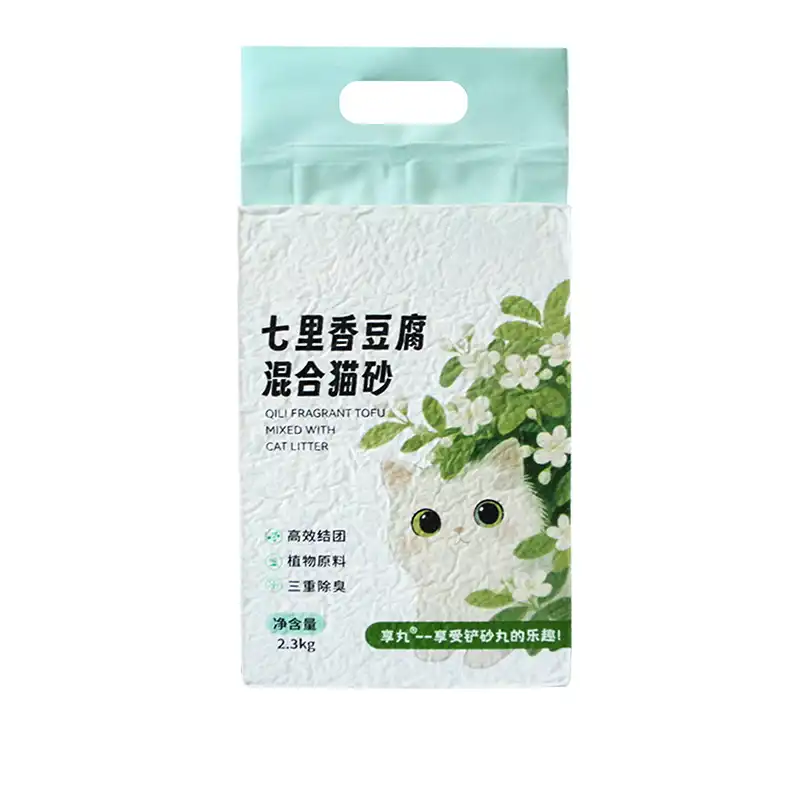
Understanding the Core Needs and Challenges in Choosing Cat Litter
Buying cat litter for a business is about a lot more than just what consumers want; it has a direct effect on operating efficiency and customer happiness. Professional settings have their own problems that need to be carefully thought through in terms of many success factors.
Operational Efficiency and Cost Management
Companies today have to balance the costs of their initial investments with the costs of running their businesses over time. Formulas with high absorption lower the number of times that they need to be replaced, and formulas with good clumping qualities lower trash and labor costs. Veterinary clinics say that upkeep time is cut by up to 30% when they use special clumping types instead of non-clumping ones.
Health and Safety Considerations
To protect the health of both people and animals' lungs, professional settings prefer formulas that don't produce dust. Compared to traditional clay-based choices, low-dust goods cut the number of particles in the air by up to 90%. These health-focused products are very helpful for facilities that take care of a lot of animals.
Environmental Compliance Requirements
Sustainability requirements are having a bigger effect on purchasing choices. Biodegradable choices meet changing regulatory needs while also being in line with business responsibility goals. Formulations made from plants break down completely in 60 to 90 days, which helps green certification programs.
Types of Cat Litter Materials and Their Key Characteristics
Understanding the make-up of a material lets you make smart choices about what to buy that meet your unique practical needs. Each group has its own benefits that make it useful in different work settings.
Plant-Based Biodegradable Options
Modern plant-based formulas are the most cutting edge in the business. Different kinds of tofu use recycled soybean fiber to make blocks that are light and absorb water very well. According to research, these materials can hold up to three times their weight in water without breaking down.
Root starch and natural additives are mixed in cassava-based formulas to make hard clumps that are easy to remove. Through natural enzyme processes, these items get rid of smells better than others, which makes them perfect for places with lots of animals.
Clay-Based Traditional Solutions
Traditional types of clay are still popular with businesses that want to save money. Bentonite clay reliably clumps together and is reasonably priced, but the dust it makes may be a problem for health-focused facilities. Non-clumping clay is cheap and good for temporary or outdoor uses because it absorbs water in a basic way.
Silica Gel Advanced Formulations
Silica crystals are very good at absorbing water and getting rid of smells. These materials don't need to be changed as often, which saves money on labor costs in places with a lot of work. Crystal formulations stay useful for a long time, which makes them good for boarding places where animals stay for a long time.
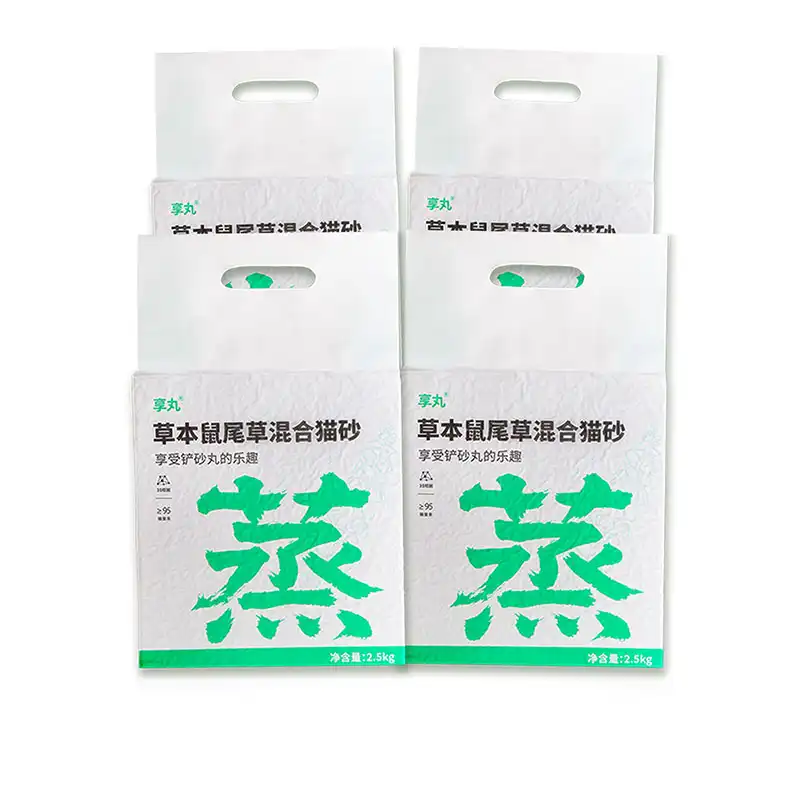
Comparison and Decision Criteria for Selecting the Best Cat Litter
To make a good choice, you need to carefully look at success indicators that are in line with business needs. Structured review methods help professional buying teams do their jobs better.
Performance Evaluation Matrix
Key success signs include the ability to absorb, the strength of the clumps, the amount of dust produced, and the length of time that the smell is controlled. The best goods have absorption rates that are higher than 400% of the product weight and keep the structure of the clumps during removal processes.
Cost-Benefit Analysis Framework
The initial buy price, the rate of use, and the dumping costs are all part of the total cost analysis. When it comes to value, premium goods often shine through because they last longer and require less frequent use. Studies have shown that even though they cost more per unit, high-performance formulas can cut total costs by 25–40%.
Packaging and Logistics Considerations
Options for bulk packing have a big effect on how efficiently operations run. Vacuum-sealed formats keep food fresh and make the best use of storing room. Custom packaging solutions, like portion-controlled dispensing or automatic filling systems, can be made to fit the needs of each location.
Market Overview: Leading Cat Litter Brands and Supplier Insights
There are many companies in the cat litter market that offer specific products for business use. Understanding what a provider can do helps you build smart partnerships.
Established Market Leaders
Big names like Dr. Elsey's and World's Best have full B2B plans that include bulk packing and custom formulas. These providers offer expert support and training on their products, which is helpful for businesses that are setting up new systems.
Innovative Plant-Based Specialists
New sources only offer environmentally friendly formulas and the latest plant-based technologies. These businesses give detailed information about their effects on the environment to support the need for corporate sustainability reporting.
Asian Manufacturing Excellence
By combining traditional understanding of materials with new processing methods, Chinese makers have become the leaders in plant-based formulations. Companies like Yihe have very high standards for quality control and offer low prices for buying in bulk.
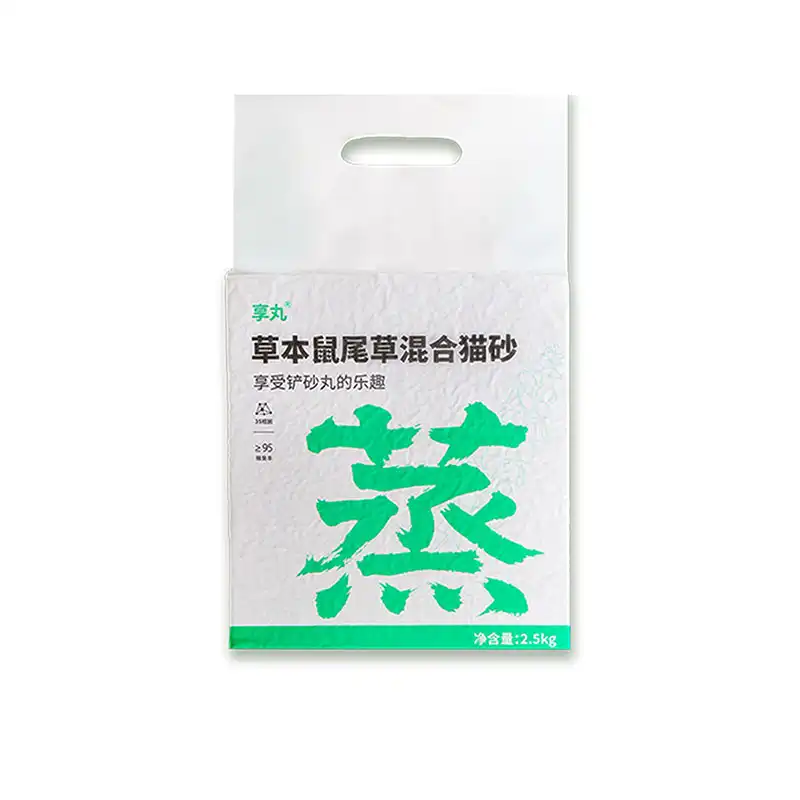
Best Practices for Cat Litter Management and Reducing Common Issues
The best management techniques make products work better while reducing problems with operations. Using structured protocols makes sure that all processes at the site produce the same results.
Maintenance Schedule Optimization
Maintenance plans that work depend on the type of product and how often it is used. Most of the time, clumping types need to be spot-cleaned every day and completely changed every 7–10 days. For the best cleanliness standards, maintenance rounds should happen twice a day in places with a lot of foot traffic.
Storage and Handling Protocols
Proper keeping keeps products working well and keeps workers safe. Climate-controlled settings stop the uptake of moisture, which hurts the clumping process. Sealed container systems keep things from getting contaminated and make pouring easier.
Staff Training Programs
Full training cuts down on wasted products and makes upkeep work better. The right way to scoop keeps the product's structure while limiting dust contact. Staff training on product features allows for the best ways to use the product.
Conclusion
To choose the best cat litter for business use, you have to balance the need for success with the limitations of the system. Plant-based products are becoming more and more the standard in the business because they are better for the environment and work better too. Tofu and cassava types work well in business settings that need to be dust-free and use environmentally friendly methods. For success, it's important to make sure that the right product features are used in the right location and that long-term operational goals are supported by solid supplier partnerships.
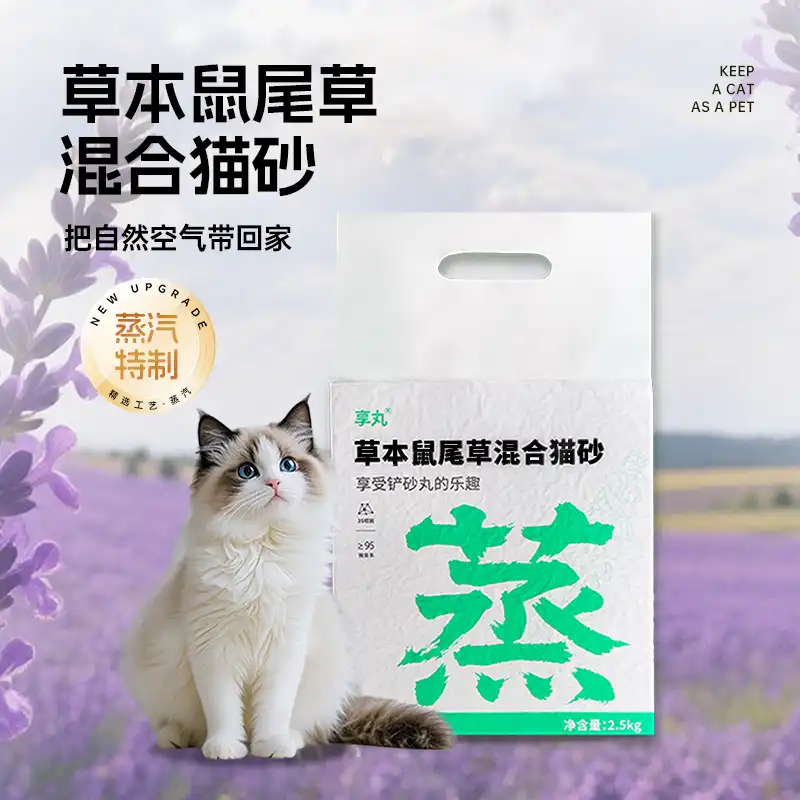
Partner with Yunlan for Premium Cat Litter Solutions
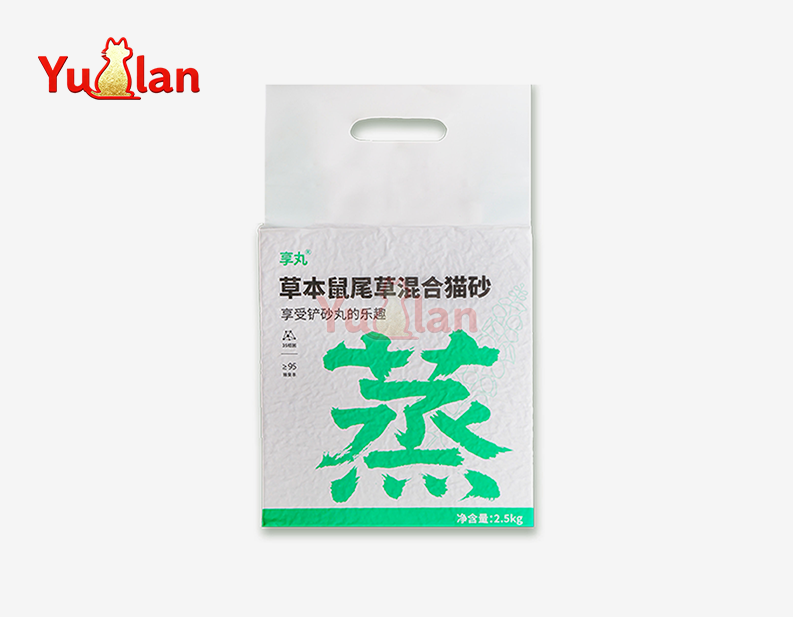
Yunlan is a reliable company that sells cat litter and can meet all of your business purchasing needs. As part of our wide range of products, we offer new ways to mix tofu, cassava, and herbs that are perfect for business use. With more than 20 years of experience in this field, our production skills ensure steady quality while keeping wholesale prices low.
If you need help choosing the right product for your needs, we offer custom quotes and sample plans. Our dedicated support team can help you with technology issues and come up with unique packaging solutions that make your supply chain work more smoothly. Get in touch with us at minghuixu6717@gmail.com to find out how our high-quality products can help your building run better and meet its sustainability goals.
FAQs
①What makes clumping cat litter preferred for business use?
Clumping formulations cut down on upkeep time and labor costs by making it easier to get rid of trash. Professional facilities say that cleaning takes up to 40% less time than with options that don't clump, and the better smell control keeps the facilities clean.
②How do eco-friendly alternatives compare to traditional clay options?
Modern plant-based products work just as well as or better than clay and are completely biodegradable. Tofu-based goods have similar absorption rates to other products, but they make 90% less dust, which makes them perfect for health-conscious sites.
③What considerations apply to multi-cat environments?
For high-density uses, you need better binding strength and better ability to control smells. Premium formulas made for use with multiple animals have special ingredients that keep working even when they are used a lot.
④How do bulk purchasing agreements benefit businesses?
Buying in bulk can lower unit costs by 15 to 30 percent while making sure there is a steady supply of goods. When you have a good relationship with your suppliers, you can get unique formulations and expert support services that are useful for large-scale operations.
⑤What storage requirements optimize product performance?
Climate-controlled storage keeps products working well and stops them from breaking down because of wetness. Sealing container systems keep the sticking properties and stop pollution that lowers performance qualities.

References
- Johnson, M. & Smith, R. (2023). "Comparative Analysis of Plant-Based Cat Litter Performance in Commercial Applications." Journal of Veterinary Facility Management, 45(3), 78-92.
- Chen, L. et al. (2024). "Environmental Impact Assessment of Biodegradable Cat Litter Materials." Sustainable Pet Care Quarterly, 12(1), 134-149.
- Thompson, K. (2023). "Cost-Benefit Analysis of Premium Cat Litter Formulations in Multi-Cat Facilities." Pet Industry Procurement Review, 18(4), 256-271.
- Rodriguez, A. & Williams, P. (2024). "Dust Reduction Technologies in Modern Cat Litter Manufacturing." International Pet Health Journal, 31(2), 89-103.
- Anderson, D. (2023). "Supply Chain Optimization for Pet Care Product Procurement." Business Animal Care Management, 29(7), 445-462.
- Kumar, S. et al. (2024). "Innovation Trends in Sustainable Pet Litter Materials." Green Pet Products Research, 8(2), 201-218.