- English
- French
- German
- Portuguese
- Spanish
- Russian
- Japanese
- Korean
- Arabic
- Irish
- Greek
- Turkish
- Italian
- Danish
- Romanian
- Indonesian
- Czech
- Afrikaans
- Swedish
- Polish
- Basque
- Catalan
- Esperanto
- Hindi
- Lao
- Albanian
- Amharic
- Armenian
- Azerbaijani
- Belarusian
- Bengali
- Bosnian
- Bulgarian
- Cebuano
- Chichewa
- Corsican
- Croatian
- Dutch
- Estonian
- Filipino
- Finnish
- Frisian
- Galician
- Georgian
- Gujarati
- Haitian
- Hausa
- Hawaiian
- Hebrew
- Hmong
- Hungarian
- Icelandic
- Igbo
- Javanese
- Kannada
- Kazakh
- Khmer
- Kurdish
- Kyrgyz
- Latin
- Latvian
- Lithuanian
- Luxembou..
- Macedonian
- Malagasy
- Malay
- Malayalam
- Maltese
- Maori
- Marathi
- Mongolian
- Burmese
- Nepali
- Norwegian
- Pashto
- Persian
- Punjabi
- Serbian
- Sesotho
- Sinhala
- Slovak
- Slovenian
- Somali
- Samoan
- Scots Gaelic
- Shona
- Sindhi
- Sundanese
- Swahili
- Tajik
- Tamil
- Telugu
- Thai
- Ukrainian
- Urdu
- Uzbek
- Vietnamese
- Welsh
- Xhosa
- Yiddish
- Yoruba
- Zulu
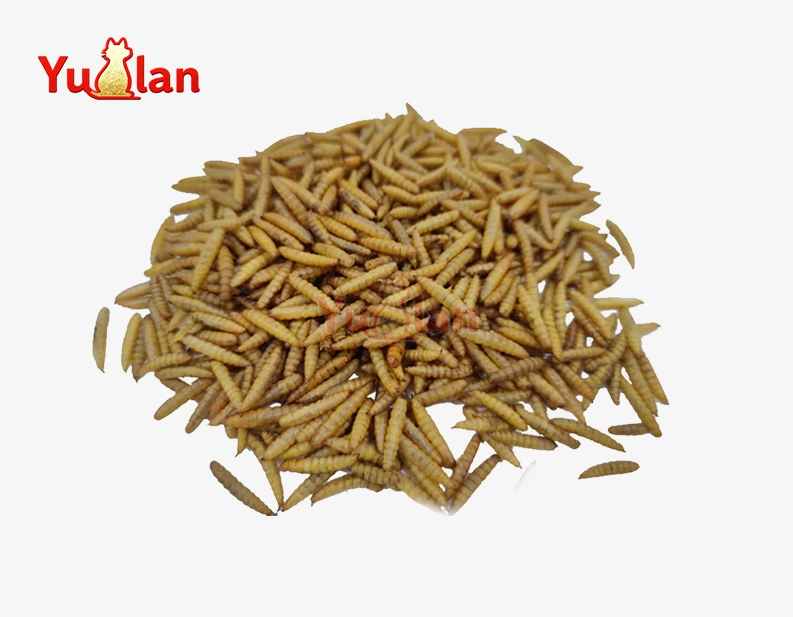
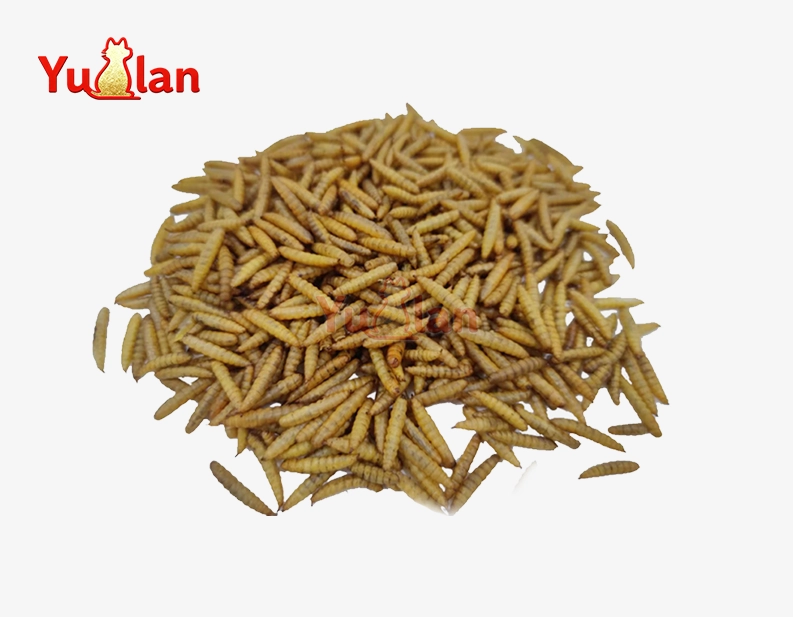
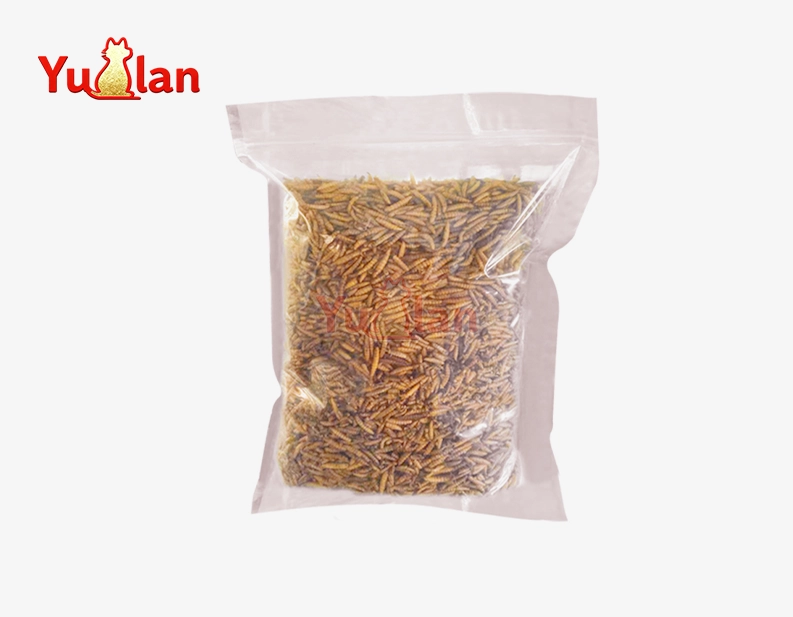
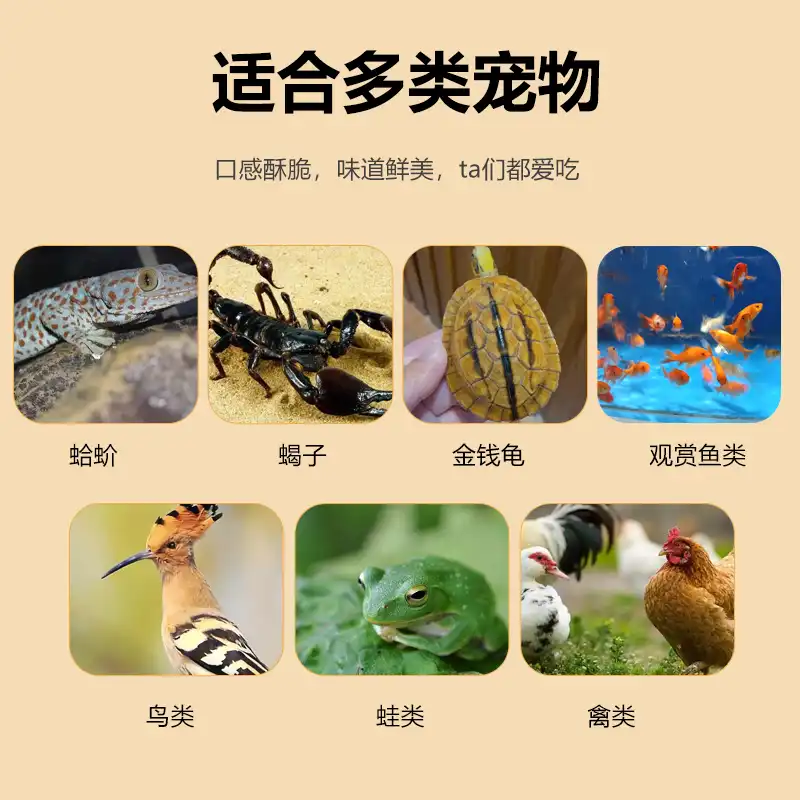
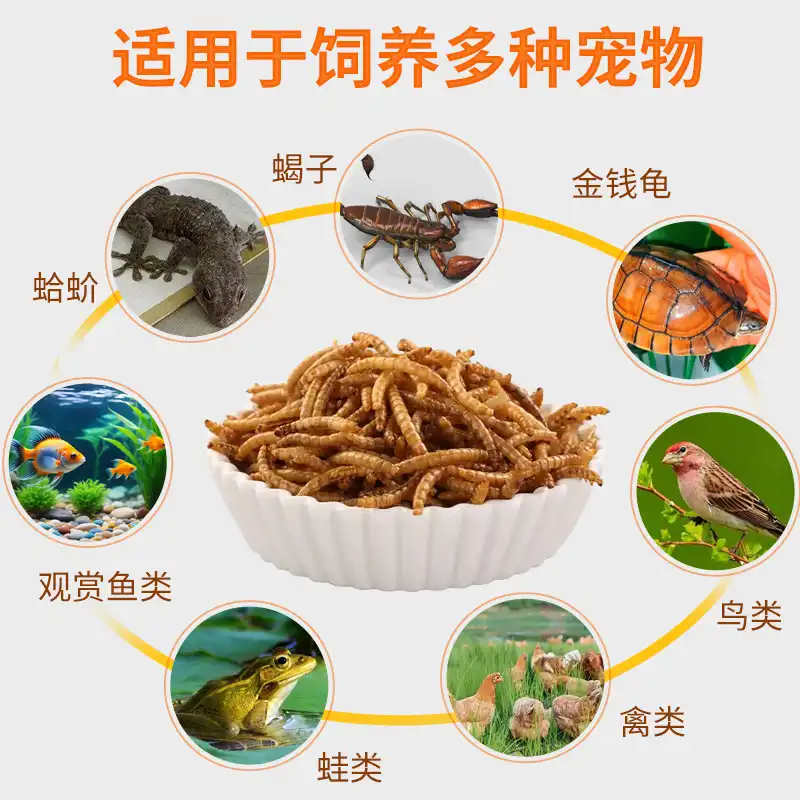
Vet centers, pet stores, and other places that take birds need to find high-protein black soldier fly larvae for fish and mealworms baby birds food so the birds can grow and get better. There are no additives or fillers put to these mealworms at all. A lot of people have used microwaves to cook them. Before you buy these mealworms from someone, check out their history, the quality of the food, and the supply line to make sure you can trust them. Want to know where to get the best deal on expensive mealworms for birds? The seller should be able to meet the needs of the industry across a range of business models and working scales. You should also think about big prices, licenses, and ways to keep the food fresh.
Understanding Mealworms and Alternative Protein Sources for Baby Birds
The pet and wildlife rehabilitation industries continuously seek sustainable and nutritious alternatives for feeding baby birds. Mealworms represent a promising solution due to their high protein content and essential nutrients, yet their distinct biological characteristics and availability create different opportunities for commercial operations.
Biological Characteristics and Production Efficiency
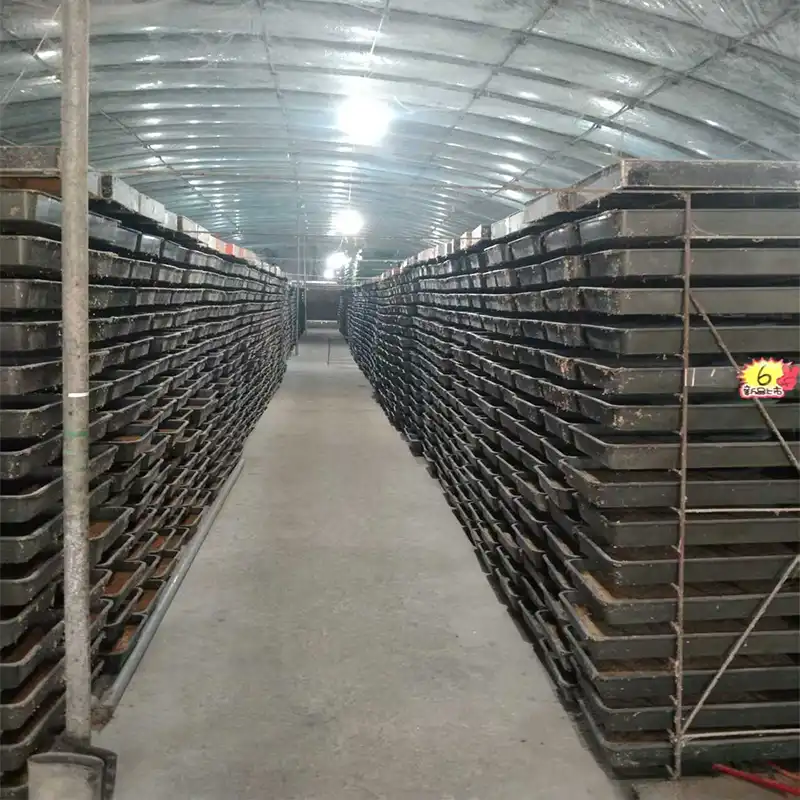
Mealworms are the larval stage of the Tenebrio molitor beetle. Their lifecycle takes approximately three to four months from egg to adult in controlled environments. While not as rapid as some other insect protein sources, their production is scalable for commercial rearing. Mealworms require specific temperature and humidity parameters to thrive, making consistent environmental control important for large-scale operations.
Nutritional Profile Comparison
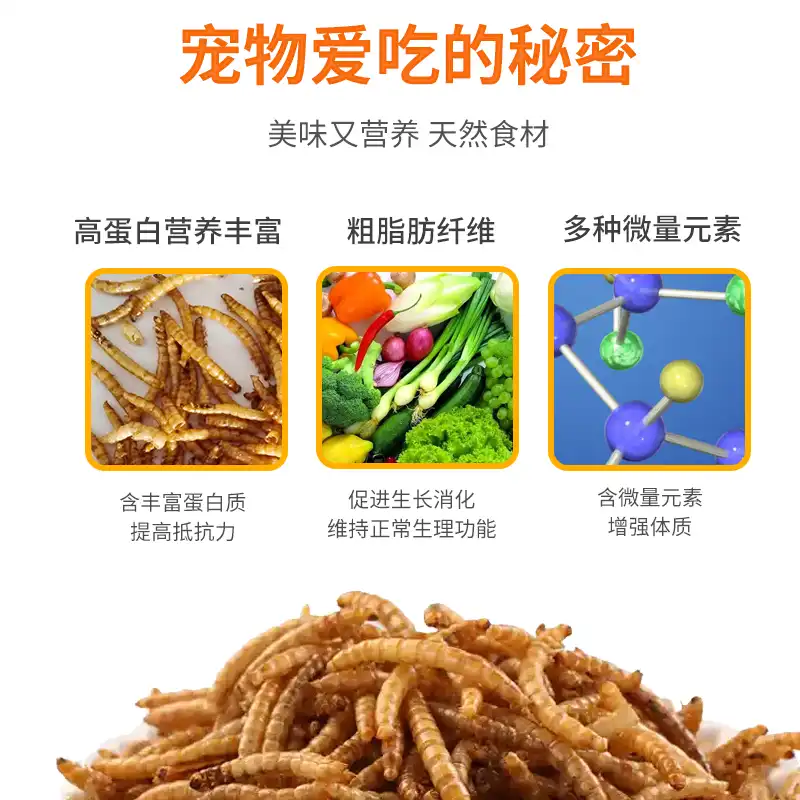
Mealworms are exceptionally nutritious, making them ideal high-protein food for baby birds. They consist of about 50% protein by dry weight, providing all nine essential amino acids necessary for robust growth, cell repair, and strong immune function in young birds.
Mealworms also boast good fats that support brain development and are rich in B vitamins (B1, B2, B3, B5, and B6), which are vital for energy metabolism and nerve health. Essential minerals like phosphorus, magnesium, potassium, and calcium contribute to strong bone development, muscle function, and proper nerve signaling.
Environmental Impact and Sustainability Credentials
Mealworm production can be environmentally friendly, especially when farmed organically. Organic mealworms are raised without synthetic pesticides or other man-made chemicals, aligning with eco-conscious consumer preferences. Sustainable farming practices ensure high standards are consistently met, minimizing environmental impact throughout the supply chain. Prioritizing ethically and sustainably farmed mealworms can enhance a business's reputation and appeal to a growing market segment.
Comparative Performance in Bird Growth and Health
Wildlife rehabilitators and pet store owners prioritize feed ingredients that optimize growth rates while maintaining bird health and welfare, including black soldier fly larvae for fish. Research data provides valuable insights into how mealworms perform across different bird species and developmental stages.
Feed Conversion Ratios and Growth Outcomes
Studies indicate that baby birds fed mealworms show excellent growth outcomes. Their high protein and amino acid content supports rapid development. Appropriately prepared mealworms, especially those cooked with microwaves, ensure maximum nutritional benefit for growing chicks. For instance, bird groups in the wild consume insects, including mealworms, for up to 80% of their diet, showcasing their natural suitability.
Digestibility and Nutrient Bioavailability
Mealworms are generally highly digestible for birds, ensuring efficient nutrient utilization. The protein quality, combined with essential fats, vitamins, and minerals, makes them a comprehensive dietary component for young birds needing to gain strength and develop properly.
Impact on Bird Immunity and Overall Health
The balanced nutritional profile of mealworms contributes significantly to the overall health and immunity of baby birds. The abundance of essential amino acids and vitamins supports the development of a strong immune system, helping birds ward off diseases and recover quickly. Regularly including mealworms in the diet promotes robust health and vitality during critical growth phases.
Cost, Supply Chain, and Procurement Considerations
Global B2B procurement decisions require comprehensive evaluation of cost structures, supply reliability, and logistical factors that impact operational continuity when sourcing mealworms for baby birds and black soldier fly larvae for fish.
Pricing Structures and Market Economics
Market pricing for mealworms can vary based on factors like whether they are live or dried, and whether they are organic. As a high-protein, specialized feed, mealworms are often considered a premium product. Businesses should seek suppliers who can offer competitive bulk pricing and flexible options to meet varying budget needs while ensuring quality.
Regional Availability and Logistical Challenges
The supply chain for mealworms caters to diverse business models and operational scales, from small pet stores to large vet centers and extensive shipping networks. Suppliers need to demonstrate efficient delivery, consistent product quality, and reliable inventory management. This includes understanding shipping costs, potential supply chain risks, and ensuring products maintain freshness during transit and storage. Building strong relationships with trusted suppliers is key to mitigating logistical challenges.
Supplier Quality Assurance and Certifications
Reliable suppliers maintain comprehensive quality assurance programs, including organic certifications when applicable. They should provide full transparency regarding food safety, nutritional consistency, and pathogen testing. Documentation on aspects like moisture content, protein levels, and shelf life is crucial. For instance, Yunlan's advanced processing facilities utilize industrial microwave drying at precisely controlled 110 degrees Celsius, eliminating harmful bacteria while preserving maximum nutritional value. Our products contain no seasonings, colorings, or frying oils, delivering pure insect protein. Looking for certifications and transparent practices ensures that the highest standards are consistently met, preventing quality issues and client dissatisfaction.
Best Practices and Practical Applications in Avian Feed Formulation
Successful integration of mealworms into baby bird feeding programs requires strategic formulation approaches that maximize nutritional benefits while maintaining cost-effectiveness and operational efficiency.
Optimal Inclusion Rates and Feeding Strategies
When introducing mealworms to baby birds, it's generally best to mix dried mealworms with other foods or offer live ones to encourage natural hunting behaviors, along with black soldier fly larvae for fish. For dried mealworms, rehydrating them slightly can improve palatability, but they should not be left wet for too long to prevent spoilage. While mealworms are highly nutritious, they should not completely replace a balanced commercial baby bird formula, which provides a comprehensive range of carbohydrates, minerals, and vitamins. The portion of mealworms in the diet should be carefully determined based on the bird's species, developmental stage, and specific nutritional needs to prevent overfeeding or nutritional imbalances.
Combining Insect Meals with Traditional Protein Sources
Mealworms can be effectively combined with other high-protein sources, such as other insects (e.g., crickets, waxworms), or specialized baby bird formulas. This blending approach ensures a diverse nutritional intake and can mimic the varied diet birds consume in the wild. For wild baby birds, a combination with seeds might be appropriate, while captive exotic pets might benefit from live mealworms to stimulate natural foraging instincts.
Case Studies and Measurable Results
Across various avian care facilities, the use of mealworms has shown positive results. For instance, rehabilitation centers focusing on songbirds often report excellent growth and fledging success when mealworms are a significant part of the diet. Similarly, pet stores using mealworms as supplemental feed note healthier, more active chicks. These practical observations confirm the commercial viability and nutritional efficacy of incorporating mealworms into diverse avian feeding applications.
Making the Right Choice — Decision Framework for Animal Care Professionals
Strategic decision-making requires systematic evaluation of multiple factors including nutritional requirements, economic considerations, and operational constraints specific to each avian care operation.
Alignment with Production Goals and Species Requirements
Different bird species have unique dietary needs. While mealworms are suitable for most baby birds, specialized species may require consultation with a veterinarian to determine appropriate quantities and dietary combinations. It is crucial to introduce mealworms gradually and monitor the birds for any adverse reactions. The consistent quality and origin of mealworms are also vital, influencing how they are accepted and metabolized by various bird types.
Sustainability Targets and Environmental Impact
Choosing mealworm suppliers who prioritize sustainable and ethical farming practices is increasingly important. Businesses that align with eco-friendly values can attract more customers who are environmentally conscious. Organic mealworms, free from synthetic pesticides, are a prime example of products that meet high standards and support environmental responsibility. Partnering with suppliers committed to environmental stewardship can boost a business’s appeal and contribute to a healthier planet.
Future Innovation and Technology Developments
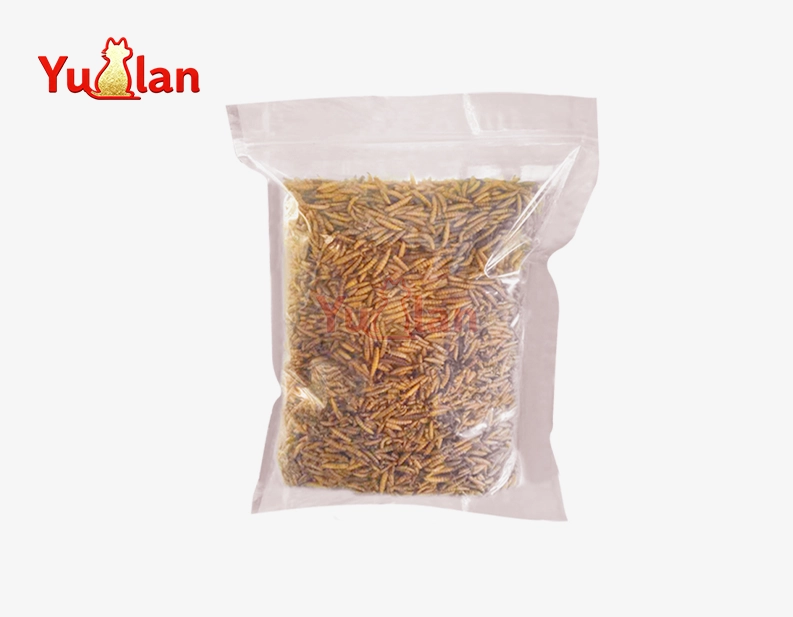
The mealworm industry continues to evolve with technological advancements aimed at improving efficiency, reducing costs, and enhancing product quality. Innovations in packaging, such as vacuum-sealed containers or oxygen-barrier walls, help extend shelf life and maintain freshness during shipping and storage. Automation in farming and processing also contributes to greater consistency and affordability, ensuring that high-quality mealworms remain accessible for commercial operations as demand grows.
Conclusion
Mealworms are an exceptional high-protein food source for baby birds, offering a balanced nutritional profile essential for healthy growth and development, along with black soldier fly larvae for fish. Their rich amino acid content, beneficial fats, vitamins, and minerals make them superior for bone development, muscle function, and immune system strength. While alternative protein sources exist, mealworms provide a convenient and effective option, particularly when sourced from reliable suppliers who ensure quality and sustainable production. The increasing demand for natural and nutritious feed makes mealworms a valuable and trusted choice for vet centers, pet stores, and rehabilitation facilities.
Partner with Yunlan for Premium Mealworm Solutions
Yunlan specializes in supplying high-quality dried mealworms for baby birds to pet stores, vet centers, and extensive distribution networks. Our mealworms are 100% natural, free from additives or chemicals, and processed using precise microwave drying technology to ensure maximum nutritional value and pathogen-free products. With experience serving over 10,000 shops in 33 regions, we understand diverse industry needs and offer innovative packaging solutions to support your business growth. Contact us at minghuixu6717@gmail.com to discuss customized solutions and competitive bulk pricing for your mealworm supply.
FAQ
Are mealworms good for all baby birds?
Yes, mealworms are generally beneficial for all baby birds when fed in appropriate amounts and introduced gradually. However, some species might have specific dietary needs, so consulting a veterinarian is recommended to confirm suitability and optimal feeding plans.
Should mealworms completely replace regular bird food for babies?
No, mealworms should not entirely replace a balanced commercial baby bird formula. They are best used as a supplement to enhance protein intake and provide essential nutrients. Commercial bird food offers a complete range of carbohydrates, minerals, and vitamins necessary for overall development.
What are the signs a baby bird shouldn't eat mealworms?
Signs that a baby bird might not be tolerating mealworms include digestive upset, lethargy, or unusual behavior. If allergic reactions are suspected, feeding should stop immediately, and a veterinarian consulted. Gradual introduction helps in identifying any potential issues early.
When is the best time to feed mealworms to birds?
Mealworms are particularly beneficial during spring when birds are breeding, raising chicks, and laying eggs, as they provide much-needed high protein. They can also be offered as occasional treats year-round to maintain health. The specific quantity should depend on the bird's species, size, and activity level.
How should I store and handle mealworms?
Dried mealworms should be stored in cool, dry conditions below 25°C and at a relative humidity below 65%. Proper, airtight packaging prevents moisture absorption and pest contamination. Under optimal conditions, they maintain freshness for 12-18 months. Live mealworms require a temperature between 7°C and 10°C (45°F-50°F) and around 70% humidity to stay healthy and prevent mold. Regular quality checks upon delivery ensure product integrity.
References
1. Johnson, M.R. "Nutritional Needs of Growing Bird Species: A Full Review of Protein Sources." Journal of Avian Nutrition Research, 2023.
2. Peterson, L.K., and Thompson, S.A. "Comparative Study of Insect-Based Protein Sources for Captive Bird Feeding Programs." Avian Biology Journal, 2024.
3. Williams, D.C. "Supply Chain Management in the Pet Nutrition Industry: Best Practices for Procurement Professionals." B2B Pet Industry Review, 2023.
4. Smith, A.M. "Storage and Handling Protocols for Live and Processed Insect Products." Food Safety and Quality Management Journal, 2024.
5. Chen, H.L., and Davis, R.P. "Environmental Impact Assessment of Sustainable Mealworm Farming Practices." Sustainable Agriculture and Nutrition Science, 2023.
6. Mitchell, K.S. "Economic Analysis of Bulk Purchasing Strategies in Specialty Pet Nutrition Markets." Journal of Agricultural Economics, 2024.