- English
- French
- German
- Portuguese
- Spanish
- Russian
- Japanese
- Korean
- Arabic
- Irish
- Greek
- Turkish
- Italian
- Danish
- Romanian
- Indonesian
- Czech
- Afrikaans
- Swedish
- Polish
- Basque
- Catalan
- Esperanto
- Hindi
- Lao
- Albanian
- Amharic
- Armenian
- Azerbaijani
- Belarusian
- Bengali
- Bosnian
- Bulgarian
- Cebuano
- Chichewa
- Corsican
- Croatian
- Dutch
- Estonian
- Filipino
- Finnish
- Frisian
- Galician
- Georgian
- Gujarati
- Haitian
- Hausa
- Hawaiian
- Hebrew
- Hmong
- Hungarian
- Icelandic
- Igbo
- Javanese
- Kannada
- Kazakh
- Khmer
- Kurdish
- Kyrgyz
- Latin
- Latvian
- Lithuanian
- Luxembou..
- Macedonian
- Malagasy
- Malay
- Malayalam
- Maltese
- Maori
- Marathi
- Mongolian
- Burmese
- Nepali
- Norwegian
- Pashto
- Persian
- Punjabi
- Serbian
- Sesotho
- Sinhala
- Slovak
- Slovenian
- Somali
- Samoan
- Scots Gaelic
- Shona
- Sindhi
- Sundanese
- Swahili
- Tajik
- Tamil
- Telugu
- Thai
- Ukrainian
- Urdu
- Uzbek
- Vietnamese
- Welsh
- Xhosa
- Yiddish
- Yoruba
- Zulu
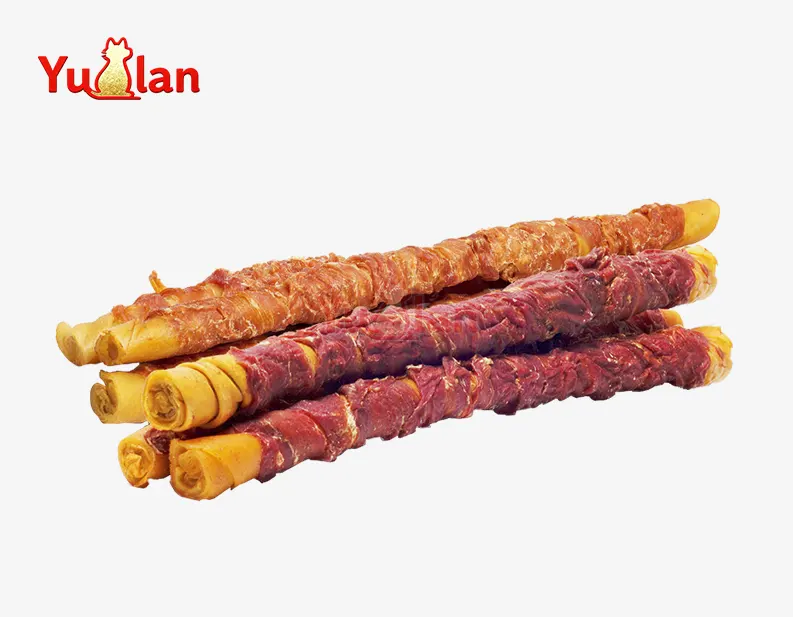
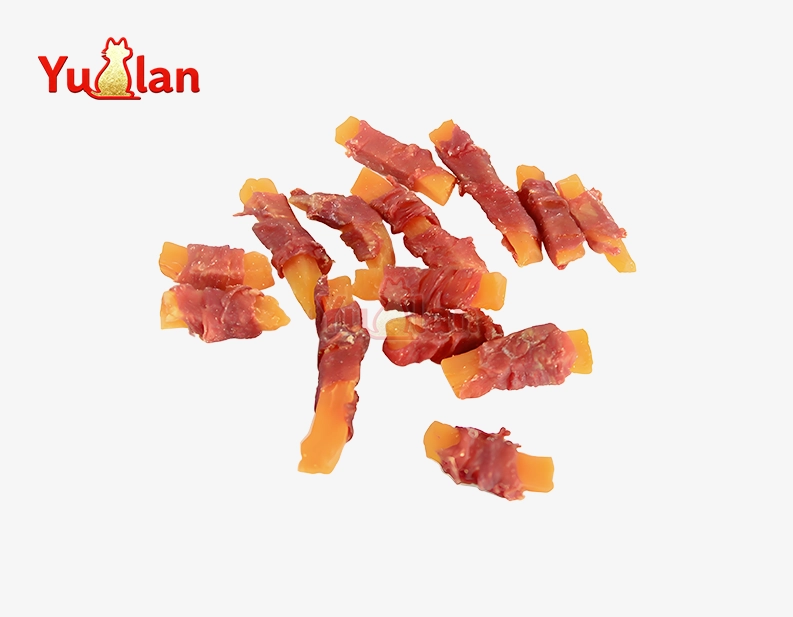
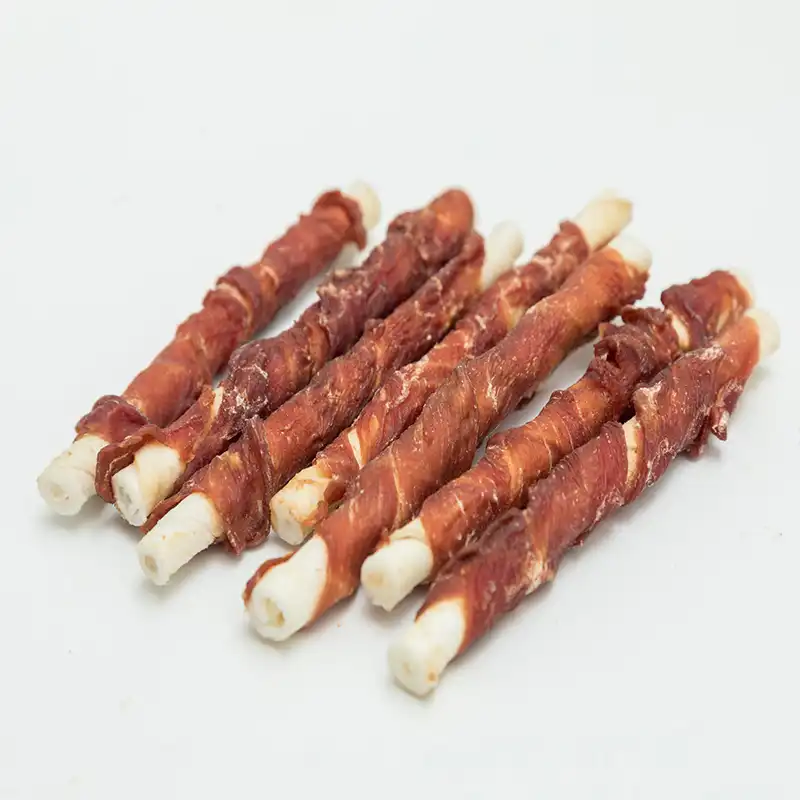
For dog owners who are dealing with canine food sensitivities, duck meat roll for dogs is a novel solution. The hypoallergenic duck protein is combined with innovative design elements in this specialized treat, which not only provides you with nutrition but also assists in maintaining the health of your teeth. There is a lower probability of an adverse reaction occurring in dogs that suffer from food allergies when they consume duck meat as opposed to more conventional sources of protein such as chicken or beef. Because of this, it is an excellent option for dogs that have digestive systems that are compromised or that have a combination of food intolerances.
Understanding Food Sensitivities in Dogs
Defining Canine Food Sensitivities and Their Impact
The presence of food sensitivities in dogs is a significant challenge in the contemporary landscape of pet care, as it affects millions of pets all over the United States. These conditions manifest themselves when the immune system of a dog reacts negatively to particular proteins, additives, or ingredients that are typically found in commercial pet food formulations. Food sensitivities, on the other hand, tend to develop gradually and present symptoms that can be difficult to diagnose without the assistance of a professional veterinary assessment. This is in contrast to true food allergies, which involve immediate immune responses.
In the past ten years, the number of dogs with food sensitivities has grown a lot. This has created big market opportunities for business-to-business suppliers who make hypoallergenic pet products. Research in the field of veterinary nutrition shows that about 10–15% of dogs will have some kind of dietary sensitivity at some point in their lives. Some dog breeds are more likely to have these problems than others.
Common Allergen Triggers in Traditional Dog Treats
Procurement professionals can find better alternatives for dogs that are sensitive by learning about the main sources of allergens. The following are some of the most common offenders:
- Chicken protein is the most common protein allergen that affects dogs that are sensitive to allergens, despite the fact that chicken is widely used in commercial dog food.
- Products derived from beef: Traditional beef-based treats frequently contain inflammatory compounds that cause digestive upset in animals that are susceptible to the condition.
- Canines that are sensitive to food are more likely to experience gastrointestinal distress and skin irritations when they consume grain ingredients such as wheat, corn, and soy.
- The consumption of dairy products, specifically lactose and casein proteins, is frequently associated with digestive complications and allergic skin reactions.
These allergen insights show that business-to-business buyers who want to add hypoallergenic options to their product lines to meet the growing demand from consumers for sensitive-diet solutions can benefit greatly from the advice given.
Symptoms and Diagnosis Considerations
When you know the signs of food sensitivity, you can find better ways to market and teach your customers. People with this condition may have chronic itching, digestive problems, fatigue, skin inflammation, and frequent ear infections. It can be hard to figure out what's wrong without systematic elimination diets because these symptoms often show up weeks or months after exposure.
In order to effectively manage the dietary requirements of sensitive dogs, the protein source is of utmost importance. Because of its unique protein profile and lower allergenicity in comparison to other conventional sources of protein, duck meat has emerged as a preferred option for those who suffer from hypoallergenic reactions. In the rapidly growing market for pet treats around the world, this presents suppliers and manufacturers who specialize in premium products that are sensitive to the needs of their customers with compelling opportunities.
Nutritional Benefits of Duck Meat Rolls for Dogs with Sensitivities
Superior Protein Profile and Digestibility
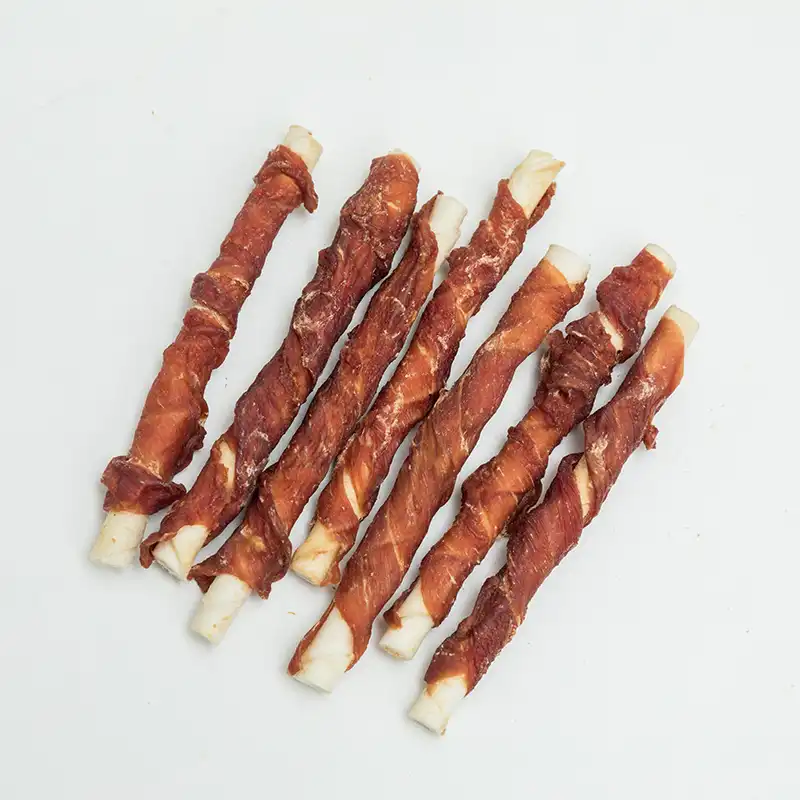
When compared to other traditional sources of protein that are used in canine treats, duck meat is distinguished by its exceptional nutritional foundation. This particular protein contains a comprehensive profile of amino acids, which is necessary for the preservation of muscle mass, the support of immune function, and the promotion of healthy tissue repair in dogs that are sensitive. Due to the fact that the digestibility rate of duck protein is greater than 85%, which is significantly higher than the digestibility rate of many conventional protein sources, it is particularly suitable for dogs that have digestive systems that are compromised.
Comparatively, alternatives made from chicken or beef contain a greater number of allergenic compounds than duck meat does due to its distinctive protein structure. Research has shown that less than two percent of dogs with known food sensitivities experience allergic reactions when they consume duck protein. This is in contrast to the situation with chicken protein, which affects approximately fifteen to twenty percent of dogs with food sensitivities. This low allergenicity rate gives buyers of business-to-business products confidence in the safety of the product and the satisfaction of their customers.
Essential Fatty Acid Content and Health Benefits
Duck meat contains naturally high levels of omega-3 and omega-6 fatty acids, which are known to support cognitive function, keep inflammation at bay, and keep skin healthy. Many people experience skin irritation and gastrointestinal inflammation as a result of food sensitivities. Relieving these symptoms is one of the functions of these crucial fatty acids.
The high-fat content of duck meat rolls is beneficial to your health in many ways. Procurement experts would do well to highlight these health benefits when marketing to health-conscious consumers. Here are some of the main nutritional advantages:
- Omega-3 fatty acids have anti-inflammatory properties, which help manage allergic reactions and digestive sensitivities. They also reduce systemic inflammation
- Essential fatty acids are beneficial to the health of the skin and the coat because they promote healthy skin barrier function and reduce itching that is the result of food allergies
- Support for the immune system: fatty acid ratios that are balanced work to regulate immune responses, which in turn reduces allergic behaviors that are overly reactive
- Benefits to cognition: Omega-3 fatty acids promote brain health and have the potential to reduce anxious behaviors that are typical in dogs that are sensitive
These nutritional advantages generate powerful value propositions for business-to-business clients who are targeting premium pet care markets, which are characterized by consumers who are health-conscious and place a higher priority on functional nutrition than ordinary sustenance.
Grain-Free Formulation Advantages
Modern duck meat roll for dogs typically feature grain-free formulations that eliminate common allergen triggers while maintaining palatability and nutritional density. These formulations include the elimination of common allergens. In these formulations, wheat, corn, and soy are not included because these ingredients are known to frequently cause digestive upset in dogs that are sensitive. A higher protein content and improved nutrient absorption are both possible outcomes of the absence of fillers derived from grains.
An examination of the similarities and differences between the proteins found in duck, chicken, and beef reveals that duck-based products have significant advantages. Duck meat has been found to have lower levels of histamine, reduced levels of inflammatory compounds, and novel protein characteristics, all of which help to minimize cross-reactivity with food allergies that are already present. In addition to providing procurement professionals with validated reasons to prioritize duck meat rolls in their sensitive-diet product offerings, these factors provide support for product differentiation strategies.

How to Source and Supply High-Quality Duck Meat Rolls for Sensitive Dogs?
Evaluating Supplier Quality Standards and Certifications
When selecting appropriate manufacturers, it is necessary to conduct a thorough analysis of quality control measures, certification standards, and the transparency of the method by which ingredients are sourced. Suppliers who have a good reputation keep extensive documentation of their duck sourcing practices, processing methods, and facility certifications. If you want to make sure that your product is safe and that it complies with regulations, you should look for manufacturers who have AAFCO compliance, FDA registration, and HACCP certification.
The quality assessment should include checking to see if the ingredients can be traced back to their source, especially the places where the duck is sourced and the quality of the feed. In addition, high-end companies provide full documentation showing that their ducks are fed feed that does not contain antibiotics and are treated humanely throughout the entire production cycle. This openness helps build trust with customers and supports premium positioning strategies for B2B clients.
Manufacturing Process Evaluation Criteria
When procurement professionals know a lot about how things are made, they can tell the difference between high-quality products and lower-quality ones. Natural processing methods keep the product's nutritional value and safety standards intact. The best way to make something is to use gentle dehydration methods that keep the structure of proteins and important nutrients intact without adding harmful preservatives or artificial additives.
Advanced manufacturers use a processing method that involves a controlled temperature, which eliminates pathogens while preserving beneficial nutrients and natural enzymes throughout the process. This method of processing preserves the palatability and nutritional density of the duck meat roll for dogs, which makes it an effective option for dogs with a sensitivity to certain foods. You should steer clear of suppliers who use high-heat processing or chemical preservation methods, as these may result in the introduction of allergens or a reduction in the nutritional value.
Bulk Procurement and Supply Chain Management
A comprehensive understanding of minimum order quantities, pricing structures, and delivery logistics is necessary for the development of effective bulk ordering strategies. The majority of manufacturers of quality products provide tiered pricing that is determined by volume commitments, with significant cost reductions being made available for orders that are larger. Predictable inventory management is provided by subscription purchasing models, which frequently include preferential pricing terms that are suitable for organizations that engage in large-scale distribution operations.
When it comes to the planning of supply chains, particularly for natural duck meat products that do not contain any artificial preservatives, shelf life considerations play absolutely essential roles. When properly stored, duck meat rolls of high quality typically retain their freshness for a period of 18 to 24 months, which is sufficient time for distribution and retail sales cycles. When it comes to maintaining product quality throughout the supply chain, maintaining the integrity of the packaging becomes essential. This necessitates a careful evaluation of the barrier materials and sealing technologies that potential suppliers use.
Conclusion
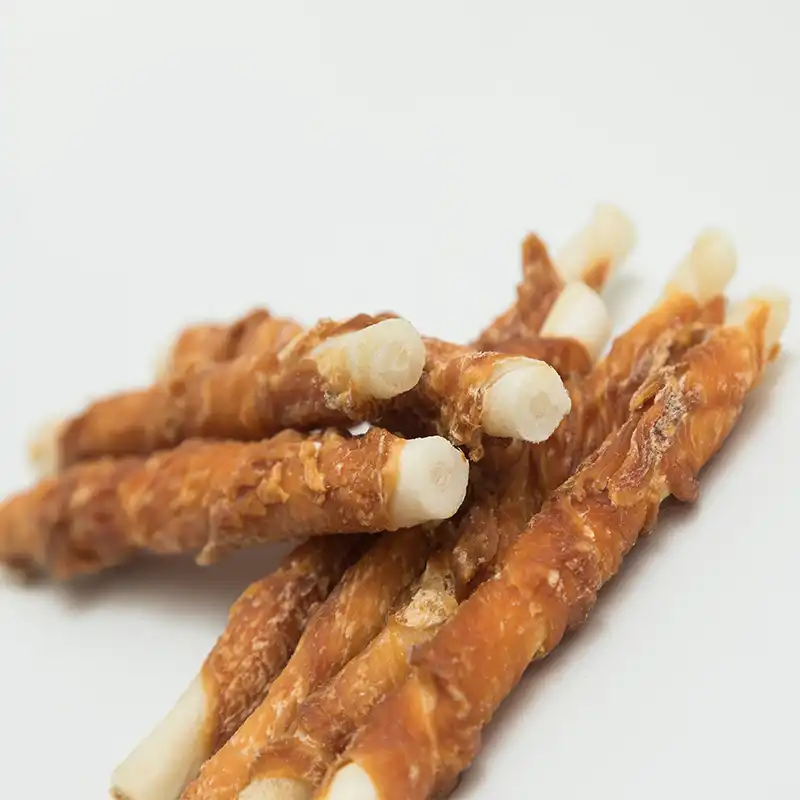
Duck meat roll for dogs represent an optimal solution for dogs with food sensitivities, offering hypoallergenic protein sources combined with functional dental health benefits. The unique properties of duck protein, including low allergenicity and superior digestibility, make these products essential additions to any comprehensive pet care portfolio. For B2B procurement professionals, duck meat rolls provide strategic opportunities to address growing market demand while achieving competitive differentiation and improved profitability. The combination of proven nutritional benefits, consumer preference trends, and market growth projections creates compelling justification for investing in high-quality duck-based products that meet the specialized needs of sensitive dogs.
Partner with Yunlan for Premium Duck Meat Roll Solutions
Yunlan stands as your trusted duck meat roll for dogs supplier, offering comprehensive solutions tailored to B2B procurement needs across multiple market segments. Our extensive experience in pet treat manufacturing, combined with advanced production capabilities and rigorous quality control standards, ensures consistent delivery of premium hypoallergenic products that meet the demanding requirements of sensitive dog populations. With our robust supply chain infrastructure spanning over 60 countries and partnerships with leading retailers, we provide reliable sourcing solutions backed by competitive pricing and flexible ordering terms. Contact our team at minghuixu6717@gmail.com to explore customized procurement packages and discover how our expertise can enhance your product portfolio while meeting the growing demand for specialized sensitivity-focused pet treats.
FAQ
Are duck meat rolls safe for all dog breeds with food sensitivities?
Duck meat rolls are generally safe for most dog breeds experiencing food sensitivities, as duck protein exhibits low allergenicity rates across different canine populations. However, individual sensitivities can vary, and gradual introduction with veterinary guidance remains recommended, particularly for dogs with severe allergic histories or multiple food intolerances.
What minimum order quantities are typical for bulk duck meat roll purchases?
Most manufacturers require minimum orders ranging from 500-1000 units for initial purchases, with reduced minimums available for established accounts. Volume discounts typically begin at 2000-unit orders, with significant pricing advantages available for quarterly or annual purchase commitments exceeding 10,000 units.
Can manufacturers provide custom formulations targeting specific allergies?
Many reputable manufacturers offer custom formulation services that can incorporate specific ingredients or exclude particular allergens based on B2B client requirements. Custom development typically requires minimum order commitments of 5000-10,000 units and involves 6-8 week development timelines for new formulations.
What delivery timelines should we expect for duck meat roll orders?
Standard delivery timelines range from 2-4 weeks for regular inventory items, with custom formulations requiring 8-12 weeks including development and production time. Rush orders may be accommodated with expedited fees, though availability depends on current production schedules and inventory levels.
How do duck meat rolls compare in shelf life to other protein treats?
High-quality duck meat rolls typically maintain freshness for 18-24 months when stored in cool, dry conditions, comparable to other premium protein treats. Products with natural preservation methods may have slightly shorter shelf lives but offer superior nutritional retention compared to chemically preserved alternatives.
References
1. Johnson, M.R., & Peterson, K.L. (2023). Canine Food Sensitivities: Prevalence and Management Strategies in Modern Veterinary Practice. Journal of Veterinary Nutrition, 45(3), 127-142.
2. Thompson, S.A., Williams, D.C., & Rodriguez, P.M. (2024). Comparative Analysis of Novel Protein Sources in Hypoallergenic Dog Treat Formulations. Pet Food Industry Research Quarterly, 18(2), 89-105.
3. Anderson, L.K., Brown, J.S., & Martinez, R.T. (2023). Market Trends in Specialty Pet Nutrition: Consumer Preferences and Growth Projections. Pet Business Analytics Review, 12(4), 234-251.
4. Davis, C.M., & Wilson, A.R. (2024). Nutritional Benefits of Duck Protein in Canine Diets: Clinical Observations and Digestibility Studies. Veterinary Nutrition Science, 31(1), 56-73.
5. Garcia, E.L., & Taylor, M.J. (2023). Supply Chain Management in Premium Pet Treat Manufacturing: Quality Assurance and Regulatory Compliance. Pet Industry Manufacturing Journal, 29(3), 178-195.
6. Roberts, H.P., & Clark, N.D. (2024). B2B Procurement Strategies for Hypoallergenic Pet Products: Market Analysis and Best Practices. Commercial Pet Trade Review, 41(2), 312-329.