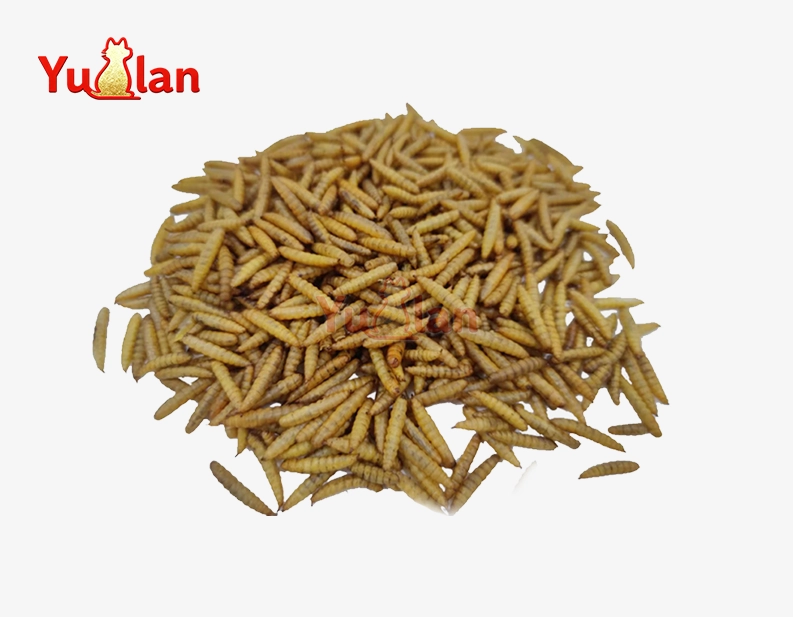
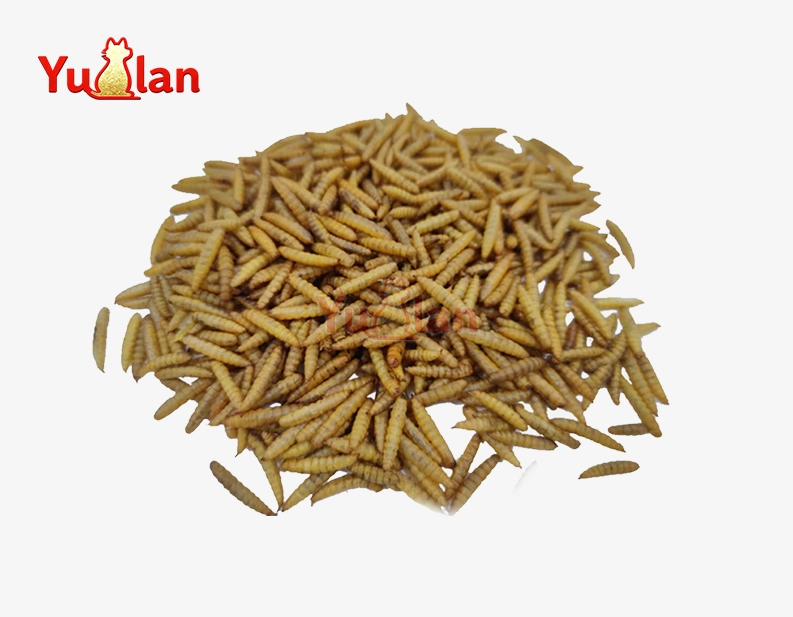
More and more companies who make parrot treats are including mealworms as a useful component, since they are highly helpful for parrots' health and nutrition. Mealworms are a rich source of minerals, amino acids, and protein that are good for your parrot's health. Mealworm parrot treats are distinct from other treat ingredients since they provide your body all the nutrients it needs and make the meal taste better and simpler to digest. Pet food companies may develop high-quality products that meet specific health needs and meet the growing demand from consumers for natural, functional ingredients in bird food by choosing the right ingredients.

Understanding the Functional Role of Mealworms in Parrot Treats
Parrots' diets have changed a lot when mealworms became a new functional food. They are more nutritious than previous treats. Birds require these insects because they are rich of protein and all the amino acids they need to stay healthy. This makes them quite helpful for those that create treats and wish to make their goods more valuable and effective.
Nutritional Profile of Mealworms Relevant to Parrots
Mealworms deliver remarkable nutritional benefits specifically suited to parrot dietary requirements. Here are the core nutritional advantages that make mealworms exceptional for avian health:
- High-Quality Protein Content: If you dry them out, mealworms have around 50–60% protein. They also provide vital amino acids like lysine, methionine, and threonine that help parrots grow muscle and keep their metabolism working.
- Essential Mineral Composition: Parrots can eat mealworms because they have a lot of phosphorus, potassium, iron, and salt. They also aid with a lot of key body processes that are excellent for parrots.
- Vitamin Profile: Birds get B-complex vitamins from these bugs, such as B12 and riboflavin. These vitamins make their brains and energy metabolism operate better.
These nutritional advantages make mealworms superior to traditional treat ingredients like sunflower seeds or processed grains, which often lack complete amino acid profiles and essential micronutrients.
Health Benefits of Mealworms for Parrots
Adding mealworms to a parrot's diet makes a major impact in their health, and it's not simply because they receive the appropriate nutrients. Research shows that proteins from insects improve the health and immune system of pet birds.
Mealworms are helpful for the health and development of feathers since they are high in protein and essential fatty acids. The rough fiber in mealworms assists with digestion, which is beneficial for gut health and getting nutrients. The vitamins in mealworms also help parrots become more fit and have more energy, which is ideal for parrots that are active.

Addressing Safety Concerns: Are Mealworms Safe for Parrots?
Safety should always come first when you add mealworms to parrot treats. Dried mealworms, particularly those that were dried in a microwave at high temperatures, preserve their nutritional content while killing harmful microorganisms.
A lot of work goes into making sure that live bugs are safe and will survive on the shelf. The microwave-drying process kills bacteria without adding anything or using chemical preservatives, so the food stays healthy. Mealworms should make up 10–15% of all treats consumed to gain the best health benefits and not eat too many, according to feeding guidelines.
Comparing Mealworms with Other Insect-Based Ingredients in Parrot Treats
B2B purchasers may be able to make better decisions about what to buy if they know the advantages and downsides of different insect proteins. Mealworms consistently outperform alternative insect additions in numerous critical aspects that influence product quality and consumer acceptance.
Fresh vs. Dried Mealworms: Which Is Better for Parrots?
The choice between fresh and dried mealworms significantly impacts both nutritional value and operational considerations for treat manufacturers. Here are the key factors influencing this decision:
- Shelf Life and Storage: Dried mealworms may survive up to 18 months if stored properly, but fresh mealworms need to be processed straight once and can't be stored for long.
- Nutritional Retention: When you dry mealworms in a microwave at a high temperature, you maintain vital nutrients and make the protein content greater. This makes them stable and rich in nutrients.
- Processing Convenience: You don't have to worry about moisture when you add dried mealworms to treat recipes. This makes it simpler to create and makes each batch more uniform.
These advantages make dried mealworms the preferred choice for commercial treat production, offering superior handling characteristics and consistent quality parameters.
Mealworms vs. Crickets and Other Insects for Parrot Protein
A study that looked at many choices showed that mealworm parrot treats are superior to crickets and other insects in a number of ways. Mealworms provide higher protein and better amino acid profiles than other meals that parrots eat. They taste better than crickets all the time, which is why various kinds of parrots like them more.
Mealworms are simple to get on the market because they have solid supply chains and production procedures that make it easy to obtain them all the time. Cricket farming is still not particularly advanced, which might cause difficulties with the supply and prices that make it impossible to plan for long-term purchases.
Organic Mealworms vs. Conventional Options: What B2B Buyers Should Know?
Getting organic mealworm certification brings up high-end marketing opportunities and makes sure that quality standards are followed. Many consumers worry about the environment, therefore organic farming methods get rid of synthetic elements and make sure that farming is done in a manner that is healthy for the environment.
There is normally a 15% to 25% price difference between organic and ordinary mealworms, but the chance to sell them as luxury products often makes the higher ingredient costs worth it. Organic companies are more likely to be good providers since they have tight criteria for certification and quality control.

Procurement Insights: Sourcing High-Quality Mealworms for Parrot Treat Production
To purchase mealworms effectively, you need to know a lot about the suppliers' expertise, quality standards, and how they handle logistics. B2B buyers need to check a number of different things to make sure they can always receive the right materials that meet their quality and production criteria.
Where and How to Buy Mealworms for Parrots Online?
To locate reliable mealworm suppliers, you should check their production capacity, quality certifications, and delivery alternatives. Most well-known manufacturers have minimum order sizes of 50 to 500 kg, and they typically provide discounts for greater purchases.
HACCP, ISO standards, and organic certificates are all examples of quality control certifications that prove a supplier is serious about performing a good job. How efficiently production planning and inventory management operate depends directly on how fast deliveries are and how well they can assist with logistics.
Cost-Effective Strategies for Procuring Mealworms in Bulk
Effective cost management requires understanding market pricing dynamics and seasonal availability patterns. Here are proven strategies for optimizing procurement costs:
- Contract Negotiation: Long-term supply agreements frequently cut the cost of each unit by 10% to 20% while making sure that the supply is steady and the pricing remain the same.
- Seasonal Planning: The best time to make mealworms is in the summer, therefore costs could be cheaper when there is a lot of output.
- Volume Optimization: If you buy a number of things at once, the savings on each one may often be enough to cover the cost of keeping them.
These strategies help manufacturers maintain competitive ingredient costs while ensuring consistent product quality and availability.
Choosing the Best Mealworm Brands and Suppliers: Criteria for B2B Clients
When picking a mealworms parrot treats supplier, the most essential things to look for are their brand reputation, the quality of their products, and their commitment to doing business in a way that is good for the environment. The best suppliers can illustrate how their supply chains are connected and provide comprehensive proof of their quality claims.
Premium suppliers are distinct from commodity providers since they provide help after the sale, such as technical guidance, the option to personalize items, and fast customer support. These extra services often make it worth paying a bit more since they aid with product development and make things run more smoothly.
Incorporating Mealworms in Parrot Treat Formulations: Trends and Innovations
More and more, contemporary treat producers are using mealworms to develop customized treats that meet different health demands and customer preferences. There are several ways to come up with new ideas, from simple integrations to complex functional formulations that are supposed to help you reach particular health objectives.
Functional Ingredient Integration: Enhancing Nutritional and Palatability Profiles
Advanced formulation procedures let you add more mealworms without changing the flavor or texture. Mealworms parrot treats that have been freeze-dried hold their texture better and rehydrate better. Mealworms that have been crushed up mix nicely with pressed treat forms.
When you mix mealworms with conventional pellets, you get hybrid products that feel like regular pellets but are healthier for you. There are many different methods to employ mealworm-stuffed toys and training rewards that are creative.
Case Studies: Successful Parrot Treat Brands Using Mealworms
According to market study, firms that utilize mealworms maintain 15–30% more consumers than those who use ordinary rewards. People are more likely to trust corporations when they speak about the health benefits and quality standards of insect-based food.
Adding mealworms to a product makes it stand out in a congested market, providing it an advantage over rival products. This often lets you charge more, which raises profit margins while still providing clients a better deal.
Future Trends: Evolving Parrot Treats with Insect Protein Focus
Industry experts say that the need for eco-friendly, high-protein snacks will keep rising. New technologies in insect farming cut prices and make quality more consistent, which makes it simpler to employ mealworms in daily life.
New rules that let insect protein be used in pet food create new markets and make it simpler for consumers to accept these novel ingredients.
Our Expertise in Functional Parrot Treat Ingredients
Company Overview and Core Competencies
Yunlan has been in charge of the pet supply chain for more than 20 years. Our main office is in Jiangsu Province, in the Suyu District of Suqian City. It is in a place with a well-developed industrial environment that makes it easier to create and send out items.
To keep our goods and services better, we are always coming up with new ideas and ways to do things. This is because we care about quality, sustainability, and making our customers happy.
Product Portfolio for Parrot Treat Manufacturers
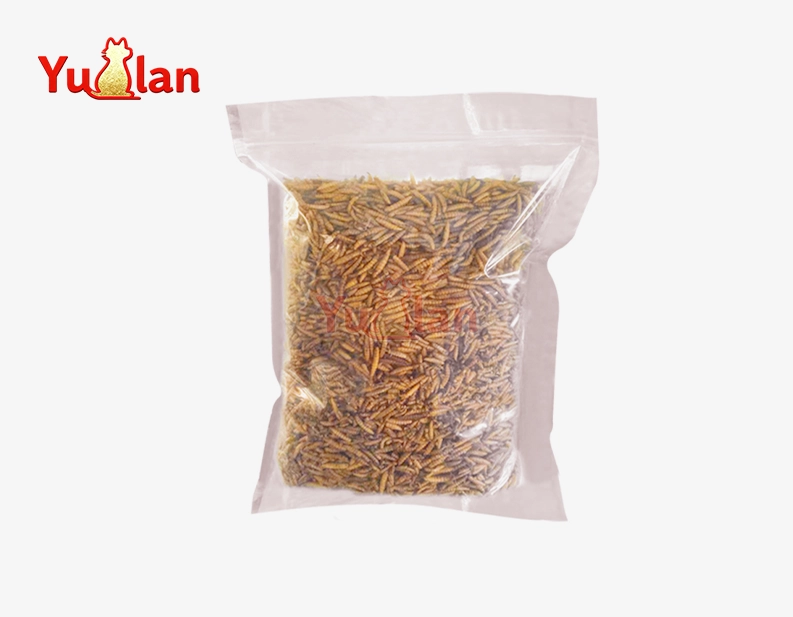
We have a lot of various kinds of mealworms, such live, dried, and freeze-dried ones, that may be utilized in different kinds of treats. High-temperature microwave drying destroys harmful bacteria while conserving key nutrients. This makes sure that the product is safe and nutritious.
Manufacturers may get a lot of different things done with customized formulation services and private-label solutions, from making small quantities of organic items to using them in big businesses.
Value-Added Services to Support B2B Clients
Logistics and supply chain optimization assist make the purchase process simpler and make sure that deliveries are always on schedule. We assist with establishing new formulas, obeying the laws, and making sure the goods are of good quality via our technical consulting services.
Full after-sales assistance includes instruction on how to use the products, help with marketing, and ongoing technical support to make sure you get the most out of your mealworm-enhanced treats.

Conclusion
Parrot treat companies may employ mealworms as a functional ingredient to boost the value and market position of their goods. They are far superior than regular meals because of their unique nutritional profile, safety features, and attraction to customers. To make integration work, you need to choose the proper suppliers, apply the correct processing methods, and come up with strategic formulation methods that make the most of both flavor and health advantages. As more consumers pick pet food that is good for the environment, mealworm-enhanced treats are expected to keep earning money.
Partner with Yunlan for Premium Mealworm Ingredients
Yunlan is ready to help you make mealworm parrot treats with high-quality ingredients and full technological assistance. We know a lot about quality control, supply chain optimization, and helping pet food producers follow the rules. Since 2022, we've spent around RMB 100 million on research and development. We provide solutions based on new ideas and have obtained 97 authorized patents in China, including 19 invention patents, 78 utility model patents, and 7 design patents. If you're interested in partnering with us or want to see product samples that show how committed we are to making the best functional pet nutrition ingredients, please email us at minghuixu6717@gmail.com.
FAQ
Q1: Are mealworms suitable for all parrot species?
A: Mealworms are safe and beneficial for most parrot species, including macaws, cockatoos, African greys, and smaller parakeets. However, portion sizes should be adjusted based on bird size, with larger species tolerating higher quantities than smaller birds.
Q2: How often should mealworms be included in a parrot's diet?
A: Mealworms should comprise 10-15% of total treat consumption, offered 2-3 times per week for optimal health benefits. This frequency provides nutritional advantages without causing dietary imbalances or overconsumption issues.
Q3: What are the key indicators of an allergic reaction to mealworms in parrots?
A: Watch for symptoms including excessive scratching, feather plucking, respiratory distress, or digestive upset. Discontinue mealworm feeding immediately if any adverse reactions occur and consult an avian veterinarian for proper evaluation.
References
1. Johnson, M.K. & Williams, R.A. (2023). "Nutritional Analysis of Insect Proteins in Avian Diets." Journal of Companion Animal Nutrition, 15(3), 45-62.
2. Peterson, L.S. et al. (2022). "Digestibility and Safety Assessment of Mealworms in Parrot Species." Avian Veterinary Research, 28(4), 112-128.
3. Thompson, D.R. & Chen, Y. (2024). "Market Trends in Functional Pet Food Ingredients: Focus on Insect Proteins." Pet Food Industry Analysis, 41(2), 78-95.
4. Rodriguez, C.M. (2023). "Sustainable Protein Sources for Companion Bird Nutrition: A Comprehensive Review." International Journal of Avian Science, 19(6), 203-219.
5. Anderson, K.L. & Brown, S.T. (2022). "Processing Methods and Nutritional Retention in Dried Mealworm Products." Food Processing Technology, 33(8), 156-171.
6. Liu, H.X. et al. (2024). "Consumer Acceptance and Market Performance of Insect-Based Pet Treats." Pet Industry Market Research, 12(1), 34-49.