- English
- French
- German
- Portuguese
- Spanish
- Russian
- Japanese
- Korean
- Arabic
- Irish
- Greek
- Turkish
- Italian
- Danish
- Romanian
- Indonesian
- Czech
- Afrikaans
- Swedish
- Polish
- Basque
- Catalan
- Esperanto
- Hindi
- Lao
- Albanian
- Amharic
- Armenian
- Azerbaijani
- Belarusian
- Bengali
- Bosnian
- Bulgarian
- Cebuano
- Chichewa
- Corsican
- Croatian
- Dutch
- Estonian
- Filipino
- Finnish
- Frisian
- Galician
- Georgian
- Gujarati
- Haitian
- Hausa
- Hawaiian
- Hebrew
- Hmong
- Hungarian
- Icelandic
- Igbo
- Javanese
- Kannada
- Kazakh
- Khmer
- Kurdish
- Kyrgyz
- Latin
- Latvian
- Lithuanian
- Luxembou..
- Macedonian
- Malagasy
- Malay
- Malayalam
- Maltese
- Maori
- Marathi
- Mongolian
- Burmese
- Nepali
- Norwegian
- Pashto
- Persian
- Punjabi
- Serbian
- Sesotho
- Sinhala
- Slovak
- Slovenian
- Somali
- Samoan
- Scots Gaelic
- Shona
- Sindhi
- Sundanese
- Swahili
- Tajik
- Tamil
- Telugu
- Thai
- Ukrainian
- Urdu
- Uzbek
- Vietnamese
- Welsh
- Xhosa
- Yiddish
- Yoruba
- Zulu
The pet treat business has grown a lot in the past few years. Beef stick dog treats have become a key commodity for B2B procurement managers in many fields. These natural chews are a big chance for shops, veterinary clinics, grooming facilities, and distributors that want to meet the growing demand from pet owners for healthy, useful products.
This all-in-one book combines nutritional science with useful buying tips to provide decision-makers the information they need to find high-quality beef stick treats that meet all regulatory criteria and go above and beyond what customers anticipate. The information here helps people make smart buying decisions in a wide range of market areas, from small specialized stores to big chains of veterinary hospitals.

Understanding Beef Stick Dog Treats: Ingredients, Benefits, and Safety
Composition and Manufacturing Process
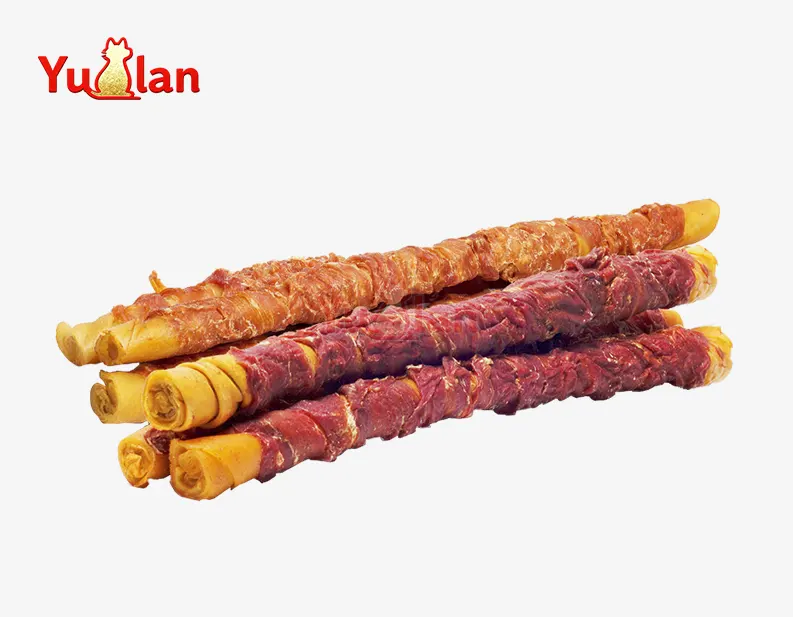
Premium beef stick dog treats are made with real cowhide and high-quality beef parts. They are single-ingredient or minimally processed chews that are very good for your dog's health. The technique of making it usually includes slow, low-temperature dehydration processes that keep natural proteins and kill hazardous germs. This controlled processing lowers the moisture content to less than 10%, making chews that last a long time and keep their shape even after being used for a long time.
Quality producers use unique enzymolysis methods to make proteins more available to the body while keeping important amino acids. Hand-wrapped chicken or other protein sources are often included in the fundamental structure of the beef sandwich. This gives the sandwich different textures and flavors that keep dogs interested. These ways of making sure that the quality is always the same and that the food safety regulations for commercial distribution are met.
Nutritional Benefits and Health Advantages
Beef stick treats are great for energetic dogs that need more amino acids because they are high in protein, frequently more than 80% by weight. The natural chewing process helps keep teeth healthy by mechanically getting rid of plaque and tartar accumulation, which could mean fewer trips to the vet for dental work. Eating slowly brings out natural chewing tendencies and gives the brain something to do, which can help stop bad behavior.
The fibrous texture functions as a natural toothbrush while you eat, which is what makes it good for cleaning teeth. This mechanical cleaning motion gets to places that regular brushing doesn't, which helps keep your mouth clean overall. Also, the longer chewing time helps satisfy natural foraging habits and gives you calories that you may use in balanced feeding regimens.
Safety Considerations and Quality Standards
Veterinarians always suggest that people watch their pets eat beef stick treats, especially when they first start eating them. Good items stay firm and don't develop soft areas or strange smells that could mean they are going bad. Safety depends on getting the right size, and there are many sizes available to fit different breeds and chewing levels.
Reputable producers use thorough testing procedures to make sure that pathogens are killed while keeping the nutritional value. Some of these safety procedures are checking the temperature during processing, checking the moisture content, and doing microbiological tests on a regular basis. The main difference between high-quality items and lower-quality ones that are often found at discount stores is that high-quality products don't have artificial preservatives, hormones, or chemical additions.

Practical Use Cases: How to Use Beef Stick Dog Treats Effectively?
Training Applications and Behavioral Management
Professional dog trainers are using beef stick treats more and more in positive reinforcement programs because they are so valuable and keep dogs busy for a long time. These chews are great incentives for hard training situations, especially with animals that are motivated by food, because they are naturally appealing. Trainers can keep their dogs motivated by breaking up bigger goodies into smaller pieces. This lets them have longer incentive sessions.
Eating beef sticks takes a long time, which gives dogs natural breaks between training sessions so they can think about what they've learned while still having fun. This dual benefit helps with both learning new skills and dealing with stress in professional training settings. A lot of boarding facilities and grooming shops use these snacks to calm dogs down during operations that could be stressful.
Dosage Guidelines and Feeding Recommendations
Beef stick snacks should be eaten in the right amounts so that they don't substitute balanced nutrition programs. Veterinary nutritionists usually say that dogs should only eat 10% of their daily calories in treats. The exact amount depends on the dog's size, age, and activity level. Puppies older than 10 weeks do better with thinner, shorter options during supervised 5-minute intervals. Senior dogs, on the other hand, usually prefer standard-thickness goods that are easier on their aging jaws.
Large breed dogs and dogs that chew aggressively need extra-large alternatives that are more durable so they don't eat them too quickly and risk choking. The progressive introduction approach starts with 3–5 minute supervised sessions and slowly increases the length over five days as the person gets used to it. During times of eating, having access to fresh water is very important for good digestion and to avoid dehydration.
Storage Requirements and Inventory Management
Businesses that manage large inventories need to pay close attention to how they store their products, as this can greatly affect their shelf life and quality. To keep beef stick dog treats from getting too wet and going bad, they need to be stored in cool, dry places with stable temperatures. Storage in sealed containers keeps pests out and keeps the texture of the food intact for long periods of time.
Rotation processes make sure that older stock goes through distribution channels before its expiration date. This cuts down on waste while keeping quality standards high. Many manufacturers offer different types of packaging to meet varied storage needs. These range from individual retail packaging to bulk containers that can be used for repackaging. Knowing these storage needs helps procurement teams choose the right amounts while keeping the quality of the product high during distribution cycles.

Procurement Strategies for Beef Stick Dog Treats in B2B Markets
Supplier Evaluation and Partnership Development
To build relationships with trustworthy providers of beef stick dog treats, you need to thoroughly check out their manufacturing capabilities, quality control methods, and distribution networks. Top suppliers have approved production facilities and documented quality management processes that help them deliver products on time every time. The evaluation procedure should include checking references with current clients, seeing the facilities, and reviewing compliance paperwork that covers food safety rules.
Clear communication about volume needs, delivery timetables, and quality standards helps build long-term partnerships. Many vendors offer custom packaging, private labeling, and flexible ordering methods that can handle changes in demand throughout the year. These cooperation benefits give shops a competitive edge and make sure that products are always available when demand is high.
Volume Purchasing and Cost Optimization
When you buy in bulk, you may make a lot of money while also making sure you have enough stock on hand to provide good customer service. Volume discount structures usually work best for bigger orders, but storage space and cash flow issues mean that you need to find the right balance between saving money and running your business efficiently. Many suppliers have flexible payment plans and seasonal pricing programs that help with managing inventories and getting the best deals on purchases.
Shipping costs, storage needs, and the possibility of waste from expired products are all factors that go into figuring out the total cost of ownership. Choosing a regional supplier generally lowers shipping costs, speeds up delivery times, and makes customer assistance more responsive. These logistical benefits are especially relevant for organizations who have to restock their inventory often or that serve more than one location.
Knowing how demand changes with the seasons might help you buy at the right time and prevent having too much stock. The most demand usually happens during the holidays and the summer, when more people travel with and board their pets. Planning purchases around these patterns makes ensuring that there is enough inventory on hand and keeps carrying costs down during slack times.
Quality Assurance and Regulatory Compliance
Full quality assurance processes keep businesses safe from lawsuits while also making sure that customers are happy and come back to buy more. Supplier documents should provide the results of microbiological tests, reports on nutritional analysis, and certificates of facility inspections that back up assertions about the safety of the products. Regular quality audits help keep standards high and find problems before they affect customer satisfaction.
As food safety rules change at the federal and state levels, it becomes harder to follow the rules. Suppliers should keep their certifications up to date for Good Manufacturing Practices, Hazard Analysis Critical Control Points, and any other organic or specialist designations that are appropriate. These compliance procedures keep businesses from breaking the law and help marketing claims that lead to higher prices.
Conclusion
When bought from a trusted company and utilized correctly, beef stick dog treats are a great way to feed and entertain your dog. These natural chews are great for your pet's teeth, add protein to their diet, and make their behavior better. They are also a good option for pet owners who want to avoid synthetic items. For B2B buyers in retail, veterinary, and distribution, knowing about quality indicators, safety measures, and procurement strategies helps them find the right place in the market while also addressing changing consumer needs for high-quality pet products.
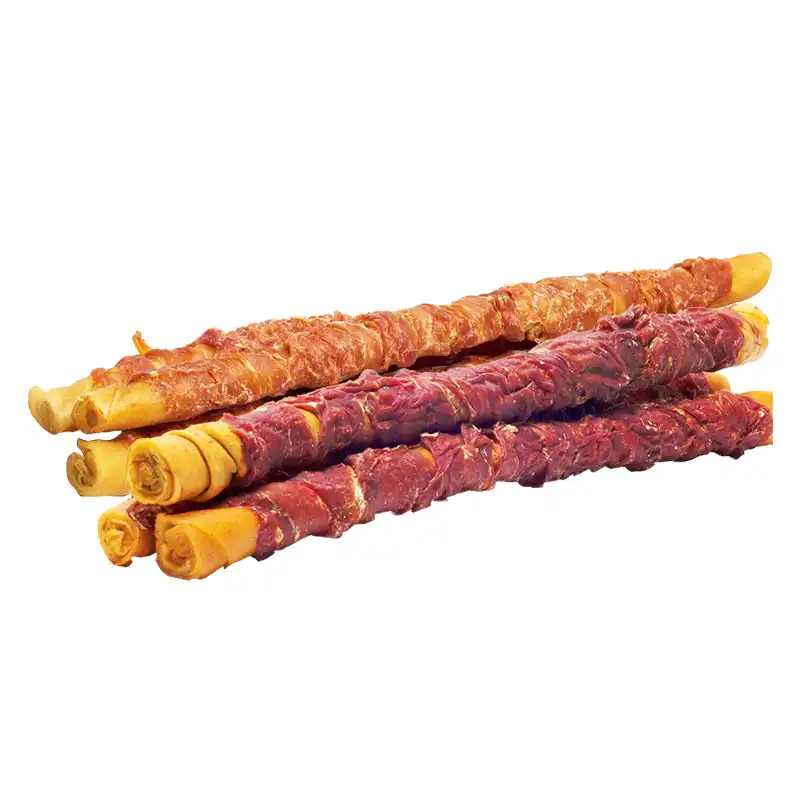
Partner with Yunlan for Premium Beef Stick Dog Treats
Yunlan stands as a leading beef stick dog treat manufacturer, combining over 20 years of specialized pet supply chain expertise with cutting-edge production technologies. Our real cowhide treats feature low-temperature processing that preserves natural flavors while ensuring optimal teeth cleaning benefits. The hand-wrapped construction with nutritious beef sandwich cores delivers exceptional value for retailers, veterinary clinics, and distributors seeking premium products.
Our comprehensive manufacturing capabilities include advanced meat protein enzymolysis and specialized processing techniques that create consistently superior products. With annual brand sales exceeding 300 million yuan and distribution across 60+ countries, Yunlan provides the reliability and quality assurance that B2B partners demand. Contact our procurement specialists at minghuixu6717@gmail.com to discuss volume pricing, custom formulations, and partnership opportunities.

FAQ
①Are beef stick treats suitable for all dog breeds?
Most dog breeds can safely enjoy beef stick treats when properly sized and supervised. Small breeds require thinner options to prevent choking, while large breeds need substantial sizes to prevent rapid consumption. Puppies under 10 weeks should avoid hard chews, and senior dogs may benefit from slightly softer varieties. Breeds with specific dietary restrictions or allergies require careful ingredient review before introduction.
②How do I identify high-quality beef stick dog treats for bulk purchasing?
Quality indicators include single-ingredient labels, absence of artificial additives, appropriate moisture content, and consistent texture throughout the product. Reputable suppliers provide detailed nutritional analysis, manufacturing facility certifications, and traceability documentation. Products should maintain firm texture without soft spots or unusual odors that indicate spoilage or poor processing methods.
③What storage requirements ensure product quality during bulk distribution?
Proper storage requires cool, dry conditions with consistent temperature control between 60-70°F and humidity below 60%. Sealed containers prevent moisture absorption and pest contamination while maintaining texture integrity. Rotation systems ensure older inventory moves through distribution channels before expiration dates, minimizing waste while preserving quality standards throughout the supply chain.
References
1. American Veterinary Medical Association. "Guidelines for Canine Dental Health and Natural Chew Products." Journal of Veterinary Dentistry, 2023.
2. Pet Food Industry Association. "Market Analysis of Natural Dog Treats and Consumer Preferences." Annual Industry Report, 2024.
3. National Research Council. "Nutrient Requirements of Dogs and Cats: Protein Sources and Digestibility Studies." Academy Press, 2023.
4. International Pet Food Safety Standards. "Manufacturing Guidelines for Dried Meat Products in Pet Food Industry." Safety Protocols Manual, 2024.
5. Veterinary Nutritionists Society. "Clinical Guidelines for Canine Treat Integration in Balanced Diet Programs." Professional Practice Standards, 2023.
6. Food and Drug Administration Center for Veterinary Medicine. "Regulatory Framework for Pet Treat Manufacturing and Distribution." Federal Guidelines, 2024.