- English
- French
- German
- Portuguese
- Spanish
- Russian
- Japanese
- Korean
- Arabic
- Irish
- Greek
- Turkish
- Italian
- Danish
- Romanian
- Indonesian
- Czech
- Afrikaans
- Swedish
- Polish
- Basque
- Catalan
- Esperanto
- Hindi
- Lao
- Albanian
- Amharic
- Armenian
- Azerbaijani
- Belarusian
- Bengali
- Bosnian
- Bulgarian
- Cebuano
- Chichewa
- Corsican
- Croatian
- Dutch
- Estonian
- Filipino
- Finnish
- Frisian
- Galician
- Georgian
- Gujarati
- Haitian
- Hausa
- Hawaiian
- Hebrew
- Hmong
- Hungarian
- Icelandic
- Igbo
- Javanese
- Kannada
- Kazakh
- Khmer
- Kurdish
- Kyrgyz
- Latin
- Latvian
- Lithuanian
- Luxembou..
- Macedonian
- Malagasy
- Malay
- Malayalam
- Maltese
- Maori
- Marathi
- Mongolian
- Burmese
- Nepali
- Norwegian
- Pashto
- Persian
- Punjabi
- Serbian
- Sesotho
- Sinhala
- Slovak
- Slovenian
- Somali
- Samoan
- Scots Gaelic
- Shona
- Sindhi
- Sundanese
- Swahili
- Tajik
- Tamil
- Telugu
- Thai
- Ukrainian
- Urdu
- Uzbek
- Vietnamese
- Welsh
- Xhosa
- Yiddish
- Yoruba
- Zulu
Industrial oil spills are a common emergency in factories, auto repair shops, logistics warehouses and transportation hubs. Traditional industrial absorbents are costly and have limited supply, forcing many facility managers to look for cost-effective alternative solutions. A widely questioned and practical solution is using cat litter for oil absorption. This guide fully answers oil-absorbing capabilities of this material, explains different types of product performance, standardized usage methods, B2B procurement selection skills and compliance guidelines, providing reliable spill control solutions for commercial and industrial scenarios.
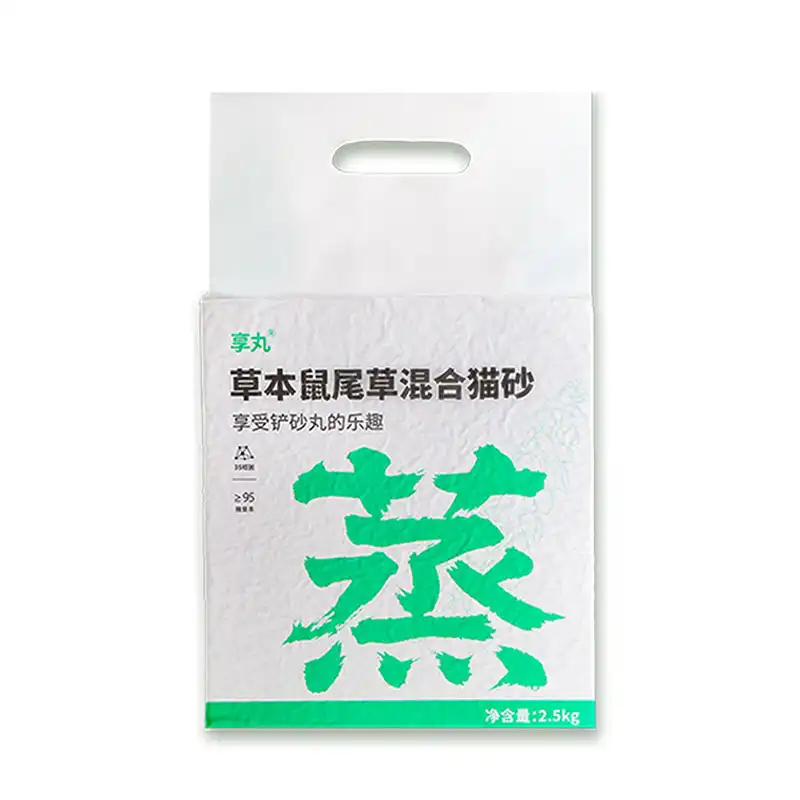
Can Cat Litter Absorb Oil?
Many industrial procurement and facility management personnel doubt the oil absorption capacity of daily pet supplies. In fact, qualified cat litter has excellent oil absorption performance, which is derived from its unique porous material structure. It is not only a pet cleaning product, but also a cost-effective emergency absorbent for various industrial oil spill scenarios.
Core Principle: Why Cat Litter Can Absorb Industrial Oil
The oil absorption ability of this material relies on two physical characteristics of porous materials: capillary action and surface tension. Most daily pet litter products are made of mineral or plant fiber raw materials. These materials form countless tiny micropore structures during processing.
When industrial oil, hydraulic fluid or mechanical lubricant contacts the material, the micropores will quickly capture oil molecules. It locks internal liquid and avoids secondary leakage and dripping. Different from water absorption, the dense pore structure of high-quality formulas can wrap viscous oil stably, solving the difficulty of cleaning thick industrial oil.
Ordinary materials such as sand and sawdust only rely on simple gap accumulation to absorb oil. They are easy to leak and pollute the ground again. In contrast, the professional pore design of qualified litter is more suitable for long-term locking of petroleum-based oils, meeting industrial safety and cleaning standards.
Practical Significance of Cat Litter for Industrial Spill Control
Industrial oil spills require rapid disposal to reduce safety risks and economic losses. Data shows that rapid disposal within 10 to 15 minutes after an oil spill can reduce overall loss costs by up to 60%. Cat litter has the advantages of easy access, low price and rapid absorption, which perfectly meets the emergency disposal needs of factories and warehouses.
Specialized industrial oil absorbents are expensive and have high procurement and inventory costs. For daily small and medium-sized oil spills, repeated purchase of professional absorbents will bring a heavy cost burden. As a universal absorbent material, such products can replace most industrial absorbents in conventional scenarios.
In addition, standardized litter has stable batch quality and complete environmental disposal paths. It can meet the environmental compliance requirements of industrial production. It is an ideal balanced choice for safety, efficiency and cost in spill management.
Oil Absorption Performance of Different Types of Cat Litter
After confirming that such products can effectively absorb oil, it is critical to distinguish the performance differences of different materials. Various litter formulas on the market have obvious gaps in oil absorption ratio, locking ability and applicable scenarios. Choosing targeted products can maximize cleaning efficiency and reduce overall consumption.
Clay Cat Litter: Cost-Effective Conventional Oil Absorption Solution
Clay-based formulas represented by bentonite are the most widely used type of such absorbent material in industrial oil spill cleaning. This variant of cat litter features natural mineral micropore structures and excellent affinity for petroleum-based oils.
Non-clumping clay formulas can absorb 1.5 to 2 times their own weight in oil. They have stable structure and are not easy to collapse after absorbing oil. They are very suitable for daily light and medium oil spill cleaning in manufacturing workshops and auto maintenance workshops.
Clumping clay formulas have better oil locking performance. They can quickly agglomerate after absorbing oil to avoid liquid overflow. But their post-cleaning disposal is relatively cumbersome. They are more suitable for small-area precise spill disposal scenarios.
Silica Gel Cat Litter: High-Efficiency Absorption for Viscous Heavy Oil
Silica gel cat litter adopts artificial customized porous structure. Its internal pore density and uniformity are far higher than natural clay materials, making it a high-performance oil absorption material for heavy industrial oil.
The oil absorption ratio of silica gel variants reaches 3 to 4 times its own weight. It can quickly absorb high-viscosity motor oil, lubricating oil and thick hydraulic oil that are difficult to clean with ordinary materials. It maintains structural stability after full absorption, with no leakage or residue.
Although the unit price of silica gel litter is higher than clay products, its ultra-high absorption rate reduces the total usage. It effectively saves labor and inventory costs in long-term industrial use, and is very suitable for precision machinery workshops and high-standard industrial scenarios.
Eco-Friendly Plant-Based Cat Litter: Sustainable Green Solution
Plant-based cat litter made from corn, wheat and wood fiber is a green and environmentally friendly oil absorption material. It focuses on sustainable industrial management and simple waste disposal, and is favored by environmentally conscious enterprises.
The oil absorption performance of eco-friendly formulas is about 60% to 80% of clay-based options. They are suitable for light oil spills such as food-grade oil and dilute hydraulic fluid. Their natural fiber structure can decompose part of organic oil stains, reducing the pressure of subsequent hazardous waste disposal.
This type of eco-friendly absorbent produces less dust and has no chemical residue. It will not cause secondary pollution to the workshop environment. It is the best choice for warehousing, food processing and green factory scenarios.
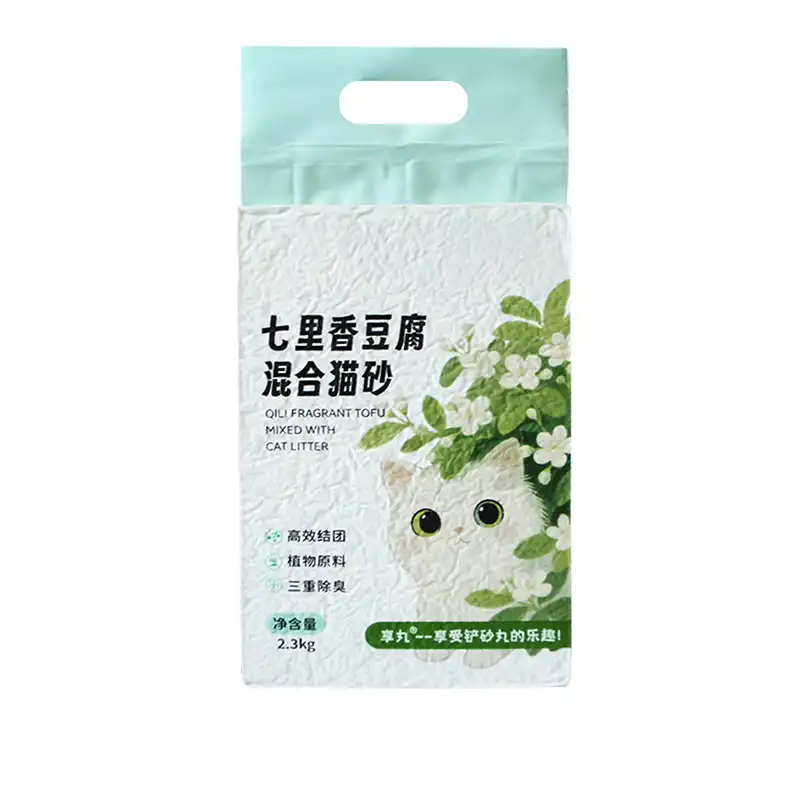
Standardized Usage, Cost Advantage and B2B Selection Guide
Different types of porous litter correspond to different usage methods and procurement strategies. Standardized operation can improve oil absorption efficiency, and scientific procurement can maximize cost-effectiveness. Mastering professional usage and selection skills is the key to applying such materials to industrial spill management.
Step-by-Step Standard Operation for Oil Spill Cleaning
Scientific operation can give full play to the oil absorption advantage of cat litter and avoid cleaning dead ends and secondary pollution. For conventional industrial oil spills, unified standardized processes can be adopted.
First, judge the oil spill area and oil viscosity. Lay isolation barriers around the spill range to prevent oil diffusion. Then spread dry litter evenly on the oil stain surface. The dosage is controlled at 2 to 3 pounds of material per gallon of oil.
Let the material stand for 5 to 10 minutes to fully absorb and lock the oil. After the oil is completely absorbed and the material is dry and agglomerated, sweep and recover it uniformly. Finally, dispose of the waste materials in accordance with local environmental protection regulations.
Cost Performance Advantage of Cat Litter vs Traditional Absorbents
Compared with traditional sand, sawdust and professional industrial absorbents, cat litter has overwhelming cost performance advantages in long-term industrial use. The oil absorption ratio of sand and sawdust is only 0.8:1, requiring a large amount of materials to complete cleaning.
Professional industrial absorbents have stable performance but high prices, 3 to 5 times the unit cost of high-quality litter. Enterprises that replace professional absorbents with qualified formulas can save 40% to 60% of annual spill cleaning costs.
Bulk procurement of such absorbents can further reduce costs by 25% to 40%. It supports just-in-time inventory management, which greatly reduces the inventory pressure and operating costs of industrial enterprises.
B2B Procurement Selection Standards for Industrial Cat Litter
Industrial-grade cat litter selection needs to focus on oil absorption efficiency, dust content, structural stability and compliance disposal performance, not just low price. Different industrial scenarios correspond to different product selection schemes.
Ordinary manufacturing and auto repair workshops prioritize cost-effective clay formulas. Precision processing workshops choose low-dust silica gel options to avoid equipment contamination. Green factories and warehousing scenarios prefer degradable plant-based variants.
At the same time, B2B buyers need to verify product batch stability, supplier supply capacity and environmental compliance certificates. Stable supply and complete qualification are the core guarantees for long-term industrial cooperation.
FAQ
Q1: Can cat litter absorb all types of industrial oil spills?
A: Qualified cat litter can absorb most petroleum-based oils, including motor oil, hydraulic fluid, lubricating oil and conventional industrial crude oil. Light oil can be quickly absorbed by all types of such products. For high-viscosity heavy oil, silica gel formulas are recommended for better absorption and locking effect.
Q2: Can oil-absorbed litter be reused?
A: Oil-saturated cat litter cannot be reused. Absorbed petroleum products will form flammable substances, bringing fire hazards and environmental pollution risks. All used oil-absorbed products must be disposed of as hazardous waste in accordance with local environmental regulations.
Q3: How does plant-based litter differ from clay litter in industrial use?
A: Plant-based cat litter has slightly lower oil absorption efficiency than clay-based versions, but it is degradable, low-dust and more environmentally friendly. It is suitable for light oil spill scenarios. Clay formulas have higher absorption ratio and lower cost, which is more suitable for heavy industrial oil and large-area spill cleaning.
Q4: What is the key to improving the oil absorption efficiency of litter materials?
A: Choose dry and high-porosity cat litter, and spread it evenly to fully contact with oil stains. Avoid thick stacking and local accumulation. Appropriately extending the standing time can maximize the oil locking effect and reduce residual oil stains on the ground.
Q5: Does industrial use of such litter meet environmental compliance standards?
A: Regular cat litter products have no chemical additives and will not produce toxic and harmful substances after absorbing oil. As long as the waste materials are handed over to qualified institutions for standardized hazardous waste disposal, they can fully meet industrial environmental compliance requirements.
Get Industrial-Grade Cat Litter for Oil Absorption
If you are looking for stable, high-efficiency and cost-effective oil absorption materials for factory workshops, auto repair shops, logistics warehouses and industrial facilities, our industrial-grade cat litter is your optimal B2B procurement solution. As a professional manufacturer with 20 years of pet and industrial absorbent production experience, we provide clay, silica gel and plant-based multi-series products, all tailored for industrial oil spill emergency cleaning.
-
Provide free product samples to test oil absorption efficiency and on-site applicability
-
Offer exclusive bulk wholesale prices and customized B2B procurement solutions
-
Support OEM private label packaging and scenario-based formula customization
-
Provide complete product qualification certificates and batch quality inspection reports
-
Stable global supply covering more than 60 countries with fast delivery cycle
Our products have 97 authorized patents and strict quality control systems, balancing high oil absorption performance, low dust and environmental compliance. Professional after-sales teams provide 24-hour technical consultation and procurement guidance. For bulk inquiry, sample application and customized cooperation, please contact our professional team via email: minghuixu6717@gmail.com. Choose our industrial litter products to reduce your facility cleaning costs and improve emergency spill response efficiency!
References
-
Johnson, M.R. (2023). Industrial Absorbent Performance Analysis: Clay-Based Porous Materials in Manufacturing Spill Management. Journal of Industrial Safety Management, 48(2), 92-105.
-
Thompson, S.K. (2023). Comparative Study of Natural and Synthetic Porous Absorbents for Petroleum Spill Containment. Environmental Engineering Quarterly, 37(4), 211-225.
-
Roberts, D.L. (2022). Cost-Benefit Analysis of Alternative Spill Response Materials in Automotive Industrial Scenarios. Industrial Procurement Review, 19(3), 76-89.
-
Chen, W.M. (2023). Structural Design and Oil Absorption Mechanism of Silica Gel Porous Absorbent Materials. Materials Science and Engineering Journal, 51(1), 134-142.
-
Anderson, P.J. (2023). Hazardous Waste Disposal Standards for Industrial Oil-Absorbing Porous Materials. Regulatory Affairs in Manufacturing, 21(5), 289-302.
-
Martinez, C.A. (2022). Supply Chain Optimization and Cost Control of Emergency Spill Response Materials. Operations Management Today, 34(6), 188-201.