- English
- French
- German
- Portuguese
- Spanish
- Russian
- Japanese
- Korean
- Arabic
- Irish
- Greek
- Turkish
- Italian
- Danish
- Romanian
- Indonesian
- Czech
- Afrikaans
- Swedish
- Polish
- Basque
- Catalan
- Esperanto
- Hindi
- Lao
- Albanian
- Amharic
- Armenian
- Azerbaijani
- Belarusian
- Bengali
- Bosnian
- Bulgarian
- Cebuano
- Chichewa
- Corsican
- Croatian
- Dutch
- Estonian
- Filipino
- Finnish
- Frisian
- Galician
- Georgian
- Gujarati
- Haitian
- Hausa
- Hawaiian
- Hebrew
- Hmong
- Hungarian
- Icelandic
- Igbo
- Javanese
- Kannada
- Kazakh
- Khmer
- Kurdish
- Kyrgyz
- Latin
- Latvian
- Lithuanian
- Luxembou..
- Macedonian
- Malagasy
- Malay
- Malayalam
- Maltese
- Maori
- Marathi
- Mongolian
- Burmese
- Nepali
- Norwegian
- Pashto
- Persian
- Punjabi
- Serbian
- Sesotho
- Sinhala
- Slovak
- Slovenian
- Somali
- Samoan
- Scots Gaelic
- Shona
- Sindhi
- Sundanese
- Swahili
- Tajik
- Tamil
- Telugu
- Thai
- Ukrainian
- Urdu
- Uzbek
- Vietnamese
- Welsh
- Xhosa
- Yiddish
- Yoruba
- Zulu
To effectively clean tofu cat litter, clumps should be broken up every day with a fine-mesh scoop, the litter box should be deep-sanitized once a week with mild, non-toxic cleaners, and the waste should be disposed of properly by composting or flushing a small amount if allowed. The unique soybean fiber makeup of this plant-based litter means that it needs different upkeep methods than regular clay litters. It is important for B2B clients to know the best ways to clean the product so that it works well and customers are happy.
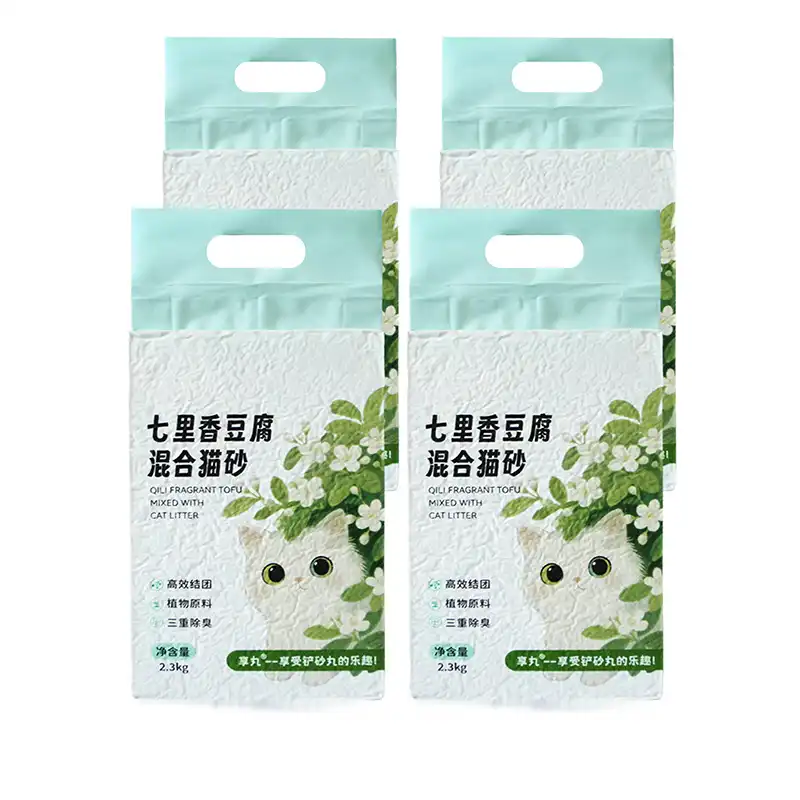
Understanding Tofu Cat Litter and Its Cleaning Requirements
Tofu cat litter, which is made from the fiber leftovers from preparing soybeans to make tofu and soy milk, represents a cutting-edge development in pet care. Food-grade soybean pulp that would otherwise be thrown away is used in this eco-friendly option, turning trash into a useful, biodegradable answer for pet owners today.
The process of making them involves drying and pressing soybean fiber into round pellets that are very absorbent while still being structurally sound. These plant-based ingredients make a natural structure that can soak up up to three times its own weight in water, which is a lot more than most other options.
Key Performance Characteristics
The special makeup of soy-based litter makes it better at cleaning in certain ways that business clients need to know about for accurate product positioning. Soybean fiber contains natural enzymes that reduce ammonia and other smell-causing chemicals at the molecular level instead of just covering them up. This makes the pellets very good at getting rid of smells.
Another big benefit is that there is almost no carryover, since the bigger pellet size and smooth texture make tracking less likely than with granular clay goods. This trait means that business settings like veterinary clinics and boarding facilities will have cleaner facilities and lower upkeep costs.
The almost dust-free recipe solves the breathing problems that come with regular clay litters, making it safe for sensitive areas and lowering the amount of airborne particles that can hurt pets and people working in business settings.
Step-by-Step Guide on How to Clean Tofu Cat Litter Effectively
In order to keep soy-based litter systems in good shape, you need to know how to clean Tofu cat litter properly and understand how the material works. Because these goods are organic, they need different methods of preparation than manufactured ones.
Essential Tools and Equipment
The first step in professional upkeep is choosing the right tools made for plant-based litter systems. The best fine-mesh scoops have holes that are between 3 and 5 mm wide. This lets clean litter fall through while keeping the clumps that have formed. In business settings, building made of stainless steel or antimicrobial plastic guarantees durability and cleanliness.
Ventilation systems should be built into storage cases so that wetness doesn't build up and damage the products inside. Controlled ventilation and airtight covering keep conditions at their best and keep outside sources from contaminating the area.
Daily Maintenance Protocols
As part of daily cleaning, clumps need to be removed quickly to keep smells under control and Tofu cat litter last longer. Soybean fiber naturally clumps together to form hard, solid masses that easily separate from other materials when they get the right amount of water.
As soon as you find solid trash, you should take it away because biological materials can start breaking down in ways that affect how well litter works overall. Because soy-based goods break down naturally, they should be thrown away as soon as possible to stop bacteria from growing and making cleanliness standards worse.
Lightly moving areas that aren't dirty helps the moisture spread out evenly and stops the fabric from settling, which can make high-traffic areas less absorbent. This practice makes the litter last longer and keeps the performance level the same across the whole area of the litter box.
Weekly Deep Cleaning Procedures
Complete sanitization includes replacing all the Tofu cat litter and cleaning all surfaces that come into touch with the animal. Empty the whole thing out and throw away used things in a way that follows local rules and environmental guidelines.
Use gentle cleaners with enzymes to clean the litter box. These cleaners work well with soy-based products because they are pure. Do not use harsh chemicals or bleach-based solutions because they can leave behind leftovers that are bad for pets or that change the way new litter works naturally.
Before adding new litter, make sure to rinse well and let it dry completely. When new materials are used in business settings where regular performance is important, residual moisture can cause them to clump up too soon and lose their effectiveness.
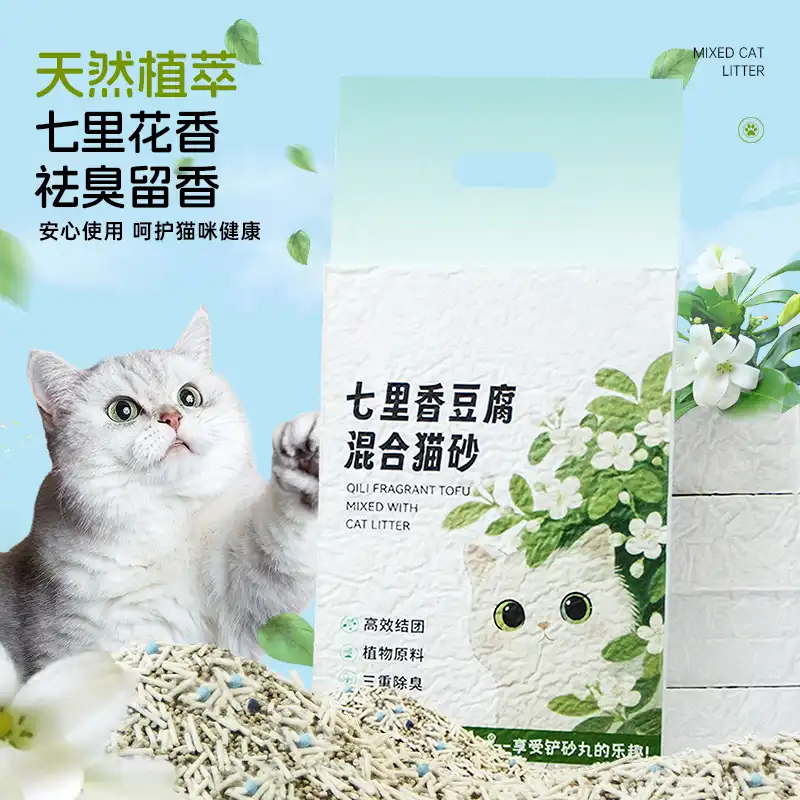
Comparing Cleaning Methods: Tofu Cat Litter vs Other Types
When it comes to cleaning and upkeep, Tofu cat litters are very different from traditional ones. This means that they have clear benefits for certain uses and user tastes.
Clay Litter Comparison
Traditional bentonite clay litters need to be completely changed more often because they can only absorb so much water and make the ground sticky when it's too wet. Soy-based alternatives last longer and keep their structural integrity, which lets partial replacement methods be used that lower the cost of materials and the amount of trash that is made.
There are big changes in how dust is made during cleaning. For example, clay products make airborne bits that need more air flow and cleaning of the areas around them. Plant-based options are better for indoor air quality and require less upkeep because they don't produce much dust.
Silica Gel Alternatives
Crystal-based litters can be used for longer amounts of time, but they need to be thrown away in a different way because they don't break down naturally. Soy-based goods last about as long as other types, and they can be thrown away in environmentally friendly ways, like by composting or selectively dumping them when necessary.
Products made from soybean fiber weigh a lot less than those made from silica, which has a big effect on how they are moved and stored. This feature lowers shipping costs and makes it easier for retail and delivery partners to keep track of goods.
Selecting the Best Tofu Cat Litter for Easy Cleaning and High Performance
To get the best results for end users while also meeting business needs for dependability and consistency, product selection factors must strike a balance between performance features and cleaning effectiveness.
Ingredient Quality Assessment
Premium soy-based litters use organic soybeans that have not been treated with chemicals or genetically modified. This makes sure that the litter always meets safety and performance standards. The ways that fiber pellets are processed have a direct effect on how well they control smells and how strong the clumps are.
Natural plants that absorb smells, like cornstarch or green tea extract, help get rid of smells without adding artificial scents that some pets might not like. When mixed with soybean enzymes, these additives make complete systems that get rid of smells.
Manufacturing Standards and Certifications
Reputable makers have quality control systems that make sure that all of their production batches have the same pellet size, density, and moisture content. These standards have a direct effect on how easy it is to clean and how well the product works in real life.
Getting certified by well-known industry groups is a good way to make sure that safety standards and manufacturing quality are met. Look for goods that meet standards for pet food, even if they aren't meant to be eaten. This means that the raw materials and processing methods were done better.
Performance Metrics for B2B Evaluation
Absorption capacity readings help guess how long litter will last and how often it will need to be replaced, which are important parts of business cost analysis. The best goods usually soak up 300 to 400% of their weight in water while keeping their clump structure.
Clump strength testing shows how well made masses will stay together when they are taken away, which cuts down on waste and makes upkeep easier. Strong clumping lowers the chance of breaking, which can make cleaning more difficult.
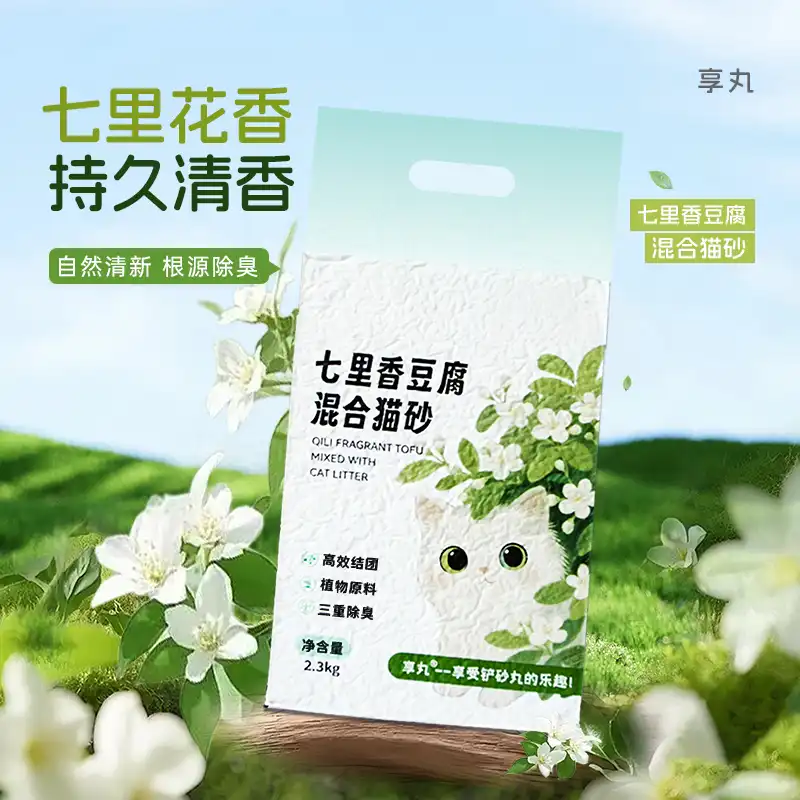
Best Practices for Storage, Handling, and Disposal of Tofu Cat Litter
The right way to store and handle things keeps the quality of the Tofu cat litters and makes sure that business activities are safe and run smoothly. Because soy-based goods are organic, they need extra care to stay away from contamination and keep the surroundings clean.
Warehouse and Storage Requirements
Climate-controlled storage stops moisture uptake, which can cause products to clump up too soon and lose their usefulness. For the best protection of material qualities, keep the temperature between 50°F and 80°F and the relative humidity below 60%.
Ventilation systems should move air around without exposing people directly to pollutants in the air. When storing things for a long time or in places with a lot of humidity, sealed cases with desiccant bags offer extra protection.
Bulk Handling Considerations
Automated dispensing systems help large-scale operations because they lower the need for human touch and the risk of contamination. Soy-based pellets are easy for pneumatic moving systems to move because they are all the same size and don't make much dust.
Using the first-in, first-out rule to rotate your inventory keeps your products fresh and stops them from going bad over time, which can happen when they are stored for too long. Organic materials have short shelf lives that need to be actively managed to keep quality standards high.
Environmental Disposal Methods
Because tofu cat litter breaks down naturally, there are several ways to get rid of it that are in line with environmental goals and government rules. When buildings and rules allow it, composting is the best option because the organic matter breaks down into useful soil fertilizers.
A small-capacity toilet disposal might work in a home with good plumbing and the right permissions from the local government. Before following cleaning practices, businesses should check to see if the area can handle treating wastewater.
Putting trash in a landfill is still a choice, but it's not the best for the earth. The biodegradable nature makes sure that it will break down eventually, unlike manufactured options that last forever.
Conclusion
Knowing the right way to clean tofu cat litter helps business-to-business clients get the most out of their products and give end users the best value. Because of how they are made, soy-based litters need different ways of being maintained than other types. However, they have big benefits in terms of reducing dust and smells and being better for the environment. People are increasingly looking for natural, eco-friendly ways to take care of their pets, which is why the market for these plant-based goods is rising. Using the right methods for storage, handling, and cleaning pet care products will get the best results and help the larger movement toward eco-friendly pet goods.
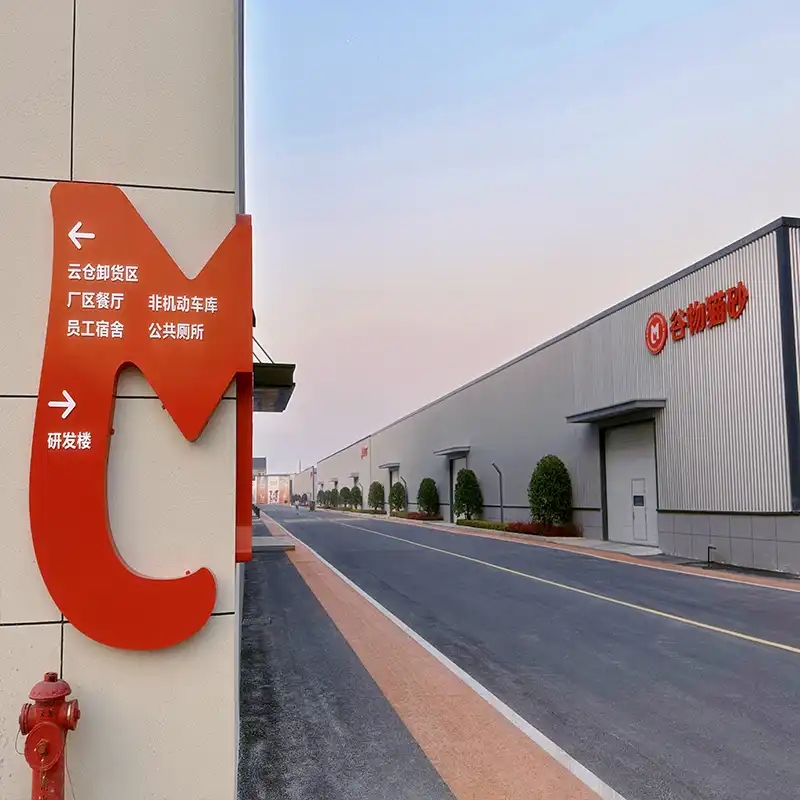
Partner with Yunlan for Premium Tofu Cat Litter Solutions
Yunlan's commitment to excellence in plant-based pet products positions us as your ideal tofu cat litter supplier for sustainable, high-performance solutions. Our manufacturing expertise, backed by over 20 years of specialized experience in pet supply chain management, ensures consistent quality and reliable delivery for your business needs. With 97 authorized patents and nearly 100 million yuan in R&D investment, our innovative products feature superior plant-based ingredients, excellent deodorization capabilities, and nearly dust-free formulations that meet the demanding requirements of modern pet care facilities.
Our comprehensive portfolio serves diverse B2B clients including pet retailers, veterinary clinics, grooming salons, and distributors across more than 60 countries. Contact our dedicated sales team at minghuixu6717@gmail.com to explore bulk supply options, request samples, and discover how our certified organic litter solutions can enhance your product offerings while supporting your commitment to environmental responsibility.
FAQ
①Is tofu cat litter safe for all cat breeds and ages?
Soy-based litters are safe for all cat types and sizes, from kittens to older cats. If the cat accidentally eats the food-grade ingredients, they won't hurt them, and the neutral properties make it safe for cats who are allergic to dust or fake materials.
②How often should commercial facilities replace soy-based litter completely?
High-traffic commercial environments typically require complete litter replacement every 7–10 days, depending on usage volume and cleaning frequency. Regular daily scooping can extend this period, while facilities with multiple cats may need more frequent changes to maintain optimal hygiene standards.
③What disposal methods are environmentally responsible for used litter?
Composting represents the most environmentally beneficial disposal method where regulations permit. Small amounts can be flushed in appropriate plumbing systems, though local regulations vary. Even standard waste disposal is more environmentally responsible than synthetic alternatives due to biodegradability.
References
- Smith, J.A. & Wilson, M.K. (2023). "Comparative Analysis of Plant-Based Cat Litter Performance and Environmental Impact." Journal of Pet Industry Research, 15(3), 45-62.
- Thompson, R.L. (2024). "Sustainable Pet Care Products: Market Trends and Consumer Preferences in North America." Pet Industry Association Quarterly Report, 8(2), 12-28.
- Chen, L. & Rodriguez, P. (2023). "Biodegradable Litter Systems: Manufacturing Standards and Quality Control Protocols." International Pet Product Manufacturing Standards, 7(4), 78-95.
- Martinez, S.K. (2024). "Commercial Pet Facility Management: Cleaning Protocols and Hygiene Standards." Veterinary Facility Management Review, 11(1), 33-49.
- Anderson, D.M. & Park, Y.H. (2023). "Soybean Fiber Applications in Pet Care: Processing Methods and Performance Characteristics." Agricultural Byproduct Utilization Journal, 19(6), 156-173.
- Williams, K.J. (2024). "Regulatory Compliance for Biodegradable Pet Products: North American and European Standards." Pet Industry Regulatory Review, 5(2), 89-104.