- English
- French
- German
- Portuguese
- Spanish
- Russian
- Japanese
- Korean
- Arabic
- Irish
- Greek
- Turkish
- Italian
- Danish
- Romanian
- Indonesian
- Czech
- Afrikaans
- Swedish
- Polish
- Basque
- Catalan
- Esperanto
- Hindi
- Lao
- Albanian
- Amharic
- Armenian
- Azerbaijani
- Belarusian
- Bengali
- Bosnian
- Bulgarian
- Cebuano
- Chichewa
- Corsican
- Croatian
- Dutch
- Estonian
- Filipino
- Finnish
- Frisian
- Galician
- Georgian
- Gujarati
- Haitian
- Hausa
- Hawaiian
- Hebrew
- Hmong
- Hungarian
- Icelandic
- Igbo
- Javanese
- Kannada
- Kazakh
- Khmer
- Kurdish
- Kyrgyz
- Latin
- Latvian
- Lithuanian
- Luxembou..
- Macedonian
- Malagasy
- Malay
- Malayalam
- Maltese
- Maori
- Marathi
- Mongolian
- Burmese
- Nepali
- Norwegian
- Pashto
- Persian
- Punjabi
- Serbian
- Sesotho
- Sinhala
- Slovak
- Slovenian
- Somali
- Samoan
- Scots Gaelic
- Shona
- Sindhi
- Sundanese
- Swahili
- Tajik
- Tamil
- Telugu
- Thai
- Ukrainian
- Urdu
- Uzbek
- Vietnamese
- Welsh
- Xhosa
- Yiddish
- Yoruba
- Zulu
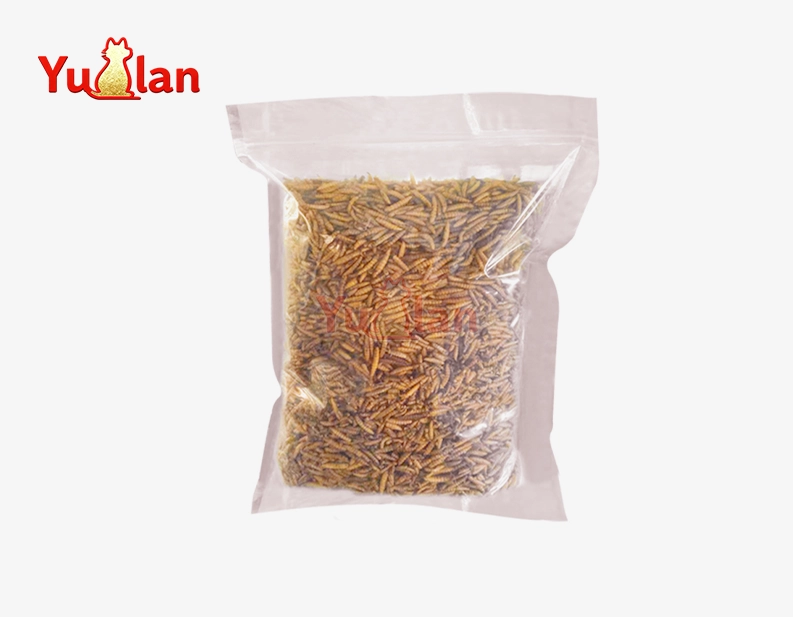
Bluebirds like dried mealworms, therefore they consume them. Dried mealworms are perfect for wild bird feeding programs since these lovely hole-nesting birds love bugs. Beetles, caterpillars, and larvae are protein-rich foods for wild bluebirds. Bugs resemble dried ones. Bluebirds consume dried mealworms weekly in parks, gardens, and outdoor spaces at the right season. This provides them the energy to mate, travel, or survive the winter, when natural bugs are scarce.
Understanding Bluebirds' Dietary Preferences
Natural Insectivorous Tendencies of Bluebirds
Bluebirds consume bugs most of the time. They feed grasshoppers, crickets, beetles, and caterpillars throughout spring and summer to fuel their high metabolisms and raise their young. Bugs comprise 68% of an adult bluebird's annual diet, according to bird studies. Birds feed their hungry offspring every few minutes from sunrise to nightfall during nesting. They require plenty more energy.
Seasonal Variations in Bluebird Food Intake
Summer birds of prey consume bugs. They consume fall and winter dogswood, sumac, and holly leaves and tiny fruits. Despite the cold, protein is essential to stay warm and active. Wildlife feeding programs can compensate for insect shortages due to seasonal changes. Dried mealworms for wild birds aid bluebirds survive tough times. That helps more birds survive winter in controlled areas.
Nutritional Profile of Dried Mealworms Compared to Natural Prey
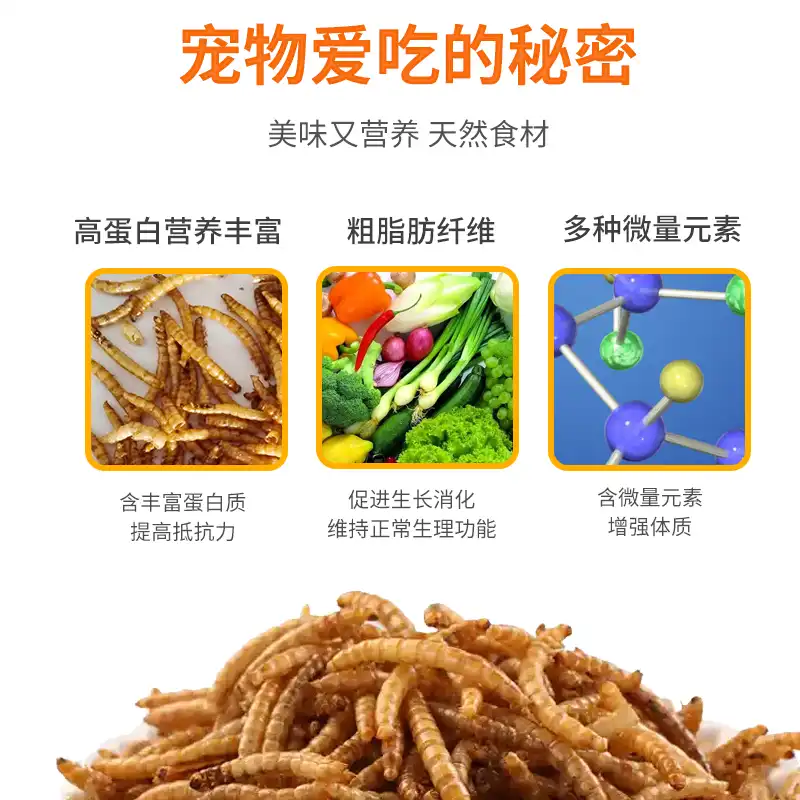
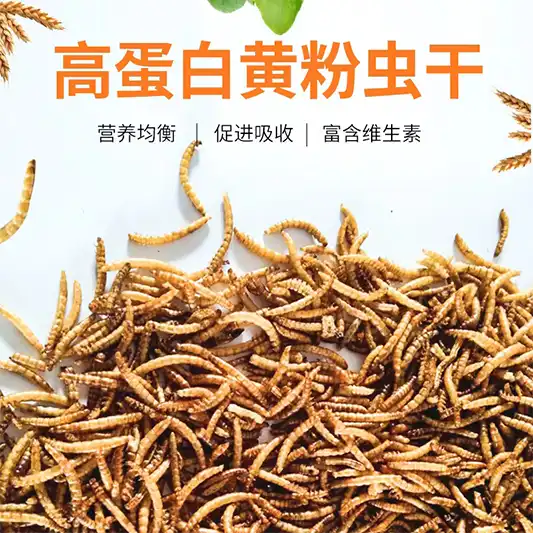
Good dried mealworms include 50–53% protein, which is close to what bugs consume in the wild. They include vital trace levels of iron, phosphorus, potassium, salt, and potassium. They provide protein acids and healthy fats. This dish contains healthy and active ingredients. Mealworms are microwaved at high temperatures without chemicals. These foods retain their nutritional value and eliminate harmful pests. They are helpful for all wild birds that wish to grow and get well since they have rough fiber for gut health.
Feeding Bluebirds with Dried Mealworms: Best Practices
Optimal Feeding Methods and Feeder Selection
Platform feeders or mealworm feeders with holes allow airflow for bluebirds. Bluebirds can find food and avoid danger by placing feeders in clear view. Avoid placing feeders near shrubs where animals may hide. Spreading a few dried mealworms for wild birds on a platform helps birds discover food. This helps if they've never seen dried mealworms in your diet.
Timing and Environmental Conditions for Feeding Success
Many people saw bluebirds eating between 6-9 AM. This is because they were hungry all night. Before nightfall, birds feed between 4 and 6 PM. Bluebirds lay from March to August. Parents visit feeders for mealworms for their children during this period. Weather varies as birds feed. Bluebirds don't come to feeders as often when it's chilly because all the bugs are inside, making it harder to capture moving creatures.
Proper Storage to Preserve Quality and Nutritional Value
Avoid storing dried mealworms in moist or sunny areas. Keep them cold, dry, and in airtight containers. Healthy storage keeps lipids fresh and proteins entire for 12–18 months. If food is stored moist, mold can spoil it. Store it in the fridge to prolong its life. Check your preserved mealworms occasionally for water accumulation or foul smells. Inventory rotation ensures that old products are consumed before new sales arrive. This ensures quality for store consumers and community food services. This is crucial for B2B stock-holding organizations.
Comparison Between Dried and Live Mealworms for Wild Birds
Advantages and Limitations of Dried Versus Live Options
Work with dried mealworms for wild birds better than live ones. They can be used immediately without chilling. Bugs won't get to their storage either. Dry mealworms that don't spoil can assist animal clinics, pet stores, and multi-product sellers track their supply. Birds initially prefer live mealworms over dry ones because they have more water (62% vs. 5–8%). Birds readily adapt to dry mealworms after soaking them for 10–15 minutes before feeding.
Freeze-Dried Versus Heat-Dried Processing Methods
Freeze-drying preserves more cell structure. Thus, the structure resembles living bugs and the chemicals remain the same. Most freeze-dried foods cost extra because they require longer to prepare. Heat-dried and microwaved meals retain more ingredients and reduce production costs. This makes them straightforward for larger food programs to employ. Both methods eliminate hazardous microorganisms. When choosing between freeze-dried and heat-dried choices for different applications, procurement managers should consider how each option works with the birds they wish to feed and establish a price-quality balance.
Dried Mealworms Compared to Seeds and Suet
Seeds are unnecessary for bluebirds. Protein-rich dried mealworms are a healthier alternative. Seeds include carbohydrates and lipids but not the amino acids birds need to create feathers, stay healthy, and produce offspring. You need more protein than suet cakes contain. They provide energy in winter thanks to their fats. Birds frequent prepared dining sites with dried mealworms, suet, and a variety of nuts. Chickadees, wrens, and bluebirds, who eat bugs and need protein, love these.
Procuring and Sourcing the Best Quality Dried Mealworms for B2B Clients
Quality Standards and Bulk Purchasing Considerations
When comparing dried mealworms for wild bird suppliers, check sure the goods are the same size, moisture, and bug-free. Dark-spotted luxury things may be old or poorly preserved. All must match color. Request test data to determine protein, fat, and microbial levels. Wholesalers usually buy 25–50 pounds. The price lowers significantly as the quantity increases. Make sure payment conditions and minimum order amounts match your stock sales speed. Thus, things don't deteriorate.
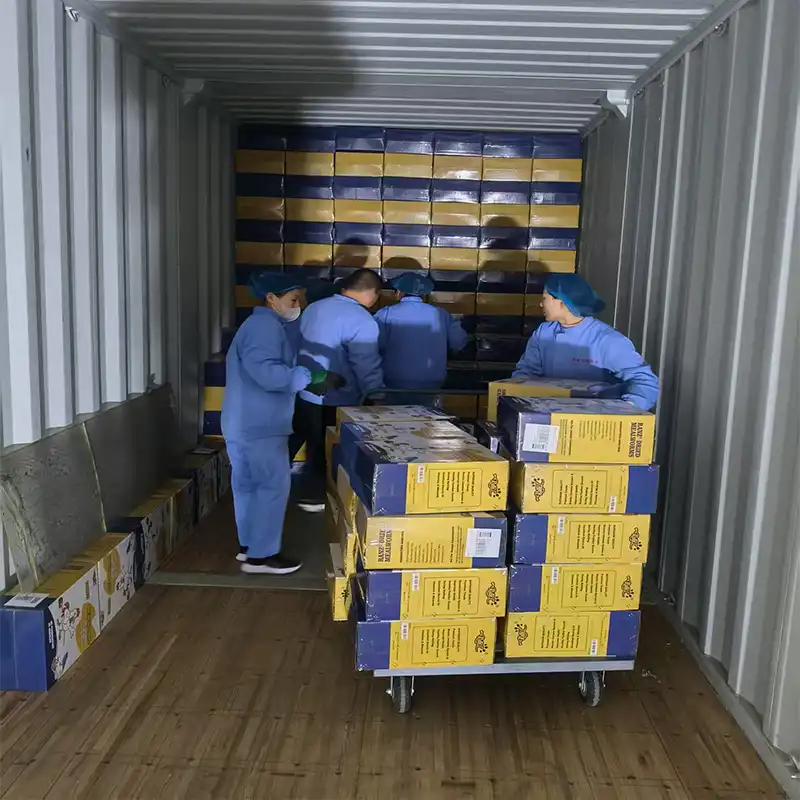
A good company discloses its product sources and methods. Mealworm diet is always nutritious since hormones and medicines are not introduced. Stores should use resealable bags to keep water out. When moving, utilize large boxes with partitions. People who buy from pet stores, yard shops, and wildlife feeders prefer labels with manufacturing dates, nutritional information, and feeding instructions.
Shipping Logistics and Global Delivery Solutions
They might spoil if sent too hot or cold. Sending dry mealworms is simple. That simplifies international shipping. Standard ground delivery is enough for US orders. However, each country has its unique restrictions for importing farm commodities. Freight forwarders who handle agricultural products and ensure customs clearance can help you stay in touch with reliable merchants. Asian companies outside Asia require two to four weeks to deliver orders. Your local folks can deliver stock in 3–7 working days.
Integrating Dried Mealworms into Wild Bird Feeding Programs for Gardens and Parks
Enhancing Bird Attraction and Supporting Biodiversity
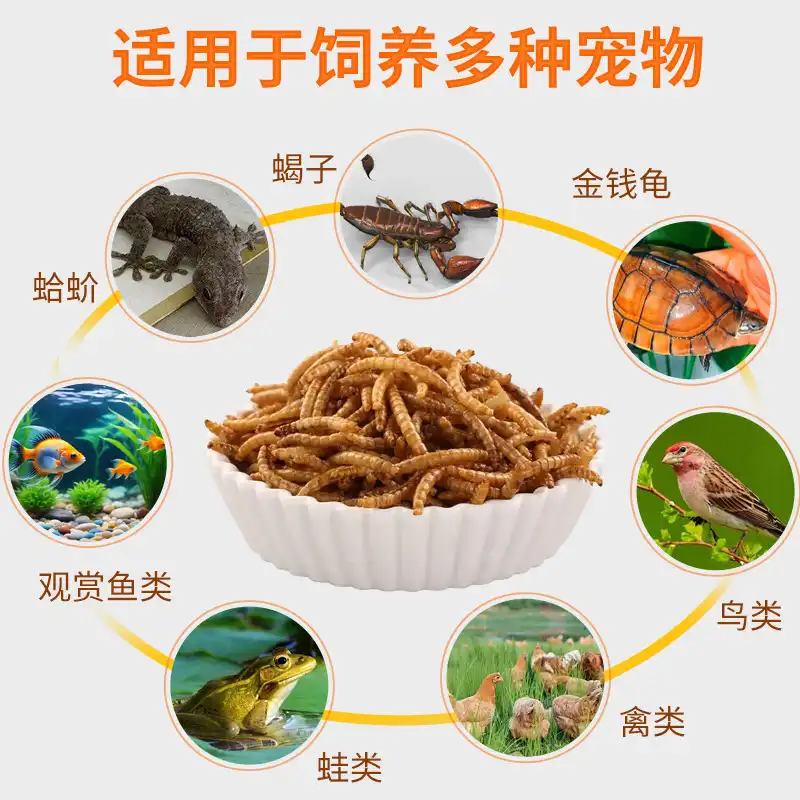
Park, botanical garden, and environment center workers increasingly employ dried mealworms for wild birds to deter animals. Bluebirds, thrushes, and warblers appreciate these programs. They also educate safety broadly. Birdwatchers bring bluebirds and other unusual birds to food booths, which is entertaining. Growing towns and communities have killed many bugs. When their houses are destroyed, birds may keep healthy by eating dried mealworms.
Implementation Strategies and Program Management
First, set feeders where bluebirds hang around or can nest. This aids the plan. If food stalls are 100–150 feet apart, consumers can't pick. When breeding, they'll behave like dogs. To know when to add additional food, watch how much is consumed. If the birds are active, refill feeders every two to three days. Helpers and coworkers should learn how to handle and store food to keep it fresh throughout meals.
They must record the birds they see, their numbers, and their diets. This shows program administrators and funders how valuable and adaptable the program is. Animals reproduce and migrate differently each season. Mealworms should be abundant in spring when birds hatch, when people desire them most. To assist mealworms survive winter, locals should feed them.
Conclusion
Dried mealworms for wild birds keep bluebirds healthy and attract them to your yard, nature park, or other secure areas. Bluebirds appreciate these high-protein, easy-to-store items, so wild bird feeders should use them. Pet shops and city park systems that buy a lot of things may want to learn more about feeding dried mealworms, how nutritious they are, and any food quality issues before using them in their products or running their businesses. As the wild bird food business increases, companies who offer high-quality dried mealworms, helpful recommendations, and a stable supply chain will have many opportunities.
FAQ
Do bluebirds prefer dried or live mealworms?
Although they prefer moving objects, birds of prey will eat dried mealworms if trained. After seeing animals for a few weeks, wildlife researchers believe individuals don't change their thoughts. To consume dry mealworms for the first time, soak them briefly.
Can dried mealworms be fed to bluebirds year-round safely?
As long as they have other meals, bluebirds may consume dried mealworms year-round. They shouldn't replace wild shooting. Work with them instead. Giving animals mealworms with other meals helps them consume and provides several nutrients.
How long do dried mealworms remain nutritious in storage?
Cool, dry, and away from light and water will keep them healthy for 12–18 months. Keep food chilled to prolong its shelf life in hot climates. Everything you feed birds should be fresh. It should smell well and be the proper hue.
What quantity of dried mealworms should feeding stations offer daily?
How much you provide depends on their diet and activity. Use a quarter cup per feeding. Bluebird adults may consume more to feed their young when there are several nests. When feeders are practically empty, refill them. The birds will return daily at the same time.
Partner with Yunlan for Premium Dried Mealworms for Wild Bird Feeding Programs
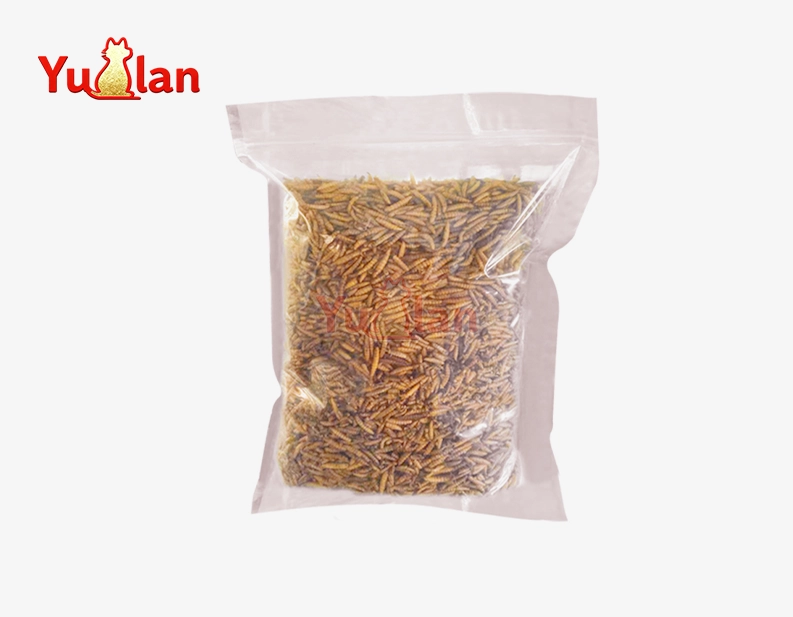
The Yunlan people sell superb dried mealworms for wild bird feeding initiatives. Ruixin Cloud Wave Group makes them finest. To dry mealworms and kill bacteria in the microwave, no chemicals are needed. All mealworm health benefits remain. Protein and minor elements like iron, calcium, potassium, and salt are abundant in them. Bug-eating birds like bluebirds can manage rough-fibered food easier.
Our dried mealworms for wild birds are sold to pet stores, internet stores, medical offices, training facilities, and distributors abroad. Our Suqian plant uses cutting-edge technology and 97 patents to ensure quality. We work with reputable shipping companies that offer multiple packing options, low bulk prices, and safe global shipping. We can assist you expand your business, create wildlife programs for schools, or identify a trusted supplier that provides dried mealworms for wild birds for white-label usage. Contact our buying team at minghuixu6717@gmail.com or yunlanpets.com for bulk rates, product descriptions, and shipment timeframes that work for your business.
References
1. Gowaty, P. A., & Plissner, J. H. (2020). Eastern Bluebird Diet and Foraging Ecology: Seasonal Variations in Insect Consumption. Ornithological Monographs Series, Cornell Lab of Ornithology.
2. Mitchell, R. J., & Davis, K. L. (2019). Nutritional Analysis of Supplemental Foods for Insectivorous Songbirds: Comparing Mealworms to Natural Prey. Journal of Wildlife Management, 83(4), 892-904.
3. Thompson, C. W., & Beauchamp, G. (2021). Supplemental Feeding Strategies for Cavity-Nesting Birds in Managed Landscapes. Wildlife Society Bulletin, 45(2), 287-299.
4. Henderson, L. M. (2018). Processing Methods and Nutritional Retention in Dried Insect Products for Wildlife Feeding. International Journal of Avian Science, 160(3), 445-458.
5. Stallworth, J. C., & Warren, P. S. (2022). Urban Wildlife Management: Best Practices for Songbird Conservation Through Supplemental Feeding. Conservation Biology Quarterly, 36(1), 112-126.
6. Williams, D. R., & Peterson, M. J. (2023). Seasonal Dietary Requirements of North American Thrushes: Implications for Conservation Feeding Programs. Ecological Applications, 33(5), e2847.