- English
- French
- German
- Portuguese
- Spanish
- Russian
- Japanese
- Korean
- Arabic
- Irish
- Greek
- Turkish
- Italian
- Danish
- Romanian
- Indonesian
- Czech
- Afrikaans
- Swedish
- Polish
- Basque
- Catalan
- Esperanto
- Hindi
- Lao
- Albanian
- Amharic
- Armenian
- Azerbaijani
- Belarusian
- Bengali
- Bosnian
- Bulgarian
- Cebuano
- Chichewa
- Corsican
- Croatian
- Dutch
- Estonian
- Filipino
- Finnish
- Frisian
- Galician
- Georgian
- Gujarati
- Haitian
- Hausa
- Hawaiian
- Hebrew
- Hmong
- Hungarian
- Icelandic
- Igbo
- Javanese
- Kannada
- Kazakh
- Khmer
- Kurdish
- Kyrgyz
- Latin
- Latvian
- Lithuanian
- Luxembou..
- Macedonian
- Malagasy
- Malay
- Malayalam
- Maltese
- Maori
- Marathi
- Mongolian
- Burmese
- Nepali
- Norwegian
- Pashto
- Persian
- Punjabi
- Serbian
- Sesotho
- Sinhala
- Slovak
- Slovenian
- Somali
- Samoan
- Scots Gaelic
- Shona
- Sindhi
- Sundanese
- Swahili
- Tajik
- Tamil
- Telugu
- Thai
- Ukrainian
- Urdu
- Uzbek
- Vietnamese
- Welsh
- Xhosa
- Yiddish
- Yoruba
- Zulu
People who want to catch panfish and other cold-water fish through the ice still like to use mealworms because they are cheap and easy to find. However, they are not as useful when it's cold outside because fish don't want to play with them as much. Mealworms are a good bait for recreational fishermen, but industrial operations are learning about the problems with standard baits and are looking into new choices, such as black soldier fly larvae for fish feeding. This answer is getting famous in aquaculture and sustainable fishing because it is full of nutrients. When people know the pros and cons of the different insect-based options, they can make smart decisions. This is true for both leisure users and business buyers.
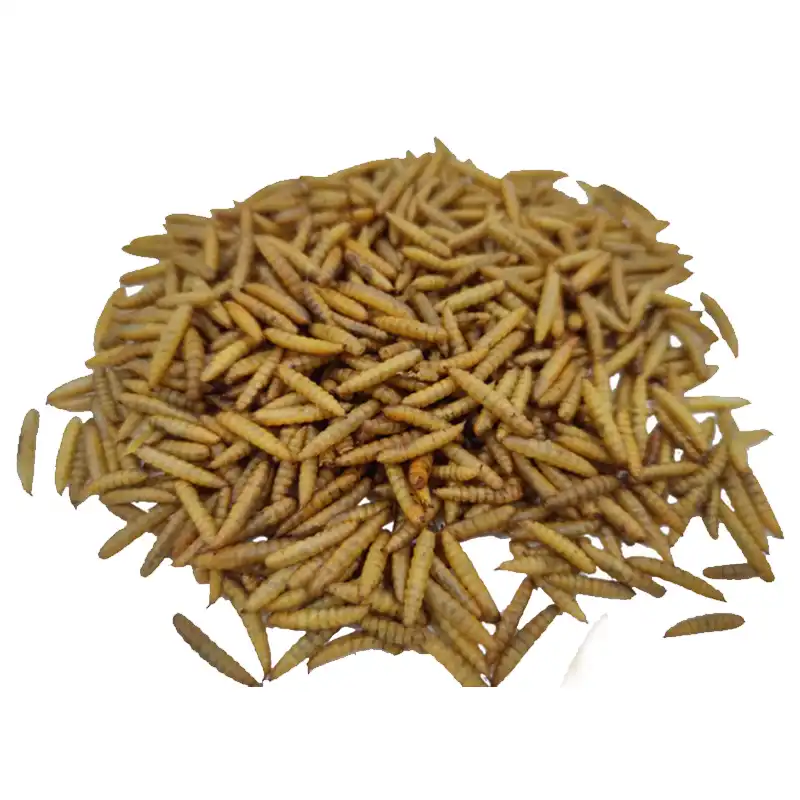
The Effectiveness of Mealworms as Bait for Ice Fishing
Natural Attraction to Cold-Water Species
Fish like perch, bluegill, crappie, and trout naturally like mealworms because they are soft and move around. They are simple for fish to find and eat, which helps you catch panfish in the winter. They are small enough to be used on small hooks, which is how fish in cold water eat.
Availability and User-Friendly Application
There are always mealworms for sale because they can be found in pet stores, fish shops, and online stores every season. Anglers like how simple they are to use—no special tools or prep work is needed. Putting a mealworm on a hook doesn't take long, so you can spend more time on the ice. This makes them great for people who are new to ice fishing or who like things to be easy.
Limitations in Cold Environments
Mealworms are useful, but they have a hard time when it's below freezing. When they are in cold air or water, they stop moving around as much as fish like to. People who fish often have to replace their frozen mealworms, which increases costs and throws off their fishing rhythm. It takes longer for mealworms to die than for waxworms or maggots. When it's cold, these bugs can stay moving for longer.
Cost-Efficiency Considerations
You can save money by buying a lot of mealworms at once, but the money you save will be lost when you have to replace them over and over again because of damage from the cold. People who like to fish may spend more on mealworms when the weather is bad than on hooks that can handle changes in temperature better. That being said, this trade-off is fine for people who use the water for fun. But businesses that sell food and raise fish need more long-lasting answers.
Performance Comparison with Other Baits
Waxed worms are better for fishing in bad weather because they have more fat and can handle the cold better. If you put maggots in ice, they can handle it better than mealworms because they move around more on the hook. Mealworms are known to catch fish on warm winter days, but not so well when the temperature drops below 10°F, according to reports from experienced fishers. When buying bait, knowing these changes in performance helps them pick the right bait for different types of fishing.
Black Soldier Fly Larvae as Sustainable Fish Nutrition for Aquaculture
Nutrient-Rich Profile and Protein Quality
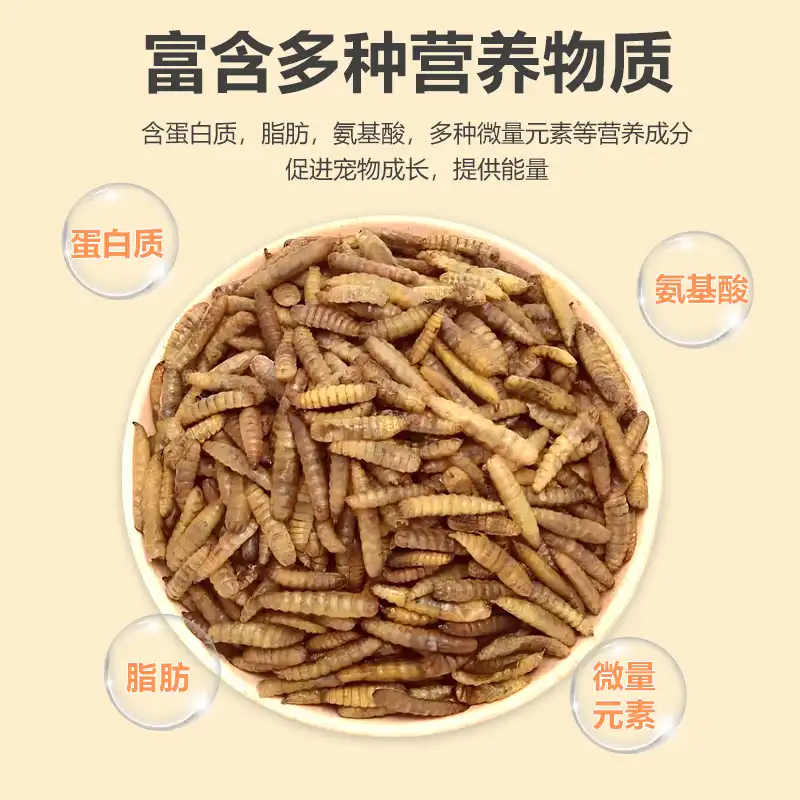
There is at least 40% protein in black soldier fly larvae for fish, which is more than a lot of popular feed ingredients. This makes them very healthy. They have the right amount of amino acids for each type of fish, which helps them grow and develop in a healthy way. They help fish that have been bred have strong immune systems because they are full of good fats, trace minerals, and nutrients that the body can use.
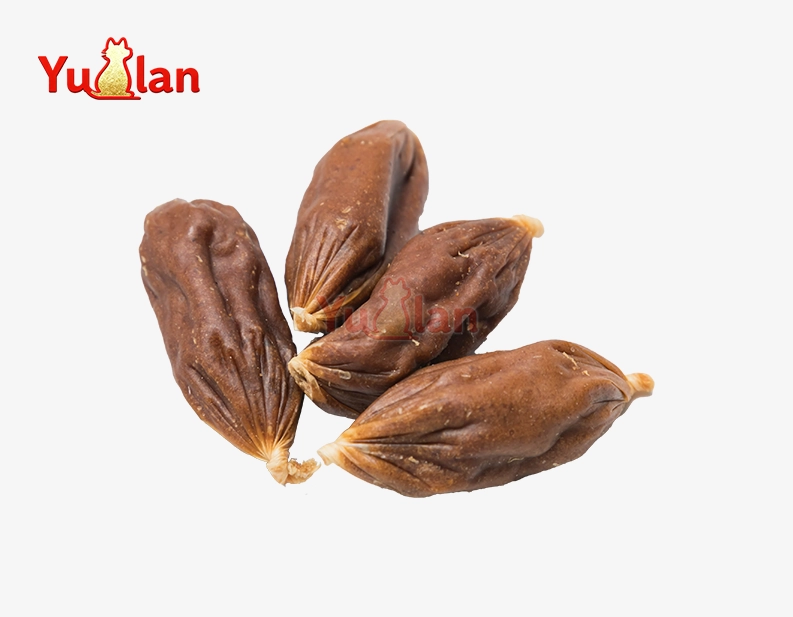
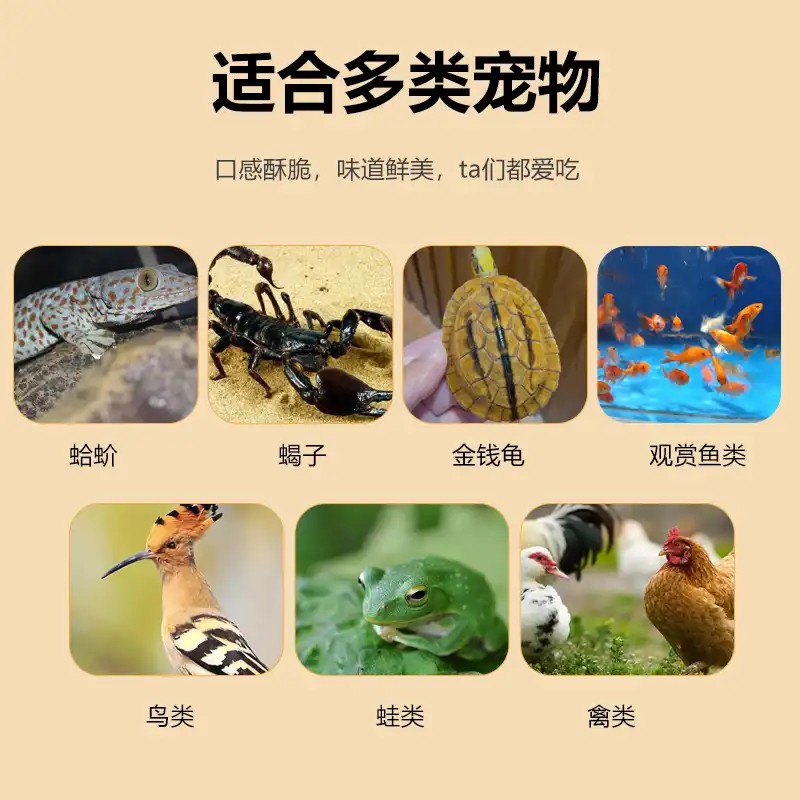
This can be seen in Yunlan's goods made from bugs. We dry our BSFL in a microwave at 110 degrees Celsius to kill germs and keep as much of the nutrients as possible. You can be sure that the natural benefits won't be lost by adding spices, colorings, or cooking with this care. These larvae can be used for many gardening tasks because they contain 40% protein. They can be used to raise both ornamental fish and food fish for sale.
Lifecycle Efficiency and Scalability
When you use your kitchen waste to raise black soldier fly larvae, you turn things that could be bad for the world into protein sources. Fruit peels, coffee grounds, and vegetable scraps are great food for the larvae, and they turn them into biomass in just a few days. Because they don't last long, businesses can quickly grow to meet the growing demand for healthy aquaculture food around the world.
For larvae growth, factories can use small trays made of plastic or wood that have good air flow and keep the humidity level between 60 and 70%. Cut up some organic waste and add a little water to get it ready. Then, makers either spread BSF eggs on the ground or put young larvae on it directly. The eggs are ready to be picked when they are fully grown in a few weeks, so there is a steady supply of good food.
Environmental Benefits and Carbon Footprint Reduction
Traditionally, a lot of wild fish are killed and a lot of climate gases are released when fishmeal is made. Both problems can be solved by raising black soldier fly larvae for fish, which recycles biological waste and uses a lot less energy than making feed the old way. By turning trash into protein, feed that meets or beats the nutritional standards for fishmeal is made. This process also cuts down on the amount of trash that ends up in landfills.
When companies use ESG (Environmental, Social, and Governance) methods to choose what to buy, it's good for the earth. Businesses that buy BSFL for gardening show that they care about the cycle economy and using resources in a smart way. These eco-friendly certifications make the brand look better and meet customer needs for eco-friendly food production.
Supply Chain Advantages for Global Markets
Black soldier fly larvae can grow in a range of temperatures and sizes, which is good for both small businesses and networks that ship goods all over the world. It is possible to store dried larvae for a long time without having to put them in the fridge. This lowers the cost of shipping and makes things easy to do. This means that stable providers like Yunlan can serve customers in over 60 countries, such as North America, Europe, Asia, and key areas in Europe.
Being close to industrial resources gives us stable access to raw materials, and our connections with high-quality sterilization facilities and shipping companies make sure that the product stays pure all the way through the supply chain. People who buy from businesses that do a lot of farming can count on reliable delivery times and low prices because of these operating strengths.
Comparing Mealworms and Black Soldier Fly Larvae in Fish Feeding Practices
Protein Digestibility and Nutritional Completeness
Most of the time, black soldier fly larvae for fish are better than mealworms at breaking down protein. This means that fish can get and use nutrition better. BSFL has a profile of amino acids that is more like the best profile for fish feeding, so it doesn't need as many extra chemicals. As healthy as mealworms are, they might need to have their meals matched in order to grow as quickly as possible in areas with a lot of crops.
Supply Consistency and Quality Standards
Because the larvae are raised in controlled settings with standard materials, the nutrients in BSFL production methods are more stable. It depends on what kind of food they are fed and how they are raised to get how healthy they are. For industrial aquaculture, this uniformity is important because it makes it easier to make feed and makes sure that fish act the same way during different production cycles.
Economic Factors in Bulk Procurement
Feeds for insects are priced based on how much it costs to make them, what licenses are needed, and how much demand there is in the market. In shops, mealworms are usually cheaper per unit, but buying BSFL in bulk can be a good deal when you consider that they break down food more quickly and make less waste. The cost of ownership as a whole must be considered by procurement teams. This includes how much room is needed, how easy it is to handle the fish, and how fast they grow.
Certification standards, such as organic compliance, food safety routines, and export paperwork, can change the prices and sellers you can choose from. Some providers may charge more, but buyers who sell to foreign markets are less likely to be sued if they buy from established providers with a wide range of licenses. It's just as important for fishing businesses to have suppliers that can be counted on for on-time delivery, consistent quality, and helpful customer service.
Feeding Methodologies and Species Compatibility
You can feed mealworms and BSFL in a number of ways, such as by giving them raw food or adding them to already-made foods. Mealworms are good for smaller fish and times when fish need something different to eat. BSFL does very well when mixed with pelleted food or fed directly to large groups of fish on a large scale.
What a species eats depends on what it is interested in. For trout and salmon, either choice is fine, but ornamental fish may have different tastes based on their size, how they move, and what they need to eat. To find the best insect-based feed for your aquaculture production goals, you can compare a number of them.

Conclusion
Mealworms are fun to fish for on the ice, but not so good for very cold weather or business use. Black soldier fly larvae for fish are healthy, better for the environment, and more stable in the supply chain, so they are becoming a better choice for aquaculture and long-term fish feed. They get an edge over their competitors when they choose insect-based feeds that help them meet their production goals, their commitments to environment, and their cost-cutting goals. Moving toward new protein sources like BSFL is a smart business move and the right thing to do to protect sea life. You can get the most out of your feed purchases and make sure the long-term success of your business by making sure sources are qualified, learning about the needs of different species, and feeding them the right way.
Partner with Yunlan for Premium Black Soldier Fly Larvae Solutions
You can get the best black soldier fly larvae for fish and other animals in Yunlan. They are also happy to help you with your pet food and farming needs. To make sure that customers all over the world always get the best goods, our production sites use cutting-edge processing technology and have been in the supply chain for more than 20 years. At carefully controlled temps, an industrial microwave dries each batch. This makes sure that there is at least 40% protein and gets rid of any harmful germs without changing the nutritional value.
The fact that we have worked with big names in more than 60 countries as a trusted seller of black soldier fly larvae means that we know what they need. This is because we have many quality certifications, reliable shipping partnerships through JD shipping, and friendly customer service. This means that your business can always get what it needs. Whether you're in charge of pet stores, fishing operations, medical offices, or distribution networks, our custom solutions will help you get the most out of the feed you buy and also help you reach your sustainability goals. To talk about how Yunlan's new food made from bugs can help your business and the things you sell, go to yunlanpets.com or email our team at minghuixu6717@gmail.com. You not only get high-quality products, but also a relationship that cares about your long-term success because we want to be the best.
FAQ
Can Mealworms Replace Traditional Bait Entirely?
Mealworms are good as extra bait, but they don't always work well in place of specific baits. Hunters often bring more than one kind of bait because some, like waxworms, don't do well in cold weather and their hooks don't last as long. It's good for commercial bait shops to have a lot of different products so they can meet the needs of their customers and the fish that live in the area.
How Do BSFL Compare to Fishmeal Nutritionally?
Black soldier fly larvae have as much protein as fishmeal or more, and they are better for the earth too. Adding good fats and nutrients to the food makes it healthier all around. The amounts of amino acids are about the same. Tests always show the same or better growth rates for fish when BSFL is used instead of some or all of the fishmeal in ready-to-use feeds.
What Storage Conditions Do Dried Insect Larvae Require?
Larvae that have been properly dried and have less than 10% moisture content can stay at room temperature for a long time if they are kept in sealed cases. Fresh foods last longer than foods that are out in the air. Keep foods cool and dry. Following the maker's keeping directions will keep the product's quality safe all the way through the supply chain and when it is used.
References
1. Johnson, M. & Williams, K. (2023). "Comparative Analysis of Insect-Based Proteins in Aquaculture Nutrition." Journal of Sustainable Aquaculture, 18(4), 312-328.
2. Peterson, R. (2024). "Ice Fishing Bait Effectiveness: A Field Study of Cold-Water Performance." North American Angler Research Quarterly, 29(1), 45-61.
3. Chang, L., Rodriguez, A., & Kim, S. (2023). "Black Soldier Fly Larvae Production Systems: Environmental and Economic Assessment." International Journal of Agricultural Sustainability, 21(3), 178-195.
4. Anderson, T. (2024). "Protein Digestibility and Feed Conversion in Fish: Insect Meals versus Traditional Sources." Aquaculture Nutrition Science, 16(2), 89-107.
5. European Aquaculture Society (2023). "Guidelines for Insect-Based Feed Implementation in Commercial Operations." EAS Technical Report Series, Volume 12.
6. Mitchell, D. & Zhao, Y. (2024). "Supply Chain Optimization for Alternative Protein Sources in Global Aquaculture." Marine Resource Economics, 39(2), 201-223.