- English
- French
- German
- Portuguese
- Spanish
- Russian
- Japanese
- Korean
- Arabic
- Irish
- Greek
- Turkish
- Italian
- Danish
- Romanian
- Indonesian
- Czech
- Afrikaans
- Swedish
- Polish
- Basque
- Catalan
- Esperanto
- Hindi
- Lao
- Albanian
- Amharic
- Armenian
- Azerbaijani
- Belarusian
- Bengali
- Bosnian
- Bulgarian
- Cebuano
- Chichewa
- Corsican
- Croatian
- Dutch
- Estonian
- Filipino
- Finnish
- Frisian
- Galician
- Georgian
- Gujarati
- Haitian
- Hausa
- Hawaiian
- Hebrew
- Hmong
- Hungarian
- Icelandic
- Igbo
- Javanese
- Kannada
- Kazakh
- Khmer
- Kurdish
- Kyrgyz
- Latin
- Latvian
- Lithuanian
- Luxembou..
- Macedonian
- Malagasy
- Malay
- Malayalam
- Maltese
- Maori
- Marathi
- Mongolian
- Burmese
- Nepali
- Norwegian
- Pashto
- Persian
- Punjabi
- Serbian
- Sesotho
- Sinhala
- Slovak
- Slovenian
- Somali
- Samoan
- Scots Gaelic
- Shona
- Sindhi
- Sundanese
- Swahili
- Tajik
- Tamil
- Telugu
- Thai
- Ukrainian
- Urdu
- Uzbek
- Vietnamese
- Welsh
- Xhosa
- Yiddish
- Yoruba
- Zulu
Even though cats need to eat meat and do well on meat-based diets, it is very bad for their health to only feed them canned tuna and chicken. There is a lot of lean protein in these food sources, but they are missing some important nutrients, such as calcium, omega-3 fatty acids, taurine, and vitamin E. They might not get enough thiamine, get steatitis, or build up mercury if you only feed them canned tuna and chicken for a long time. To get all the nutrients it needs, cats need to eat pet foods or pills that are made to meet the nutritional standards set by medical professionals.
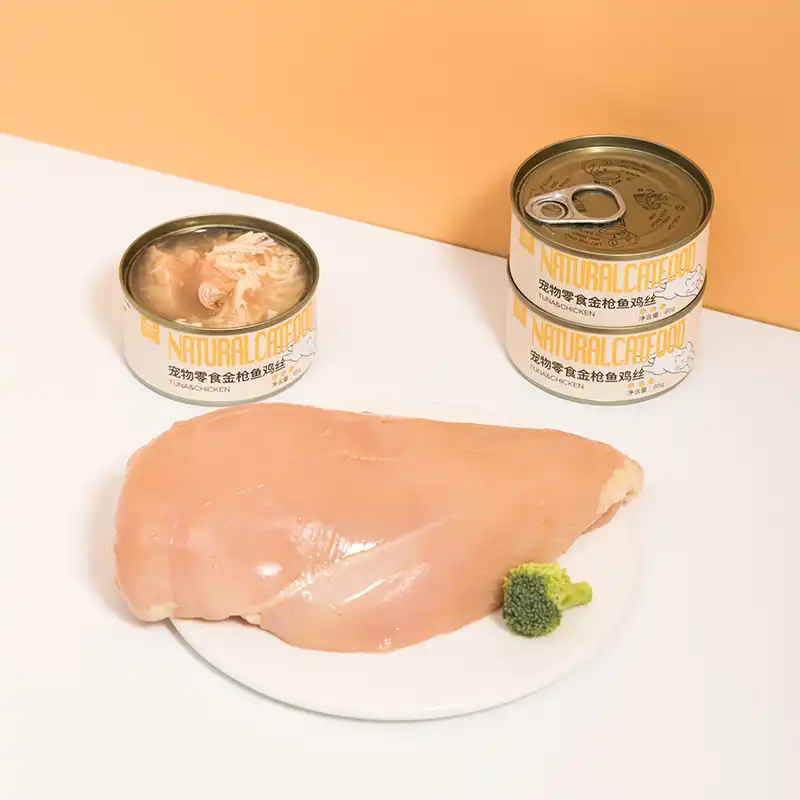
Can Cats Thrive on a Diet of Only Canned Tuna and Chicken?
Nutritionists who work with animals always say that animals shouldn't just get one type of protein and nothing else. Cats love chicken and tuna, but these things don't give them all the nutrients they need.
Nutritional Gaps and Deficiency Risks
A lot of things happen when you only eat one thing. There are too many calcium and phosphorus in beef that doesn't have enough bone, which can cause metabolic bone disease. Cats may not be able to make enough vitamin A because plant-based molecules need to be changed in a certain way. Changes in important fatty acids can hurt the health of your skin and hair. Not getting enough taurine can lead to enlarged cardiomyopathy and damage to the eyes.
Thiamine breaks down when it is handled, which raises the risk of a lack even more. Cats that only eat canned fish could develop brain issues like seizures and have trouble getting around. Because of these clinical facts, people who work in veterinary medicine recommend full and balanced commercial meals that meet AAFCO guidelines.
Expert Recommendations and Responsible Feeding
Veterinary case studies show that adding or switching between foods that are fully complete can help animals avoid health problems that are caused by not getting enough of certain nutrients. The responsible manufacturers make recipes with the right amounts of amino acids, minerals, and vitamins. People stay with a business longer and are less likely to return it when they spend money on food studies.
People who buy things for veterinary clinics and pet care facilities should give sellers with a lot of goods more attention. Clients can offer healthy eating habits when their investments are spread out. This lowers their risk and raises the quality of their service. The market likes brands that use science-based formulas and are backed by feeding studies more and more than brands that only make low-level nutritional claims.
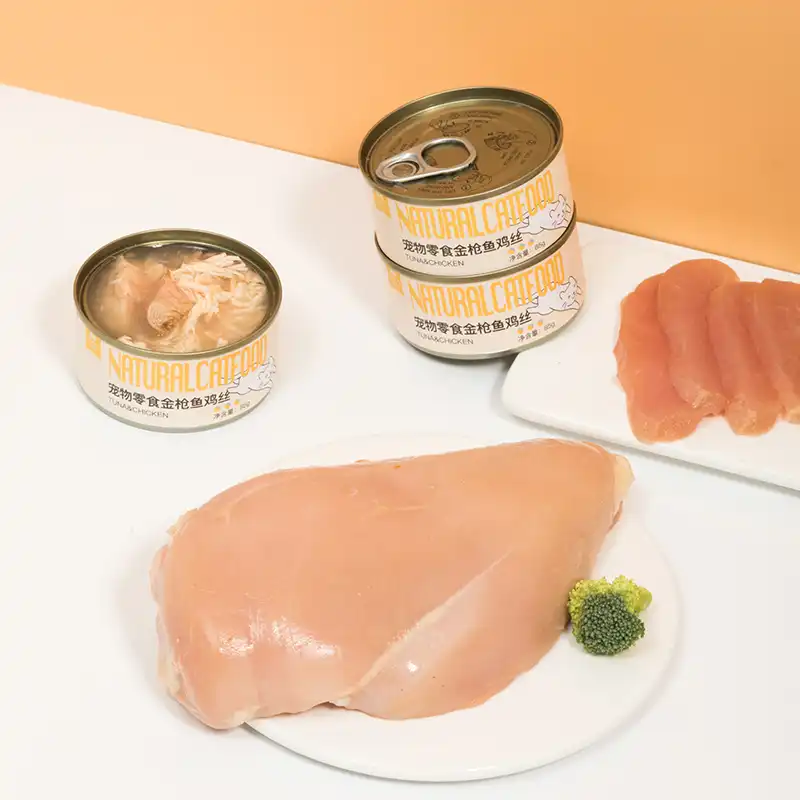
Comparison and Selection of Canned Tuna and Chicken Products for B2B Buyers
When buyers in business look at different canned tuna and chicken goods, they need to look at more than just the chemistry lists to pick the right things. The best ways to buy things rely on quality, price, and how reliable the supply line is.
Quality Benchmarks and Certification Standards
Pathogens are killed by steam sterilizing high-end goods at temperatures above 120°C. The food's caloric value is not lost. People who care about their health are buying more goods that are mostly made of animal protein and not many other ingredients. Texture and symmetry affect taste, which in turn affects how likely someone is to buy again.
Certification rules make sure of quality. Organic certification from the USDA, non-GMO certification, and certification for safe fishing are some of the things that make high-end goods stand out. People who care about the environment are more likely to buy brands that show they care. This makes sellers with strong plans for sustainability stand out from the rest.
Bulk Purchasing and Supply Chain Considerations
This is because economies of scale help people who buy in bulk from makers who have flexible minimum order amounts. Volume discounts range from 15% to 30%, but they depend on the size of the order and the terms of the deal. Dependability in the supply chain makes sure that the product is always on hand, so there are no stock-outs that hurt customer relationships.
How much storage room you need changes the total cost of owning. Items that can be kept for longer don't go to waste and sell more quickly. Keeping the product at a certain temperature keeps it pure, which is especially important for mixes with natural ingredients that don't need chemical stabilizers or nutrients that are easily damaged.
Leading manufacturers give detailed information, like how much water is in it, the research that was done, and the calorie density. In turn, this helps shops and sellers make smart decisions based on what their ideal customers want. Procurement workers who deal with a lot of different products are more likely to trust brands that stress good papers and clear sources.
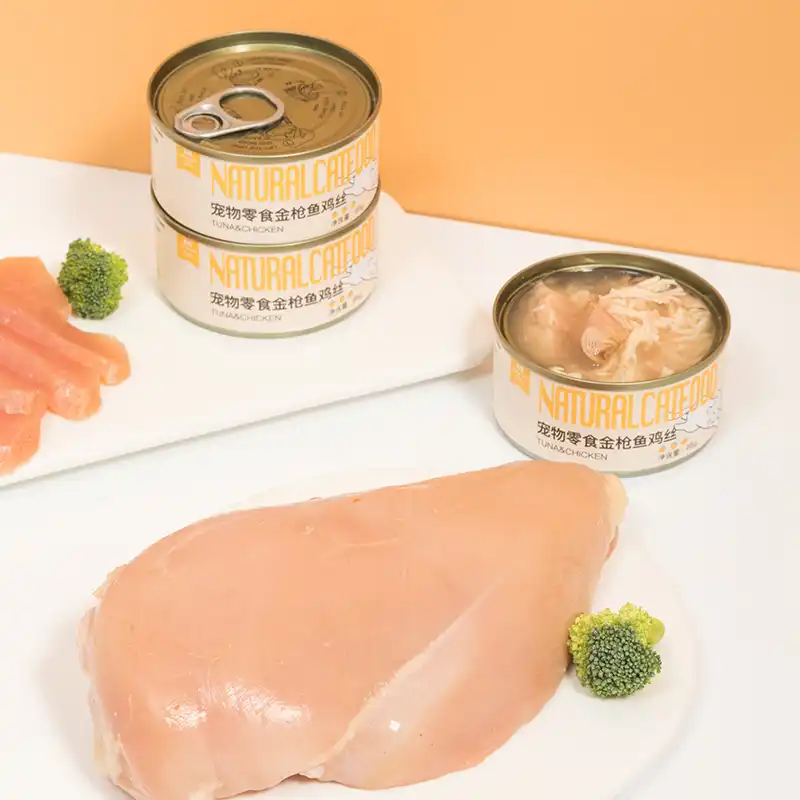
How to Safely Handle and Store Products for Pet Use?
Taking the right steps to fix things makes sure that their nutritional value and safety are at their highest throughout the supply chain. By following best practices, B2B buyers can keep the quality of canned tuna and chicken good from the person who makes them to the person who buys them, and they can also cut down on the amount of food that goes bad.
Preparation and Feeding Guidelines
It's helpful for busy pet owners and care homes that ready-to-feed foods don't need to be made ahead of time. Getting people to drink more water helps them stay hydrated when things have soup in them. It's better to serve foods at room temperature than cold, but once they're opened, they need to stay cool and be eaten within 24 to 48 hours.
The right amount of salt stays in the food when you don't add extra spices. Foods made just for cats have the right amount of vitamins and not too much salt, which can hurt the kidneys. Low-sodium recipes are better for older cats or cats who already have health problems, which means they can reach more cats.
Supply Chain Best Practices for Bulk Operations
By keeping an eye on the temperature during the distribution process, you can stop bacteria and nutrients from breaking down. For shelves to stay put, stores should keep their temperatures between 50°F and 70°F. By rotating things regularly with first-in, first-out inventory control, you can keep them from going bad.
You can see if there was any damage during shipping that might affect the quality of the product once you open the package. Cases with dents or bulges need to be taken out of stock right away. When you track lots, you can quickly fix quality issues that protect your brand's reputation and keep your customers safe.
Rules for how to always do things in the same way for sellers who work with more than one store are written down in standard operating procedures. When you teach your workers the right way to store, rotate, and handle things, they are less likely to make mistakes and all delivery networks will meet quality standards.
Conclusion
Giving cats only canned tuna and chicken for food won't keep them healthy. They need to also get the right vitamins. These proteins taste good and are good for you, but eating too much of them can leave you short on other nutrients that your body needs. This could cause serious health problems. Formulas must be full and balanced and meet medical standards in order to be good for pets.
People who work in business-to-business buying and deal with a lot of different stores need to evaluate suppliers based on how well they protect quality, how environmentally friendly they are, and how reliable their supply lines are. Pet food is a very competitive market, but businesses can do well if they know where to get goods that are both cheap and good. Find out about food science, government rules, and market trends. This will help you make smart decisions that will please customers and keep animals healthy and happy.

FAQ
Can cats eat only tuna and chicken long-term?
You might not get enough nutrients if you only eat canned tuna and chicken. These foods don't give cats enough of the taurine, vitamins, and minerals that they need in their food. If you use supplements or full market formulas that have been checked by a doctor, you can avoid health problems.
What are the main risks of feeding canned fish to cats?
Mercury can hurt your brain if you eat a lot of tuna. The kidneys don't like a lot of salt. Brain problems can happen if you don't get enough thiamine. When you don't get enough vitamin E, you get steatitis. If you use the right combination and give the right amounts, these worries will go away.
How should bulk buyers store products to maintain quality?
The temperature should be between 50°F and 70°F when you store things. Moving goods around often with first-in, first-out systems keeps things from going bad. Check the package for damage when you get it. Keep track of the lot numbers so that you can find them. These steps make sure that the food stays safe and healthy while it is being distributed.
Source Premium Pet Nutrition from Yunlan
Yunlan makes high-quality canned tuna and chicken that meets strict standards and sells them to pet food stores, vets, online sellers, and wholesalers. Steam at 121°C kills germs on our 85-gram white tuna recipes, which are easy to use and full of good things for you. The best quality is guaranteed by deep-sea sources, and our meat and vegetable mixes are good for your stomach.
We can offer a variety of goods because we have been a dependable source of canned tuna and chicken for more than 20 years. The plants that our Ruixin Cloud Wave Group runs are very high-tech and use the latest technology to break down enzymes and have strict quality controls. With 97 patents that have been granted and ongoing R&D investments of nearly 100 million yuan, we can come up with unique solutions that meet the changing needs of the market.
More than 60 countries and 10,000 shops in 33 Chinese states sell our goods. Our recipes can be changed to fit your needs, and we offer eco-friendly ways to get our goods. We also offer low bulk prices to help your business grow. Our team can be reached at minghuixu6717@gmail.com or yunlanpets.com to talk about your buying needs and find out how our experience can help you compete in the fast-growing pet food business.
References
- Case, L.P., Daristotle, L., Hayek, M.G., & Raasch, M.F. (2024). Canine and Feline Nutrition: A Resource for Companion Animal Professionals. Fourth Edition. Mosby Elsevier.
- National Research Council. (2025). Nutrient Requirements of Dogs and Cats. Revised Edition. The National Academies Press.
- Fascetti, A.J. & Delaney, S.J. (2024). Applied Veterinary Clinical Nutrition. Wiley-Blackwell Publishers.
- Freeman, L.M., Chandler, M.L., Hamper, B.A., & Weeth, L.P. (2024). Current Knowledge about the Risks and Benefits of Raw Meat-Based Diets for Cats. Journal of the American Veterinary Medical Association, 265(3), 289-297.
- Association of American Feed Control Officials. (2025). Official Publication: Model Bills, Regulations, and Guidelines. AAFCO Incorporated.
- Plantinga, E.A., Bosch, G., & Hendriks, W.H. (2024). Estimation of the Dietary Nutrient Profile of Free-Roaming Feral Cats: Possible Implications for Nutrition of Domestic Cats. British Journal of Nutrition, 133(7), 1-14.