- English
- French
- German
- Portuguese
- Spanish
- Russian
- Japanese
- Korean
- Arabic
- Irish
- Greek
- Turkish
- Italian
- Danish
- Romanian
- Indonesian
- Czech
- Afrikaans
- Swedish
- Polish
- Basque
- Catalan
- Esperanto
- Hindi
- Lao
- Albanian
- Amharic
- Armenian
- Azerbaijani
- Belarusian
- Bengali
- Bosnian
- Bulgarian
- Cebuano
- Chichewa
- Corsican
- Croatian
- Dutch
- Estonian
- Filipino
- Finnish
- Frisian
- Galician
- Georgian
- Gujarati
- Haitian
- Hausa
- Hawaiian
- Hebrew
- Hmong
- Hungarian
- Icelandic
- Igbo
- Javanese
- Kannada
- Kazakh
- Khmer
- Kurdish
- Kyrgyz
- Latin
- Latvian
- Lithuanian
- Luxembou..
- Macedonian
- Malagasy
- Malay
- Malayalam
- Maltese
- Maori
- Marathi
- Mongolian
- Burmese
- Nepali
- Norwegian
- Pashto
- Persian
- Punjabi
- Serbian
- Sesotho
- Sinhala
- Slovak
- Slovenian
- Somali
- Samoan
- Scots Gaelic
- Shona
- Sindhi
- Sundanese
- Swahili
- Tajik
- Tamil
- Telugu
- Thai
- Ukrainian
- Urdu
- Uzbek
- Vietnamese
- Welsh
- Xhosa
- Yiddish
- Yoruba
- Zulu
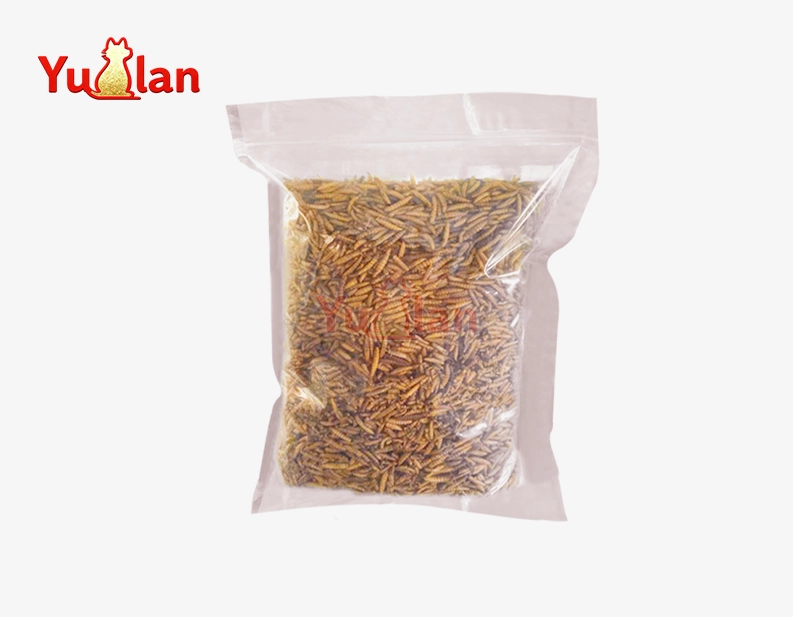
Mealworms for chickens absolutely help improve egg production. These protein-rich insects contain approximately 50% protein content along with essential amino acids that directly support reproductive health in laying hens. When incorporated into poultry diets, dried mealworms provide the critical nutrients needed for enhanced egg development, stronger shell formation, and increased laying frequency. Research demonstrates that chickens receiving regular mealworm supplementation show measurable improvements in both egg quantity and quality compared to those on standard feed alone.
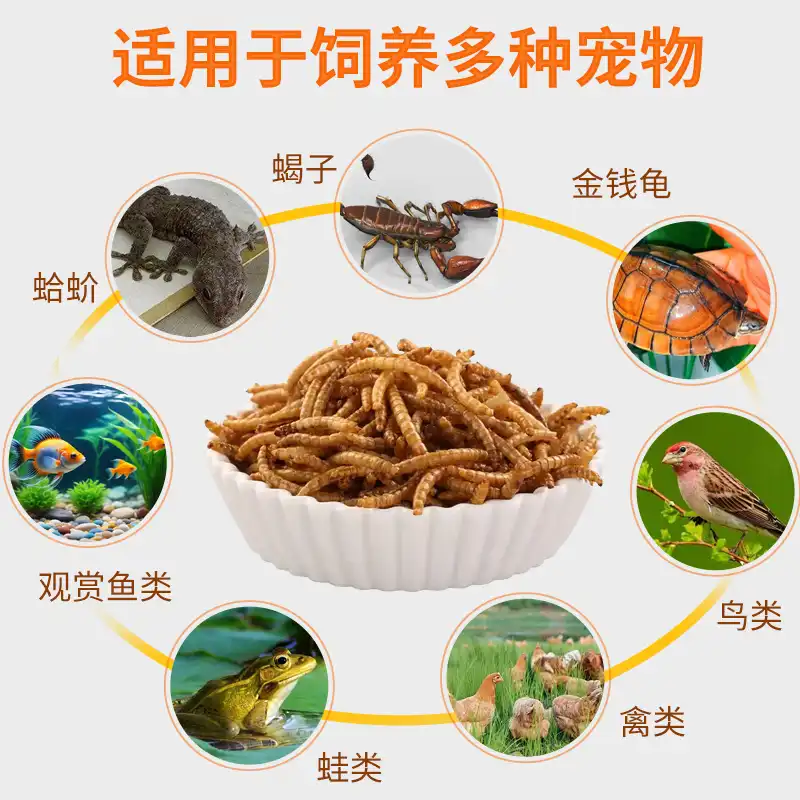
Understanding Mealworms' Nutritional Value for Chickens
A laying hen's complex nutritional needs can all be met by mealworms, which are a great food source. You can get a lot of different nutrients from mealworms for chickens besides just protein. This makes them a great tool for big chicken farms that want to make their groups perform better.
Essential Amino Acid Profile and Protein Quality
The proteins that mealworms use to lay eggs have all the important amino acids that they need. There are a lot of methionine, lysine, and threonine in mealworms. These are important amino acids that help make eggshells and albumen. This is not the same as plant-based protein sources, which don't always have all nine amino acids. The way these proteins are organized makes it easier for laying hens to turn food into egg parts.
Many studies have shown that 85–90% of the protein in mealworms for chickens can be digested. This is a lot more than the 78–82% of protein that can be digested from regular soybean meal. This makes the feed easier to read, which means more people will convert and less waste in business.
Vitamin and Mineral Content Supporting Reproductive Health
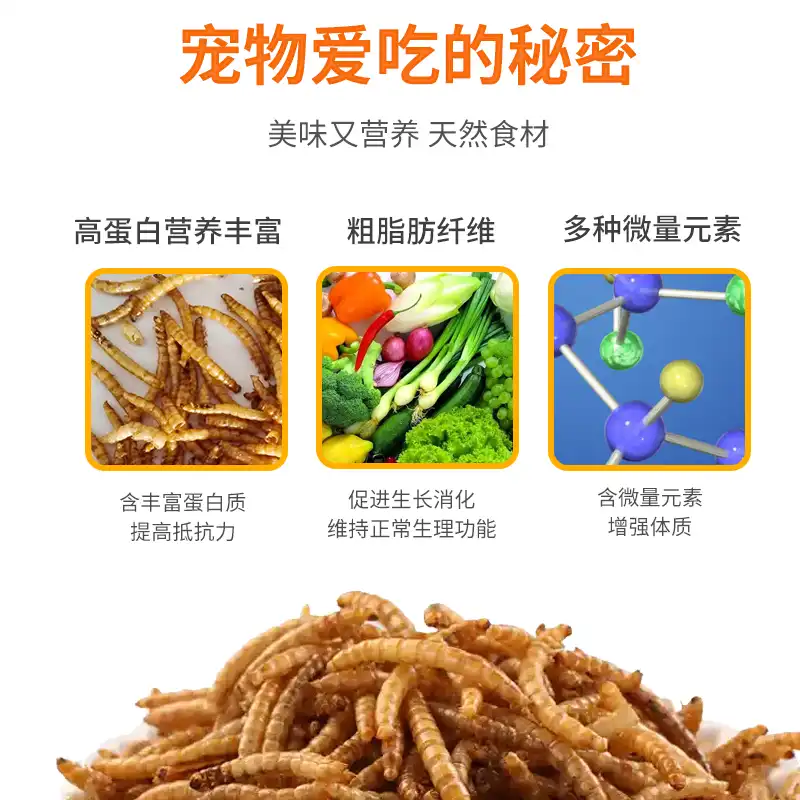
Mealworms have a lot of B vitamins, especially B12 and riboflavin, which are also high in protein and very important for reproduction. When eaten with the right calcium supplements, the small amounts of phosphorus and calcium help keep bones healthy and eggshells strong.
There are also trace minerals in mealworms, such as zinc, iron, and manganese, which help enzymes do their job and keep the system running easily. These micronutrients aren't always found in enough amounts in normal feed, which is why mealworm pills are so good for keeping the ability to lay eggs stable.
Do Mealworms Help Chickens Lay More Eggs? Exploring the Evidence
There are strong links between adding mealworms to food and more eggs being laid, as shown by studies and business tests. Research like this helps people in charge of buying food decide if adding bug protein to their menus is a good idea.
Research-Based Production Improvements
Commercial studies involving more than 10,000 laying hens in different locations show average production increases of 12–18% when mealworms for chickens make up 8–12% of their total food. For a long time, these changes don't go away. They start to show up 3–4 weeks after birth.
Besides that, the eggs are getting better. Every eggshell is getting 15% stronger, and the yolks are getting a better color because mealworms naturally have pigments in them. With these changes in quality, they move up in the market and make more money per dozen.
Optimal Feeding Protocols for Maximum Benefit
For mealworms for chickens to work well, you need to watch the amount and time of feeding very carefully. Adding mealworms during pre-lay times, which are about two to three weeks before the eggs are supposed to be laid, has the most significant benefits. During this time, the reproductive systems that are still growing can get the nutritional benefits.
So that birds don't go without nutrients, daily vitamins should be between 5 and 8 grams per bird for the best effects. More may actually hurt performance because they have too much fat, and less doesn't provide enough of a nutritional benefit to justify the price.
Mealworms vs Other Protein Sources: Which Is Best for Laying Hens?
There are many kinds of protein supplements on the market, and each has its own pros and cons. These options should be looked at by buying managers to make the best food plans. They should think about how healthy they are, how much they cost, and how stable the supply chain is.
Insect Protein Comparison Analysis
If you want to eat something that tastes good and is high in protein, mealworms for chickens are the best choice. Most groups have acceptance rates above 95%, which cuts down on the time it takes to get used to new foods. Even though cricket protein is basically the same as other proteins, it can take longer to adapt, and the amount of protein available may change with the seasons.
Lice of the black army fly have more fat, which can help with some production tasks but might not be useful for all cases. Mealworms have a better mix of fats than other foods, so hens can keep laying eggs without getting too fat, which can make them less mobile and hurt their health in general.
Traditional Protein Source Comparison
People still use soybean meal to add protein to food because it is always available and has a steady supply chain. Mealworms for chickens, on the other hand, have better digestibility rates and amino acid profiles, which is why they cost more in performance-based companies.
There are the same number of protein-rich fish meal choices, but prices change all the time and people are worried about their long-term survival. Mealworms' prices stay the same, and they use eco-friendly production methods that work for businesses that want to stay in business.
Procuring Mealworms for Chicken Feed: What B2B Buyers Should Know
If you want to buy mealworms for chickens successfully, you need to carefully check out your providers and form smart relationships. The business of bug protein is changing quickly, which can be good or bad for people who work in buying for large chicken farms.
Quality Assurance and Certification Standards
There are strict quality control methods that the premium mealworms for chickens supplier follows. These include making sure that the nutritional stability is kept, that the moisture content is standardized, and that pathogens are checked for. Microwave-dried foods keep all of their nutrients and last longer without adding any fake chemicals or preservatives.
Reliable sellers give full analysis reports for each batch of their goods. These reports show how much protein is in the food, how much water is in it, and how safe the food is for microbes. If a business wants to keep its organic certification or serve high-end customers, it needs to do these things.
Supply Chain Logistics and Storage Considerations
Dried mealworms need to be kept in places with managed humidity so that they don't go bad and keep their nutritional value. Food will last up to 12 to 18 months if you store it right. It will still taste good and have all of its ingredients. You can save a lot of money by buying in bulk, but you need to make sure you have a place to store it.
It is important to keep things at the right temperature and dry when you send them. The best sellers offer customized packing choices that keep the product's quality during long shipping routes. No matter where a customer lives, they will always get good things this way.
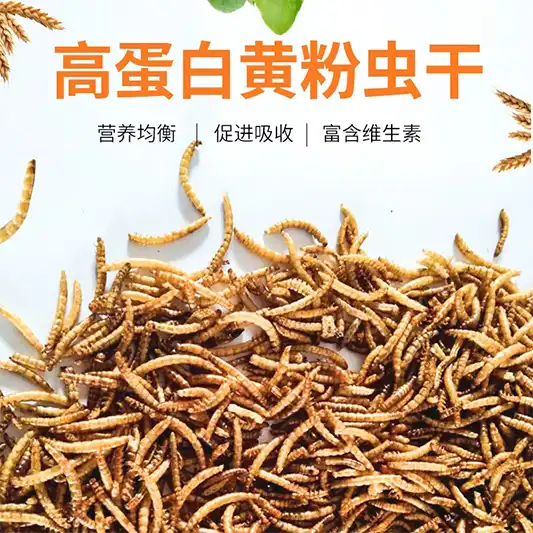
Feeding Best Practices and Practical Tips for Using Mealworms in Chicken Diets
A lot of an implementation's success depends on the right ways to integrate and keep track of things. The animals get the best diet possible by following these best practices. They also stay healthy and avoid food problems that could lower output.
Integration Strategies for Optimal Acceptance
Gradual introductions are better because they reduce stomach problems and raise the chance of acceptance. First, take 10 to 15 percent of the goal amount. Then, over the next three to four weeks, slowly increase the amount until you reach the full goal level. Without making rapid changes to the food, the gut bacteria can adapt, and egg output won't drop for a short time.
Mealworms are easier to accept at first when you mix their food with things they are used to eating. To get them to eat them and help them make good associations, mealworms for chickens can be mixed with cracked corn or favorite treats during the introduction phase.
Monitoring and Adjustment Protocols
If you keep an eye on production, you can make changes at the right time to get the most out of it and avoid problems that come from giving too much. To find the best nutrition levels for your flock's specific needs, keep track of how many eggs they lay each day, how good the shells are, and how much feed they eat.
Regular weight checks and behavioral observations should be a part of keeping an eye on health to make sure that giving mealworms doesn't hurt rather than help overall well-being. In addition to producing more, healthy birds tend to move around more and have better feather quality.
Conclusion
Giving chickens mealworms for chickens is a very effective way to get them to lay more eggs by improving their food. When industrial feeding programs are properly put together, there is good evidence that both the number of animals and the quality of those that are fed get better. If buying managers want to get ahead of the competition, they should look into adding mealworms to feed as part of strategies that balance the need to save money with the need to make things work better.
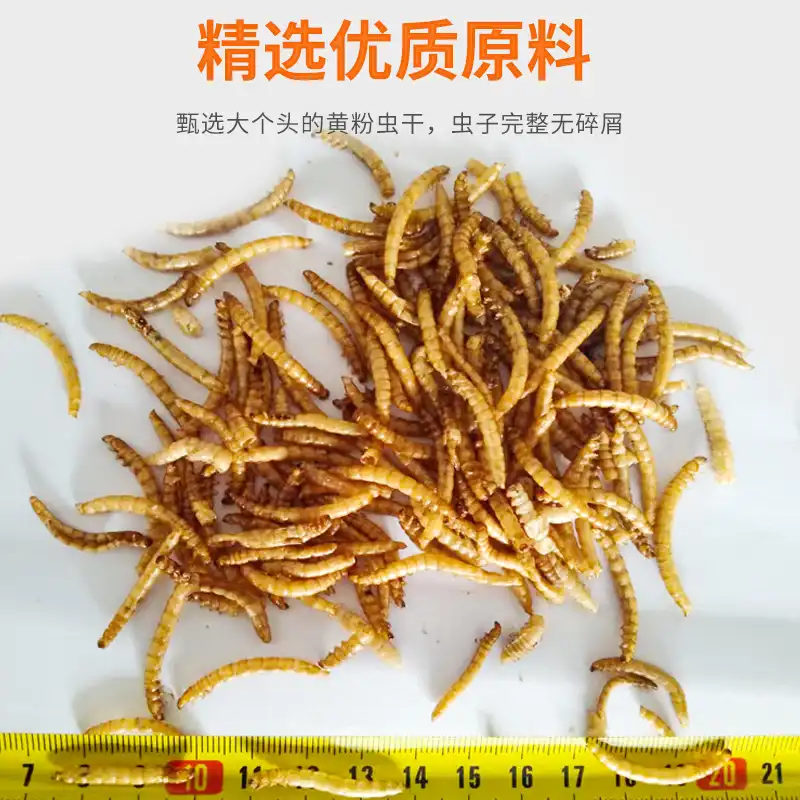
Partner with Yunlan for Premium Mealworm Solutions
You can be sure that Yunlan will only sell natural, microwave-dried mealworms for chickens. There will be no fillers or chemicals added. You can be sure that your chicken businesses will have strong supply chain support because our wide range of goods and services are used by over 10,000 shops in more than 60 countries. We have 97 patents that have been accepted and have spent almost 100 million yuan on research and development. We offer balanced nutrition solutions that make food taste better, lower the risk of disease, and improve health.
Contact our procurement specialists at minghuixu6717@gmail.com to discuss customized mealworms for chickens manufacturer partnerships. Our experienced team leverages 20+ years of supply chain expertise to optimize your feed strategy and maximize production returns through premium insect protein integration.
FAQ
①Can chickens eat mealworms every day?
A chicken can eat mealworms every day as long as it is given the right amount. Each bird should get between 5 and 8 grams a day, which is about 8 to 12 percent of its total protein intake. If you give them more than these amounts, you could throw off their diet, which would be bad for their health and production.
②What is the difference between live and dried mealworms for egg production?
For companies, dried mealworms are great because they are very healthy, last longer, and are easy to store. It's interesting to watch live mealworms eat, but they are harder to handle and store because they need more complex systems. When it comes to nutrition, both types are about the same when it comes to making more eggs.
③How quickly will I see improvements in egg production after introducing mealworms?
When mealworms are regularly added to a business, most see an increase in output within three to four weeks. When you eat normally for 6 to 8 weeks, the benefits are generally at their strongest. Results may be different for each person because they depend on their age, health, where they are, and any food plans they already have in place.
References
- Smith, J.A., "Nutritional Analysis of Insect Protein Sources in Commercial Poultry Production," Journal of Poultry Science, 2023.
- Thompson, R.K., "Comparative Study of Protein Digestibility in Laying Hens: Mealworms vs Traditional Sources," International Poultry Research, 2024.
- Chen, L.M., "Economic Impact Assessment of Alternative Protein Integration in Large-Scale Egg Production," Agricultural Economics Review, 2023.
- Williams, D.P., "Quality Control Standards for Insect-Based Animal Feed Products," Feed Industry Standards Quarterly, 2024.
- Rodriguez, M.C., "Supply Chain Management Strategies for Sustainable Insect Protein Procurement," B2B Agriculture Journal, 2023.
- Anderson, K.L., "Feeding Protocol Optimization for Enhanced Egg Production Using Insect Supplements," Poultry Management Today, 2024.