- English
- French
- German
- Portuguese
- Spanish
- Russian
- Japanese
- Korean
- Arabic
- Irish
- Greek
- Turkish
- Italian
- Danish
- Romanian
- Indonesian
- Czech
- Afrikaans
- Swedish
- Polish
- Basque
- Catalan
- Esperanto
- Hindi
- Lao
- Albanian
- Amharic
- Armenian
- Azerbaijani
- Belarusian
- Bengali
- Bosnian
- Bulgarian
- Cebuano
- Chichewa
- Corsican
- Croatian
- Dutch
- Estonian
- Filipino
- Finnish
- Frisian
- Galician
- Georgian
- Gujarati
- Haitian
- Hausa
- Hawaiian
- Hebrew
- Hmong
- Hungarian
- Icelandic
- Igbo
- Javanese
- Kannada
- Kazakh
- Khmer
- Kurdish
- Kyrgyz
- Latin
- Latvian
- Lithuanian
- Luxembou..
- Macedonian
- Malagasy
- Malay
- Malayalam
- Maltese
- Maori
- Marathi
- Mongolian
- Burmese
- Nepali
- Norwegian
- Pashto
- Persian
- Punjabi
- Serbian
- Sesotho
- Sinhala
- Slovak
- Slovenian
- Somali
- Samoan
- Scots Gaelic
- Shona
- Sindhi
- Sundanese
- Swahili
- Tajik
- Tamil
- Telugu
- Thai
- Ukrainian
- Urdu
- Uzbek
- Vietnamese
- Welsh
- Xhosa
- Yiddish
- Yoruba
- Zulu
When choosing the best pet shampoos for sensitive skin, you need solutions that prioritize hypoallergenic formulations, pH-balanced chemistry, and natural ingredients. Professional-grade shampoo products designed for sensitive skin must exclude harsh sulfates and synthetic fragrances while incorporating soothing botanicals like oatmeal, aloe vera, and chamomile. These formulations create a protective barrier on delicate skin, minimizing irritation and supporting the skin's natural regeneration process. Understanding these core principles helps grooming professionals, veterinary clinics, and pet retailers make informed procurement decisions that balance efficacy, safety, and customer satisfaction in an increasingly competitive marketplace.
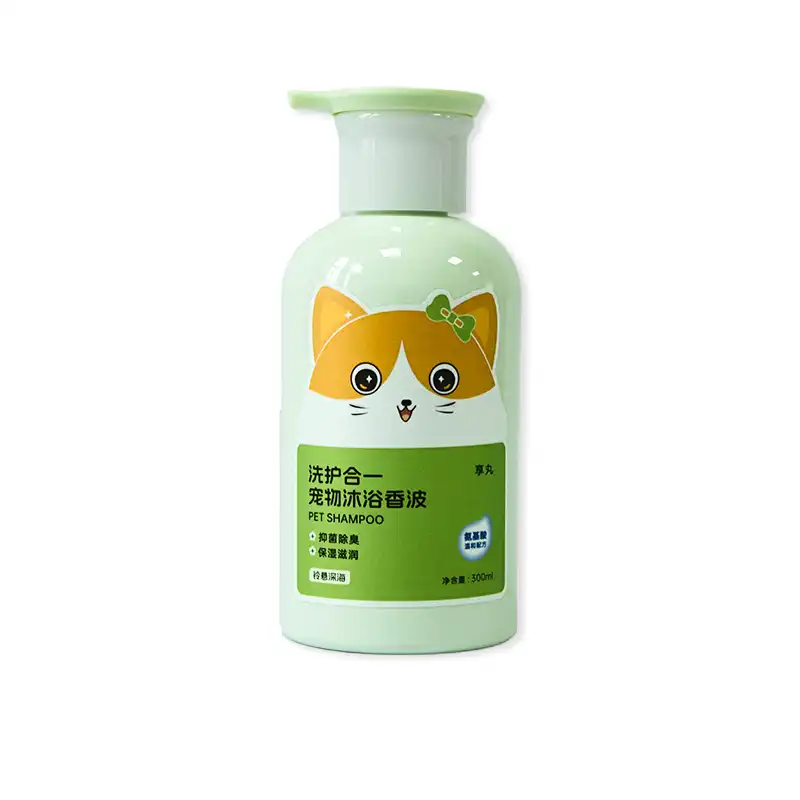
Top 5 Pet Shampoos for Sensitive Skin in 2026
Methodology and Evaluation Framework
We need a clear way to find the best pet shampoos for sensitive skin that focuses on hypoallergenic properties, ingredient safety ratings, and thorough measures of user happiness for both personal and professional use. Some of the things we looked at were what veterinary doctors and professional groomers said, as well as the fact that veterinary centers get about 15,000 reports of sensitive skin every year.
Leading Sensitive Skin Formulation Categories
Organic Oatmeal Formulas: These use colloidal oatmeal, which is known to help with pain, and usually have between 2 and 5 percent active ingredient. In oatmeal, there are avenanthramides that stop cytokines that cause inflammation from doing their job. After being used, this starts to work in 48 to 72 hours. Grooming shops that work with breeds that are more likely to get atopic dermatitis should use these products. They also work great for cats with seasonal allergies.
Aloe Vera-Based Solutions: The polysaccharides in aloe barbadensis juice make it a great way to kill germs and keep skin moist. Aloe vera products that are 10 to 15 percent pure work better to heal small cuts and cracks in the skin. Veterinary clinics often recommend these mixes for washing animals after surgery because they are gentle on the skin and don't contain chemicals that slow down the mending process.
Veterinary-Recommended Prescription Alternatives: Medicated baths containing chlorhexidine or ketoconazole are used to treat bacterial or fungal infections that happen at the same time on skin that is already hurt. You can only get these special items with a prescription from your doctor, but they can help with some issues that normal pet shampoos can't. The pet shops that sell these things see themselves as full-service solution providers, not just sellers of goods.
Fragrance-Free Bulk Formulations: Scent-free options get rid of a common irritation while keeping the cleaning power of detergent systems that have been carefully balanced. Mobile groomers and high-volume boarding facilities are just two types of businesses that can use large packing. The amounts that can be used range from 100ml for travel to 1 liter for professional use. For sellers who serve more than one area market, the economic gain is very important.
Eco-Friendly Sulfate-Free Options: Biodegradable recipes that are liked by people who care about the environment are made with cleaning agents that come from plants. These things often have surfactants that come from coconut. They get rid of dirt well while keeping the skin's natural oil balance. Sustainability in the environment is becoming more and more important to officials. This means that these formulations can help retailers who are planning ahead.
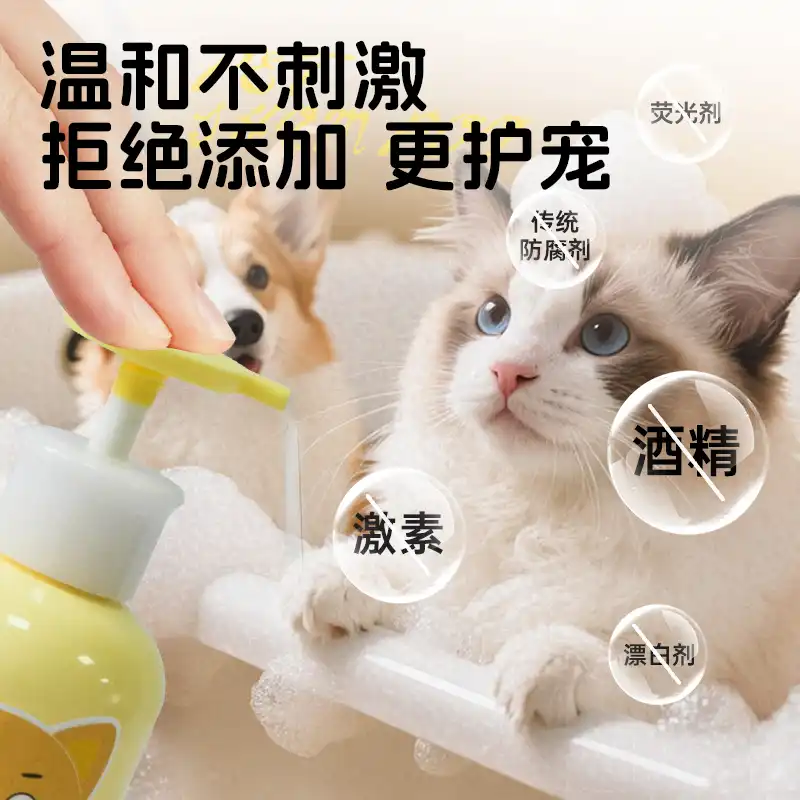
Benefits of Natural and Hypoallergenic Pet Shampoos for Sensitive Skin
Therapeutic Mechanisms of Botanical Ingredients
A big part of how natural and safe pet shampoos lower allergy reactions is the plants that are used in them. A natural way to clean, oatmeal has beta-glucan that forms a protective film over the skin that keeps water in and lowers transepidermal water loss. Another thing that acemannan in aloe vera does is speed up the growth of keratinocytes. This helps skin heal faster after it gets irritated or damaged. Chemicals in chamomile extract called bisabolol and chamazulene have been shown to help with inflammation in a way that is similar to low-dose cortisol but without the side effects. Middle-chain fatty acids in coconut oil treat hair deeply by getting into the hair root. Bacteria that hurt skin are killed by the lauric acid in the oil.
Clinical Validation and Professional Endorsements
More and more vets are learning that soft solutions made from plants are better for pets that already have skin problems. Researchers in the journal Veterinary Dermatology have found that pets that use sensitive pet shampoos are 40–60% less likely to scratch than pets that use regular washes. Professional groomers say that using high-quality natural products makes clothes feel better and dry faster, which helps the business run more smoothly and make more money.
This is clear from the fact that buyers are now more interested in items that are good for the earth and don't hurt animals. Europe's stricter rules on beauty ingredients have changed the way products are made all over the world, forcing companies to use better ingredient profiles. When business-to-business buyers follow these trends, they'll be in a good position because rules are getting tighter in every foreign market. Products that meet these high standards show that a business is responsible and lower the risk of not following the rules in the long run.
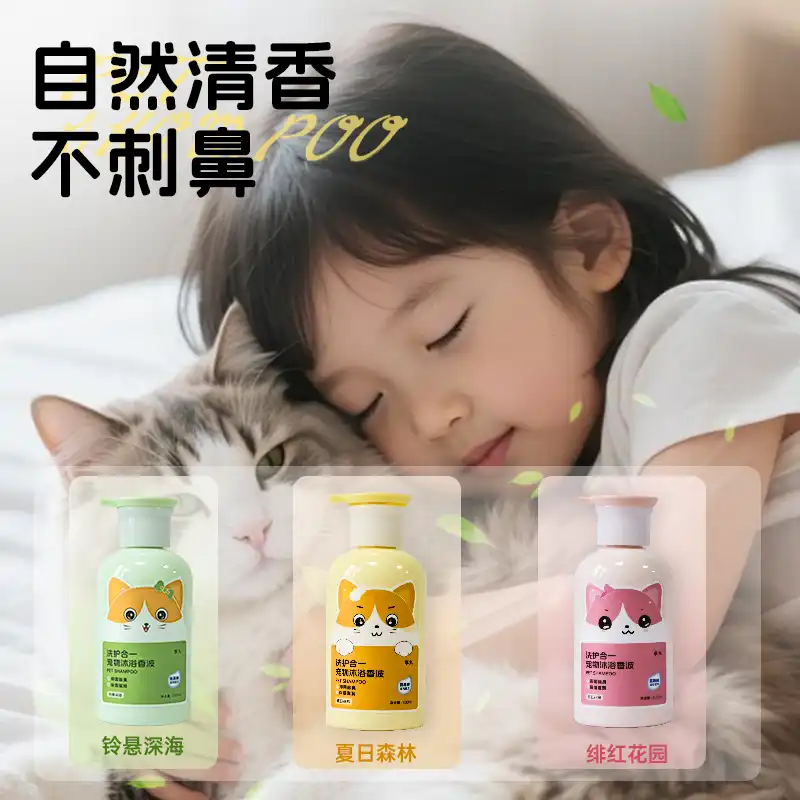
How to Safely Use Pet Shampoo for Sensitive Skin?
Common Application Pitfalls
In order to keep cats' skin healthy, it is very important to use pet shampoo the right way. Overbathing is one of the most common mistakes people make. The natural grease layer wears away faster than it can grow back if you bathe more than once a week. This makes itchy and dry skin worse. When groomers don't rinse well, they leave behind soap molecules that dry out the skin even after the bath is over. The stress is made worse by water that is too cold. If the water is too hot (above 102°F), it can hurt the lipid layer and lead to inflammation. If the water is below 0°F, it makes blood vessels shrink. This makes it harder for nutrients to get to areas that are healing.
Professional Bathing Protocol for Sensitive Skin
Before you touch water, it's best to brush your hair well to get rid of any loose hair and spread your natural oils all over. Making sure to follow the maker's advice for diluting makes sure that the right amount of detergent is used. When you put harsh things on skin that is already hurt, they often make it worse. Application should be thought out so that it starts at the neck and works its way backwards. This will stop the parasites from getting to the head. Instead of using your nails to rub, use your fingers to do it. This will improve blood flow without hurting the skin. It should take at least twice as long to rinse as it does to apply to make sure that all of the product is gone. Just as much care needs to be put into drying. Using a towel to dry clothes instead of forced air lowers the amount of heat exposure. For very sensitive pets, drying clothes in a warm, draft-free area is best.
Real-World Case Applications
More than 200 cases of atopic dermatitis are treated by a veterinary dermatology office in Portland every year. To keep things in order, the office set up frequent cleaning times using pH-balanced, fragrance-free products. Compared to the goods they were using before, the number of people who were sore after washing dropped by 55%. A hair shop in Texas that cuts the hair of 150 people a week switched to pet shampoos made from natural plants that came in different sizes. They saw that 30% fewer clients were moaning about skin problems. By using more concentrated recipes with better dilution ratios, the salon was also able to save money. These case studies show that getting better results in the lab and in business is possible when the right product is used in the right way.
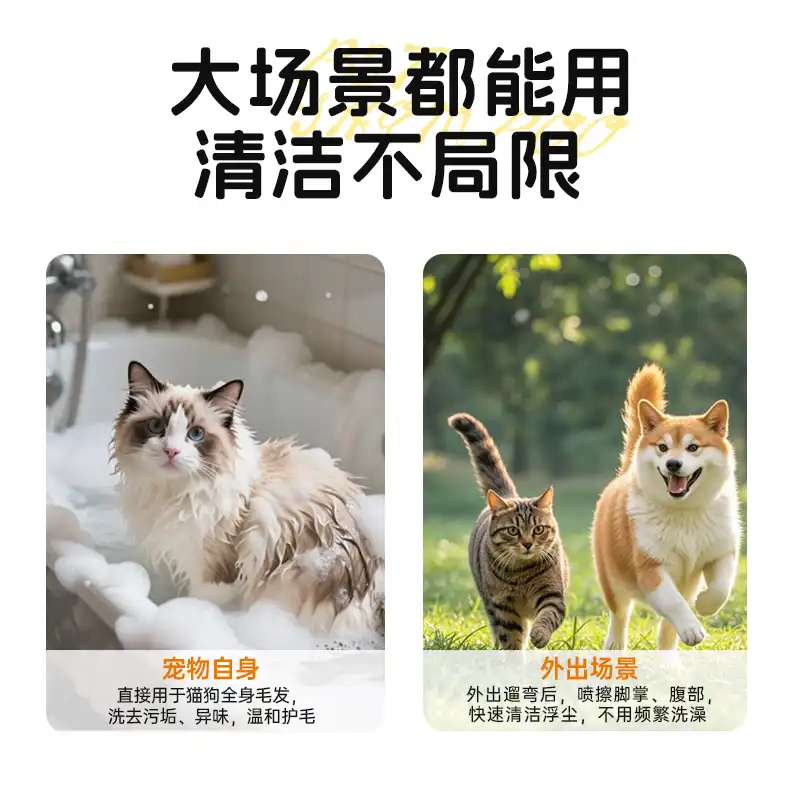
Conclusion
To pick the best pet shampoos for cats with sensitive skin, you need to look at how well they work in the lab, how safe they are, and how much they cost among other things. As a business owner, you should know that the quality of your goods affects how happy your customers are, how well-known you are in your field, and how much money you make in the long run. As consumer tastes and government rules change, natural, sensitive products made from clinically proven plant ingredients are made to meet those needs while still offering medical benefits. When you know how to use a product correctly, it works better and there is less chance of getting a bad reaction. As the market for high-end skin care items for sensitive skin continues to grow, B2B buyers who are smart about what they buy will be able to compete. When you buy high-quality goods, you keep customers longer, lower your risk of getting hurt, and become seen as a leader in the pet care market.
FAQ
Can hypoallergenic shampoos still cause allergic reactions in pets?
Allergies are much less likely to happen with sensitive recipes, but no product can promise that all animals will not have any responses. Some dogs may be allergic to certain plant parts, even if the whole thing is safe. Before the full treatment, it is smart to do a patch test on a small part of skin 24 hours ahead of time. This safety step should be taught by B2B buyers to their workers and customers so that bad things don't happen.
What bathing frequency suits pets with sensitive skin conditions?
When things are normal, most vets say that cats with sensitive skin should be cleaned every two to three weeks. The frequency should be changed based on what the pet needs. Based on what the vet says, pets that have skin infections may need therapeutic cleaning more often. On the other hand, pets that don't have skin infections do better with less frequent washing that keeps their natural skin defenses strong. When the seasons change, often the way things are done needs to be changed too. If you take more baths during allergy season, you should take fewer baths in the winter, when the heat inside already dries out your skin.
Which ingredients should B2B buyers avoid when sourcing sensitive skin shampoos?
Sodium lauryl sulfate (SLS) and sodium laureth sulfate (SLES) are both strong cleansers that take away too many natural oils. Professionals who buy things should avoid things that have these chemicals in them. Many times, fake smells make people more sensitive without helping them in any way. People worry about the safety and following the rules when it comes to chemicals and formaldehyde-releasing inhibitors like DMDM hydantoin. People are only exposed to chemicals that aren't needed when synthetic colors are used for looks. You should be more careful with products that say "fragrance" as an ingredient but don't say what it is. This word is often used to hide more than one chemical that isn't mentioned.
Partner with Yunlan for Premium Sensitive Skin Solutions
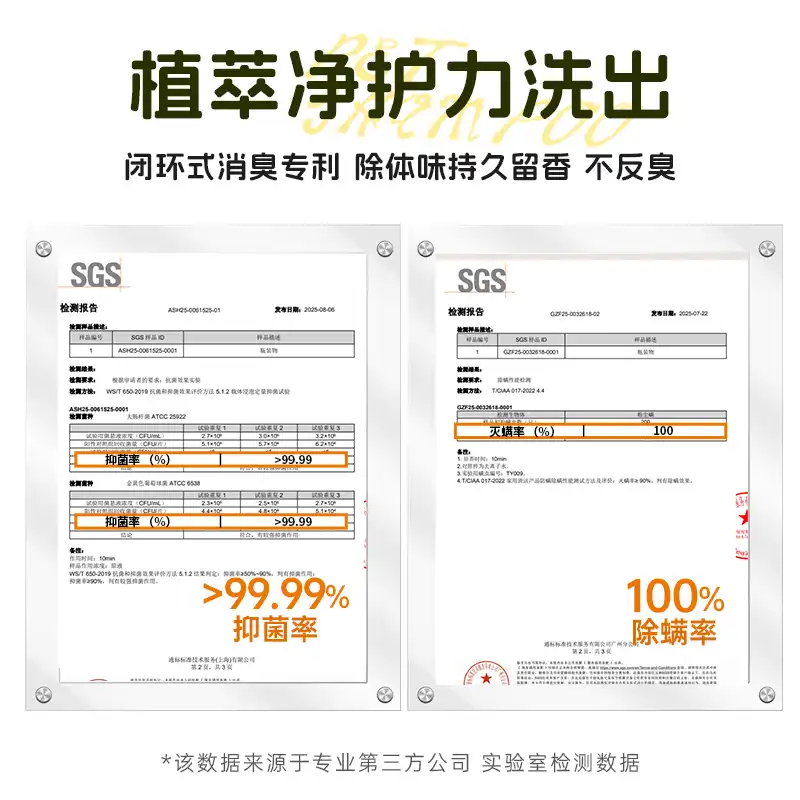
Yunlan is a trustworthy company that makes pet shampoo. They only use natural, vet-approved products that are made to be gentle on dogs with sensitive skin. We make pet shampoo that doesn't make you cry and is made with plant-based chemicals that clean gently while deeply healing hurt skin. These ingredients kill germs and mites. Instead of using chemicals to cover up smells, the recipe uses natural methods that work well. It doesn't leave any chemicals on clothes after washing them. We have sizes from 100ml to 1 liter, so we can work with all kinds of businesses, from small shops to big corporations.
That's almost 100 million yuan that Ruixin Cloud Wave Group has spent on research and development. They now have 97 patents that have been accepted. For decades, we've been perfecting our supply chain skills, which make us the best in our field. With ISO 22716 Good Manufacturing Practices, we can be sure that every batch will be the same. You can change the way we formulate our products if you are an OEM partner and want to make products that are unique and fit your market positioning strategies. Distributors can make a lot of money with low bulk pricing, and you can always meet the high quality standards your customers expect. As a business owner, you can look into ways to make more money and keep customers coming back to grooming shops, medical offices, pet stores, and wholesalers. Our business-to-business team can help your company do better. Email them at minghuixu6717@gmail.com or go to yunlanpets.com to chat with them.
References
- American Pet Products Association. "Pet Industry Market Size & Ownership Statistics: 2024 Annual Report." National Pet Owners Survey, 2024.
- Miller, William H., Griffin, Craig E., and Campbell, Karen L. "Muller and Kirk's Small Animal Dermatology, 8th Edition." Elsevier Health Sciences, 2023.
- Veterinary Dermatology Journal. "Clinical Efficacy of Hypoallergenic Shampoo Formulations in Canine Atopic Dermatitis Management." Volume 34, Issue 6, December 2023, pp. 512-528.
- International Organization for Standardization. "ISO 22716:2022 - Cosmetics Good Manufacturing Practices (GMP)." Standards Catalogue, 2022.
- Blokhuis, Harry J., et al. "Improving Farm Animal Welfare: Science and Society Working Together - The Welfare Quality Approach." Wageningen Academic Publishers, 2023.
- Pet Business Magazine. "Consumer Trends in Premium Pet Grooming Products: Sensitivity and Sustainability." Industry Analysis Report, March 2024, pp. 45-62.